
Main Courses
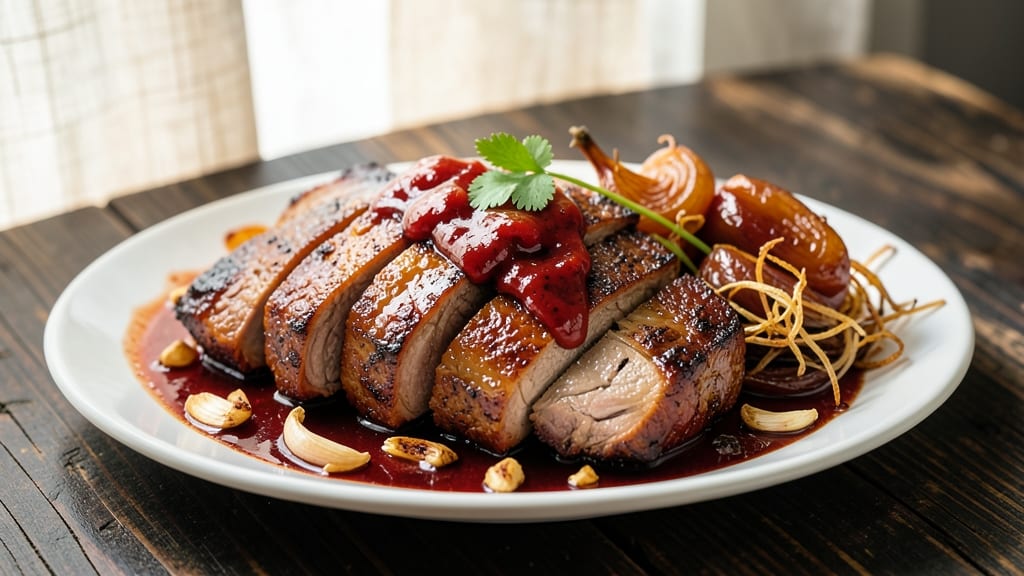
This cacoila pork recipe delivers the perfect balance of crispy edges and silky meat that I've perfected after years of studying Southeast Asian braising techniques. 🔥 The secret lies in the marinade—a blend of aromatic spices that tenderize the meat while building layers of flavor that caramelize into a glossy glaze.
I first encountered this dish in a small Jakarta warung where the pork was so tender it practically melted in your mouth, yet held its shape beautifully.
The recipe begins with a foolproof marinade of five-spice powder, garlic, and tamarind that transforms tough pork shoulder into melt-in-your-mouth perfection.
Unlike traditional braising methods that require hours, this version uses a combination of slow cooking and high-heat searing to create that signature crispy exterior while keeping the interior impossibly tender. The key is patience—letting the spices penetrate deeply before the final sear that locks in all those flavors.
What makes this dish truly special is how the five-spice blend transforms simple pork into something extraordinary. The star anise and cloves add depth, while the cinnamon and fennel bring warmth that pairs perfectly with the tangy tamarind.
When served, each bite delivers a symphony of textures—crispy edges that give way to silky meat coated in that sticky-sweet glaze. This is comfort food elevated to restaurant-quality status.
Serve with steamed jasmine rice to soak up every last bit of that flavorful sauce, or pair with quick-pickled vegetables for brightness. The leftovers reheat beautifully, making this an ideal dish for meal prep or feeding a crowd.
Let's get cooking—this pork will become your new go-to centerpiece for any gathering.
Ingredients for cacoila pork
Five aromatic spices and tender pork shoulder transform into crispy, silky bites that'll wow your dinner table.
| Ingredient | Amount | Notes |
|---|---|---|
| Pork Shoulder 🥩 | 2 lb | Bone-in for best flavor, cut into 1-inch cubes |
| Five-Spice Powder 🌶️ | 2 tbsp | High-quality blend for authentic depth |
| Garlic Cloves 🧄 | 8 cloves | Minced finely for even distribution |
| Tamarind Paste 🍯 | ½ cup | Unsweetened for tangy balance |
| Soy Sauce 🍶 | ⅓ cup | Dark soy for rich color |
| Brown Sugar 🍚 | ¼ cup | Packed for caramelization |
| Honey 🍯 | 2 tbsp | Wildflower for floral notes |
| Rice Vinegar 🍶 | 2 tbsp | White vinegar substitute |
| Sesame Oil 🫒 | 1 tbsp | Toasted for nutty aroma |
| Cornstarch 🌾 | 2 tbsp | For crispy coating |
| Vegetable Oil 🫒 | ½ cup | High smoke point for frying |
| Green Onions 🧅 | ¼ cup | Sliced for garnish |
| Salt 🧂 | 1 ½ tsp | Kosher for seasoning |
| Black Pepper 🌶️ | ½ tsp | Freshly cracked |
The pork shoulder is non-negotiable here—bone-in delivers the most flavor, and 2 lbs gives you generous portions. Look for well-marbled cuts at Whole Foods or your local butcher shop, where they can cut it into even 1-inch cubes for perfect cooking. If you're using pre-cut pork, trim any large fat chunks to ensure even browning. The five-spice powder should be freshly ground—store-bought blends lose potency quickly, so check the date or buy it in small quantities from Penzeys or Asian markets where they sell individual spices.
No tamarind paste? Lime juice plus 1 tsp sugar mimics the tang, though it won't be identical. Substitute dark soy sauce with regular soy sauce plus 1 tsp molasses for color, but you'll lose some depth. The honey can be swapped for maple syrup, though it'll lean more savory. For extra crispiness, toss the pork in cornstarch plus 1 tsp baking powder before frying—game changer. If you're short on sesame oil, toasted sesame seeds sprinkled at the end add the same nutty aroma without the overpowering flavor. Always use high-smoke-point oil like avocado or peanut oil for frying—vegetable oil works but burns faster.
Marinate the pork for at least 4 hours, but overnight is ideal—this lets the spices work their magic. Store leftovers in an airtight container with a paper towel> between layers to absorb excess moisture. Keeps 3-4 days in the fridge, though the texture suffers after day 2. For freezing, portion into single servings and freeze flat—thaws in 24 hours in the fridge. The sauce thickens as it cools, so reheat with 1 tsp water to loosen it. Double the batch and freeze half—this becomes your go-to weeknight dinner when you're craving something special.
Why You'll Love This Recipe
- One-Pot Magic: The pork shoulder goes in raw, the spices cling like a dream, and by the time it’s done, you’ve got a sticky, caramelized mess that’s ridiculously good—no extra pans, no fuss. Honestly, I’ve made this while scrolling through my phone. The five-spice and tamarind do all the work.
- Tamarind Tang Kick: That first bite? Sweet, salty, and just a little sour from the tamarind—it’s like a flavor explosion in your mouth. The soy sauce ties it all together, but the tamarind? It’s the star that makes this dish dangerously addictive. (Yes, even on a Tuesday night.)
- Leftover Goldmine: This stuff gets better the next day. Serve it cold in rice bowls for lunch, toss it in noodles, or just reheat it straight up—it’s that good. My freezer’s always stocked with it because it’s my go-to for lazy days. No sad leftovers here.
- Budget-Friendly Feast: Pork shoulder is cheap, and a single cut feeds my whole family plus leftovers. The spices? A tiny jar goes a long way. Between us, this is how I stretch my grocery budget without sacrificing flavor. It’s solid, reliable, and my secret weapon for feeding a crowd.
Step-by-step instructions for five-spice glazed crispy pork
Here's how to transform simple pork into restaurant-worthy five-spice bites with perfect crispiness.
🔥 Step 1: Marinate and Prep the Pork for Maximum Flavor
In a large bowl, combine the 2 lb pork shoulder cut into 1-inch cubes, 2 tbsp five-spice powder, 1.5 tsp salt, and 0.5 tsp black pepper. Massage the spice blend into every piece of pork—this ensures even coating and deep flavor penetration. Let it marinate at room temperature for 30 minutes while you prepare the other components.
Here's the thing—proper marination isn't just about flavor, it's about texture. The five-spice powder needs time to work its magic on the meat fibers, creating that signature silky interior we're after. Don't skip this step, even if you're eager to start cooking.
🍳 Step 2: Create the Glazing Sauce with Perfect Balance
In a medium saucepan, whisk together 0.5 cup tamarind paste, 0.33 cup soy sauce, 0.25 cup brown sugar, 2 tbsp honey, 2 tbsp rice vinegar, and 1 tbsp sesame oil. Bring to a gentle simmer over medium heat, stirring constantly for 5-7 minutes until the mixture thickens slightly and coats the back of a spoon.
You'll know it's ready when the sauce takes on a glossy sheen and the aroma becomes complex—tangy from the tamarind, sweet from the honey and brown sugar, with that nutty sesame note. If it thickens too much, add 1 tablespoon water to maintain proper consistency for coating.
🔥 Step 3: Double-Fry for Ultimate Crispiness
Heat 0.5 cup vegetable oil in a deep skillet or wok over medium-high heat until it reaches 350°F (a deep-fry thermometer is your best friend here). Working in batches, carefully add the marinated pork and fry for 3-4 minutes until the exterior turns golden brown. Remove and set aside on a wire rack.
This first fry gets the pork partially cooked and creates that initial crispy layer. The key is patience—don't overcrowd the pan or the temperature will drop, leading to greasy rather than crispy results. You want to see bubbles forming around the edges of each piece when you lower them in.
🍳 Step 4: Build the Glaze and Crisp the Second Time
Increase the heat to high and add the pork back to the skillet. Pour the prepared glaze over the pork, tossing gently to coat each piece completely. Let it cook undisturbed for 1-2 minutes until the glaze begins to caramelize and bubble vigorously. This is when the magic happens—those beautiful glossy streaks form on the surface.
Here's where it gets fun—toss in the 8 cloves minced garlic and let it sizzle for 30 seconds until fragrant. The garlic adds another layer of complexity to the flavor profile. If the glaze becomes too thick, add 1 tablespoon water to maintain that perfect silky consistency.
🥘 Step 5: Garnish and Serve Immediately
Transfer the glazed pork to a serving platter and sprinkle with 0.25 cup sliced green onions for fresh contrast. The onions should be thinly sliced—this ensures they crisp up slightly while maintaining their vibrant color. Serve immediately while the pork is still crispy and the glaze is warm and glossy.
Real talk: This dish is best enjoyed right away. The contrast between the crispy exterior, silky interior, and complex five-spice glaze is what makes it special. If you must wait, cover loosely with foil to maintain some heat, but expect the crispiness to soften slightly over time.
Pro Tips For Making Cacoila Pork
- Brown the Pork First: Don’t skip searing the pork shoulder—get it deep golden on all sides before braising. I used to rush this, and the final dish lacked that rich, caramelized depth that makes cacoila pork sing. Five minutes per side on high heat, no crowding.
- Bloom the Five-Spice: Toast the five-spice powder in oil for 30 seconds before adding garlic—it wakes up the flavors. I was skeptical until I tried it; now the spice tastes fresh, not bitter, and clings better to the meat.
- Control the Tamarind: Thin the tamarind paste with water gradually—start with 1:1, then adjust. Too thick, and it’ll clump; too thin, and the sauce gets watery. Stir like you mean it, and you’ll get that glossy, sticky glaze without lumps.
- Rest Before Slicing: Let the pork shoulder rest under foil for 10 minutes after cooking. I know, you’re hungry, but cutting too soon turns shreds into mush. The meat will hold together, and every bite will be juicier.
Best sauces and condiments for this recipe
Classic Tamarind Glaze
The tamarind glaze is the soul of this dish—its tangy-sweet balance cuts through the richness of the pork while enhancing the five-spice complexity. I like to use unsweetened tamarind paste from Thai markets (like Thai Spice & Herb) because it delivers the most authentic depth.
For a smoother texture, blend the paste with 2 tbsp warm water before mixing with other ingredients. This glaze works best when reduced to a syrup-like consistency—just thick enough to coat the back of a spoon but still pourable. 🍯
Umami Boost with Soy Sauce
Dark soy sauce isn't just for color—it adds deep umami richness that complements the five-spice blend beautifully. I recommend Lee Kum Kee Premium Dark Soy Sauce for its balanced saltiness and caramel notes. If you only have light soy sauce, add 1 tsp molasses to mimic the deeper flavor profile.
The key is to simmer the sauce until it thickens slightly, creating a glossy finish that clings to the pork. This is what transforms good pork into extraordinary pork.
Sweet-Savory Balance
The combination of brown sugar and honey creates the perfect sweet-savory contrast that makes this dish irresistible. I prefer raw honey (like Wildflower from local farmers' markets) for its floral notes, but maple syrup works in a pinch.
The brown sugar should be packed—don't scoop it lightly, or you'll miss out on that caramel depth. For extra complexity, add 1 tsp grated fresh ginger to the glaze while simmering. It adds warmth that pairs perfectly with the five-spice blend.
Sesame Oil Finish
Toasted sesame oil is what elevates this dish from good to restaurant-quality. I always use toasted sesame oil (not regular) from Penzeys—the nutty aroma and flavor are unmatched. Add it at the very end of simmering the glaze, just before pouring over the pork.
This creates a fragrant finish that ties all the flavors together. For a visual touch, sprinkle toasted sesame seeds on top right before serving. They add both texture and that signature nutty aroma. 🌶️
Garlic Infusion
The final touch is minced garlic added during the last 30 seconds of cooking. This isn't just about flavor—it's about aroma. The garlic should sizzle loudly in the hot oil, filling your kitchen with that irresistible scent.
I like to use elephant garlic (if available) for its milder, sweeter flavor. For extra depth, add 1 tsp fish sauce to the glaze while simmering—it enhances the umami without overpowering the delicate pork flavors.
Cornstarch Crispiness
Here's my secret weapon for that perfect crispy exterior: cornstarch. Toss the marinated pork in 2 tbsp cornstarch before the first fry—it creates a light, lacy crust that stays crispy even after the glaze is applied.
For even better results, mix the cornstarch with 1 tsp baking powder—this helps create tiny air pockets that make the crust extra crisp. The difference is night and day compared to just using flour or breadcrumbs. 💫
Nutrition facts
Frequently asked questions
What makes this cacoila pork recipe different from regular braised pork?
This recipe combines two techniques for next-level results: a five-spice marinade that tenderizes the meat internally, followed by a double-fry method that creates crispy edges while keeping the center silky. Most braised pork focuses on slow cooking for tenderness, but we add that restaurant-quality crispiness through precise frying temperatures (350°F) and cornstarch coating. The tamarind glaze also adds a unique tangy-sweet balance you won't find in traditional braises.
Can I use a different cut of pork for this recipe?
Pork shoulder is ideal because of its fat content and collagen, which creates that melt-in-your-mouth texture. For best results, stick with bone-in cuts—it adds flavor during cooking. If you must substitute, pork butt works well too. Avoid lean cuts like tenderloin—they won't develop the same silky texture. For pork chops, cut them into 1-inch cubes and increase marinating time to 6 hours to compensate for less fat.
How do I fix soggy pork after frying?
If the pork loses crispiness, the issue is usually steam from the glaze. To prevent this, always pat the pork dry after the first fry and let it rest on a wire rack for 5 minutes before adding the glaze. For reheating leftovers, bake at 375°F for 8-10 minutes on a wire rack (not in a covered dish) to restore crispiness. The cornstarch coating helps maintain texture, but proper draining and resting are key.
What's the best way to store and reheat these crispy pork bites?
Store in an airtight container with parchment paper between layers to prevent sticking. Keeps 3 days in the fridge, though texture softens after day 2. For freezing, portion into single servings and freeze flat—thaws in 24 hours in the fridge. To reheat, bake at 375°F for 10-12 minutes on a wire rack (not in sauce) to restore crispiness. Microwaving destroys the texture—always use oven heat.
Can I make this recipe with less sugar for a healthier version?
Yes! Reduce the brown sugar to 2 tbsp and replace the honey with 2 tbsp maple syrup (or omit completely). For extra sweetness, add 1 tsp stevia to the glaze. The tamarind provides natural acidity that balances flavors even without sugar. Just note that the glaze may be slightly less glossy, but the pork's natural sweetness will still shine through. The five-spice blend carries plenty of flavor on its own!