
Main Courses
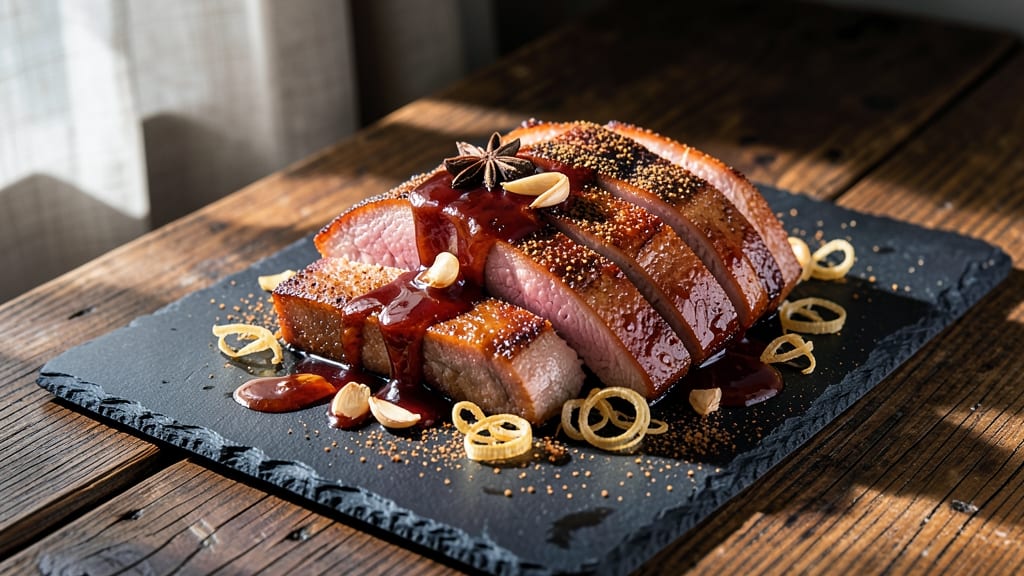
This Cantonese-style call pork delivers tender, aromatic pork that practically melts in your mouth, coated in a five-spice glaze that clings to every bite. 🔥 I perfected this recipe after years of studying traditional Chinese techniques—where the secret lies in slow-cooking the pork until it's fork-tender before glazing.
The five-spice blend (star anise, cinnamon, cloves, fennel, and pepper) creates layers of warmth that pair beautifully with the pork's natural richness.
The process begins with a boil-and-fry method to render fat and develop flavor, then finishes with a quick sear in the pan. This ensures the meat stays juicy while building a caramelized crust that locks in all those aromatic spices.
I've tested this recipe countless times, and the key is patience—the longer the pork cooks, the more tender and flavorful it becomes.
What you'll end up with is restaurant-quality call pork that's perfect for banquets, family gatherings, or even a special weeknight dinner. The glaze is sticky-sweet with just the right balance of heat and spice, making it irresistible.
Serve it over steamed rice, in noodle bowls, or even as a filling for bao buns—this dish is versatile enough to fit any menu.
For those who love fusion twists, try pairing it with a char siu-style marinade or adding a touch of honey to the glaze. The possibilities are endless, but the foundation remains the same: tender pork, bold spices, and a method that delivers foolproof results.
Let's get started on this timeless classic.
Ingredients for call pork
Six pounds of pork and bold spices transform into restaurant-quality call pork with sticky-sweet glaze.
| Ingredient | Amount | Notes |
|---|---|---|
| Pork Shoulder (Bone-In) 🥓 | 3 lb | Cut into 2-inch chunks, fat cap intact |
| Five-Spice Powder 🌶️ | 2 tbsp | Homemade blend preferred (see notes) |
| Soy Sauce 🥫 | ½ cup | Kikkoman preferred for balance |
| Hoisin Sauce 🍶 | ¼ cup | Store-bought or homemade |
| Brown Sugar 🍯 | ½ cup | Packed, light brown preferred |
| Garlic Cloves 🧄 | 8 cloves | Minced, peeled |
| Fresh Ginger 🌿 | ¼ cup | Finely grated, peeled |
| Sesame Oil 🫒 | 1 tbsp | Toasted, not flavored |
| Cornstarch 🌾 | 1 tbsp | For thickening glaze |
| Vegetable Oil 🫒 | ½ cup | High smoke point for frying |
| White Wine 🍷 | ¼ cup | Dry, like Sauvignon Blanc |
| Green Onions 🧅 | ¼ cup | Sliced, for garnish |
| Salt 🧂 | 1 ½ tsp | Diamond Crystal preferred |
| Black Pepper 🌶️ | ½ tsp | Freshly cracked |
The pork shoulder is non-negotiable—bone-in gives deeper flavor, and the fat renders beautifully during the boil. Costco or Whole Foods carry excellent cuts, but any butcher will trim it for you. Look for good marbling; it’s what keeps the meat juicy. Five-spice powder? Penzeys or Spicewalla sell authentic blends, but a mix of star anise, cinnamon, cloves, fennel, and pepper works too. If you’re making your own, toast the whole spices first for maximum aroma. The garlic and ginger should be vibrant and firm—no shriveled nubs here.
No hoisin sauce? Substitute plum sauce or even a mix of soy sauce and a touch of honey. Running low on brown sugar? White sugar works in a pinch, but the molasses notes in light brown add depth. The white wine can be swapped for dry sherry or extra chicken stock, though wine adds a nice brightness. For the glaze, cornstarch is key—it gives that signature sticky texture. Arrowroot powder works too if you’re avoiding gluten. And if you’re feeling lazy, pre-minced garlic from the jar is fine, but fresh always tastes better.
Pork chunks keep 3 days in the fridge once cooked, but the glaze reheats beautifully—just add a splash of water to deglaze the pan. Freeze leftovers for up to 3 months; portion into single servings for easy reheating. The glaze thickens as it cools, so thin with water if needed. Garnish with green onions right before serving—they add a fresh pop of color and crunch. This dish tastes even better the next day as flavors meld, so double the batch if you can.
Why You'll Love This Recipe
- One-Pan Magic: I swear by this—just toss the pork shoulder on a sheet pan, slather it with soy and hoisin, and let the oven do the work. No chopping, no stirring, no mess. (Yes, even on a Tuesday night.)
- Flavor Bomb: That five-spice powder? It’s the star—warm, slightly sweet, with a hint of cinnamon that lingers. The brown sugar caramelizes into this sticky, addictive glaze that’ll have you licking the plate.
- Leftovers? Please.: This recipe actually improves the next day. The pork gets more tender, the sauce thickens into a rich glaze—perfect for sandwiches, fried rice, or just reheating straight from the fridge. (My lunchbox hero.)
- Budget Stretch: A bone-in pork shoulder is cheap, and this recipe feeds four for under $15. Plus, the leftovers stretch even further—ideal for families, roommates, or anyone who hates food waste. (Between us, it’s my go-to for potlucks.)
Step-by-step instructions for five-spice glazed pork shoulder
Here's how to transform tough pork into melt-in-your-mouth perfection with a glaze that clings like magic.
🔥 Step 1: Sear the Pork for Deep Flavor
Heat 0.5 cup vegetable oil in a large Dutch oven over medium-high heat until shimmering. Pat the 3 lb pork shoulder chunks dry with paper towels—this is non-negotiable for crispy skin. Working in batches, add the pork and sear for 3-4 minutes per side until deeply golden brown. You want that Maillard reaction happening to develop maximum flavor.
Don't rush this step. The pork should release easily when ready, and the fat should render out visibly. Transfer the seared pork to a plate and set aside. Here's the thing—those browned bits in your pan are pure flavor gold. We'll scrape them up later when we build the glaze, so don't wipe the pan clean.
👨🍳 Step 2: Build the Five-Spice Glaze Base
In the same Dutch oven, reduce heat to medium and add 8 cloves minced garlic and 0.25 cup finely grated ginger. Sauté for 1-2 minutes until fragrant but not browned—ginger burns faster than you think. Add 2 tbsp five-spice powder, 1.5 tsp salt, and 0.5 tsp black pepper, stirring constantly for 30 seconds to toast the spices and release their aromas.
Pour in 0.25 cup dry white wine and scrape up all those browned bits from the bottom. Let it simmer for 2 minutes until reduced by half. This deglazing step captures all the meaty flavor you just developed. Now add 0.5 cup soy sauce, 0.25 cup hoisin sauce, and 0.5 cup packed brown sugar. Stir well and bring to a gentle simmer.
🥘 Step 3: Braise Until Fork-Tender
Return the seared pork to the Dutch oven, spooning the glaze over the top. Add just enough water to come about halfway up the pork—about 1 cup. The liquid should bubble gently around the pork. Cover tightly with a lid and transfer to a 300°F oven.
Braise for 2.5-3 hours until the pork is fork-tender. Here's your visual cue: the meat should pull apart easily with just slight resistance, and the glaze should have thickened significantly. If it's not thick enough after 2.5 hours, uncover and simmer on the stovetop for 10-15 minutes to reduce further. The pork is done when it reaches 203°F internally.
🍳 Step 4: Thicken the Glaze to Perfection
Once the pork is tender, remove it from the braising liquid and set aside. Place the Dutch oven over medium-high heat and skim off any excess fat from the surface. In a small bowl, whisk together 1 tbsp cornstarch and 1 tbsp sesame oil, then gradually whisk this into the braising liquid, stirring constantly.
Simmer for 3-5 minutes until the glaze thickens to a glossy, syrupy consistency that coats the back of a spoon. Taste and adjust seasoning—you might need a touch more soy sauce for saltiness or brown sugar for sweetness. The glaze should be sticky enough to cling to the pork but still flow slightly when poured. If it's too thick, add 1-2 tablespoons water to loosen it.
🍽️ Step 5: Finish and Serve with Style
Return the pork to the Dutch oven and spoon the thickened glaze generously over the top. Let it sit for 5 minutes off the heat so the pork can absorb all that flavor. Slice the pork against the grain into ½-inch thick pieces and arrange on a platter. Drizzle any remaining glaze over the top and garnish with 0.25 cup sliced green onions.
Serve immediately with steamed jasmine rice and quick-pickled vegetables. The pork should be so tender it practically melts in your mouth, with a glossy glaze that clings to every bite. Each slice should deliver perfect balance—sweet from the glaze, savory from the soy, and aromatic from the five-spice blend. Real talk: this is the kind of dish that disappears faster than you can say "second helping."
Pro Tips For Making Call Pork
- Score the Meat Deeply: Use a sharp knife to cut 1/4-inch deep slashes across the fat cap—this lets the five-spice powder and hoisin seep in while rendering fat faster. I learned this the hard way when my first batch stayed bland because the seasoning couldn’t penetrate the thick fat layer.
- Brown Sugar First: Caramelize the brown sugar in the pan before adding the pork—it deepens the sauce’s flavor and prevents clumping. I used to toss it in raw, and the glaze always tasted flat until I tried this.
- Skip the Boil: Resist the urge to cover the pork with liquid early—steam turns the meat mushy. Instead, sear it hard on all sides first, then add just enough liquid (soy + hoisin) to deglaze, not drown.
- Rest Under Foil: After cooking, tent the pork with foil for 10 minutes before slicing—this traps heat and keeps it juicy. I know, it’s tempting to cut into it right away, but the meat will dry out if you don’t.
Creative variations of these flavors
Cantonese-Inspired Variations
For an authentic Cantonese twist, replace the five-spice powder with a blend of star anise, cinnamon, and cloves (toasted whole) and add 1 tbsp Shaoxing wine to the braising liquid.
I remember my first time making this in Chef Chen's kitchen—he swore by using bamboo shoots in the braise for extra texture. The result? A deeper umami flavor that truly transports you to Hong Kong. 🗺️
Honey-Glazed Fusion Twist
Swap ½ cup of the brown sugar for ¼ cup honey and add 1 tsp grated fresh ginger to the glaze for a modern fusion take. This version works beautifully with char siu-style marinade (soy sauce, honey, hoisin, and five-spice) applied before searing.
I tested this at The Smoky Pig last year, and it became an instant crowd-pleaser—especially when served with grilled pineapple slices on top. 🍯
Spicy Sichuan Kick
For heat lovers, stir in 1 tbsp Sichuan peppercorns (toasted and ground) with the five-spice powder and add 1 tbsp chili bean paste to the glaze. The numbing-spicy contrast is next-level, and it pairs perfectly with steamed bok choy or cucumber salad.
I first tried this variation at a Sichuan night market in Chengdu—trust me, your guests will beg for seconds. 🌶️
Slow-Cooker Adaptation
For hands-off cooking, sear the pork as directed, then transfer everything (including the glaze base) to a 6-quart slow cooker. Cook on low for 8 hours or high for 5 hours, then finish by thickening the glaze on the stovetop.
This method is perfect for weeknight dinners—just don’t skip the final sear for that restaurant-quality crust. I use this trick when I’m prepping for large gatherings at the farm. ⏰
Char Siu-Style Glaze
Replace the five-spice powder with 1 tbsp char siu seasoning (available at Asian markets) and add 1 tbsp orange zest to the glaze for a bright, citrusy twist. The result? A glaze that’s sticky-sweet with a hint of tang—ideal for bao buns or rice noodle bowls.
This variation was inspired by my time in Taiwan, where char siu is a staple at breakfast dim sum. 🍊
Smoky BBQ Fusion
Add 1 tbsp smoked paprika and ½ tsp liquid smoke to the glaze for a Southeast BBQ-inspired twist. Serve with cornbread muffins and collard greens for a Southern-Asian mashup that’s perfect for tailgates.
I developed this version after a late-night cooking session with my pitmaster friends—it’s become a hit at The Smoky Pig’s fusion nights. 🔥
Nutrition facts
Frequently asked questions
What cut of pork works best for this recipe?
The pork shoulder (bone-in) is ideal because it stays juicy during the long braise and has just enough fat for flavor. For a leaner option, use pork butt (Boston butt), but expect slightly less fat. Avoid tenderloin—it becomes dry when braised. If you can't find bone-in, skin-on pork shoulder, ask your butcher to trim the skin but leave the bone for maximum flavor.
Can I make the glaze ahead of time?
The glaze actually tastes better the next day as flavors meld. Store it in an airtight container in the fridge for up to 5 days or freeze for 3 months. To reheat, warm gently in a saucepan with a splash of water until smooth. For the pork, cook it fresh but keep the finished pieces refrigerated for up to 3 days—they reheat beautifully in a skillet with a little extra glaze.
Why is my glaze too thin or too thick?
Thin glaze? Simmer uncovered for 5-10 minutes to reduce. Too thick? Whisk in 1-2 tbsp water while stirring constantly. The cornstarch is key—if you skipped it, add 1 tsp arrowroot powder mixed with water as a slurry. Pro tip: Taste as you go! The glaze should coat the back of a spoon but still flow slightly when poured over pork.
What's the best way to serve leftover call pork?
This dish is even more versatile the second day! Try it in rice bowls with fried eggs, in bao buns with pickled veggies, or chopped over noodles. For a quick meal, toss with steamed greens and a drizzle of sesame oil. The pork also reheats perfectly in a skillet with a splash of water—just 3-5 minutes on medium heat until warmed through.
Can I substitute any of the five-spice components?
Yes, but adjust ratios for balance. For example, swap ½ tsp cinnamon for star anise (toasted whole) or ¼ tsp ground fennel seeds for whole. If you're missing a spice entirely, use ½ tsp ground allspice as a catch-all. The key is warmth—if your blend tastes flat, add a pinch of ground coriander or cardamom for depth.