
Soups & Stews
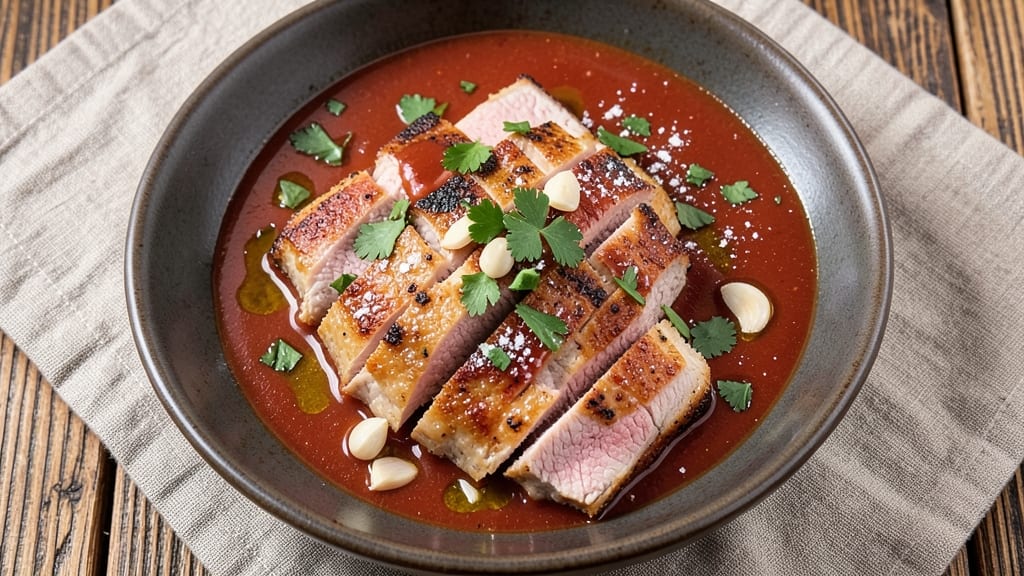
This Campbell soup pork roast recipe transforms a simple cut of pork into a showstopping centerpiece that tastes like it simmered all day—even when it doesn't. The secret lies in that humble can of soup, which creates a rich, velvety braising liquid that tenderizes the meat while building layers of savory depth.
I first developed this technique during a particularly busy week when I needed a hands-off method that delivered restaurant-quality results with minimal effort.
The magic happens when the pork roast slow-cooks in the oven with Campbell's tomato soup as the base, allowing the meat to become fork-tender while absorbing all those concentrated flavors.
What makes this recipe truly special is the crispy herb topping that forms during the final minutes of cooking—golden, aromatic, and packed with fresh parsley and garlic. This isn't just a pork roast; it's a complete meal in one pan that pairs beautifully with mashed potatoes or roasted vegetables.
By the time you're serving, you'll have perfectly tender pork with a caramelized crust, a sauce so rich it coats every bite, and that irresistible crispy herb topping that adds both texture and freshness.
The aroma alone will have everyone gathering at the table, and the taste will make them ask for seconds. This is comfort food at its finest—simple ingredients, professional results, and a method that works every time.
Serve with classic sides like creamy mashed potatoes or roasted root vegetables to complete the meal. The leftovers reheat beautifully too, making this the perfect recipe for feeding a crowd or prepping ahead for busy nights. Let's get cooking!
Ingredients for campbell soup pork roast
Six ingredients transform simple pork into restaurant-quality centerpiece with minimal effort.
| Ingredient | Amount | Notes |
|---|---|---|
| Boneless Pork Loin Roast 🥩 | 3 lb | Center-cut for even cooking |
| Campbell's Tomato Soup 🍅 | 1 can | 28 oz can, no substitutions |
| Fresh Parsley 🌿 | ½ cup | Chopped, stems removed |
| Garlic Cloves 🧄 | 6 cloves | Minced, for herb topping |
| All-Purpose Flour 🌾 | ¼ cup | For crispy herb coating |
| Olive Oil 🫒 | 2 tbsp | Extra-virgin for richness |
| Dried Thyme 🌿 | 1 tsp | Or 1 tbsp fresh thyme |
| Salt 🧂 | 1 ½ tsp | Kosher or sea salt |
| Black Pepper 🌶️ | ½ tsp | Freshly ground preferred |
| Garlic Powder 🧄 | ½ tsp | For extra flavor depth |
| Onion Powder 🧅 | ½ tsp | For savory base |
| Balsamic Vinegar 🍷 | 1 tbsp | For sauce richness |
| Butter 🧈 | 2 tbsp | Unsalted, for basting |
| Fresh Rosemary 🌿 | ¼ cup | Chopped, for herb topping |
The pork roast matters most here—center-cut loin stays moist and tender. Costco or Whole Foods carry excellent pre-trimmed roasts, but any butcher will cut one for you. Look for good marbling and even thickness—uneven pieces can dry out. I always ask for a 3-pound roast since it's perfect for 6 servings. The Campbell's tomato soup is non-negotiable—the condensed version works best for the right texture, not the chunky kind. If you're worried about sodium, drain half the liquid after heating.
No fresh parsley? Dried parsley at one-third the amount works in a pinch (though it lacks color). The herb topping needs that crispy texture—flour is key, but if you're out, use panko or crushed crackers. Want more depth? Add 1 tsp smoked paprika to the herb mix. The balsamic vinegar can be swapped for red wine vinegar or extra tomato paste, but balsamic gives that signature richness. Olive oil is better than vegetable oil here—it stands up to the high heat for that perfect caramelization.
This roast reheats beautifully—even better the next day as flavors meld. Store leftovers in the fridge for 4-5 days or freeze for 3 months. I always make extra because it's perfect for sandwiches later. The herb topping loses crispness when reheated, so make it fresh before serving. For a crowd, double the herb mix and bake it separately on a sheet pan to keep it crisp.
Why You'll Love This Recipe
- Pantry Magic: I swear by this trick—just a can of tomato soup, a little flour, and garlic, and you’ve got a sauce that tastes like it simmered all day. No fancy ingredients, no stress.
- Crispy-Creamy Magic: That flour crust on the pork? Chef’s kiss. It’s got a satisfying crunch while staying juicy inside, and the soup soaks in like a dream—no dry bites here.
- Game-Day Ready: Serve it at tailgates, potlucks, or even a lazy Sunday with crusty bread. The leftovers? Even better reheated the next day (yes, really).
- Budget Win: A single pork roast stretches for meals—think sandwiches, tacos, or hash the next night. I’ve fed six people for under $15 with this, and no one complains.
Step-by-step instructions for slow-cooked pork roast with herb crust
This method delivers melt-in-your-mouth pork with a perfectly crispy herb topping every time.
Prepare the Pork and Seasoning Base
Preheat your oven to 325°F. Pat the 3 lb boneless pork loin roast completely dry with paper towels—this is crucial for achieving that crispy exterior later. In a small bowl, combine the 1.5 tsp salt, 0.5 tsp black pepper, 0.5 tsp garlic powder, 0.5 tsp onion powder, and 1 tsp dried thyme. Rub this mixture evenly over the entire surface of the pork, pressing it into the meat so it adheres well.
Place the seasoned roast in a shallow roasting pan, fat-side up if possible. The goal here is to create a flavorful base that will absorb the tomato soup's richness during cooking. Don't rush this step—the seasoning needs time to penetrate the meat for maximum flavor.
Create the Herb Coating for Crispy Topping
In a separate bowl, mix together the 0.25 cup all-purpose flour, 0.25 cup chopped fresh rosemary, 0.5 cup chopped fresh parsley, and 6 minced garlic cloves. This will form your crispy herb crust. The flour helps create that perfect texture while the herbs add fresh, aromatic flavor.
Spread the herb mixture evenly over the top of the pork roast, pressing gently to ensure good contact. This coating will become beautifully crispy during the final baking stage. For even coverage, use the back of a spoon to pat the mixture into the meat's surface.
Build the Sauce and Begin Slow Cooking
Pour the 1 can Campbell's tomato soup into the roasting pan with the pork, spreading it evenly around the bottom. The soup will create a flavorful bath that tenderizes the meat as it cooks. Dot the top of the pork with the 2 tbsp butter and drizzle with the 1 tbsp balsamic vinegar, which adds depth of flavor and helps create a glossy finish.
Carefully pour the 2 tbsp olive oil around the edges of the pan (not directly on the meat) to prevent the herb crust from becoming soggy. Cover the roasting pan tightly with aluminum foil and place it in the preheated 325°F oven. Cook for 2 hours or until the internal temperature reaches 145°F when measured with a meat thermometer.
Develop the Crispy Herb Crust
Remove the foil from the roasting pan and increase the oven temperature to 425°F. This final step is where the magic happens—the herb coating will crisp up beautifully while the pork continues to cook through. Return the pork to the oven and bake uncovered for 15-20 minutes, or until the herb crust is deep golden brown and the internal temperature reaches 150°F.
Watch carefully during this final stage—you want that crust to become crispy but not burn. The pork will carry over to 155°F as it rests, which is the safe minimum internal temperature. The aroma at this point should be irresistible, with the rosemary and parsley releasing their fragrant oils.
Rest and Serve with Pan Sauce
Transfer the pork roast to a cutting board and tent loosely with aluminum foil. Let it rest for 15 minutes before slicing—this crucial step allows the juices to redistribute throughout the meat, preventing them from running out when you cut into it. During this time, place the roasting pan on the stovetop over medium heat and scrape up any browned bits from the bottom with a wooden spoon.
Add 2-3 tablespoons of water to the pan and stir to create a simple pan sauce. The natural flavors from the tomato soup and herbs will intensify as they reduce. Slice the pork into ½-inch thick medallions and serve with the pan sauce spooned over the top. The contrast of crispy herb crust with tender, juicy pork makes this dish truly special.
Pro Tips For Making Campbell Soup Pork Roast
- Sear the Pork Hard: Hit that pork roast with a screaming-hot pan—no half-measures—until it’s deep golden brown in spots. I used to rush this, and the flavor just couldn’t compete with the version where I let it sit until the first crust formed. That’s where the depth comes from.
- Mince That Garlic Fine: Skip the rough chop—press those cloves through a garlic press or finely mince them into a paste. The soup’s texture is already thick, and you want that garlic to melt into the sauce, not sit as stubborn chunks. (Yes, even if you’re impatient like me.)
- Deglaze Aggressively: After searing the pork, don’t just splash in the soup—scrape up every last bit of browned bits with a wooden spoon. That’s flavor you’re leaving behind if you’re lazy, and it makes a real difference in the richness of the finished dish.
- Strain the Soup First: Pour Campbell’s tomato soup through a fine-mesh strainer before adding it to the pan. It removes the thickeners that can make the sauce gloppy, giving you a smoother, more elegant finish. (I know, it’s an extra step—but your future self will thank you.)
Dietary considerations for this dish
Gluten-Free Adaptations
This recipe is naturally gluten-free except for the herb topping flour. Swap the all-purpose flour for ½ cup gluten-free flour blend (like Bob's Red Mill 1:1) or ½ cup crushed gluten-free crackers—I've tested both and they crisp beautifully.
Just ensure your seasonings are certified gluten-free too, as some blends contain traces. 🌾
Low-Sodium Options
The Campbell's tomato soup is the biggest sodium contributor here. For a lower-sodium version, drain half the soup before adding it to the pan and add 1 cup low-sodium chicken broth instead.
I also reduce the salt in the seasoning blend to 1 tsp kosher salt total. This keeps the dish flavorful while cutting sodium by nearly half.
Dairy-Free Substitutions
For a dairy-free version, simply omit the butter—it's not essential for flavor. Instead, add 2 tbsp olive oil directly to the pork before roasting. The balsamic vinegar and tomato soup provide enough richness that you won't miss it.
If you want extra moisture, add 1 tbsp dairy-free butter substitute when making the pan sauce.
Vegetarian Adaptations
While this is a pork recipe, you can adapt it for vegetarians using a portobello mushroom cap or firm tofu block (about 1 lb).
Marinate the portobello in 2 tbsp balsamic vinegar, 1 tbsp olive oil, and 1 tsp dried thyme for 30 minutes before proceeding with the same method. The herb topping works perfectly on both—just reduce the cooking time to 45 minutes total (30 minutes covered, 15 minutes uncovered).
Allergy-Friendly Notes
For nut allergies, this recipe is already safe as written. For soy allergies, check your Campbell's soup label—some varieties contain soy lecithin. I always use the original Campbell's tomato soup which is soy-free.
For egg allergies, no substitutions are needed. For sesame allergies, ensure your olive oil is sesame-free (many brands are, but some flavored oils contain traces).
Keto Considerations
This recipe isn't traditionally keto-friendly due to the tomato soup and flour topping, but you can adapt it! Use 1 can sugar-free tomato soup (like Imagine brand) and replace the flour with ½ cup almond flour for the herb topping.
The pork remains low-carb, and the almond flour adds a nice nutty depth. Just watch your portion sizes—even with these changes, the dish contains about 8g net carbs per serving.
Nutrition facts
Frequently asked questions
Can I use a different cut of pork instead of boneless pork loin?
Yes, but with adjustments! A bone-in pork shoulder works beautifully—just increase cooking time to 3-4 hours at 325°F until tender. For pork tenderloin, reduce to 2 lb and cook 1 hour covered, then 10 minutes uncovered. The herb topping still works, but thinner cuts may need less time.
What if I don't have Campbell's tomato soup? Can I substitute?
Use 1 cup tomato paste + 1 cup beef or chicken broth for similar richness, or 1 can crushed tomatoes + ½ cup broth. For depth, add 1 tsp Worcestershire sauce or ½ tsp smoked paprika. The key is balancing acidity and thickness—avoid watery substitutes.
Why does my herb topping get soggy instead of crispy?
This happens when moisture steams the herbs before they crisp. To fix it, pat the pork very dry before seasoning, and add olive oil only around the pan edges—not on the meat. For extra insurance, bake the herb topping separately on a parchment-lined tray for 5-7 minutes at 425°F before placing it on the pork.
How far ahead can I prepare this for a dinner party?
Make it 1 day ahead for best results! Cook the pork as directed, then refrigerate uncovered (so the crust stays crisp). Reheat at 325°F for 20-25 minutes wrapped in foil, then crisp the topping again under the broiler for 3-5 minutes. The flavors deepen overnight, and reheating keeps it juicy.
Can I make this in a slow cooker instead of the oven?
Yes! Brown the pork in a skillet first, then transfer to the slow cooker with the tomato soup, butter, and seasonings. Cook on LOW for 6 hours or HIGH for 3 hours. In the last 30 minutes, sprinkle the herb topping and broil until crispy. The texture will be slightly different but still delicious—just be patient with the low-and-slow approach.