
Main Courses
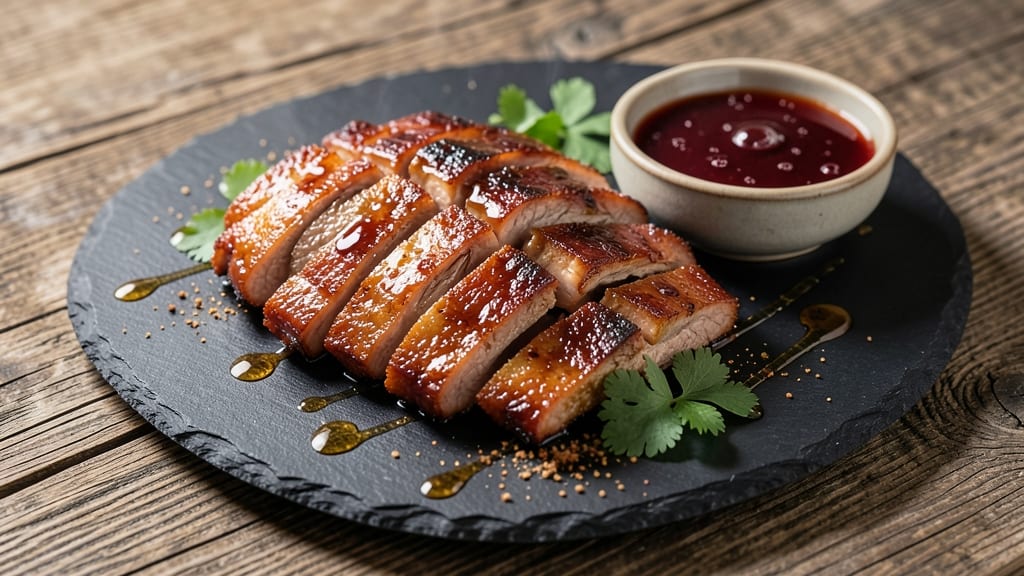
This Cantonese char siu pork recipe brings the bold flavors of Hong Kong's legendary BBQ to your kitchen with a perfect balance of sweet, smoky, and aromatic spices. 🔥 The five-spice glaze caramelizes beautifully mid-cook, creating that signature glossy finish that makes every bite irresistible.
I've perfected this technique after years of studying traditional Cantonese pit-roasting methods, and it's the recipe I turn to when I want that authentic restaurant taste at home.
The secret lies in the marinade—five-spice powder, honey, and hoisin sauce work together to transform simple pork into something extraordinary. Unlike many recipes that rely on soy sauce, this version uses a blend of traditional Cantonese seasonings that create depth without overpowering the natural sweetness of the pork.
The key is patience: letting the meat marinate for at least 12 hours (or overnight) ensures maximum flavor penetration.
What you'll end up with is tender, juicy pork with a caramelized crust that's sticky and slightly crisp, perfect for slicing and serving over steamed rice. The aroma alone will have everyone gathering around your table, and the flavor—sweet with a hint of smokiness—is pure comfort food at its finest.
This is the kind of dish that tastes like home, whether you're celebrating a special occasion or just craving something familiar.
For the full Cantonese experience, serve with steamed jasmine rice and quick-pickled vegetables to balance the richness. The recipe scales beautifully, so you can easily double it for gatherings. Let's get started on making this iconic dish that's been a staple in Cantonese BBQ for generations.
Ingredients for cantonese char siu pork
The perfect blend of sweet, smoky, and aromatic Cantonese flavors transforms simple pork into something extraordinary.
| Ingredient | Amount | Notes |
|---|---|---|
| Boneless Pork Shoulder 🥓 | 3 lb | Cut into 1-inch thick slices |
| Five-Spice Powder 🌶️ | 2 tbsp | Authentic Chinese blend preferred |
| Hoisin Sauce 🍶 | ½ cup | Store-bought or homemade |
| Honey 🍯 | ½ cup | Wildflower or clover variety |
| Light Soy Sauce 🥄 | ¼ cup | Kikkoman preferred |
| Shaoxing Wine 🍷 | ¼ cup | Substitute with dry sherry |
| Garlic Cloves 🧄 | 8 cloves | Minced for marinade |
| Fresh Ginger 🌿 | ½ cup | Finely grated, peeled |
| Sesame Oil 🫒 | 1 tbsp | Toasted for aroma |
| Brown Sugar 🍚 | ¼ cup | Packed tightly |
| Red Fermented Beans 🌶️ | 2 tbsp | Crushed for texture |
| Vegetable Oil 🫒 | 2 tbsp | High smoke point |
| Cornstarch 🌾 | 1 tbsp | For glaze consistency |
| Sesame Seeds 🌿 | 1 tbsp | Toasted for garnish |
The pork shoulder is the star here—look for well-marbled cuts at your local Asian market or butcher shop. Costco or Whole Foods usually carry high-quality boneless pork shoulders that work perfectly. If you can't find boneless, trim the fat yourself—just leave a thin layer for flavor. The five-spice powder is non-negotiable; Penzeys or Asian grocery stores carry authentic blends that make all the difference. Fresh ginger and garlic should be bright and aromatic—if they smell dull, skip them. For Shaoxing wine, Trader Joe's has a decent substitute if you can't find it at an Asian market.
No five-spice powder? Mix 1 tsp each of ground star anise, fennel, cinnamon, clove, and peppercorn—it's not identical, but it works in a pinch. Substituting honey? Maple syrup works, but reduce by 1 tbsp to account for water content. Shaoxing wine unavailable? Dry sherry is the next best thing—just don't use sweet dessert wine. The hoisin sauce can be homemade (just blend soy sauce, garlic, vinegar, and sugar) or store-bought (Lee Kum Kee is reliable). For a deeper smoky flavor, add 1 tsp smoked paprika to the marinade. The red fermented beans add that signature Cantonese umami—skip them only if you can't find them, but the dish will taste flatter.
Marinate the pork for at least 12 hours (overnight is best) in a sealed container in the fridge. The longer it sits, the more tender and flavorful it becomes. When ready to cook, pat the pork dry—this helps the glaze caramelize properly. Double-check your oven temperature—char siu needs to roast at 375°F for even cooking. Leftovers keep for 4-5 days in the fridge, but honestly, they reheat even better the next day. For serving, slice against the grain and garnish with toasted sesame seeds—that extra minute of toasting makes all the difference. Freeze portions for up to 3 months if you're prepping ahead.
Why You'll Love This Recipe
- Fewer Ingredients, Bigger Bang: The pantry probably already has half of what you need—just pork, five-spice, and a few staples. No fancy marinades or obscure spices lurking in your cupboard. Honestly, I’ve made this three times with exactly what I had on hand.
- Sweet-Savory Magic: That sticky-sweet glaze? It’s the kind of flavor you’ll lick the plate for—honey and hoisin team up to caramelize the edges while the five-spice keeps it warm and earthy. The contrast is ridiculously good, especially when it’s crispy outside but tender inside.
- Leftovers That Don’t Bore: Slice it thin for rice bowls, chop it into fried rice, or just eat it straight from the fridge. It stays moist for days, and honestly? I’ve had it cold, reheated, and even in sandwiches—still tastes like a celebration.
- One-Pan, Zero Stress: Marinate while you prep dinner, roast it alongside veggies, and boom—done. The pork cooks itself while you handle the rest, and cleanup is just one sheet pan. (Yes, even on a Tuesday night.)
Step-by-step instructions for Cantonese char siu pork
Here's how to achieve that signature glossy caramelized crust—authentic Cantonese technique made simple.
👨🍳 Step 1: Marinate the Pork for Maximum Flavor
Slice the 3 lb boneless pork shoulder into 1-inch thick slices, cutting against the grain for tender bites. In a large bowl, whisk together the 2 tbsp five-spice powder, 0.5 cup hoisin sauce, 0.25 cup light soy sauce, 0.25 cup shaoxing wine, 0.5 cup finely grated fresh ginger, and 0.25 cup packed brown sugar until the sugar dissolves completely. This creates the flavor base that penetrates the meat.
Add the pork slices to the marinade, turning them to coat evenly. Cover and refrigerate for at least 4 hours (overnight is ideal). Here's the thing—this long marinade time ensures the five-spice blend infuses deeply, while the ginger and sugar begin breaking down the meat's surface proteins for that signature tender texture.
🍳 Step 2: Build the Glossy Sauce
In a small saucepan, combine 0.5 cup honey, 1 tbsp sesame oil, 1 tbsp cornstarch, and 2 tbsp crushed red fermented beans. Cook over medium heat for 5-7 minutes, stirring constantly, until the mixture thickens to a glossy, syrupy consistency. You're aiming for something that coats the back of a spoon—this will become your caramelized glaze.
Remove from heat and let cool slightly. The cornstarch acts as a thickener, while the fermented beans add that authentic umami depth. If the sauce thickens too much while cooling, whisk in 1-2 teaspoons of hot water to restore the perfect pouring consistency.
🔥 Step 3: Roast Until Caramelized Perfection
Preheat your oven to 425°F and line a baking sheet with aluminum foil (for easy cleanup). Arrange the marinated pork slices in a single layer, leaving ½-inch between each piece. Roast for 15 minutes to render some fat and set the marinade.
After 15 minutes, brush each pork slice generously with the honey glaze, working quickly so the glaze doesn't set. Return to the oven and roast for another 10-12 minutes until the pork reaches an internal temperature of 145°F and develops a deep amber caramelized crust. Here's the moment that matters: the glaze should bubble and thicken as it cooks, creating that signature glossy finish.
🍽️ Step 4: Rest and Garnish for Presentation
Transfer the char siu to a cutting board and let it rest for 10 minutes before slicing. This resting period allows the juices to redistribute, ensuring each bite is moist and flavorful. While it rests, toast the 1 tbsp sesame seeds in a dry skillet over medium heat for 1-2 minutes until fragrant and golden.
Slice the pork against the grain into ½-inch thick pieces and garnish each serving with the toasted sesame seeds. The contrast of the nutty seeds against the sweet-savory pork creates that perfect visual and textural finish. Serve immediately with steamed jasmine rice to soak up all that delicious caramelized glaze.
Pro Tips For Making Cantonese Char Siu Pork
- Marinate Overnight (Not 30 Minutes): I learned this the hard way—rushing the marinade means the five-spice powder and hoisin just sit on the surface. Let the pork shoulder soak for at least 12 hours (or up to 24) in the fridge. The meat absorbs the flavors deeper, and the honey starts breaking down the proteins, making it tender without drying out.
- Use a Meat Thermometer (Not Guessing): Char siu needs to hit 145°F (63°C) internally before you even think about roasting. I used to pull it at 140°F and wonder why it was tough—pork shoulder needs that extra 5 degrees to relax properly. If you don’t have one, cut into a small piece raw first to check doneness.
- Skip the Crowding (Let It Sear): After marinating, pat the pork dry and sear it in a screaming-hot skillet for 2-3 minutes per side. I know, I know—you’re eager to get to the roasting part. But skipping this step means your glaze will stick like glue instead of caramelizing into a glossy crust. High heat first, then roast.
- Balance the Glaze (Hoisin to Honey Ratio): Too much honey and your char siu turns sticky; too much hoisin and it’s cloyingly sweet. Aim for a 2:1 ratio of hoisin to honey in your glaze (e.g., 3 tablespoons hoisin to 1.5 tablespoons honey). Taste as you go—adjust with a splash of light soy sauce if it’s too one-note. Trust me, your taste buds will notice the difference.
Wine and beer pairings for this dish
Sweet Honey Wines
Char siu's caramelized sweetness pairs beautifully with dry Riesling or Moscato d'Asti—their crisp acidity cuts through the richness while complementing the honey notes. I love Chateau Ste. Michelle Riesling from Washington State—its stone fruit flavors mirror the pork's caramelized glaze.
For a lighter option, Italian Prosecco with its gentle bubbles and citrus finish cleanses the palate between bites. 🍷
Smoky Japanese Sakes
For a more adventurous pairing, try smoked junmai sake—its charred rice aroma enhances the char siu's smoky undertones. I keep Suzukien Smoked Junmai on hand for special occasions; its deep umami profile bridges the gap between Cantonese and Japanese flavors.
Serve slightly chilled to highlight the sake's crispness against the warm pork. 🍶
Malty Asian Beers
Skip the heavy lagers and opt for Japanese black beer like Kirin Ichiban—its toasted malt notes harmonize with the char siu's caramelized crust. For a hoppier option, Sapporo Black Label provides a balanced bitterness that contrasts the sweetness.
I also enjoy Chinese Tsingtao with its clean finish, though it's lighter than the others. 🍺
Herbal Tea Pairings
If you prefer non-alcoholic options, jasmine green tea or pu-erh tea work wonders. The floral notes of jasmine tea complement the five-spice marinade, while aged pu-erh adds earthy depth that mirrors the fermented beans in the glaze. Brew pu-erh lightly to avoid overpowering the pork's sweetness. 🍵
Fruit Infusions
For a refreshing twist, infuse sparkling water with lychee or mango—the tropical fruit flavors enhance the char siu's natural sweetness. I make a quick infusion by adding 4-5 fresh lychee fruits or ½ cup mango chunks to a pitcher of chilled sparkling water.
Serve over ice for a vibrant contrast to the rich pork. 🍈
Nutrition facts
Frequently asked questions
Can I use pork loin instead of pork shoulder for char siu?
Pork loin works but requires adjustments. Since loin is leaner, slice it ½-inch thick and marinate for at least 16 hours to prevent drying. Reduce the oven temperature to 375°F and roast for 10-12 minutes total—watch closely to avoid overcooking. The texture will be more tender but less rich than shoulder.
What's the secret to getting that glossy caramelized crust?
The magic happens in the glaze! Use cornstarch to thicken the honey mixture properly, and brush it on just before the final roasting phase. Roast at 425°F for 10-12 minutes—the high heat causes the sugars to caramelize. For extra shine, add 1 tsp water to the glaze before brushing.
Can I make char siu in a slow cooker?
Not traditionally, but you can adapt it! Marinate the pork as directed, then place in a slow cooker on LOW for 4-5 hours with ¼ cup water. Add the glaze in the last 30 minutes and finish under a broiler for 2-3 minutes to caramelize. The texture will be more tender than oven-roasted but less crisp.
Why does my char siu turn out dry?
Overcooking or skipping the rest time are usually the culprits. Remove pork at 145°F internal temp (not 160°F) and let it rest 10-15 minutes before slicing. For extra moisture, add 1 tbsp vegetable oil to the marinade. If using lean cuts, reduce marinating time to 8-10 hours max to avoid toughness.
What's the best way to reheat leftover char siu?
Reheat gently to preserve moisture! Place slices in a skillet over medium-low heat with 1 tbsp water or broth, cover for 3-4 minutes until warmed through. For crispiness, broil for 1-2 minutes after reheating. Microwaving works in a pinch but makes the crust soggy—avoid it if possible.