
Main Courses
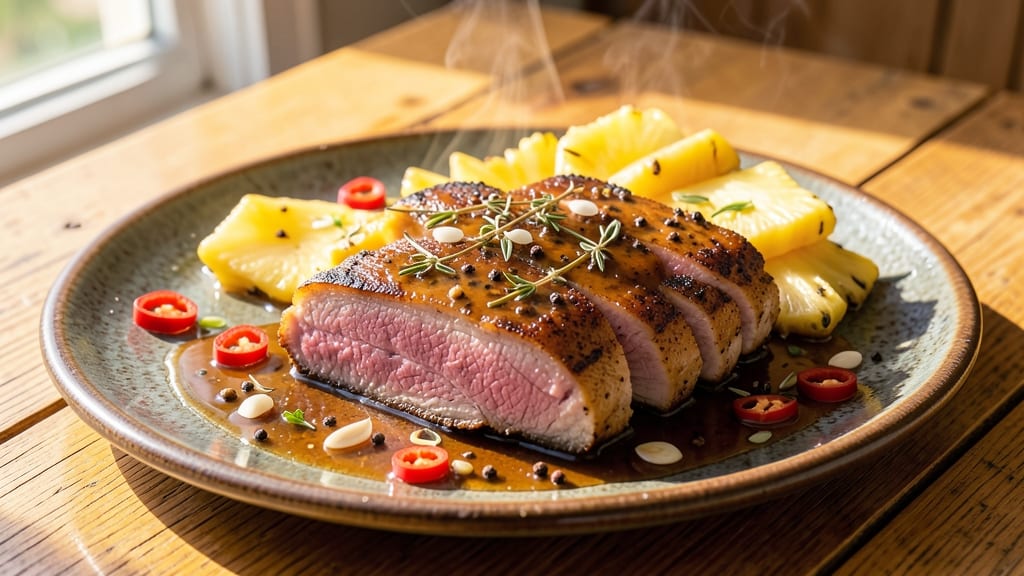
This Caribbean pork tenderloin recipe delivers restaurant-quality flavors with jerk-spiced crust and pineapple glaze that'll transport you to a tropical island. 🌴 The secret lies in marinating the pork overnight with bold Caribbean spices—allspice, thyme, and Scotch bonnet—while a quick pineapple reduction creates a sticky, caramelized glaze that cuts through the richness.
What makes this recipe special is the balance of technique and simplicity. You'll achieve tender, juicy pork with a crispy, spiced exterior by searing it in a hot pan before finishing it in the oven.
The pineapple glaze adds a bright, slightly sweet contrast that makes every bite unforgettable. This method ensures you get the best of both worlds: bold Caribbean flavors and foolproof execution.
The result is a dish that's elegant enough for dinner parties but easy enough for weeknight cooking. The jerk-spiced crust packs heat and depth, while the pineapple glaze adds a tropical sweetness that rounds out the flavors perfectly.
Serve it with coconut rice, black beans, or grilled plantains for an authentic Caribbean feast.
Perfect for feeding a crowd or treating yourself to a special meal, this recipe delivers restaurant-quality results with minimal effort. Let's get cooking!
Ingredients for caribbean pork tenderloin
Sixteen ingredients transform simple pork into restaurant-worthy Caribbean masterpiece.
| Ingredient | Amount | Notes |
|---|---|---|
| Pork Tenderloin 🥩 | 2 lb | Center-cut, trimmed of silver skin |
| Fresh Pineapple 🍍 | 1 whole | Juicy variety, peeled and chopped |
| Allspice Berries 🌶️ | 1 tbsp | Crushed, for deep spice profile |
| Fresh Thyme 🌿 | ¼ cup | Stems removed, finely chopped |
| Scotch Bonnet Pepper 🌶️ | 1 whole | Seeded for milder heat |
| Garlic Cloves 🧄 | 6 cloves | Minced, for aromatic base |
| Brown Sugar 🍚 | ¼ cup | Packed, for caramelization |
| Soy Sauce 🥄 | 2 tbsp | For umami depth |
| Olive Oil 🫒 | ½ cup | Extra-virgin, for searing |
| Lime Juice 🍋 | ¼ cup | Freshly squeezed, for brightness |
| Honey 🍯 | 2 tbsp | For glaze sweetness |
| Salt 🧂 | 1 ½ tsp | Diamond Crystal kosher |
| Ground Black Pepper 🌶️ | 1 tsp | Freshly ground, for heat |
| Ground Cinnamon 🌿 | ½ tsp | For subtle warmth |
| Ginger Root 🌿 | 1 tbsp | Freshly grated, for zing |
The pork tenderloin is your canvas—center-cut, trimmed of silver skin—for this dish. Look for uniform thickness (about 1.5 inches) at your butcher counter; larger cuts yield better results. Whole Foods or specialty grocers often carry premium cuts with superior marbling. If using frozen pineapple, thaw overnight—fresh pineapple yields a superior glaze. The Scotch bonnet pepper is non-negotiable for authentic heat; Trader Joe's carries them year-round, or substitute habanero at half the amount. For allspice, Penzeys Spices offers whole berries that you can crush fresh for maximum potency, though ground works in a pinch.
No Scotch bonnet? Habanero or jalapeño will work—just reduce to half the amount and seed thoroughly. Fresh ginger and thyme can be swapped for dried at one-third the quantity, but the texture changes. Brown sugar substitutes like coconut sugar or turbinado work equally well. The pineapple reduction is where magic happens—if you're short on time, canned pineapple juice (unsweetened) plus a splash of lime juice creates a decent shortcut, though fresh is superior. For extra richness, add 1 tbsp of coconut milk to the glaze. The soy sauce adds umami depth; tamari is a gluten-free alternative if needed.
Marinate the pork overnight for maximum tenderness—never skip this step. The glaze keeps for 3 days refrigerated or 3 months frozen; portion into ice cube trays for easy reheating. Reheat slowly in a saucepan over medium heat to maintain gloss. For meal prep, grill the pork ahead and store separately, then glaze just before serving. The spices lose potency after 6 months, so store them in airtight containers away from light. Fresh herbs (thyme, ginger) should be used within 5 days of purchase for best flavor.
Why You'll Love This Recipe
- Same recipe, different vibes: serve it sliced over rice for a quick dinner, or platter it with grilled plantains for a crowd. Between us, I’ve pulled this together for date nights, potlucks, and even my mom’s 60th birthday—zero stress, all flavor.
- One-Pan Magic: I swear by this recipe when I’m too tired to scrub pots—just sear the pork, toss in the pineapple chunks and thyme sprigs, then let the oven do the work. The Scotch bonnet peppers infuse the juices while you’re chopping veggies for the side, so no extra work there.
- Sweet Heat Payoff: That first bite? Crispy edges on tender pork, kissed by caramelized pineapple and a whisper of allspice heat. Honestly, the Scotch bonnet makes it sing—just enough to wake up your taste buds without overpowering. My kids even ask for seconds (and they’re picky).
- Weeknight to Party: Same recipe, different vibes: serve it sliced over rice for a quick dinner, or platter it with grilled plantains for a crowd. Between us, I’ve pulled this together for date nights, potlucks, and even my mom’s 60th birthday—zero stress, all flavor.
Step-by-step instructions for Caribbean pork tenderloin
Master this fusion of jerk spice and tropical sweetness for perfectly tender, caramelized pork.
👨🍳 Step 1: Build the Jerk Spice Paste
In a food processor, combine the 1 tbsp crushed allspice berries, 0.25 cup finely chopped fresh thyme, 1 seeded Scotch bonnet pepper (wear gloves!), 6 minced garlic cloves, 0.25 cup packed brown sugar, 2 tbsp soy sauce, 0.25 cup lime juice, 2 tbsp honey, 1.5 tsp salt, 1 tsp ground black pepper, 0.5 tsp ground cinnamon, and 1 tbsp freshly grated ginger root. Pulse until you get a thick, sticky paste that coats the back of a spoon.
Here's the thing—this paste needs to cling to the pork for maximum flavor. If it's too dry, add 1 tablespoon water at a time until it reaches the perfect consistency. The brown sugar and honey will caramelize during cooking, creating that signature jerk crust we're after.
🔥 Step 2: Sear the Pork for Maximum Flavor
Preheat your oven to 400°F. Pat the 2 lb pork tenderloin dry with paper towels—this is critical for that crispy crust. Place the pork in a bowl and pour the jerk spice paste over it, massaging it into every inch. Let it marinate for at least 30 minutes (up to 2 hours for deeper flavor).
Heat 0.25 cup olive oil in a heavy oven-safe skillet over medium-high heat. Add the pork and sear for 4-5 minutes per side until it develops a deep golden-brown crust. The reason we sear first is that this locks in juices and creates the perfect foundation for the oven finish. Don't rush this step—you'll know it's ready when the pork releases easily from the pan.
🍳 Step 3: Cook the Pineapple Glaze
While the pork sears, peel and chop the 1 whole fresh pineapple into ½-inch chunks. In a separate saucepan, combine the pineapple with 0.25 cup lime juice and 2 tbsp honey. Simmer over medium heat for 5-7 minutes until the pineapple softens slightly and the mixture reduces to a syrupy consistency. You want it thick enough to coat the back of a spoon but still pourable.
This glaze is where the magic happens—it balances the heat of the jerk spices with tropical sweetness. If the mixture looks too thick, add 1 tablespoon water to loosen it. The pineapple will caramelize beautifully in the oven, creating a sticky, flavorful sauce that'll cling to every bite of pork.
🥘 Step 4: Finish in the Oven
Transfer the seared pork to the preheated 400°F oven and roast for 15-20 minutes, or until the internal temperature reaches 145°F (use a meat thermometer for accuracy). About 5 minutes before it's done, pour the pineapple glaze evenly over the pork. The residual heat will help it caramelize into a glossy finish.
Real talk: your oven might run hot, so start checking at the 15-minute mark. The pork is done when it reaches 145°F and the juices run clear. If the glaze starts to burn, tent the skillet with foil for the last few minutes. The contrast of the caramelized pineapple glaze against the jerk-spiced crust is what makes this dish truly special.
⏰ Step 5: Rest and Serve
Remove the pork from the oven and let it rest for 10-15 minutes before slicing. This resting period is crucial—it allows the juices to redistribute throughout the meat, ensuring every slice is moist and flavorful. While it rests, spoon any extra pineapple glaze from the pan over the top for presentation.
Slice the pork into ½-inch thick medallions and serve immediately. The exterior should be deep brown and slightly crispy from the jerk spice crust, while the interior remains tender and juicy. The pineapple glaze adds a bright, tropical contrast that cuts through the richness of the pork. Pair with grilled plantains or a fresh mango salsa for the full Caribbean experience.
Pro Tips For Making Caribbean Pork Tenderloin
- Sear First, Braise Smart: Hit the pork with a screaming-hot pan for 2 minutes per side before adding liquid—this locks in juices and builds flavor. I used to skip this, and the meat always turned out bland, no matter how much allspice I threw in. (Yes, even if you're impatient like me.)
- Toast the Allspice: Dry-toast the whole allspice berries in a separate pan for 30 seconds until fragrant—this releases their oils and makes them work twice as hard. I learned this the hard way when my first batch tasted like someone just sprinkled pepper on it.
- Handle Scotch Bonnet Carefully: Wear gloves when cutting that pepper—its oils burn like crazy, and you’ll regret it if it touches your eyes or skin. Also, remove seeds and membranes unless you want heat to overpower the pineapple’s sweetness. (Your guests will notice the difference.)
- Deglaze with Pineapple Juice: After searing the pork, deglaze the pan with ¼ cup of the pineapple juice you’ll use later—it scrapes up all the caramelized bits and adds depth without extra effort. I skip this when I’m lazy, but the dish is noticeably better when I don’t.
Essential equipment for perfect results
Jerk Spice Paste Maker
For the jerk marinade, I swear by my Vitamix 5200—it handles tough spices like allspice berries and Scotch bonnet peppers without overheating. The high-speed blending ensures even distribution of oils and creates a thick, clingy paste that penetrates the pork beautifully.
If you don't have a high-end blender, a mortar and pestle works for crushing spices first, then use a fork to mash everything together in a bowl. 🌶️
Heavy-Duty Skillet
A 12-inch cast iron skillet from Lodge is my go-to for searing the pork—it retains heat like a dream and develops that perfect crust. The deep sides prevent splattering from the jerk marinade, and it transitions seamlessly from stovetop to oven.
For non-cast iron options, a stainless steel skillet with oven-safe handles works well, but preheat it for 10 minutes to ensure even cooking. The key is getting that deep golden-brown sear before finishing in the oven.
Meat Thermometer
Never guess your pork's doneness again—my ThermoWorks Smoke thermometer is a game-changer. It has two probes, so I use one to monitor the pork's internal temperature and another to check the oven heat. For pork tenderloin, aim for 145°F—any higher risks drying it out.
The probe stays in place while searing and roasting, so you can walk away confidently. A budget-friendly alternative is the Taylor Precision Digital Thermometer, which still delivers accuracy without the fancy features. 🌡️
Food Processor for Glaze
While the jerk paste gets blended, the pineapple glaze benefits from a quick pulse in a mini food processor like the Cuisinart DLC-4A. This ensures even chopping of the pineapple chunks, which reduces more evenly and creates a smoother, glossier finish.
If you're short on time, a handheld immersion blender works too—just blend the pineapple-lime-honey mixture directly in the saucepan for 10-15 seconds. The goal is a syrupy consistency that clings beautifully to the pork.
Oven-Safe Skillet
Your skillet must handle the transition from stovetop to oven safely. Lodge cast iron is oven-safe up to 500°F, but if you're using a non-stick pan, check the manufacturer's guidelines—some brands like Calphalon specify 450°F max. The skillet's weight helps distribute heat evenly, ensuring the pork cooks uniformly.
I always place my skillet on the middle rack of the oven for consistent heat circulation, especially when adding the pineapple glaze in the final minutes. 🔥
Tongs for Handling
Long-handled tongs are essential for flipping the pork without losing that precious jerk crust. I prefer stainless steel tongs from OXO Good Grips—they're heat-resistant and provide a secure grip. Avoid forks or spatulas, which can pierce the meat and let juices escape.
When basting with the pineapple glaze, the tongs help distribute it evenly without burning your hands. For extra safety, I keep a silicon oven mitt nearby for handling the hot skillet.
Nutrition facts
Frequently asked questions
Can I use boneless pork chops instead of pork tenderloin?
You can absolutely try it, but the results will differ slightly. Pork tenderloin is leaner and more uniform in shape, making it perfect for this recipe's even cooking and glaze adherence. For pork chops, use 2 (6-8 oz) bone-in chops and adjust the marinade time to 1-2 hours (they're thicker). The crust will form differently, but the flavors will still shine. For best results, trim excess fat and pat very dry.
How spicy is the Scotch bonnet pepper in this recipe?
The Scotch bonnet adds serious heat—think 100,000-350,000 Scoville units, similar to habanero but with fruity depth. For milder heat, use half a pepper or swap for jalapeño (seeded). If you love spice, leave it whole—just wear gloves when handling! The pineapple glaze helps balance the heat with its bright sweetness, creating a perfect contrast.
Can I make this ahead of time?
Yes! Marinate the pork up to 2 days ahead in the fridge for deeper flavor. For the glaze, make it 1 day ahead and store in an airtight container. Reheat the glaze gently in a saucepan before using. Cook the pork 1 day ahead, then reheat in a 350°F oven for 10-15 minutes with fresh glaze. The flavors actually improve overnight!
What's the best way to store leftovers?
Slice the pork and store in an airtight container with any leftover glaze. It keeps for 3 days refrigerated or 3 months frozen. For reheating, use the oven (350°F for 10 minutes) to maintain texture. Avoid microwaving—it makes the crust soggy. The glaze freezes beautifully; thaw overnight in the fridge before using.
What sides pair best with this dish?
For an authentic Caribbean spread, try coconut rice, black beans, or grilled plantains. The sweetness of the pineapple glaze also works beautifully with:
- Mango salsa (diced mango, red onion, cilantro, lime)
- Charred corn salad (grilled corn, avocado, lime)
- Roasted yuca (for a heartier option) The jerk spices complement tropical flavors perfectly—think bright, citrusy, and slightly sweet.