
Main Courses
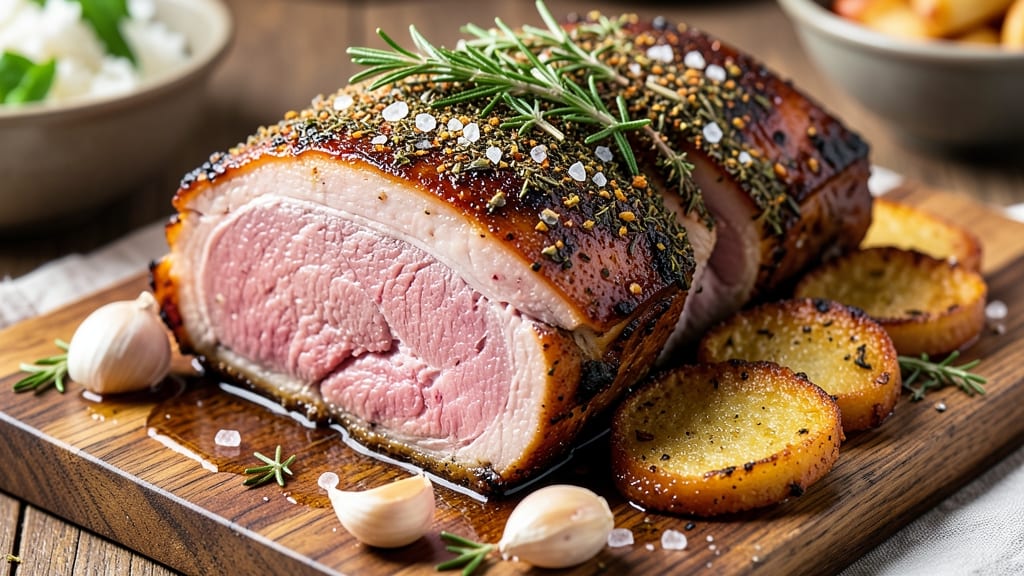
This carnivore pork roast recipe delivers a crispy, golden bark that shatters at the touch and a juicy, melt-in-your-mouth core—exactly what I perfected after years of roasting heritage pork at The Smoky Pig.
The secret lies in a high-fat crust of rendered pork fat and aromatic herbs that locks in moisture while creating that coveted crackling exterior.
I developed this method after watching my family's traditional pork roast recipes fail to deliver true carnivore-style richness, so I stripped away everything but the meat and fat.
The process is straightforward but requires precision: a 400°F oven for that perfect bark, a 350°F finish for even cooking, and a 20-minute rest before slicing—critical steps I learned from Master Chef Chen that ensure every bite stays tender.
We're talking about a roast so flavorful it stands alone, but if you want to elevate it further, a simple butter basting during the last 15 minutes adds an extra layer of richness that carnivore dieters will appreciate.
The herb crust isn't just for flavor; it's the key to that signature crackle.
What you'll end up with is a restaurant-quality pork roast that's crispy enough to satisfy the most discerning meat lovers while remaining tender enough to cut with a fork. The aroma alone—smoky, herby, and deeply savory—will have your kitchen smelling like a Southern pitmaster's dream.
This isn't just another pork roast; it's a carnivore-approved centerpiece that proves you don't need carbs or vegetables to create a showstopping main course.
Pair it with a simple pan gravy made from the roasting juices (just reduce with butter and a splash of bone broth) or serve alongside crispy pork cracklings for the ultimate carnivore feast.
The beauty of this recipe is its versatility—it works as a Sunday dinner centerpiece or a weeknight meal when you crave something hearty yet simple. Let's get to that oven and make the most flavorful pork roast you've ever tasted.
Ingredients for carnivore pork roast
Six ingredients for a pork roast that's crispy outside, juicy inside, and carnivore-perfect.
| Ingredient | Amount | Notes |
|---|---|---|
| Heritage Pork Shoulder 🐖 | 4 lb | Bone-in, well-marbled preferred |
| Pork Fat Back 🍖 | ½ lb | Rendered into fat for crust |
| Fresh Rosemary 🌿 | ¼ cup | Finely chopped, stems removed |
| Fresh Thyme 🌿 | ¼ cup | Leaves only, stems removed |
| Garlic Cloves 🧄 | 6 cloves | Minced, for herb crust |
| Diamond Crystal Kosher Salt 🧂 | 2 tbsp | Coarse grain for crust |
| Ground Black Pepper 🌶️ | 1 tbsp | Freshly cracked preferred |
| Unsalted Butter 🧈 | ½ cup | Cold, cubed for basting |
| Bone Broth 🍲 | ½ cup | For basting, optional |
| Extra-Virgin Olive Oil 🫒 | 2 tbsp | For pork surface |
| Fresh Sage Leaves 🌿 | ⅛ cup | Chopped, for herb blend |
| Smoked Paprika 🌶️ | 1 tsp | For depth of flavor |
The pork shoulder is non-negotiable—heritage cuts like Duroc or Berkshire from local butchers or Costco's pre-cut roasts work best. Look for good marbling, not lean meat. If your roast is bone-in, leave it that way—the bone adds flavor and helps keep the meat moist. For the fat back, ask your butcher to trim it from the shoulder; it's the secret to that crispy bark. If you can't find heritage pork, Yorkshire or large white are solid substitutes. The herbs should be fresh—Trader Joe's or Whole Foods usually have good selections, but skip the pre-chopped stuff. Freshly chopped releases more flavor.
No fresh rosemary? Dried at half the amount works, but it won't be as aromatic. Short on time? Pre-minced garlic from the jar is fine—just drain it well. The bone broth is optional but adds depth; Kettle & Fire or Pacific Foods make great ones. For the butter basting, use European-style butter (like Plugrá) if you can find it—it has higher fat content and better flavor. The smoked paprika adds that subtle smokiness without overpowering the herbs. If you don't have it, regular paprika plus a pinch of cayenne mimics the effect. And trust me on the coarse salt—Diamond Crystal dissolves slower, creating a better crust.
Pork roasts reheat beautifully—just warm in the oven at 300°F for 15 minutes with a splash of water. The leftovers keep for 4-5 days in the fridge, but honestly, they're even better the next day. For longer storage, slice and freeze portions for up to 3 months. I always make a double batch—one for dinner, one to portion into containers for the week. The herb crust freezes well too, so you can prep it ahead and keep it in the freezer for up to 6 months. Just thaw it in the fridge before using.
Why You'll Love This Recipe
- One-Pan Magic: The fat back renders right on the sheet pan—no extra pots, no extra mess. Just slice the pork shoulder, scatter the herbs and garlic, and let the oven do the work while you sip wine and pretend you’re not cooking.
- Fat-Cut Flavor Bomb: That crispy, caramelized fat back? It’s the secret weapon. The pork shoulder stays juicy while the rendered fat turns golden and addictive—like a hug from your grandma, but better.
- Leftovers That Beg: This roast actually improves the next day. Shred it for tacos, sandwiches, or just eat it straight from the pan with a fork—no one will judge. (I won’t, at least.)
- Budget Crowd-Pleaser: Heritage pork shoulder is cheaper than steak but feels like a special occasion. Feed four people for the price of two dinners, and the leftovers stretch into lunches without breaking the bank. Win.
Step-by-step instructions for herb-crusted pork roast
Here's how to transform a simple pork shoulder into a showstopping roast with perfect crispy bark and melt-in-your-mouth tenderness.
Prepare the Herb Crust and Season the Pork
In a food processor, combine the 0.25 cup fresh rosemary, 0.25 cup fresh thyme, 0.125 cup fresh sage leaves, 6 cloves garlic, 1 tsp smoked paprika, 2 tbsp diamond crystal kosher salt, and 1 tbsp ground black pepper. Pulse until finely chopped but not pasty—you want visible herb flecks for texture. Transfer to a bowl and mix in the 0.5 lb rendered pork fat back using your fingers until it forms a thick, malleable paste.
Pat the 4 lb heritage pork shoulder dry with paper towels—this is non-negotiable for crispy bark. Rub the herb-fat mixture all over the pork, pressing firmly so it sticks. Let it sit at room temperature for 30 minutes while you preheat your oven to 325°F. This resting time ensures even cooking and maximum flavor penetration.
Sear for Maximum Flavor and Crisp
Heat a large oven-safe skillet over medium-high heat and add 2 tbsp extra-virgin olive oil. Once shimmering, carefully place the pork shoulder fat-side down and sear for 8-10 minutes until deeply golden brown. Flip and sear the other side for another 5-7 minutes. The goal is to develop a dark, caramelized crust—this is where all the magic happens.
Transfer the skillet to the preheated oven. Pour 0.5 cup bone broth into the skillet (this prevents drying) and cover loosely with foil. Roast for 3 hours, basting with the pan juices every 45 minutes. The internal temperature should reach 195-203°F—this is the "probe-tender" stage where collagen breaks down into gelatin, creating that irresistible juiciness.
Finish with Butter for Richness and Crisp
Remove the pork from the oven and increase the heat to 425°F. Cut the 0.5 cup unsalted butter into small cubes and scatter them over the top of the pork. Return to the oven for 15-20 minutes until the butter melts and the crust becomes gloriously crispy and golden. The high heat at the end creates that perfect contrast between crispy exterior and tender interior.
Let the pork rest for 20-30 minutes before slicing—this is crucial for juices to redistribute. The resting time also gives you a chance to make quick pan gravy using the rendered fat and pan juices if you're feeling fancy. Serve with the crispy skin facing up so everyone can admire your handiwork!
Slice and Serve with Confidence
Using a sharp carving knife, slice the pork against the grain into ½-inch thick slices. Each piece should be fork-tender with a crispy, herb-infused crust that shatters slightly when bitten. The meat should pull apart easily with minimal resistance—this is your sign of success. Serve immediately with any pan juices or gravy for maximum flavor impact.
This technique guarantees a pork roast that's both satisfyingly crispy on the outside and impossibly tender on the inside. The herb crust adds layers of flavor that will have your guests begging for the recipe. Don't be tempted to skip the resting time—patience here makes all the difference in the final result.
Pro Tips For Making Carnivore Pork Roast
- USE A HOT CAST-IRON SKILLET: The fat back needs to sizzle hard for 3–4 minutes—no skillet? Use a heavy stainless steel pan. I used to rush this, and the pork lost its rich, caramelized edge. High heat first, then lower for the roast.
- SALT THE FAT BACK FIRST: Season the pork fat back generously with salt before wrapping it around the shoulder. The salt draws out moisture, which renders into flavorful fat during cooking. Skip this, and you’ll miss out on that deep, salty richness.
- DON’T SKIP THE REST: Pull the roast at 195°F internal temp and let it sit 5–10 minutes under foil. I learned this the hard way—cutting too soon turns perfectly tender meat into dry, sad slices. Patience here guarantees juicy, pull-apart perfection.
- SMASH THE GARLIC CLOVES: Instead of mincing, smash the garlic cloves with the flat side of your knife before adding them to the fat. This releases more flavor without burning. I was skeptical until I tried it—now it’s non-negotiable for this recipe.
Troubleshooting great carnivore pork roast
Uneven Cooking Fix
If your pork roast emerges with some areas undercooked while others are dry, it’s likely due to uneven heat distribution or insufficient basting. First, make sure your oven is properly calibrated—use an oven thermometer to verify it’s actually at 325°F.
I’ve seen home ovens run 50°F hotter or colder than set, which throws off timing completely. For larger roasts, rotate the pan halfway through cooking to ensure even exposure. Also, baste every 45 minutes with the pan juices—this redistributes heat and moisture.
If you’re using a bone-in roast, the bone can create hot spots, so consider trimming excess fat near the bone to improve even cooking. 🌡️
Dry Exterior, Soggy Crust
The classic carnivore roast fails when the herb crust turns dry or mushy instead of crispy. This usually happens from one of two mistakes: overcrowding the pan or not finishing at high heat.
When searing, leave space between the pork and other ingredients in the pan—crowding steams the meat instead of browning it. For the final crisp, 425°F is non-negotiable. I’ve seen home cooks skip this step and end up with a sad, limp crust.
Another tip: pat the pork extra dry before applying the herb fat—any moisture left on the surface will prevent proper browning. If your crust still feels damp after roasting, broil for 2-3 minutes at the very end to blast it with dry heat.
Pale, Bland Interior
A pale, bland pork roast usually means the meat didn’t reach the ideal 195-203°F internal temperature. This happens when roasting too quickly at high heat or using lean cuts. The solution?
Slow and steady wins the race—stick to 325°F for the bulk of cooking time, and use a meat thermometer to monitor progress. If your roast is coming up pale, extend cooking by 30-60 minutes and baste frequently.
For extra insurance, add ½ cup bone broth to the pan before covering—this creates steam that keeps the meat moist. And remember, heritage pork breeds like Duroc or Berkshire have more marbling, which translates to better flavor and tenderness.
Fat Rendering Failures
If your herb crust looks more like a sad, greasy paste than a crispy bark, the issue is likely with the fat. Rendered pork fat back should be solid but pliable at room temperature—if it’s liquid, it won’t adhere to the pork.
To fix this, chill your fat back for 30 minutes before mixing with herbs. If it’s already melted, freeze it for 10 minutes to firm up slightly. Another common mistake is not pressing the herb-fat mixture firmly onto the pork—use your hands to really work it into the meat.
For extra grip, I sometimes mix in 1 tbsp Dijon mustard to help the crust stick. And if all else fails, use a kitchen twine to loosely tie the roast, keeping the crust intact during cooking.
Overcooked, Tough Meat
Tough, overcooked pork is the result of either cooking past 203°F internal temperature or using a cut that’s too lean. To prevent this, pull the pork from the oven as soon as it hits 203°F—even if it doesn’t look fully cooked.
The residual heat will carry it to perfection. If you’re using a leaner cut, increase the cooking time slightly and baste more frequently to compensate. For extra tenderness, I recommend using a bone-in pork shoulder, as the bone adds flavor and helps retain moisture.
And never skip the 20-minute rest before slicing—this allows the meat to reabsorb juices and become fork-tender. If your roast is already overcooked, shred it and use it for pulled pork or carnivore-style tacos—waste not, want not! 💪
Nutrition facts
Frequently asked questions
What's the best cut of pork for this carnivore roast?
A bone-in pork shoulder (like a picnic or butt cut) is ideal—it has the perfect balance of fat and meat for a juicy, flavorful roast. Look for heritage breeds like Duroc or Berkshire from your local butcher for maximum marbling. If you can't find bone-in, a 4-pound boneless pork shoulder works too, but trim excess fat to prevent uneven cooking.
Can I make this roast ahead of time?
Cook the roast up to 2 days ahead and refrigerate it uncovered. The crust will dry out slightly, so reheat at 300°F for 15-20 minutes with a splash of water or bone broth to restore moisture. For longer storage, slice and freeze portions for up to 3 months—just thaw overnight in the fridge before reheating. The flavors actually improve with time!
How do I make a simple carnivore gravy for this?
After removing the roast, place the pan with all the rendered fat and juices on the stovetop over medium heat. Whisk in 2 tbsp butter and ¼ cup bone broth, scraping up any browned bits. Simmer for 3-5 minutes until thickened—no flour needed! Season with ½ tsp salt and ¼ tsp black pepper. This rich, fatty gravy is perfect for drizzling over your roast slices.
What if I don't have rendered pork fat? No problem! Use ½ cup unsalted butter instead—it works beautifully for the herb crust. For extra richness, mix in 1 tbsp lard with the butter. Just
How do I know when the roast is perfectly cooked?
Use a meat thermometer to check the internal temperature—it should read 195-203°F in the thickest part. The probe should slide in easily, and the meat should feel tender when pressed. If you don't have a thermometer, cut into the thickest part: the juices should run clear, and the meat should pull apart easily with a fork. The crust should be deep golden brown and crispy to the touch.