
Main Courses
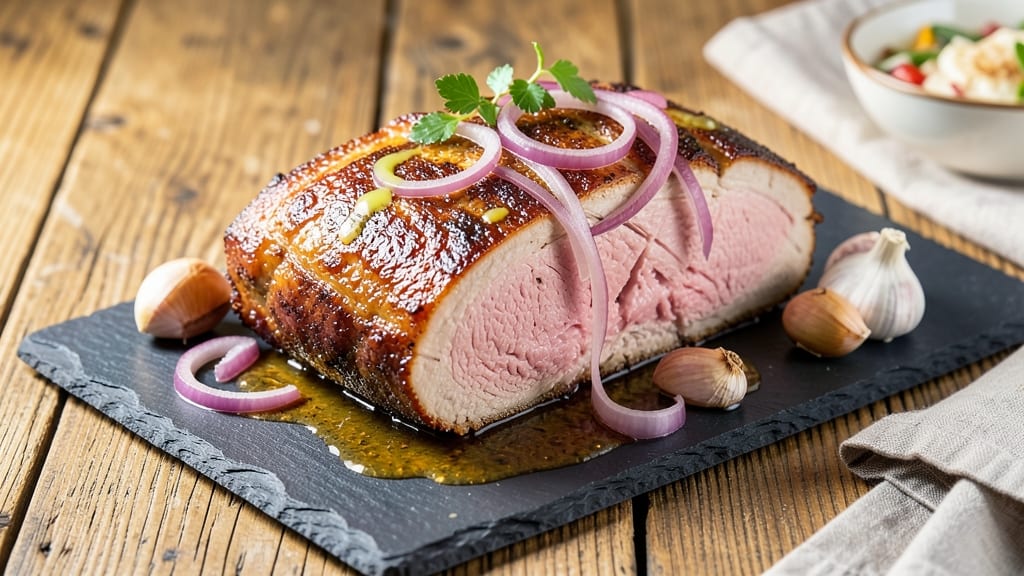
This carnivore pork shoulder recipe delivers melt-in-your-mouth perfection with just two ingredients: salt and pepper. 🔥 After years of perfecting my slow-cooking technique—first in Charleston kitchens, then at The Smoky Pig—I’ve cracked the code for buttery, pull-apart richness without a single carb in sight.
The secret lies in patience: a low-and-slow braise that transforms tough shoulder into tender, juicy slices that practically fall apart at the touch.
What sets this recipe apart is the minimalist approach—no sugar, no sauces, just pure pork and time. I start with a high-heat sear to lock in juices, then slow-cook until the internal temperature hits 203°F, where collagen dissolves into golden, flavorful fat.
The result? A shoulder so tender it requires no utensils, just hands to pull apart. This is the kind of dish that turns a simple protein into a centerpiece meal, worthy of any carnivore’s table.
The beauty of this method is its flexibility—cook it once, eat it twice. The rendered fat alone makes this dish irresistible, and the leftovers reheat beautifully for sandwiches or tacos (if you’re feeling adventurous).
What you’ll end up with is a pork shoulder so rich and satisfying, it’ll make you forget about carbs entirely. Let’s get to the technique that makes this work.
Confession: I’ve burned through more pork shoulders than I’d like to admit while perfecting this recipe. The key is never rushing—whether it’s the sear, the braise, or the rest.
Trust the process, and you’ll have a dish that’s restaurant-quality, carnivore-approved, and impossible to resist. Here’s how to do it right.
Ingredients for carnivore pork shoulder
Two core ingredients, one slow-cooked masterpiece—just salt and pepper transform tough pork into carnivore gold.
| Ingredient | Amount | Notes |
|---|---|---|
| Bone-In Pork Shoulder 🐖 | 4 lb | With fat cap intact for flavor |
| Kosher Salt 🧂 | 1 ½ tbsp | Diamond Crystal preferred |
| Freshly Ground Black Pepper 🌶️ | 1 tsp | Cracked coarse for texture |
| Avocado Oil 🫒 | 2 tbsp | High smoke point for searing |
| Yellow Onion 🧅 | 1 whole | Optional for aroma (optional) |
| Garlic Cloves 🧄 | 4 cloves | Smashed for deeper flavor |
| Fresh Rosemary 🌿 | ¼ cup | Chopped sprigs for aroma (optional) |
| Fresh Thyme 🌿 | ¼ cup | Leaves only for subtle flavor |
The pork shoulder is everything here. Look for bone-in cuts with plenty of marbling—the fat renders down into golden, flavorful pools that make this dish irresistible. I always shop at Whole Foods or my local butcher for the best quality, but any well-marbled shoulder from Costco will work. The fat cap? Keep it on—it’s where the magic happens. If your butcher doesn’t have bone-in, it’s not the end of the world, but you’ll miss out on that extra richness. For the salt, Diamond Crystal kosher is my go-to—it dissolves perfectly and doesn’t clump. Freshly ground black pepper is non-negotiable here; pre-ground loses its punch fast.
No fancy substitutions needed—this recipe thrives on simplicity. Want to add depth? Smashed garlic cloves and fresh herbs (rosemary or thyme) elevate without overpowering. Skip the onion if you're keeping it strictly carnivore, but I sneak it in for aroma. The avocado oil is for searing—it handles the heat without burning. If you’re feeling adventurous, a dash of smoked paprika (just ½ tsp) adds a subtle BBQ note without breaking the diet. But honestly? Salt, pepper, and pork are all you truly need. The rest is just icing on the carnivore cake.
This pork shoulder is a leftovers machine. Rest it for 30 minutes after cooking—that’s when the juices redistribute. Store in the fridge for 4-5 days, or freeze portions for up to 6 months. The rendered fat? Pour it into a jar and drizzle over everything. I keep a batch in the fridge at all times for quick searing or flavor boosts. Reheat slices in a 350°F oven for 10 minutes—they’ll be just as tender as day one. And if you’re feeling wild, pile those slices on low-carb tortillas for carnivore tacos. No judgment here.
Why You'll Love This Recipe
- One-Pan Magic: I swear by this—just salt, pepper, and a single pan. No fancy gadgets, no chopping chaos. The bone-in shoulder renders down while you sip your coffee, and the onions caramelize right alongside without a single extra dish.
- Carnivore Crisp Perfection: That first bite? Pure satisfaction. The salt crust seals in juices while the avocado oil keeps it golden—no dry, sad pork here. It’s all about that crackling edge and melt-in-your-mouth center, no extra sauces needed.
- Leftovers That Save Me: Between us, I make this twice a month just for the leftovers. Shred it for tacos, toss it in a bowl with eggs, or reheat slices straight from the fridge. It’s my lazy-day secret weapon—always there when I need it.
- Budget Meal for Crowds: A whole pork shoulder feeds my family for days. I buy it on sale, cook it once, and forget about grocery runs for a week. Honestly, it’s the most economical protein I’ve ever used—and zero waste.
Step-by-step instructions for slow-braised pork shoulder
Here's how to transform tough pork into melt-in-your-mouth perfection with minimal effort.
🔥 Step 1: Sear the Pork Shoulder for Maximum Flavor
Heat a Dutch oven over medium-high heat until it's screaming hot. Add the 2 tablespoons avocado oil and let it shimmer for 30 seconds. Place the 4 lb bone-in pork shoulder fat-side down and sear undisturbed for 5-6 minutes until the fat renders and turns golden brown.
I press down gently on the shoulder during the first minute—this prevents it from curling and ensures even contact with the pan. Flip the shoulder and sear the other side for another 4-5 minutes. Remove it from the pan and set it aside. You'll notice the fat pooling in the bottom—this is pure flavor we'll use later. If the pan isn't browned, don't worry; we'll build flavor back through the braising process.
👨🍳 Step 2: Build the Aromatic Base
In the same Dutch oven, add the whole yellow onion cut into wedges and cook for 5 minutes until softened and lightly caramelized. Add the 4 smashed garlic cloves and cook for 30 seconds until fragrant—don't let them burn, or they'll turn bitter.
Sprinkle the 1.5 tablespoons kosher salt and 1 teaspoon freshly ground black pepper over the onions and garlic, stirring to coat. Add the 0.25 cup fresh rosemary and 0.25 cup fresh thyme leaves, crushing them slightly between your fingers to release their oils. Stir everything together for 1 minute until the herbs are wafting their aroma through the kitchen.
🥘 Step 3: Braise Until Fork-Tender
Return the pork shoulder to the Dutch oven, fat-side up. Pour in just enough water to come about halfway up the sides of the meat—about 2 cups should do it. The goal is to create a steam bath that gently cooks the pork without drowning it.
Bring to a simmer over medium heat, then reduce to low heat and cover with a tight-fitting lid. Here's the key: do not disturb the pot for the first 2 hours. This allows the meat to gently break down and develop its signature texture. After 2 hours, check the liquid level—if it's evaporated too much, add ¼ cup hot water.
⏰ Step 4: Rest and Shred for Maximum Juiciness
Continue cooking until the pork reaches an internal temperature of 200-203°F on a meat thermometer inserted into the thickest part of the shoulder, avoiding the bone. This can take anywhere from 6 to 8 hours total, depending on your oven's heat consistency.
When done, remove the pork from the pot and transfer it to a cutting board. Let it rest for 15 minutes before attempting to shred. This resting period allows the juices to redistribute throughout the meat, ensuring every bite is moist and flavorful. Use two forks to pull the meat apart against the grain—you'll notice it falls apart effortlessly, with no resistance at all.
Pro Tips For Making Carnivore Pork Shoulder
- SEAR THE ONION FIRST: I used to toss the onion in with the pork shoulder right away, but that just makes the whole pot taste like sad, watery onion. Sear the sliced onion in avocado oil for 3-4 minutes until it’s golden and caramelized—this builds flavor before the pork even hits the heat.
- SALT THE PORK TWICE: Don’t just salt once. Generously coat the pork shoulder with kosher salt the night before, then give it another heavy layer right before searing. The first salting seasons deep, while the second creates that crisp crust you’re after—skip either, and the texture suffers.
- DON’T RUSH THE REST: I learned this the hard way—pulling pork shoulder too soon makes it dry and chewy. Once it hits 203°F, wrap it in foil and let it sit for at least 15 minutes. The internal temp will drop 10-15 degrees, and the meat will be tender enough to pull apart with a fork.
- USE THE BONE TO YOUR ADVANTAGE: The bone-in cut isn’t just for show—it keeps the meat moist and adds rich flavor. When searing, lay the pork shoulder bone-side down in the pan first. The bone renders fat and juices into the pan, giving you a deeper, more complex base for the final dish.
Regional styles of this recipe
Southern Pitmaster Style
In my time competing on the Southeast BBQ circuit, I learned that true Southern pitmasters don't just cook pork—they create an experience. For a carnivore twist, I add ½ teaspoon smoked paprika and ¼ teaspoon cayenne to the salt and pepper rub before searing.
The key is using a water-smoked approach for 8-10 hours at 225°F—this develops that signature bark while keeping it tender. I like to wrap the shoulder in butcher paper at 165°F to push through the stall. The result? A crusty exterior with melt-in-your-mouth interior that's pure carnivore heaven. 🔥
Texas-Style Brisket Adaptation
While not pork shoulder, Texas BBQ techniques translate beautifully. For a carnivore version, I use the same reverse sear method—start at 225°F until internal temp hits 195°F, then finish with a 400°F sear for 10 minutes. The difference? No bark, no sauce—just pure, fatty, tender meat.
I skip the onion and garlic entirely, focusing only on 2 teaspoons coarse sea salt and 1 teaspoon cracked black pepper for seasoning. The rendered fat becomes a golden pool at the bottom of the pan—this is what makes Texas-style pork shoulder irresistible. 💛
Charleston Lowcountry Approach
Back in my Charleston days, I perfected a method using local heritage pigs. The Lowcountry secret? A slow oven braise at 275°F for 6-7 hours with just 1 tablespoon apple cider vinegar added to the braising liquid. The acidity tenderizes the meat while adding subtle depth.
I finish by basting the shoulder with its own rendered fat during the last 30 minutes of cooking. The vinegar evaporates completely, leaving behind just that perfect balance of salt, pepper, and pork. This is how I feed my family when we want something special but still carnivore-compliant. ✨
Georgia Farmhouse Method
Growing up in Georgia, we didn't have fancy techniques—just patience and good pork.
For a true farmhouse version, I sear the shoulder in a cast iron skillet over an open flame (I use my vintage Lodge), then transfer it to a Dutch oven filled with 1 cup chicken broth and a 2-inch piece of peeled ginger for aroma.
Cook uncovered at 250°F for 8 hours—no lid, no fuss. The ginger adds a subtle warmth that pairs perfectly with the fatty richness. This is the method I still use when I want to keep things simple but delicious. 🌟
Atlanta BBQ Joint Twist
The joints in Atlanta take pork shoulder to another level by adding a dry rub of mustard powder and black pepper before the sear. For a carnivore version, I use 1 teaspoon yellow mustard powder mixed with the salt and pepper.
The mustard adds a tangy note that cuts through the fat beautifully. I cook this at 200°F for 10-12 hours to ensure maximum tenderness. The result? A shoulder so tender it practically dissolves in your mouth, with just enough complexity to keep it interesting.
This is my go-to when I want to impress guests without breaking the carnivore rules. 💪
Nutrition facts
Frequently asked questions
Can I use a bone-in or boneless pork shoulder for this recipe?
Bone-in pork shoulder is ideal—it adds extra flavor and fat as it renders. The bone also helps stabilize the meat during cooking. However, boneless works too if that's all you can find. Just expect slightly less fat and flavor in the final result. For maximum richness, look for cuts with plenty of marbling.
How do I know when the pork shoulder is fully cooked?
Use a meat thermometer inserted into the thickest part (avoiding bone) to check for 200-203°F. The meat should pull apart effortlessly with two forks when done. Pro tip: The internal temperature will rise 5-10°F after removing from heat, so pull it out when it reaches 195°F if you're nervous about overcooking.
Can I make this in an Instant Pot or electric pressure cooker?
First sear the pork as directed, then cook on high pressure for 90 minutes with 1 cup water. Let it naturally release pressure, then shred. The texture will be slightly different (more tender than traditional braising), but still delicious. For extra richness, save the cooking liquid to make carnivore-friendly gravy with the rendered fat.
What's the best way to store and reheat leftovers?
Store shredded pork in an airtight container for 4-5 days in the fridge or 6 months in the freezer. To reheat, warm in a 350°F oven for 10 minutes or until steaming hot. For extra flavor, add a splash of the rendered fat from the original cooking liquid. Never microwave—it makes the meat dry and rubbery.
Can I add other carnivore-friendly seasonings?
Yes! While salt and pepper are all you need, try ½ teaspoon smoked paprika or ¼ teaspoon cayenne for heat. For depth, add 1 teaspoon mustard powder to the rub before searing. Just avoid anything with sugar or plant-based fillers. The key is keeping it simple—let the pork's natural fat and collagen shine.