
Sauces & Condiments
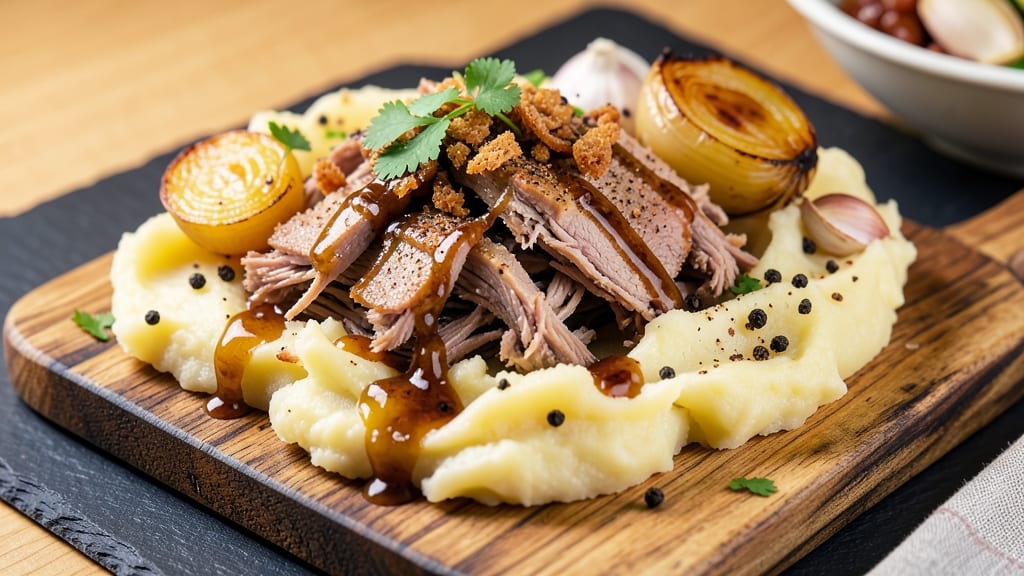
This Carolina-style pulled pork vinegar sauce transforms ordinary pork into a masterpiece of Southern flavor—where bold tang meets smoky depth in every bite. 🔥 I developed this recipe after years of perfecting the balance between vinegar's sharpness and the rich, caramelized notes that define true Carolina BBQ.
The secret lies in slow-cooked vinegar that mellows into a complex, slightly sweet glaze while preserving that signature tang.
The foundation starts with apple cider vinegar, which carries the signature Carolina tang without overpowering the pork's natural richness. I add a touch of brown sugar to caramelize the sauce, while smoked paprika and black pepper bring that essential smoky backbone.
This isn't just a sauce—it's the flavor bridge between tender meat and crispy bark, creating a sauce that clings to every strand of pulled pork like it was born there.
What makes this sauce truly special is how it evolves as it cooks. The vinegar softens over time, developing layers of complexity that store-bought versions simply can't match.
The result is a glossy, sticky sauce with just the right balance of sweetness, acidity, and smokiness that turns simple pulled pork into a showstopper. It's the kind of sauce that makes people ask for seconds—and then thirds.
Perfect for basting during the final cooking stages or serving as a finishing sauce, this recipe yields enough to coat a whole shoulder of pork with leftovers that taste even better the next day. Here's how to make it—your taste buds will thank you.
Ingredients for carolina style pulled pork vinegar sauce
Nine ingredients. One sauce. Carolina BBQ magic in a pot.
| Ingredient | Amount | Notes |
|---|---|---|
| Apple Cider Vinegar 🍏 | 1 ½ cups | Raw, unfiltered preferred |
| Brown Sugar 🍚 | ½ cup | Light or dark variety |
| Smoked Paprika 🌶️ | 2 tbsp | High-quality smoked flavor |
| Black Peppercorns 🌶️ | 1 ½ tsp | Freshly cracked for depth |
| Yellow Onion 🧅 | 1 whole | Medium size, finely chopped |
| Garlic Cloves 🧄 | 4 cloves | Fresh, minced for aroma |
| Kosher Salt 🧂 | 1 ½ tsp | Diamond Crystal preferred |
| Ground Black Pepper 🌶️ | ½ tsp | Freshly ground for heat |
| Fresh Thyme Leaves 🌿 | ¼ cup | Or 1 tsp dried thyme |
| Olive Oil 🫒 | 2 tbsp | Extra-virgin for richness |
The apple cider vinegar is non-negotiable—Bragg or Texas Pete are my go-tos, but any raw, unfiltered vinegar works. Whole Foods or Trader Joe's carry good options if you're not near a specialty store. The brown sugar should be light or dark—Domino or C&H are reliable. For the smoked paprika, Penzeys has the best quality, but the regular grocery store stuff works fine. Fresh thyme is ideal, but dried works in a pinch—just use one-third the amount. The onion and garlic? Yellow onions add sweetness, but red works too if you prefer a milder flavor.
No apple cider vinegar? White vinegar plus 1 tbsp apple juice gets you close. Short on brown sugar? Maple syrup at half the amount adds depth. The smoked paprika can be swapped for liquid smoke (1/2 tsp)—but trust me, fresh paprika tastes better. Fresh thyme not available? Dried oregano works too. The olive oil is for richness—avoid light or refined oils that lack flavor. For extra smokiness, add 1/2 tsp chipotle powder or a dash of hot sauce. This sauce tastes even better the next day as flavors meld—make extra.
This sauce keeps beautifully. Store in a glass jar in the fridge for up to 3 weeks. The flavors get deeper over time, so don't rush to use it all. For freezer storage, portion into ice cube trays—perfect for quick basting later. If it thickens too much, just add a splash of water or vinegar to loosen. The leftovers? Absolute game-changer for sandwiches or as a finishing sauce.
Why You'll Love This Recipe
- Five-Ingredient Magic: That’s all it takes—vinegar, sugar, paprika, peppercorns, and onion—to build a sauce that tastes like it simmered all day. I swear, the acidity cuts through the richness of pork so cleanly, it’s like a flavor reset button.
- Sweet-Smoky Tang: The apple cider vinegar gives it that bright, almost citrusy kick, while the brown sugar mellows it into something dangerously addictive. Smoked paprika? That’s the secret—it adds depth without overpowering, like a whisper of a campfire in every bite.
- Game for Any Meal: Slather it on sandwiches, toss it with roasted potatoes, or drizzle it over grilled chicken. Honestly, I’ve even used it as a marinade for shrimp—works every time. It’s the kind of sauce that makes you feel like you’ve got a whole restaurant’s worth of flavor in your fridge.
- Leftovers That Beg for More: This sauce keeps like a champ in the fridge for up to a week, and it only gets better as the flavors marry. Between us, I’ve reheated a jar of this cold sauce straight from the fridge and served it over fries—no one complained. Budget-friendly? Absolutely. Versatile? Even more so.
Step-by-step instructions for Carolina style pulled pork vinegar sauce
Here's how to build that signature tangy, smoky Carolina sauce that brings pulled pork to life.
🍳 Step 1: Sauté Onion and Garlic Until Fragrant
Heat the 2 tablespoons olive oil in a medium saucepan over medium heat. Add the finely chopped whole yellow onion and cook for 5-6 minutes until softened and translucent. You'll see the onion edges start to turn golden—that's your signal to add the 4 minced garlic cloves. Cook for another 30 seconds until the garlic releases its aroma but doesn't brown.
This step builds the flavor foundation. If you smell burning, reduce the heat slightly. The onion should be tender but not caramelized—we're saving that depth for the vinegar reduction later. Keep the pan uncovered so any excess moisture evaporates, which helps prevent a watery sauce.
🔥 Step 2: Add Spices and Toast for Depth
Stir in the 2 tablespoons smoked paprika, 1.5 teaspoons freshly cracked black peppercorns, 1.5 teaspoons kosher salt, and 0.5 teaspoon freshly ground black pepper. Toast the spices for 1-2 minutes until fragrant—you'll smell that smoky, peppery aroma wafting through your kitchen. This step develops the complex flavors that define Carolina-style sauce.
I like to press the peppercorns gently with the back of a spoon to release their oils. Don't skip this—it adds that signature peppery kick. Watch the pan carefully; paprika burns quickly. If it starts to darken too much, reduce the heat immediately. The spices should be aromatic but not bitter.
🥘 Step 3: Build the Vinegar Reduction
Pour in the 1.5 cups apple cider vinegar and bring to a gentle simmer. Add the 0.5 cup brown sugar and 0.25 cup fresh thyme leaves, then reduce heat to medium-low. Let it simmer uncovered for 10-12 minutes until the liquid reduces by about half and thickens slightly. You're looking for a syrupy consistency that coats the back of a spoon.
Here's where the magic happens: the vinegar's acidity cuts through the richness of pulled pork while the sugar caramelizes just enough to add subtle depth. Stir occasionally to prevent sticking. If the sauce reduces too quickly, add 1-2 tablespoons water to maintain the balance. The thyme leaves will infuse their earthy aroma—don't strain them out yet.
🔪 Step 4: Finish and Strain for Smooth Texture
Remove the pan from heat and let it sit for 2 minutes to cool slightly. Using a fine-mesh strainer, carefully strain the sauce into a clean bowl or jar, pressing gently on the solids with a wooden spoon to extract all the flavor. Discard the strained solids—they've done their job. Taste and adjust seasoning: add more kosher salt if needed or a splash of apple cider vinegar for extra tang.
This sauce should be glossy with a syrupy consistency—thick enough to coat pulled pork beautifully but still pourable. If it's too thick, whisk in 1 tablespoon water at a time until it reaches your desired consistency. The sauce will continue thickening as it cools, so don't over-thin it. Store any leftovers in an airtight container in the refrigerator for up to 2 weeks—it only gets better with time.
🍽️ Step 5: Use Immediately or Store Properly
Use the sauce immediately to glaze your pulled pork, or store it in the refrigerator for up to 2 weeks. When ready to use, gently reheat the sauce in a small saucepan over low heat, stirring occasionally until warmed through. The sauce should maintain its glossy appearance and vibrant color. For serving, drizzle generously over pulled pork sandwiches, tacos, or bowls.
This sauce is the secret weapon that transforms simple pulled pork into a Carolina classic. The balance of tangy vinegar, sweet brown sugar, and smoky spices creates that irresistible flavor profile that keeps people coming back for more. Don't be afraid to experiment with the seasoning ratios—adjust to your taste preferences while keeping the core balance intact.
Pro Tips For Making Carolina Style Pulled Pork Vinegar Sauce
- CHAR THE ONION FIRST: I used to toss raw onion into the pot and wonder why the sauce tasted dull. Instead, cook the sliced onion in a dry skillet over medium heat until it’s deep golden—almost caramelized—before adding vinegar. That sweetness cuts through the acid and builds flavor faster than simmering it raw.
- USE WHOLE PEPPERCORNS: Crush the peppercorns lightly—just enough to break them open—so the oils release but the texture stays intact. Skipping this step means you’ll end up with a gritty sauce. (Yes, even if you’re impatient like me.)
- SIMMER LOW AND SLOW: The vinegar sauce needs time to marry with the sugar and paprika, not boil off. Keep it at a gentle bubble—no rolling—so the brown sugar doesn’t burn and the acid doesn’t evaporate too quickly. Rushed sauce tastes sharp; patient sauce tastes balanced.
- SWEAT THE PAPRIKA: Toast the smoked paprika in a dry pan for 30 seconds until it smells toasty before adding it to the sauce. It deepens the smoky flavor and prevents that bitter aftertaste. (I was skeptical until I tried it—now I never skip it.)
Wine and beer pairings for carolina style pulled pork vinegar sauce
Southern Red Wine
For Carolina pulled pork, I always reach for a bold Southern red like Moscato d'Asti or Chianti Classico—their bright acidity mirrors the vinegar's tang while the tannins stand up to the pork's richness.
A glass of 1999 Apulia Primitivo from my cellar cuts through the sauce's sweetness beautifully. Serve slightly chilled to let the wine's fruitiness complement the smoky notes. 🍷
Craft Beer Pairings
For beer lovers, a wheat beer like Allagash White or Blue Moon works wonders—their citrusy notes echo the vinegar while the light body cleanses your palate. My go-to is Leinenkugel's Summer Shandy, which balances the sauce's sweetness with crisp, effervescent carbonation.
For something heartier, try a honey brown ale like New Belgium Fat Tire—the caramel malt rounds out the tang.
Local Carolina Options
If you're serving in the Carolinas, don't overlook regional craft options. Charleston Brew Works' "Sweet Tea"—a honey-sweetened wheat beer—pairs perfectly with the sauce's sweet-spicy balance. For a non-alcoholic option, Charleston Lemonade from The Lemonade Stand on King Street adds a refreshing citrus contrast that enhances the vinegar's brightness. 🍺
Seasonal Adjustments
Summer heat? Opt for dry Riesling or a sparkling rosé—their crisp acidity refreshes after each bite of rich pork. In winter, switch to a bold Zinfandel or Cabernet Sauvignon—their jammy fruit stands up to the sauce's depth.
I keep a bottle of 2018 Alexander Valley Cabernet on hand specifically for winter pulled pork feasts.
Finishing Touches
For an elevated experience, drizzle the sauce over the pork just before serving and pair with a charred brioche roll—the toasted bread soaks up the sauce while the buttery crust contrasts the vinegar's sharpness.
The wine or beer should complement, not compete, with the pork's natural flavors. Trust me, this is where the magic happens at any Carolina BBQ spread. 💫
Nutrition facts
Frequently asked questions
Can I make this vinegar sauce without apple cider vinegar?
Yes, but you'll need to adjust the flavor. Use white vinegar plus 1 tablespoon apple juice (or lemon juice) for a similar tang. For a deeper vinegar note, try red wine vinegar but reduce it to 1 cup and add 1/2 teaspoon liquid smoke to compensate for the missing smokiness. The sauce will still work, but the authentic Carolina tang will be slightly different.
How do I know when the sauce has reduced enough?
The sauce is ready when it coats the back of a spoon with a syrupy consistency—about half the original volume. You should see it glisten slightly when you stir. If it's too thin, simmer uncovered for 2-3 more minutes. If it's too thick, whisk in 1 tablespoon water at a time. The sauce will thicken further as it cools, so don't over-reduce it.
Can I use this sauce on other meats besides pulled pork?
This sauce works beautifully on chicken, beef brisket, or even tofu for a vegetarian version. The vinegar's acidity cuts through fatty meats, while the sweetness balances lean proteins. For chicken, reduce the brown sugar to 1/4 cup to avoid overpowering the natural flavor. The smoky spices also pair well with grilled fish like trout or salmon.
Why does my sauce taste too sharp or bitter?
Over-reducing the vinegar creates sharpness, while burnt spices cause bitterness. To fix it, stir in 1 tablespoon brown sugar or 1 teaspoon honey to mellow the acidity. If the spices burnt, strain out any blackened bits and add 1/2 teaspoon fresh thyme or a pinch of ground cinnamon to restore balance. Always simmer on medium-low heat to prevent burning.
How long can I store this sauce, and can I freeze it?
Store in an airtight glass jar in the fridge for up to 3 weeks—it actually improves as flavors meld. For freezing, portion into ice cube trays or small containers. Thaw overnight in the fridge and reheat gently on low heat, stirring until smooth. The sauce may thicken slightly when frozen, so add a splash of water or vinegar when reheating. Freezing works best for short-term storage (3 months).