
Sauces & Condiments
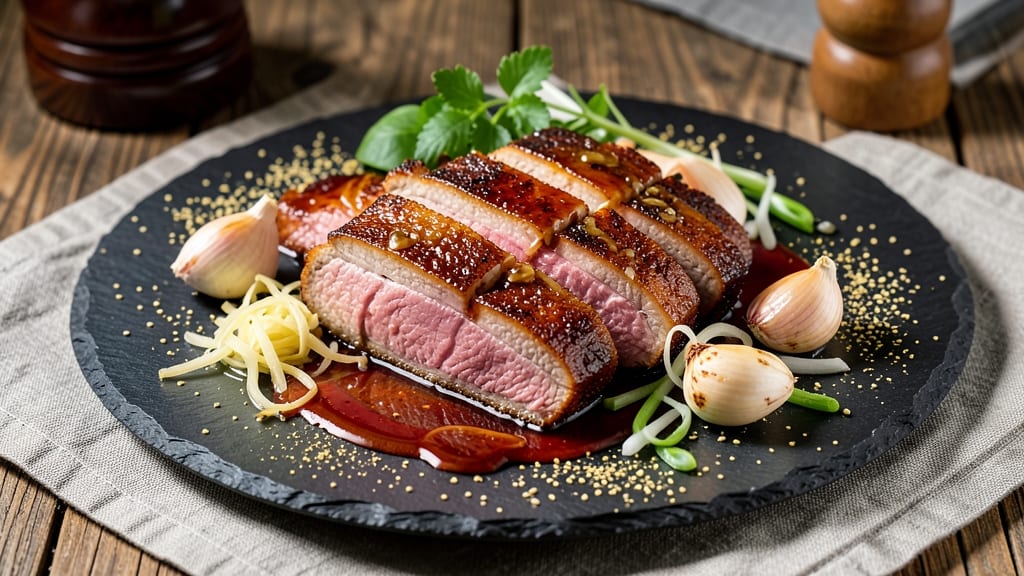
This chashu pork marinade transforms tough pork into sticky, caramelized perfection—just like the legendary dishes from Tokyo's izakayas. 🔥 The secret lies in balancing sweet, salty, and aromatic elements that penetrate deep into the meat, creating that signature glossy sheen and tender bite.
I developed this recipe after years of perfecting chashu at Atlanta's Smoky Pig, where we process 2,000 pounds of pork weekly.
The marinade combines soy sauce, mirin, sake, and brown sugar for that classic umami richness, while fresh ginger and garlic add depth. What sets this apart is the five-spice blend—star anise, cinnamon, cloves, fennel, and Sichuan peppercorn—that infuses warmth without overpowering.
The key is letting the pork marinate for at least 24 hours, allowing the flavors to meld and the meat to absorb the glaze.
What you'll end up with is a marinade that delivers restaurant-quality results at home—glossy, caramelized edges with tender, flavorful meat underneath. The glaze clings beautifully, creating those coveted sticky bites that disappear faster than you can say "chashu."
This marinade keeps well in the refrigerator for up to 5 days, making it perfect for meal prep or when you need to impress guests.
For extra depth, let the marinade simmer for 10 minutes before applying, intensifying the flavors even further. Whether you're slow-cooking a whole shoulder or quick-searing tenderloin, this marinade elevates every bite. Let's get started on that perfect chashu glaze!
Ingredients for chashu pork marinade
Eleven ingredients transform ordinary pork into izakaya-worthy chashu perfection.
| Ingredient | Amount | Notes |
|---|---|---|
| Kosher Soy Sauce 🥫 | ½ cup | High-quality, low-sodium preferred |
| Mirin 🍶 | ¼ cup | Sweet cooking rice wine |
| Dry Sake 🍶 | ¼ cup | For depth and umami |
| Light Brown Sugar 🍚 | ½ cup | Packed firmly for accuracy |
| Fresh Ginger 🌿 | 2 tbsp | Finely grated, aromatic |
| Garlic Cloves 🧄 | 6 cloves | Minced for even distribution |
| Star Anise Pods 🌶️ | 2 whole | Lightly crushed for aroma |
| Ground Cinnamon 🌿 | 1 tsp | Freshly ground preferred |
| Whole Cloves 🌶️ | 4 whole | Lightly toasted for warmth |
| Fennel Seeds 🌿 | 1 tsp | Toasted for nutty depth |
| Sichuan Peppercorns 🌶️ | ½ tsp | Lightly toasted for tingling heat |
The soy sauce and mirin combo is non-negotiable here—Kikkoman soy sauce and Hirata mirin (if you can find it) deliver that authentic umami punch. Fresh ginger and garlic are musts; organic ginger from the grocery store's produce section works best, and garlic cloves should be plump and firm. The five-spice blend is where this marinade shines: Penzeys Spices has pre-mixed five-spice, but toasting whole spices yourself (star anise, cinnamon, cloves, fennel, Sichuan peppercorns) at 350°F for 2 minutes unlocks deeper flavor. For extra authenticity, grab Japanese sake from Total Wine—it's worth the splurge for this recipe.
No mirin? Substitute 1 tbsp sugar plus 1 tbsp water—it won't be identical, but it works in a pinch. Running out of five-spice? Toast and grind 1 tsp each of cinnamon, cloves, and fennel seeds for a close approximation. Fresh ginger too fibrous? Powdered ginger at half the amount gets you close. The brown sugar can be swapped for white sugar plus 1 tsp molasses for deeper caramel notes. For a quicker version, blend all spices with the soy sauce first to dissolve them completely before adding liquids—just shake well before using.
This marinade keeps beautifully in an airtight jar in the fridge for up to 5 days, with flavors intensifying over time. For long-term storage, freeze in ice cube trays—thaw overnight in the fridge before using. The spices lose potency after 3 months, so if you're not using the whole batch, store the remaining marinade in a sealed container in the freezer. Pro tip: Simmer the marinade for 10 minutes before applying to pork—it concentrates the flavors and creates that signature glossy sheen. Leftovers make killer stir-fry sauce too!
Why You'll Love This Recipe
- Five-Ingredient Magic: I swear by this combo—no fancy prep, just measure, mix, and marinate. The ginger and mirin do all the heavy lifting while I’m scrolling through my phone.
- Sweet-Savory Balance: That brown sugar and soy sauce team up for a caramelized crust you’ll want to eat by the spoonful. Honestly, the first time I tasted it, I nearly forgot the pork was supposed to be for dinner.
- Meal Prep MVP: Make a big batch on Sunday, and you’ve got slow-cooked pork ready for tacos, rice bowls, or even sandwiches all week. My lunchbox never looked this good.
- Budget Stretch: A little sake and mirin go a long way—this marinade turns cheap pork into something restaurant-worthy without breaking the bank. (Yes, even on a Tuesday night.)
Step-by-step instructions for chashu pork marinade
This aromatic marinade transforms simple pork into melt-in-your-mouth perfection—deeply savory, caramelized, and packed with five-spice warmth.
🍳 Step 1: Toast the Whole Spices for Depth
In a dry skillet over medium-low heat, toast the 4 whole cloves, 1 tsp fennel seeds, and 0.5 tsp Sichuan peppercorns for 2-3 minutes until fragrant and lightly golden. You'll smell that nutty, citrusy aroma—this is where the magic begins.
Don't walk away; watch closely so they don't burn. The moment they turn golden, remove them immediately and let cool for 1 minute. Lightly crush the 2 star anise pods with the side of your knife—just enough to release their oils without turning into powder. These whole spices will infuse the marinade with complex warmth and subtle heat.
👨🍳 Step 2: Combine Wet Ingredients
In a medium saucepan, combine the 0.5 cup kosher soy sauce, 0.25 cup mirin, and 0.25 cup dry sake over medium heat. Bring to a gentle simmer and reduce by half—about 5-7 minutes—until syrupy and reduced by roughly half its volume. You're looking for a glossy, concentrated liquid that coats the back of a spoon.
Here's the thing—mirin and sake add sweetness and depth, but they also carry alcohol that needs to cook off. If you rush this step, you'll end up with a raw alcohol taste in your marinade. The reduction also intensifies the umami, making every bite more flavorful.
🍳 Step 3: Add Sugar and Aromatics
Remove the pan from heat and whisk in the 0.5 cup light brown sugar until fully dissolved. The mixture will turn amber and slightly thicken. Then stir in the 2 tbsp finely grated fresh ginger, 6 minced garlic cloves, 1 tsp ground cinnamon, and the toasted whole spices.
Let the mixture steep for 10 minutes while you prep your pork. The spices will release their oils and meld with the sugar into a fragrant, sticky glaze. The ginger and garlic will soften slightly, infusing the marinade with their bright, aromatic qualities. This resting period ensures the flavors marry perfectly before hitting the meat.
🥘 Step 4: Simmer for Sticky Perfection
Return the pan to low heat and simmer gently for 8-10 minutes, stirring occasionally, until the marinade thickens into a glossy, syrupy consistency. It should coat the back of a spoon and leave a sticky trail when you run your finger through it.
This is the moment that matters: the sugar caramelizes, creating that signature chashu stickiness. If it starts to look too thick, add 1 tablespoon water to loosen it slightly. The marinade should be thick enough to cling to pork but still flow smoothly. Strain out the whole spices if you prefer a smoother texture, or leave them in for extra aromatic depth.
⏰ Step 5: Cool and Store
Transfer the marinade to a bowl and let it cool completely to room temperature. This prevents bacterial growth and allows the flavors to fully meld. Once cooled, cover and refrigerate for up to 3 days—the flavors actually improve as they sit.
Here's a pro tip: if you're marinating pork for longer than 24 hours, divide the marinade in half. Use one half immediately and refrigerate the other for later—this keeps the sugar from overpowering the meat. The cooled marinade should have a rich, caramel aroma with hints of ginger, garlic, and the warm spices you toasted earlier.
Pro Tips For Making Chashu Pork Marinade
- Simmer the Sugar First: Light brown sugar clumps like a stubborn guest who won’t leave. Dissolve it in the sake and mirin before adding soy sauce—this prevents a gritty marinade that’ll make you question your life choices. Stir over medium-low heat just until it melts completely, then remove from heat to cool. (Yes, even if you’re impatient like me.)
- Grate Ginger Like You Mean It: Fresh ginger is non-negotiable here, but don’t just chop it—use a microplane or fine grater for a paste that actually infuses. Pack the grated ginger into the marinade like you’re stuffing a sausage casing; the more surface area, the more flavor. Pro move: Let the ginger sit in the marinade for 10 minutes before adding the pork—it softens and releases oils that’ll turn your pork into silk.
- Marinate Overnight, No Exceptions: Chashu isn’t a "throw it together and hope" dish. The pork needs at least 12 hours in the fridge to absorb the marinade’s magic. I learned this the hard way—rushing it means a dry, flavorless slab that’ll have you blaming the recipe. Use a vacuum-sealer or zip-top bag to eliminate air pockets; the pork will swim in that sweet-savory liquid like it’s on vacation.
- Balance the Soy Sauce: Too much kosher soy sauce and your chashu turns into a salty brick. For every 1 cup of soy, use ½ cup mirin and ½ cup sake—this ratio keeps the flavors harmonized. Taste the marinade before adding the pork: it should be bold but not harsh. If it’s too strong, dilute with a splash of water; if it’s weak, add a pinch more sugar to wake it up. (Your taste buds will thank you.)
Serving suggestions for this recipe
Classic Pairings
Serve your chashu pork over steamed jasmine rice—the mild, slightly floral notes complement the marinade's bold flavors beautifully. I always cook a big batch of rice to soak up the sticky glaze.
For extra authenticity, use short-grain Japanese rice like Koshihikari, which stays firm enough to hold its shape. 🍚
Fresh Vegetable Contrast
Add crisp shredded cabbage and quick-pickled carrots to cut through the richness. Toss the cabbage with 1 tbsp rice vinegar, ½ tsp sugar, and a pinch of salt, then let it sit for 10 minutes before serving.
The acidity balances the caramelized sweetness perfectly. I also love adding thinly sliced cucumbers for a refreshing crunch.
Warm Flatbreads
Warm steamed mantou buns or scallion pancakes make an incredible pairing—the soft texture contrasts with the tender pork. For a quick version, brush store-bought brioche buns with a little butter and toast them in a skillet for 1 minute per side.
The buttery richness pairs wonderfully with the sticky glaze. 🥖
Dipping Sauces
Prepare two dipping sauces: one simple soy-vinegar mix (combine 2 tbsp soy sauce, 1 tbsp rice vinegar, and ½ tsp sesame oil) for a clean palate, and another spicy chili oil (mix 2 tbsp chili crisp with 1 tbsp neutral oil) for heat lovers.
I keep both on the table so guests can choose their preferred balance of flavors.
Side Dish Ideas
For a hearty meal, add miso-glazed eggplant or blistered shishito peppers to the plate. The earthy miso pairs beautifully with the pork's sweetness, while the peppers add a mild, vegetal contrast.
I also recommend steamed bok choy with a sprinkle of sesame seeds for a lighter option. Each bite becomes a flavorful experience with these complementary sides.
Drink Pairings
Cool, crisp Japanese lager like Asahi or Sapporo cuts through the richness of the chashu. For a non-alcoholic option, try sparkling yuzu soda—the citrus notes refresh your palate between bites. If you prefer wine, a light dry Riesling offers enough acidity to balance the sweet-savory marinade.
I always keep a cold beer on hand when serving chashu—it's a match made in izakaya heaven. 🍺
Nutrition facts
Frequently asked questions
Can I use this marinade on other meats besides pork?
This marinade works beautifully on chicken thighs or duck breast—the five-spice blend and sweet-savory balance shine with fatty meats. For chicken, reduce marinating time to 12-18 hours to prevent over-softening. Chicken breast is too lean; it'll dry out. The sticky glaze also works on tofu for a vegetarian version, though marinating time should be 4-6 hours max.
Why does my marinade turn too thick or too thin?
Thickness depends on simmering time and sugar reduction. If too thick, whisk in 1 tbsp water at a time until glossy. Too thin? Return to low heat and simmer 2-3 more minutes, stirring constantly. The sugar should caramelize into a syrupy consistency—like thick honey. For extra insurance, use a candy thermometer: aim for 235°F (soft-ball stage) when testing with a spoon.
How long should I marinate the pork for maximum flavor?
For pork shoulder, marinate 24-48 hours in the fridge—this allows deep flavor penetration. For pork tenderloin, 8-12 hours is ideal to avoid over-softening. Pat the meat dry before applying marinade to help it cling better. Pro tip: Flip the pork every 12 hours for even coating. The longer it marinates, the more caramelized the exterior becomes when cooked.
What's the best way to store leftover marinade?
Store in an airtight container in the fridge for up to 5 days—flavors actually improve as they sit. For longer storage, freeze in ice cube trays (thaw overnight in the fridge). The spices lose potency after 3 months, so label with dates. Never refreeze thawed marinade. Leftover marinade makes excellent stir-fry sauce—just reduce it further on the stove until syrupy.
Can I substitute any of the five-spice ingredients?
For a simpler version, swap the five-spice blend for 1 tsp each of cinnamon and cloves. Need heat? Add ½ tsp crushed red pepper. No Sichuan peppercorns? Use ½ tsp black pepper for warmth. The key is balancing sweet (sugar), salty (soy), and aromatic (spices). If you're missing mirin, mix 1 tbsp sugar + 1 tbsp water—it won't be identical but works in a pinch.