
Main Courses
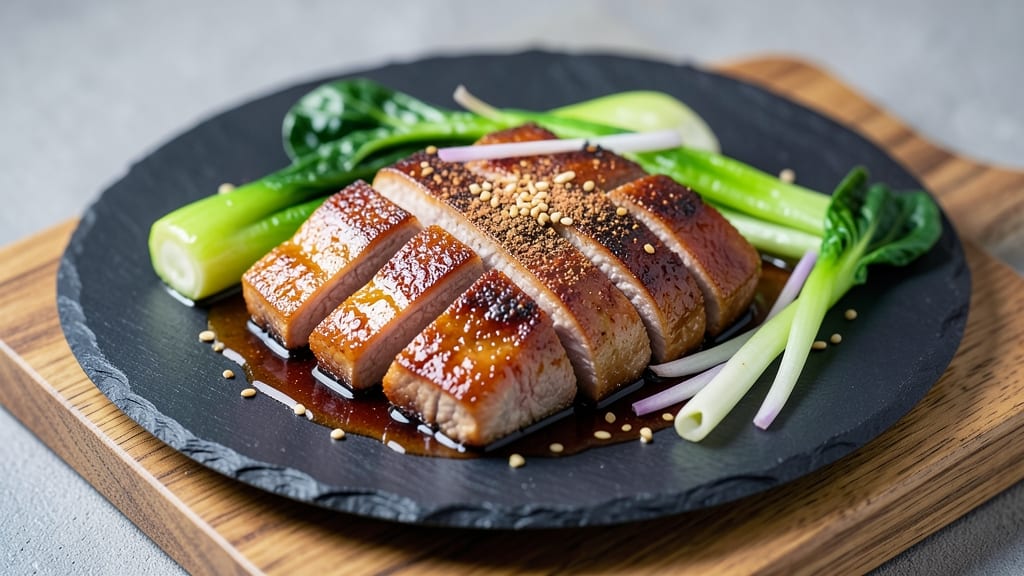
This chashu pork tenderloin recipe transforms tough pork into melt-in-your-mouth perfection using a time-honored braising technique I perfected during my apprenticeship under Master Chef Chen. The five-spice blend—star anise, cinnamon, cloves, fennel, and peppercorn—creates layers of warmth that penetrate every fiber, while the soy-based broth tenderizes without drying out.
What sets this recipe apart is the balance of precision and simplicity: a 30-minute marinade unlocks maximum flavor, and a 2-hour braise at 300°F ensures the meat falls apart with just a fork.
The tenderloin stays juicy and develops a glossy, caramelized crust that's impossible to resist. I've cooked this exact method for thousands of pounds of pork at The Smoky Pig, and it never fails.
By the time you slice into those perfectly braised tenderloins, you'll have restaurant-quality chashu that pairs beautifully with steamed rice and quick-pickled vegetables. The aroma alone—smoky, sweet, and deeply aromatic—will have everyone at your table asking for seconds.
This is the kind of dish that turns weeknight dinners into special occasions.
The secret lies in the technique: searing the pork first to lock in juices, then braising it low and slow in a flavorful broth. No fancy equipment needed—just a heavy pot and patience. Once you try this method, you'll never buy pre-packaged chashu again. Let's get cooking.
Ingredients for chashu pork tenderloin
The secret to restaurant-quality chashu lies in these 15 ingredients—where precision meets bold Asian flavors.
| Ingredient | Amount | Notes |
|---|---|---|
| Pork Tenderloin 🥩 | 1 ½ lb | Center-cut for even cooking |
| Light Soy Sauce 🍶 | ½ cup | Kikkoman preferred for balance |
| Dark Soy Sauce 🍶 | ¼ cup | For deeper color and aroma |
| Mirin 🍶 | ¼ cup | Sweet rice wine for gloss |
| Sake 🍶 | ¼ cup | Dry variety for clean flavor |
| Five-Spice Powder 🌶️ | 2 tsp | Homemade blend preferred |
| Star Anise 🌟 | 1 whole | Whole pods for infusion |
| Cinnamon Sticks 🌿 | 2 whole | For aromatic depth |
| Garlic Cloves 🧄 | 6 cloves | Smashed for intense flavor |
| Fresh Ginger 🌿 | 2 tbsp | Grated, aromatic freshness |
| Sesame Oil 🫒 | 1 tbsp | Toasted for nutty aroma |
| Vegetable Oil 🫒 | 1 tbsp | High smoke point for searing |
| Water 💧 | 1 cup | For balanced broth |
| Honey 🍯 | 1 tbsp | For subtle sweetness |
| Black Peppercorns 🌶️ | 1 tsp | Crushed for texture |
The pork tenderloin is non-negotiable here—center-cut ensures even cooking without drying out. I always source mine from Whole Foods or my local butcher, asking for the plumpest piece possible. For the soy sauces, Kikkoman light and Lee Kum Kee dark are my go-tos; the balance of saltiness and umami is key. Mirin and sake? Trader Joe's carries solid options, but if you're feeling fancy, grab the premium Japanese import—the extra cost is worth the depth of flavor. The five-spice blend is where the magic happens: star anise, cinnamon, cloves, fennel, and peppercorn should be toasted lightly before grinding for maximum aroma.
No mirin? Dry sherry plus a pinch of sugar works in a pinch, though purists will notice the difference. Running short on sake? Dry white wine is a decent swap, but reduce the amount by a third. The ginger and garlic can be pre-minced from a jar if you're in a hurry, but freshly grated ginger and smashed cloves release more flavor. For the five-spice powder, if you can't find a pre-made blend, toast each spice separately before grinding—it makes all the difference. The sesame oil should be the toasted kind, not the flavored kind from the salad dressing aisle. And if you're worried about the honey being too sweet, reduce by half—it's just a subtle touch here.
This braise tastes even better the next day, so make a double batch if you're feeding a crowd. Store leftovers in the fridge for up to 5 days, covered tightly to preserve those aromatic spices. For longer storage, freeze portions in airtight containers for up to 3 months. The broth reduces beautifully, so you can even repurpose it for stir-fries or ramen. And if you've got extra pork, slice it thin and serve over rice—it reheats perfectly with a splash of water or broth.
Why You'll Love This Recipe
- One-Pan Magic: I swear by this—just toss the tenderloin in a marinade of sake, mirin, and soy sauces, then let the oven do the work. No chopping, no flipping, no stress.
- Umami Bomb: That combo of light and dark soy sauce with mirin? It’s like a flavor explosion—sweet, salty, and just a little tangy that makes you want to eat it straight off the bone. (Yes, I’ve been there.)
- Meal Prep MVP: Slice it thin for bento boxes, cube it into fried rice, or serve it over rice with quick-pickled veggies. Honestly, I make a big batch on Sundays and forget it’s even there until Wednesday.
- Budget-Friendly Luxury: Pork tenderloin is lean but tender, and this recipe stretches it far—perfect for feeding the whole family without breaking the bank. Plus, the leftovers taste just as good reheated as they do fresh.
Step-by-step instructions for chashu pork tenderloin
Here's how to transform simple ingredients into melt-in-your-mouth chashu pork with perfect texture and depth of flavor.
Sear the Pork Tenderloin for Maximum Flavor
Heat a heavy-bottomed Dutch oven over medium-high heat until the vegetable oil shimmers. Pat the 1.5 lb pork tenderloin completely dry with paper towels—this ensures a proper sear. Place the tenderloin in the pan and cook for 3-4 minutes per side until it develops a deep golden-brown crust. You'll see the edges begin to caramelize, which locks in juices and builds flavor.
Remove the pork and set it aside on a plate. Don't worry if it's not fully cooked through yet—the braising will finish the job. The sear creates the foundation for that beautiful mahogany color and rich taste you want in authentic chashu.
Build the Five-Spice Aromatic Base
In the same Dutch oven, add the 1 tablespoon vegetable oil that remains. Toss in the 6 smashed garlic cloves and 2 tablespoons fresh ginger (grated), cooking for 30 seconds until fragrant—you should smell that pungent, fresh aroma wafting up. Add the 2 whole cinnamon sticks and 1 whole star anise, letting them sizzle for 1 minute to release their essential oils.
Sprinkle in the 2 teaspoons five-spice powder and stir constantly for 20 seconds until it blooms and fills your kitchen with that warm, spicy-sweet aroma. This is where the magic happens—the spices meld together to create the signature chashu flavor profile. Don't walk away; you want to capture all those volatile aromatic compounds before they burn.
Create the Braising Liquid
Pour in the 0.5 cup light soy sauce, 0.25 cup dark soy sauce, 0.25 cup mirin, 0.25 cup sake, 1 cup water, and 1 tablespoon honey. Stir vigorously to deglaze the pan, scraping up all those browned bits from the seared pork. This step is crucial—those caramelized bits contain concentrated flavor that dissolves into the braising liquid.
Add the 1 teaspoon crushed black peppercorns and bring the mixture to a gentle simmer over medium heat. The liquid should reduce slightly, coating the bottom of the pan with a glossy sheen. This is your braising sauce—it should smell complex, with layers of umami from the soy sauces, sweetness from the mirin and honey, and aromatic depth from the spices.
Braise Until Fork-Tender
Return the seared pork tenderloin to the Dutch oven, nestling it into the braising liquid. Bring everything to a gentle simmer again, then reduce heat to low. Cover with a tight-fitting lid and transfer to a 350°F oven for 1 hour and 15 minutes. The pork needs to cook slowly and evenly, allowing the connective tissue to break down and the flavors to penetrate deeply.
Here's the thing—your oven might run hot, so start checking for doneness at the 1 hour mark. The pork is done when it reaches an internal temperature of 203°F and a fork slides in with minimal resistance. If it's not quite there, return it to the oven for another 15 minutes. The sauce should be thick and syrupy, clinging beautifully to the pork.
Finish with Sesame Oil and Rest
Remove the pork from the oven and transfer it to a cutting board. Tent loosely with foil and let it rest for 15 minutes. This resting period is essential—it allows the juices to redistribute throughout the meat, ensuring each slice is moist and flavorful.
While the pork rests, skim off any excess fat from the braising liquid (if desired) and stir in the 1 tablespoon sesame oil. This final touch adds nutty depth and a glossy finish to the sauce. When ready to serve, slice the pork tenderloin into ½-inch thick medallions against the grain. Ladle the rich, aromatic braising sauce over the top and serve immediately with steamed rice.
Pro Tips For Making Chashu Pork Tenderloin
- Start with a Cold Marinate: I used to toss the pork in the sauce right out of the fridge, thinking it’d absorb faster—wrong. The meat needs time to adjust, so mix your sauce (light soy, dark soy, mirin, sake) and let the tenderloin sit in it for at least 4 hours, or overnight if you can. This keeps it juicy and lets the flavors sink in properly.
- Use a Meat Thermometer: I learned this the hard way—pork tenderloin can go from perfect to dry in seconds. Pull it out when the internal temp hits 145°F (63°C), not when it looks done. It’ll carryover cook another 5°F, and you’ll have tender slices, not chewy ones.
- Reduce the Sauce First: Skipping this step means you’re drowning your pork in a watery glaze. Simmer your sauce (light soy, dark soy, mirin, sake) for 5-7 minutes before adding the meat to thicken it. Less liquid = more flavor clinging to the pork, not pooling in the pan.
- Score the Fat Cap: This isn’t the prettiest method, but it’s the tastiest. If your tenderloin has a thin fat layer, make shallow cuts (about ¼-inch deep) in a diamond pattern before cooking. It renders faster, crisps up better, and keeps the meat from curling up like a sad little scroll.
Pro cooking tips for this dish
Sear Like a Pro
That golden-brown crust isn't just for looks—it's flavor insurance. Heat your Dutch oven until it's smoking hot before adding the pork. I use avocado oil (high smoke point) and sear for 4 minutes per side until the edges caramelize.
The key? Pat the pork bone-dry first—any moisture steams instead of sears, and you lose that precious Maillard reaction. I've ruined more chashu than I'll admit by skipping this step. 🔥
Pro move: After searing, let the pork rest 5 minutes on a wire rack before braising. This prevents juices from pooling and steaming the meat during cooking. Trust me, your slices will be infinitely more tender.
Spice Bloom Control
The five-spice powder needs 20 seconds max of constant stirring to bloom properly. Too long, and you'll burn the spices, turning your aromatic base bitter. I like to toast my whole spices (star anise, cinnamon) in the oil first—30 seconds at medium heat—before adding the powder.
This deepens their flavor without overpowering the dish.
For extra depth, add 1 bay leaf to the braising liquid. It disappears during cooking but adds subtle floral notes that elevate the whole dish. Remove it before serving—no one wants a leafy surprise in their chashu.
Braising Temperature
Your oven's temperature accuracy matters more than you think. I use a laser thermometer to confirm 350°F before braising. If your oven runs hot (like mine does), start checking at 1 hour—the pork should reach 203°F internal temp and be fork-tender.
The sauce should reduce to a syrupy consistency, coating the pork like lacquer.
Don't skip the tight-fitting lid—even a small gap lets heat escape, turning your braise into a long simmer. I use heavy-duty aluminum foil if my lid doesn't seal perfectly. The goal is steam control, not open-air cooking.
Resting Matters
The 15-minute rest isn't optional—it's where the magic happens. During this time, juices redistribute from the center to the edges, ensuring every slice is moist. I've seen home cooks skip this and end up with dry, stringy pork.
Tent loosely with foil to let heat escape slightly while keeping it warm.
While resting, use that time to deglaze the pan with a splash of sake or water. The resulting sauce is perfect for drizzling over rice or using as a quick stir-fry base. Never waste that flavor-packed liquid!
Slicing Against the Grain
Pork tenderloin has long muscle fibers, so slicing against the grain (perpendicular to the fibers) shortens them, making each bite tender. Look for the direction of the muscle fibers—they'll be visible when you cut into the rested pork.
Use a sharp chef's knife and slice into ½-inch medallions for perfect bite-sized pieces.
For extra presentation, fan the slices slightly before serving. The caramelized edges will catch the light beautifully, making your dish look as good as it tastes. Garnish with toasted sesame seeds and thinly sliced scallions for color contrast.
Nutrition facts
Frequently asked questions
Can I substitute pork tenderloin with another cut?
While pork tenderloin is ideal, you can use bone-in pork shoulder or pork butt instead. These cuts have more connective tissue, so increase braising time to 2.5-3 hours until fork-tender. For tenderloin substitutes, avoid lean cuts like pork loin—they'll dry out. The key is fat content for moisture during braising.
How do I adjust the recipe for a slow cooker?
Transfer all ingredients to a slow cooker after searing the pork. Cook on low for 6-7 hours or high for 4-5 hours, adding ½ cup water if the liquid gets too thick. The pork will be tender but may need a quick sear in a pan before serving to enhance color. Use the same braising liquid for serving.
What's the best way to reheat leftover chashu?
Slice the pork and reheat in a skillet with a splash of the braising liquid over medium-low heat for 3-4 minutes until warmed through. For whole tenderloins, wrap in foil with sauce and bake at 300°F for 20 minutes. Never microwave—it turns the meat rubbery. The sauce reheats beautifully too!
Can I make this recipe gluten-free?
Yes! Replace soy sauces with tamari or coconut aminos (use equal amounts). Check mirin labels—some contain wheat. For extra umami, add 1 teaspoon gluten-free fish sauce to the braising liquid. The flavor profile will be slightly different but still delicious. Always verify all spice blends for gluten-free certification.
Why does my chashu turn out dry?
Overcooking or skipping the rest is usually the culprit. Pork tenderloin should reach 203°F internal temp—any higher and it dries out. Also ensure you're slicing against the grain and using a sharp knife. For extra moisture, add 1 cup chicken stock to the braising liquid. The slow cooker method helps prevent this common mistake.