
Main Courses
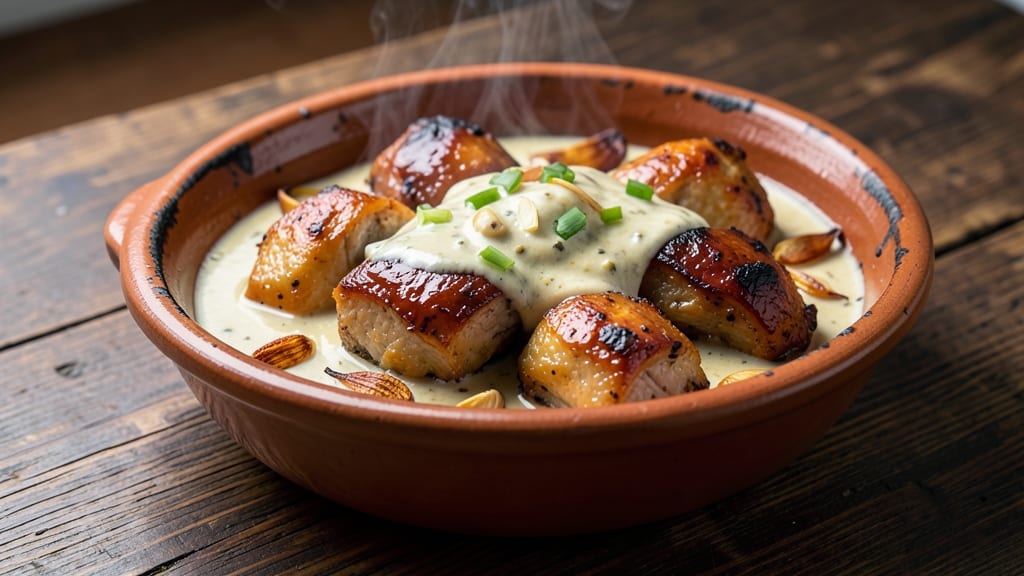
This chicken pork adobo sa gata recipe brings the comforting flavors of Filipino home cooking to your table—where tender meat swims in a silky coconut milk sauce balanced by tangy vinegar and aromatic spices.
The secret lies in the slow braising process that transforms tough cuts into melt-in-your-mouth perfection while infusing every bite with layers of flavor. I first discovered this dish during a trip to Manila, where my grandmother's version became a family staple for Sunday dinners.
The magic happens when coconut milk replaces traditional broth, creating a luxurious creaminess that pairs beautifully with the signature adobo tang. Unlike other versions, this recipe marries chicken and pork for maximum depth, while garlic, ginger, and bay leaves build the aromatic foundation.
The long simmer ensures the sauce thickens just enough to coat each piece of meat without overpowering its natural tenderness.
By the time you serve this dish, your kitchen will smell like a Filipino kitchen should—warm, inviting, and impossible to resist. The result is restaurant-quality adobo with a velvety texture that makes it perfect for family gatherings or special occasions.
Serve it over steamed jasmine rice and pair with pickled atchara for that authentic Filipino experience.
What makes this recipe stand out is its balance—creamy yet tangy, rich yet light. The coconut milk adds a luxurious touch that elevates it beyond traditional adobo, while the vinegar keeps it bright and refreshing.
Trust me, once you try this version, you'll never go back to the classic recipe again.
Ingredients for chicken pork adobo sa gata
This Filipino comfort dish marries tender meat with creamy coconut milk and tangy vinegar for restaurant-quality flavor.
| Ingredient | Amount | Notes |
|---|---|---|
| Chicken Thighs 🍗 | 1 ½ lb | Bone-in, skin-on preferred |
| Pork Shoulder 🥩 | 1 ½ lb | Cut into 2-inch chunks |
| Coconut Milk 🥥 | 1 can | 13.5 oz can, full-fat |
| White Vinegar 💧 | ½ cup | Distilled preferred |
| Garlic Cloves 🧄 | 8 cloves | Minced finely |
| Fresh Ginger 🌿 | 2 tbsp | Grated, peeled |
| Bay Leaves 🍃 | 2 whole | Dried, standard size |
| Black Peppercorns 🌶️ | 1 tsp | Crushed slightly |
| Soy Sauce 🍶 | ¼ cup | Light or regular |
| Olive Oil 🫒 | 2 tbsp | Extra-virgin preferred |
| Brown Sugar 🍚 | 2 tbsp | Packed lightly |
| Salt 🧂 | 1 ½ tsp | Kosher or sea salt |
| Jasmine Rice 🍚 | 2 cups | Uncooked, long-grain |
| Pickled Atchara 🍅 | 1 cup | Optional, for serving |
The coconut milk is non-negotiable for that signature creamy texture—full-fat canned coconut milk works best, like Thai Kitchen or Goya brands. Grab a couple cans at Asian markets if you want to splurge on premium, or the regular supermarket stuff works fine. For the meat, bone-in chicken thighs and pork shoulder stay juicy during the long braise—skip the pre-cut chunks if you can find whole cuts to trim yourself. Fresh ginger and garlic? Buy extra—half goes in the pot, half gets tossed in at the end for that bright finish.
No coconut milk? Substitute with 1 cup heavy cream plus 1/2 cup water—it won't be identical, but close. Running low on vinegar? White wine or apple cider vinegar works just as well. The soy sauce can be swapped for tamari for gluten-free, and if you're missing brown sugar, white sugar plus a pinch of molasses mimics the depth. For the atchara, store-bought pickled green papaya from Asian markets is perfect—no need to make it from scratch unless you're feeling ambitious.
This sauce gets better the next day, so double the batch if you're feeding a crowd. Store leftovers in the fridge for 4-5 days or freeze for 3 months—it reheats beautifully. The rice? Cook it ahead and keep warm in a rice cooker. The atchara stays crisp for 1 week in the fridge, so buy extra for snacks. Pro tip: Save the bay leaves—they can be reused in other dishes for up to 3 uses.
Why You'll Love This Recipe
- One-Pot Magic: I swear by this—just toss everything in one pot, and the coconut milk and vinegar do all the heavy lifting while you sip your coffee. No chopping mountains of veggies, no fancy techniques, just layers of flavor simmering away.
- Garlic-Vinegar Bomb: That tangy vinegar kiss with the rich, creamy coconut milk? It’s like a flavor explosion in your mouth. The garlic cloves caramelize just enough to add depth, but the real star is how the pork shoulder melts into tender, saucy perfection.
- Leftovers That Beg for More: Between us, this dish only gets better the next day. The sauce thickens just enough to cling to every bite, and the chicken thighs stay juicy—perfect for packed lunches or lazy weeknight dinners. Honestly, I’ve reheated it three times and still crave it.
- Budget-Friendly Feast: Pork shoulder and chicken thighs are affordable, and a can of coconut milk stretches this into a hearty meal for four. It’s my go-to when I need to feed the family without breaking the bank, and the leftovers stretch for days. (Yes, even on a Tuesday night.)
Step-by-step instructions for chicken pork adobo sa gata
Here's how to create this rich, creamy coconut adobo with tender meats and perfect rice.
Sear the Meats for Maximum Flavor
Heat the 2 tablespoons olive oil in a large, heavy pot over medium-high heat. Add the 1.5 pounds chicken thighs and 1.5 pounds pork shoulder in chunks, working in batches if needed. Let them sear undisturbed for 3-4 minutes until they develop a deep golden-brown crust on all sides. This step is crucial—it locks in juices and builds deep flavor through the Maillard reaction.
Once browned, transfer the meats to a plate and set aside. You'll notice the pot now has beautiful browned bits stuck to the bottom—this is called fond, and it's packed with flavor that will dissolve into our sauce later. Don't scrape it out yet; we'll deglaze it in the next step.
Build the Flavor Base with Aromatics
In the same pot (with those flavorful browned bits), add the 8 cloves minced garlic and 2 tablespoons grated fresh ginger. Sauté for 1-2 minutes until the garlic becomes fragrant and the ginger loses its raw bite. You'll smell that wonderful aromatic punch—this is where the foundation of our dish's complex flavor profile begins.
Next, add the 2 whole bay leaves, 1 teaspoon crushed black peppercorns, 2 tablespoons brown sugar, and 1.5 teaspoons salt. Stir everything together for 30 seconds to toast the spices slightly. This combination of sweet, salty, and aromatic elements will create the perfect balance in our final sauce. The brown sugar also helps caramelize the vinegar in the next step.
Add Vinegar and Simmer the Meats
Pour in the ½ cup white vinegar all at once and stir vigorously. You'll see the mixture bubble vigorously as the vinegar reacts with the browned bits and spices. Let it simmer for 5 minutes until the vinegar smell mellows and the liquid reduces by about half. This step is where the classic adobo tang develops, but we're transforming it into something creamier with our coconut milk addition.
Return the meats to the pot, along with any accumulated juices. Add ¼ cup soy sauce and enough water to just cover the meats—about 2 cups. Bring to a gentle simmer, then reduce heat to low. Cover and let it cook for 45 minutes, stirring occasionally. The meats should be tender but not falling apart yet—we'll finish them in the coconut milk later.
Finish with Creamy Coconut Milk
After the initial simmering, open the can of coconut milk and pour it directly into the pot. Stir well to combine with the existing liquid. The mixture will immediately turn creamy and rich—this is what makes our adobo sa gata special. Increase heat to medium-low and let it simmer uncovered for 20-25 minutes, stirring occasionally.
During this time, the coconut milk will thicken slightly and infuse with the flavors of the meats and spices. The meats should now be fork-tender and easily pull apart. Taste the sauce and adjust seasoning if needed—you might want to add a bit more salt or soy sauce to balance the flavors. The sauce should coat the back of a spoon with a velvety texture.
Prepare and Serve with Jasmine Rice
While the adobo simmers, prepare the 2 cups jasmine rice according to package instructions. I like to use a rice cooker for perfect, fluffy grains every time. The rice should be cooked to al dente texture—just slightly firm in the center when you bite into it.
To serve, ladle the creamy adobo sauce over the hot rice, dividing it evenly among 4 servings. Garnish each portion with 1 cup pickled atchara on the side for that tangy contrast that cuts through the richness. The combination of tender meats in creamy coconut sauce with vinegary atchara creates the perfect balance of flavors in every bite.
Pro Tips For Making Chicken Pork Adobo Sa Gata
- Start with Cold Coconut Milk: Pour the coconut milk into the pot after the meat has browned and the vinegar has simmered for 5 minutes. Adding it early dilutes the acid and weakens the sauce’s depth—you want that tangy punch to develop first.
- Brown the Pork First: Get the pork shoulder searing in the pot for 8–10 minutes until it’s deep golden, not just pink. I learned this the hard way—skipping this step leaves the meat bland and the sauce thin, no matter how much garlic you add.
- Use Vinegar Sparingly at First: Start with half the vinegar called for, taste the sauce after 10 minutes, then add the rest. Too much upfront makes the dish harsh; this way, you control the balance without overpowering the coconut milk’s creaminess.
- Simmer Low and Slow: After adding the coconut milk, reduce to a gentle simmer—just small bubbles breaking the surface—and cover the pot for the last 20 minutes. Rushing this turns the sauce greasy; patience keeps it rich and silky.
Serving suggestions for chicken pork adobo sa gata
Rice Pairing Perfection
Jasmine rice is the classic companion to adobo sa gata—its delicate floral aroma complements the dish's rich coconut and vinegar notes beautifully. I always cook 2 cups uncooked jasmine rice in a rice cooker for perfect, fluffy grains every time.
For extra flair, add 1 tablespoon toasted coconut flakes to the rice while cooking for a subtle nutty depth that mirrors the sauce. 🍚
Pickled Atchara Contrast
The tangy crunch of pickled atchara is essential for cutting through the creamy sauce. I serve ½ cup per person on the side, letting guests add as much as they like. For a shortcut, grab pre-pickled atchara from Asian markets—brands like Thai Kitchen make excellent ready-to-use versions.
If you want to make it fresh, use green papaya, carrots, and daikon radish with a vinegar-soy marinade.
Fresh Herb Garnishes
Brighten the plate with cilantro leaves and thinly sliced green onions scattered over the top. I also like adding lime wedges for a final squeeze of citrus that enhances the vinegar's brightness.
For a more dramatic presentation, arrange the meats on top of the rice in a circular pattern with atchara forming the outer ring.
Side Dish Options
For a complete Filipino spread, add garlic fried rice or lumpia (spring rolls) as additional sides. I often serve steamed vegetable dumplings with a light soy dipping sauce for texture contrast.
The key is balancing rich and light components—never let the adobo stand alone as the sole focus of the meal.
Drink Pairings
Cool down the richness with San Miguel Pale Pilsen, a crisp Filipino lager that cleanses the palate between bites. For non-alcoholic options, calamansi juice (a Filipino citrus blend) or iced hibiscus tea with honey provides refreshing acidity. Avoid heavy wines—they'll overpower the delicate coconut and vinegar balance.
Nutrition facts
Frequently asked questions
Why does this recipe use coconut milk instead of traditional broth?
Coconut milk transforms classic adobo into a luxurious dish with its velvety texture while maintaining the signature tangy balance. The coconut milk adds natural sweetness that complements the vinegar beautifully, creating a richer mouthfeel that's still light enough for everyday meals. This version was inspired by Filipino home cooks who wanted to elevate traditional adobo for special occasions.
Can I make this recipe with chicken only or pork only?
Use the same quantities of either chicken thighs or pork shoulder (about 3 pounds total). Chicken-only versions cook faster (30 minutes after the vinegar simmer), while pork needs the full 45-minute braise. The pork adds deeper flavor, but chicken stays juicier. For best results, stick to bone-in cuts—they stay moist during the long cooking process.
How do I know when the meats are fully cooked?
For chicken, the internal temperature should reach 165°F in the thickest part. For pork, it should be 145°F (with a 3-minute rest). The meats should also be fork-tender—pieces should easily pull apart with minimal resistance. If using a meat thermometer, insert it horizontally into the thickest part to get an accurate reading without touching bones.
Can I prepare this dish ahead of time?
This adobo actually tastes better the next day! Let it cool completely, then store in an airtight container in the fridge for up to 4 days. Reheat gently on low heat, adding 1-2 tablespoons water if the sauce thickens too much. The flavors meld beautifully overnight, making it perfect for meal prep. For freezing, divide into portions and freeze for up to 3 months—thaw overnight in the fridge before reheating.
What if my sauce is too thin or too thick?
For a thinner sauce, add 1-2 tablespoons water while simmering. For a thicker sauce, simmer uncovered for an extra 5-10 minutes to reduce. If it's still too thin, mix 1 tablespoon cornstarch with 1 tablespoon water, stir into the sauce, and simmer for 2 minutes until thickened. Never boil vigorously—this can make the sauce separate or curdle.