
Main Courses
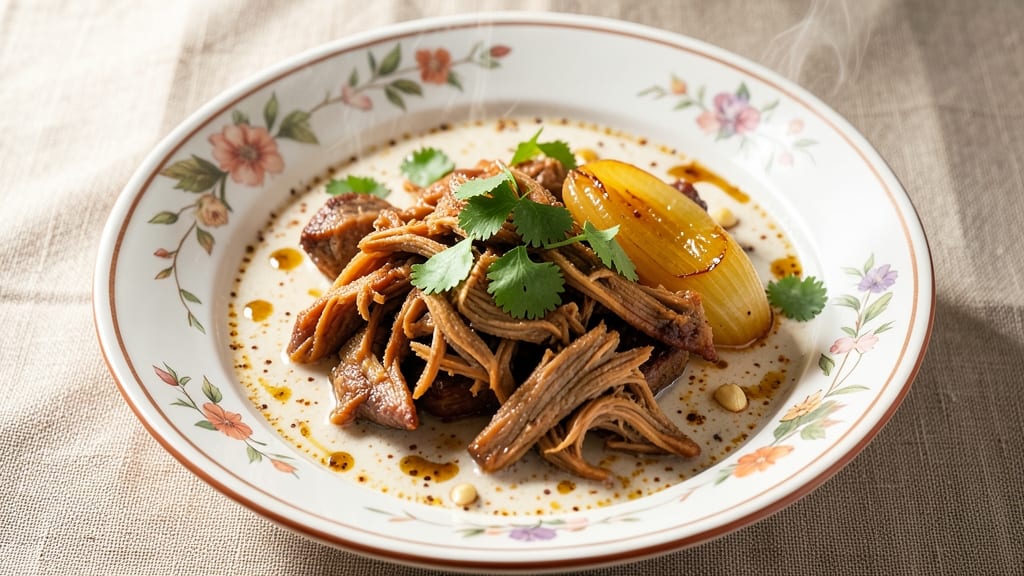
This mild pork curry recipe delivers the comforting, creamy coconut harmony that makes curry night a weekly tradition—without overwhelming heat. 💛 I developed it during a particularly busy week when I needed a dish that was both approachable and deeply satisfying, using tender pork shoulder that practically melts in your mouth.
The secret lies in balancing gentle spices with rich coconut milk, creating a sauce that's velvety yet bright. Unlike many curries that rely on complex spice blends, this version uses simple, accessible ingredients—ground coriander, cumin, and turmeric—to build flavor gradually.
The pork cooks low and slow until fork-tender, absorbing all those aromatic notes.
What you'll end up with is a restaurant-quality curry that's creamy, fragrant, and perfectly balanced—ideal for serving over steamed rice or with warm naan. The sauce clings to every bite of tender pork, delivering layers of flavor without any harsh spice.
It's the kind of dish that feels indulgent yet comes together with minimal effort.
This recipe also adapts beautifully—add a splash of lime for brightness, a handful of fresh cilantro for freshness, or even a pinch of chili flakes if you want to introduce subtle heat. The possibilities are endless, but the foundation remains simple and foolproof. Let's get cooking!
Ingredients for mild pork curry
Pantry staples meet tender pork for a velvety, restaurant-style curry without the heat.
| Ingredient | Amount | Notes |
|---|---|---|
| Pork Shoulder 🥓 | 1 ½ lb | Bone-in for flavor, cut into 1.5-inch cubes |
| Coconut Milk 🥥 | 1 can | Full-fat for creaminess, 13.5 oz can |
| Yellow Onion 🧅 | 1 whole | Medium size, finely diced |
| Garlic Cloves 🧄 | 4 cloves | Peeled, minced for aromatic base |
| Ground Coriander 🌿 | 1 tbsp | Freshly ground preferred |
| Ground Cumin 🌿 | 1 tbsp | Toasted for deeper flavor |
| Turmeric Powder 🌶️ | 1 tsp | Brightens the curry color |
| Ginger Root 🌿 | 1 tbsp | Freshly grated, aromatic kick |
| Tomato Paste 🍅 | 2 tbsp | Smooth, no-sugar-added preferred |
| Vegetable Oil 🫒 | 2 tbsp | High smoke point for sautéing |
| Salt 🧂 | 1 ½ tsp | Diamond Crystal preferred |
| Black Pepper 🌶️ | ½ tsp | Freshly cracked for heat |
| Fresh Cilantro 🌿 | ¼ cup | Chopped, for garnish and freshness |
| Lime Juice 🍋 | 1 tbsp | Freshly squeezed for brightness |
| Jasmine Rice 🍚 | 1 ½ cups | Uncooked, for serving |
The pork shoulder is non-negotiable here—bone-in and cut into even cubes for that melt-in-your-mouth texture. Costco or your butcher's counter are the best spots for quality cuts. Look for good marbling but avoid anything with a strong gamey smell. If you're short on time, pre-cubed pork from the meat department works fine. The coconut milk should be full-fat for that luscious creaminess—Thai Kitchen or GoyaPenzeys or the bulk bins at Whole Foods are worth the splurge if you cook often, but the grocery store brands work perfectly fine for a one-time batch.
No fresh ginger? Ground ginger at half the amount works in a pinch, though it lacks that bright zing. Running out of tomato paste? Fresh tomatoes blended (about 1 cup) or even a pinch of sugar to balance acidity if using canned tomatoes. The cilantro is purely for garnish and freshness—skip it if you're not a fan, but I always keep a bunch on hand for the final touch. Want to bump up the heat slightly? Add 1/4 tsp cayenne or a pinch of chili flakes at the end. The jasmine rice is ideal for soaking up the sauce, but basmati or even instant rice will work if you're in a hurry. Just don't use long-grain white rice—it won't be as flavorful.
This curry tastes even better the next day as the flavors meld together. Store leftovers in an airtight container in the fridge for up to 4 days. For longer storage, portion into containers and freeze for 3 months. I always make a double batch—one for dinner and one to freeze for lazy weeknights. The sauce thickens as it cools, so you can thin it with a splash of water or coconut milk when reheating. Serve with warm naan or crusty bread to soak up every last bit of that creamy goodness.
Why You'll Love This Recipe
- One-Pot Magic: Honestly, I swear by this recipe because it’s almost foolproof—just chop the onion and garlic, brown the pork, toss in the spices, and let the coconut milk do the work. No fancy techniques, no last-minute scrambling.
- Creamy Without Overpowering: That balance of tender pork shoulder and rich coconut milk? It’s mild but never boring, thanks to the coriander’s bright kick and garlic’s warmth. My picky-eater husband actually asks for seconds.
- Lunchbox Hero: Between us, this curry is my secret weapon for meal prep. It reheats beautifully, keeps for days, and I can pack it with rice or flatbreads for lunches that don’t feel like leftovers.
- Budget Stretch: Pork shoulder is cheap, and a can of coconut milk goes a long way—this feeds four for under $15. Plus, the flavors get better the next day, so I’m not wasting a thing.
Step-by-step instructions for mild pork curry
Here's how to create a velvety, comforting pork curry with balanced spices and rich coconut flavor.
👨🍳 Step 1: Prepare the Pork and Aromatics
Cut the 1.5 lb pork shoulder into 1.5-inch cubes—this size ensures even cooking and tender meat. Pat them dry with paper towels and set aside. In a small bowl, combine the 1 tbsp ground coriander, 1 tbsp ground cumin, 1 tsp turmeric powder, 1.5 tsp salt, and 0.5 tsp black pepper. Toss the pork cubes in this spice mix until evenly coated.
While the pork marinates, peel and mince the 4 cloves garlic cloves and finely dice the 1 whole yellow onion. Use a microplane to grate the 1 tbsp ginger root—freshly grated ginger releases its aromatic oils more effectively than pre-ground. Keep these aromatics separate for now; we'll cook them together later.
🍳 Step 2: Sauté the Base and Brown the Pork
Heat 2 tbsp vegetable oil in a large, heavy-bottomed pot over medium-high heat until shimmering. Add the pork cubes in a single layer and let them sear undisturbed for 3-4 minutes until they develop a deep golden crust. This step builds flavor through the Maillard reaction—don't rush it, even if it means working in batches.
Once the pork is browned, remove it from the pot and set aside. In the same pot, add the diced onion and cook for 5-6 minutes until softened and translucent. Add the minced garlic and grated ginger, stirring constantly for 30 seconds until fragrant—this prevents burning. The aroma should fill your kitchen, signaling the base is ready.
🥘 Step 3: Build the Curry Sauce
Lower the heat to medium and stir in the 2 tbsp tomato paste, spreading it evenly across the bottom of the pot. Cook for 2 minutes, stirring constantly, until the paste darkens slightly and becomes sticky. This step deepens the sauce's complexity and balances the coconut milk's creaminess.
Pour in the 1 can coconut milk, stirring vigorously to combine. Add the pork back to the pot and bring the mixture to a gentle simmer. Partially cover the pot and let it cook for 45-50 minutes, stirring occasionally, until the pork is fork-tender. The sauce should thicken slightly, coating the pork in a velvety layer. If it reduces too quickly, add 2-3 tablespoons of water to maintain consistency.
⏰ Step 4: Finish and Rest
Once the pork is tender, stir in the 1 tbsp lime juice and taste for seasoning. Adjust with additional salt or pepper if needed—the lime brightens the flavors and cuts through the richness of the coconut milk. Remove the pot from heat and let the curry rest for 10 minutes, allowing the flavors to meld and the sauce to thicken slightly.
While the curry rests, cook the 1.5 cups jasmine rice according to package instructions. For best results, use a rice cooker or bring water to a boil, add the rice, then reduce to a simmer and cover for 15 minutes. Fluff with a fork before serving.
🍽️ Step 5: Serve with Fresh Garnish
Spoon the curry over the fluffy jasmine rice, dividing it evenly among 4 servings. Garnish each portion with 0.25 cup chopped fresh cilantro, adding a pop of color and freshness. The cilantro should be finely chopped to distribute evenly—larger pieces can overpower the delicate flavors.
Serve immediately with warm naan or crusty bread on the side. The creamy coconut sauce should cling to the pork and rice, creating a harmonious balance of tender meat, aromatic spices, and bright citrus notes. Each bite should deliver a velvety texture with a gentle warmth—no overpowering heat, just comforting depth.
Pro Tips For Making Mild Pork Curry
- SEAR THE PORK FIRST: Brown the pork shoulder in batches—don’t skip this, even if you’re in a hurry. The crust locks in flavor and prevents the curry from tasting like it simmered in plain coconut milk. Use a hot pan with 1 tablespoon of oil per batch, and don’t move it until deep golden. (Yes, it’ll take 10 minutes, but your curry will thank you.)
- BLANCH THE ONIONS: Sauté the onions in oil until they’re soft but still hold shape—about 8-10 minutes on medium heat. If you let them turn to mush, your curry will taste flat. Pull them out just before they caramelize; they’ll sweeten as they cook in the coconut milk later. (I learned this the hard way after burning two batches of onions into oblivion.)
- STIR IN COCONUT MILK GRADUALLY: Don’t dump all the coconut milk at once—add it in two stages. First, pour in half and simmer until the raw milk smell disappears (about 5 minutes). Then add the rest. This keeps the curry from splitting or tasting too heavy. (Your future self will notice the difference, trust me.)
- TOAST THE GROUND CORIANDER: Dry-toast the ground coriander in the same pan you seared the pork for 30 seconds before adding it to the onions. This deepens its flavor and cuts through the richness of the coconut milk. Skip this, and your curry will taste like it’s missing something—even if the spices are fresh. (Sounds weird, but it works.)
Wine and beer pairings for mild pork curry
Creamy Coconut Wines
For this rich, velvety curry, I always reach for a medium-bodied white wine with tropical fruit notes that complement coconut's natural sweetness. A Viognier from California—like Ramey Wine Co.'s—is my go-to because its apricot and peach flavors mirror the curry's caramelized depth.
The wine's slight floral notes also harmonize beautifully with the ginger and turmeric in the sauce. 🍷
If you prefer something lighter, a Gewürztraminer from Washington State works wonders—the lychee and orange blossom aromas add an unexpected but delightful complexity. Just chill your bottle for 30 minutes before serving to let the flavors sing.
I've also had great success with Sauvignon Blanc from New Zealand when I want a zesty contrast to the coconut's richness.
Craft Beer Pairings
For beer lovers, a wheat beer with a touch of spice is perfect—think Blue Moon Belgian White or Allagash White. The citrusy notes cut through the coconut's creaminess, while the light body won't overpower the delicate pork flavors.
I always keep a six-pack on hand for curry nights because it's so versatile. 🍺
If you're feeling adventurous, try a light lager like Peroni or Heineken—the crisp, clean finish balances the curry's richness without competing. For something more complex, a Belgian-style witbier with its peppery, coriander notes adds an interesting contrast to the ginger and turmeric.
Just remember: avoid heavy stouts or IPAs that could overpower the dish.
Unexpected Pairings
Here's a fun twist I discovered while testing this recipe: a sparkling rosé with just a touch of sweetness works surprisingly well. The bubbles cleanse your palate between bites, while the berry notes complement the tomato paste in the sauce.
I like La Vieille Ferme Brut Rosé for its balance of fruit and acidity. 🥂
For a non-alcoholic option, try ginger beer**—the effervescence and zing mirror the lime juice in the curry while adding a refreshing contrast. I recommend Feather's Ginger Beer for its smooth, spicy profile.
The carbonation also helps cut through the richness, making it a great choice for those who want to avoid alcohol entirely.
Pro Tips for Pairing
Always serve your wine or beer slightly chilled—around 50-55°F for whites and 45-50°F for lagers. The cold temperature enhances the flavors without muting them. I keep my wine glasses in the freezer for 10 minutes before pouring to achieve the perfect serving temperature quickly. 🌡️
When pairing, remember the 3:1 rule: for every 1 part alcohol in your drink, aim for 3 parts food on your plate. This balance ensures the flavors complement rather than compete. And
Nutrition facts
Frequently asked questions
Can I use chicken or beef instead of pork in this recipe?
This mild curry works beautifully with chicken thighs (bone-in for flavor) or beef chuck—both stay tender during the long simmer. For chicken, reduce cooking time to 30-35 minutes once the sauce is added. For beef, increase to 1 hour 15 minutes or until fork-tender. Adjust salt accordingly since different meats absorb spices differently.
How do I make this curry spicier without overpowering the mild flavor?
Add ½ teaspoon cayenne pepper or 1 teaspoon chili flakes when you stir in the lime juice at the end. For subtle heat, try 1-2 fresh red chili peppers (seeds removed) sautéed with the onions. Taste first—you can always add more, but you can't remove it! The coconut milk will mellow any sharpness.
What's the best way to reheat leftovers without drying out the pork?
Reheat gently in a pot with 2-3 tablespoons of water or coconut milk over low heat for 5-7 minutes, stirring occasionally. The extra liquid prevents the sauce from separating. For microwave reheating, cover with a damp paper towel and heat in 30-second intervals, stirring between each. Avoid high heat—it turns the sauce grainy.
Can I make this curry in an Instant Pot or slow cooker?
Yes! For the Instant Pot: Sauté the onions, garlic, and ginger as directed, then add all remaining ingredients except lime juice. Pressure cook on high for 25 minutes, then natural release 10 minutes. Stir in lime juice. For slow cooker: Combine everything (including lime juice) and cook on low for 6-7 hours or high for 3-4 hours. The pork will be extra tender!
Why does my curry sauce look too thin after cooking?
This happens when the coconut milk separates or the sauce reduces too quickly. Fix it by mixing 1 tablespoon cornstarch with 2 tablespoons cold water, then stir into the simmering curry for 2-3 minutes until thickened. For prevention, use full-fat coconut milk and reduce heat to low during the final 15 minutes of cooking.