
Main Courses
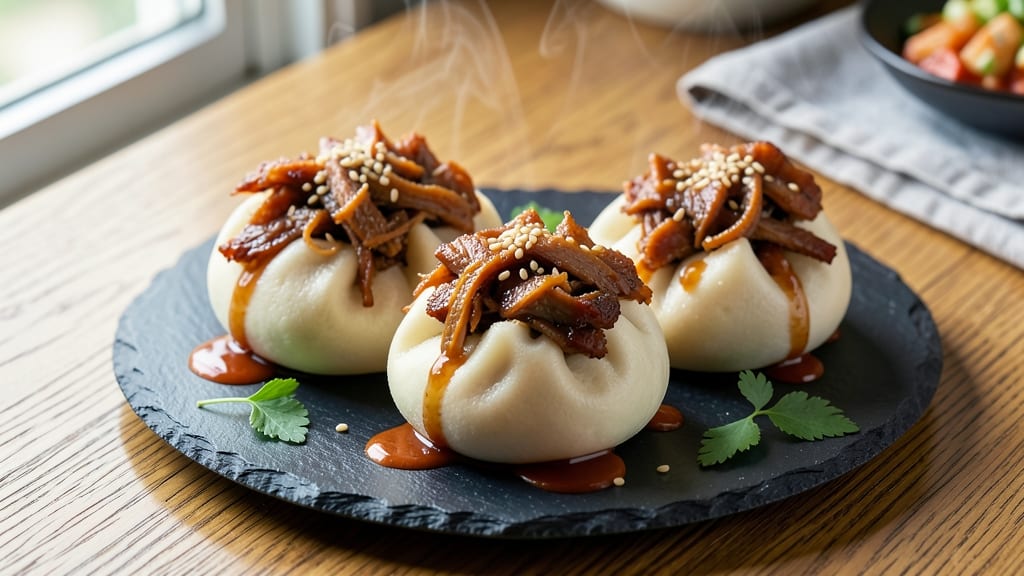
This Chinese baked BBQ pork bun recipe delivers the perfect balance of tender, flaky dough and sweet-savory pork filling—no steamer required. 🔥 After years of perfecting the technique, I've adapted this traditional recipe for modern home kitchens while keeping the soul intact.
The secret lies in the dough's high hydration and the slow-baked caramelized glaze that makes every bite irresistible.
The process starts with a simple yet transformative dough that develops its signature texture through a long fermentation—this is what gives those buns their signature pillowy structure.
Meanwhile, the pork filling gets its rich flavor from a blend of hoisin, soy sauce, and brown sugar, then baked until the edges caramelize into a glossy finish. It's the kind of dish that transforms a weeknight into a celebration.
What you'll end up with are golden-brown buns with crisp edges and soft, airy centers, each one stuffed with succulent pork that's been kissed by the caramelized glaze. The aroma alone will have everyone gathering around your table, and the contrast of textures—crisp, soft, tender—makes every bite unforgettable.
This is comfort food at its finest, elevated with professional technique.
Perfect for family dinners, potlucks, or when you want to impress guests without spending hours in the kitchen. The dough can be made ahead, and the filling comes together in one pan—making this recipe both approachable and impressive. Let's get started on creating these restaurant-quality buns at home.
Ingredients for chinese baked bbq pork bun
Twelve ingredients transform into twelve golden buns with crisp edges and tender centers—no steamer needed.
| Ingredient | Amount | Notes |
|---|---|---|
| All-Purpose Flour 🌾 | 4 ½ cups | High-protein for elasticity, like King Arthur |
| Instant Yeast 🍞 | ¼ oz | Active dry works too |
| Granulated Sugar 🍚 | ¼ cup | Feeds yeast for fermentation |
| Unsalted Butter 🧈 | ½ cup | Cold, cubed for dough |
| Whole Milk 🥛 | 1 cup | Warmed to 110°F for activation |
| Large Eggs 🥚 | 1 whole | Room temperature for mixing |
| Boneless Pork Shoulder 🥩 | 2 ½ lb | Fat-capped for juiciness |
| Hoisin Sauce 🍶 | ½ cup | Lao Gan Ma preferred |
| Light Soy Sauce 🥢 | ¼ cup | Kikkoman or similar |
| Brown Sugar 🍬 | ¼ cup | Packed for caramelization |
| Garlic Cloves 🧄 | 6 cloves | Minced for filling |
| Fresh Ginger 🌿 | 1 tbsp | Finely grated, peeled |
| Sesame Oil 🫒 | 1 tbsp | Toasted for aroma |
| Cornstarch 🌽 | 2 tbsp | For glaze gloss |
| Vegetable Oil 🫒 | 1 tbsp | For greasing pans |
The dough's texture hinges on King Arthur high-protein flour and proper fermentation. Bulk bins at World Market carry excellent options, or grab the bagged version at any major grocery store. For yeast, Fleischmann's active dry works reliably—just ensure it's fresh (test by floating in water). The butter should be cold and cubed to prevent over-developing the gluten during mixing. If you're short on time, instant yeast activates faster, but adjust the proofing time accordingly. The pork shoulder's fat cap is non-negotiable—it renders into the filling, creating that signature succulence.
No hoisin sauce? Substitute 3 tbsp soy sauce plus 1 tbsp molasses for depth. The filling's sweet-savory balance relies on brown sugar's caramelization—don't skip it. For ginger, fresh is ideal, but powdered at half the amount works in a pinch (though texture suffers). Sesame oil can be swapped for toasted peanut oil if unavailable, though flavor differs. The cornstarch glaze is crucial for that restaurant-quality shine—Arrowhead brand is widely available and dissolves smoothly. If your pork shoulder lacks fat, add 2 tbsp rendered duck fat to the filling for richness.
Dough ferments best at room temperature for 2 hours, then chills overnight—this develops flavor and texture. Store unused dough in an airtight container for up to 3 days or freeze for 3 months. The filling can be prepped a day ahead and refrigerated. For baking, line two 9x13-inch pans with parchment—this prevents sticking and makes cleanup effortless. Leftover buns reheat beautifully in a 350°F oven for 10 minutes to restore crispness.
Why You'll Love This Recipe
- No-Knead Magic: I swear by this dough—just mix the flour, yeast, sugar, and milk, let it rest, then roll. No standing over a counter, no aching arms. The butter keeps it tender without the fuss, and honestly? It’s the kind of recipe that makes me feel like a baking pro.
- Sweet-Savory Crunch: That crispy, caramelized top with the sticky-sweet BBQ pork inside? It’s the kind of bite that disappears too fast. The sugar in the dough caramelizes beautifully while baking, and the milk adds just enough richness to balance the smoky pork.
- Party in a Bun: Between us, these are my go-to for potlucks or family gatherings. They reheat perfectly—just a quick pop in the oven—and the kids (and adults) will fight over them. Plus, they’re cheap to make in bulk, so you can feed a crowd without breaking the bank.
- Leftovers? More Like Leftovers: I make a double batch every time because these stay fresh for days. Freeze extras for lazy mornings or last-minute cravings—they’re just as good reheated as they are fresh. And since they’re baked, not fried, they’re lighter on the wallet (and the guilt).
Step-by-step instructions for Chinese baked BBQ pork buns
Master the art of these delicate buns with tender pork filling and glossy glaze.
👨🍳 Step 1: Make the Dough and Let It Rise
In a stand mixer fitted with the dough hook attachment, combine the 4.5 cups all-purpose flour and 0.25 oz instant yeast. Mix on low speed for 30 seconds to aerate. Add the 0.25 cup granulated sugar, 1 cup whole milk (warmed to 110°F), and 1 whole large egg. Mix on medium speed for 5 minutes until the dough pulls away from the sides of the bowl and forms a soft ball.
Transfer the dough to a lightly greased surface and knead gently by hand for 2 minutes to develop gluten. Shape into a round and place in a greased bowl. Cover with plastic wrap and let rise in a warm place for 1-2 hours until doubled in size. The dough should feel light and springy when pressed gently.
🍳 Step 2: Prepare the Pork Filling
In a large skillet, heat 1 tablespoon vegetable oil over medium-high heat. Add the 2.5 lb boneless pork shoulder, cut into 1-inch cubes, and brown on all sides for 5-7 minutes. Remove the pork and set aside. In the same skillet, add 6 minced garlic cloves and 1 tablespoon finely grated fresh ginger. Sauté for 30 seconds until fragrant.
Return the pork to the skillet and add 0.5 cup hoisin sauce, 0.25 cup light soy sauce, and 0.25 cup packed brown sugar. Simmer for 10 minutes until the sauce thickens and coats the pork. Remove from heat and stir in 1 tablespoon toasted sesame oil. Let the filling cool completely before using.
🥘 Step 3: Assemble and Shape the Buns
Once the dough has risen, punch it down to release air and divide it into 12 equal portions (about 4 oz each). Roll each portion into a 6-inch circle using a rolling pin. Place 2 tablespoons of the pork filling in the center of each circle. Fold the dough over the filling to form a half-moon shape, then pinch the edges tightly to seal.
Place the assembled buns seam-side down on a greased baking sheet, spacing them 1 inch apart. Cover with a clean kitchen towel and let rise for 30-45 minutes until puffy. The dough should feel firm but still slightly soft to the touch.
🔥 Step 4: Bake and Glaze the Buns
Preheat your oven to 375°F. Bake the buns for 15-18 minutes until the bottoms are golden brown and the tops are set. While the buns bake, prepare the glaze by whisking together 2 tablespoons cornstarch and 0.5 cup water until smooth. Brush the glaze evenly over the tops of the buns immediately after removing them from the oven.
Return the buns to the oven for 2-3 minutes to set the glaze. The glaze should be glossy and slightly sticky. Let the buns cool for 5 minutes before serving. The filling should be tender and flavorful, and the dough should be soft yet sturdy enough to hold the filling.
Pro Tips For Making Chinese Baked Bbq Pork Bun
- STRETCH THE DOUGH: The dough for these buns needs a solid 20-minute knead by hand—or five minutes with a stand mixer—until it springs back when poked. I used to rush this, and my buns turned out dense and chewy. That window of time develops gluten properly, so don’t skip it, even if your arms start to protest.
- CHILL THE DOUGH: After kneading, let the dough rise at room temperature for about an hour, then refrigerate it for at least 12 hours (overnight works best). This slow fermentation deepens the flavor and makes the buns rise higher when baked. I learned this the hard way—skipping the chill gave me flat, sad buns that looked more like pancakes.
- USE COLD BUTTER: For the filling, mix the unsalted butter into the BBQ pork mixture while it’s still cold. The butter should be soft but not melted—think of it like room temperature, not warm. This prevents the filling from getting greasy and ensures it stays firm enough to hold its shape when baked. Trust me, your buns will thank you.
- STEAM THE BUNS FIRST: Before baking, steam the shaped buns for 5-7 minutes over boiling water. This gives them a head start on rising and adds a subtle chewiness that baking alone can’t match. After steaming, let them cool slightly before baking—this prevents them from overproofing in the oven. Sounds weird, but it works: your buns will be lighter and more tender.
Regional styles of this dish
Cantonese Style
In Cantonese cuisine, these buns are often called char siu bao—the filling is typically made with char siu pork, a sweet, sticky glaze-baked cut. I like to enhance the traditional recipe by adding 1 tbsp of Shaoxing wine to the filling for extra depth.
The dough is slightly denser here, with 1 extra tbsp of butter to create a richer texture. Serve with hoisin sauce for dipping—this is a must in Cantonese homes. 🥢
Sichuan Spicy Twist
For a Sichuan-inspired version, add 1 tbsp of Sichuan peppercorns (toasted and crushed) and 1 tsp of chili oil to the pork filling. The heat from the Lao Gan Ma chili crisp (sprinkled on top before baking) creates a perfect balance with the sweet glaze.
This version is a crowd-pleaser at spice-loving gatherings. I often serve it with a side of pickled mustard greens to cool the palate. 🌶️
Taiwanese Street Food
Taiwanese street vendors often bake these buns in cast iron pans for extra crispiness. For this version, I use 1 tbsp of maltose syrup in the filling instead of brown sugar—it caramelizes faster and gives that signature sticky texture.
The dough is rolled slightly thinner, and the buns are baked at 400°F for 12-15 minutes to achieve a crispier bottom. Top with crushed peanuts for a crunchy finish. 🥜
Hong Kong-Inspired Glaze
In Hong Kong, the glaze is often made with 1 tbsp of honey mixed into the cornstarch slurry for a sweeter, stickier finish. I also add 1 tsp of five-spice powder to the filling for warmth.
The buns are traditionally steamed, but baking at 350°F for 20 minutes gives a similar texture. Serve with black vinegar for a tangy contrast. This version is perfect for brunch or as a snack. 🍯
Modern Fusion Adaptation
For a contemporary twist, I've experimented with pulled pork instead of shoulder cuts—slow-cooked with apple cider vinegar and smoked paprika for a BBQ-inspired flavor. The dough remains the same, but the filling gets a smoky depth that pairs beautifully with the sweet glaze.
This fusion version is great for those who love a mix of traditional and modern flavors. 🔥
Nutrition facts
Frequently asked questions
Can I make the dough ahead of time?
The dough ferments best when made 12-24 hours ahead. After the initial 1-2 hour rise, refrigerate it in an airtight container until ready to use. This actually improves flavor and texture. Just let it sit at room temperature for 30 minutes before shaping to bring it back to working temperature.
What's the secret to getting that glossy glaze?
The cornstarch-water slurry is key, but timing matters too. Brush it on immediately after baking while the buns are still hot, then return to the oven for 2-3 minutes to set. For extra shine, add 1 tsp neutral oil to the glaze mixture. The high heat helps caramelize the sugars in the filling for that restaurant-quality finish.
Can I use chicken instead of pork?
While possible, pork's fat content creates that signature juicy texture. If using chicken, opt for dark meat thighs and reduce the filling by 20% since it's leaner. Also cut the baking time to 12-15 minutes as chicken cooks faster. The flavor will be lighter but still delicious—just don't expect the same rich mouthfeel.
Why did my buns turn out dense instead of fluffy?
Most likely your dough didn't ferment long enough or wasn't warm enough during proofing. The dough needs to double in size—if you rushed it, the gluten didn't relax properly. For next time, use a proofing box (or warm oven with bowl of hot water) to maintain consistent 80°F temperature. Also ensure your yeast is fresh (test by floating in water).
How do I store leftovers?
Cool completely, then store in an airtight container at room temperature for 2 days or refrigerate for 5 days. To reheat, wrap in foil and bake at 350°F for 10 minutes—this restores crispness. For freezing, bake first, then freeze on a tray before transferring to a bag. Thaw overnight in the fridge and reheat as above. The filling stays juicy when properly stored!