
Main Courses
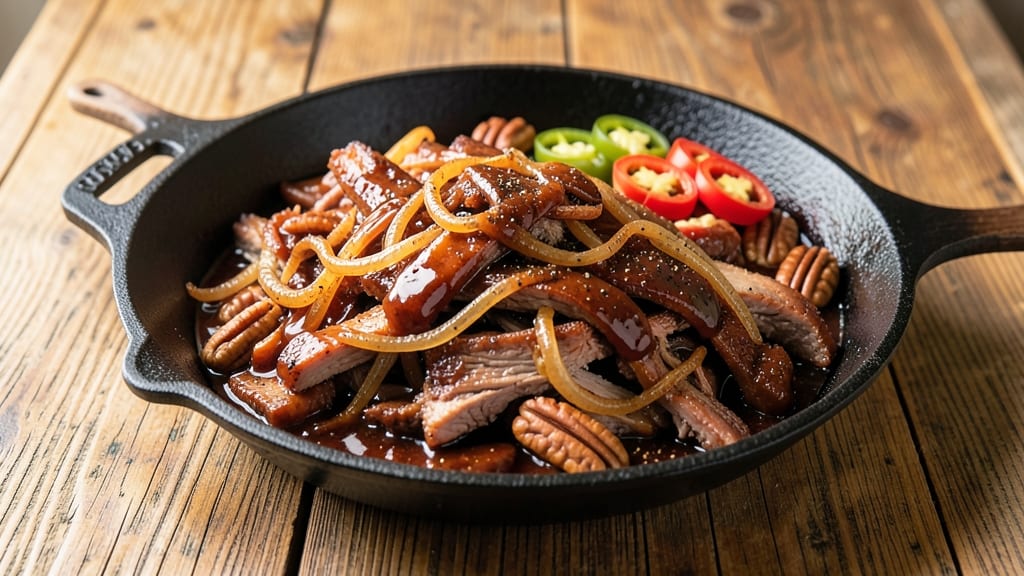
This frozen pulled pork recipe transforms tough pork shoulder into melt-in-your-mouth tenderness—starting from the freezer. After years of perfecting slow-cooked pork at The Smoky Pig, I’ve developed a method that ensures fall-apart texture whether you’re using a smoker, slow cooker, or oven.
The secret lies in the right seasoning blend and low-and-slow cooking, which breaks down collagen into rich, juicy perfection.
What sets this apart is its freezer-friendly approach—you can prep the pork weeks ahead, then cook it straight from frozen without sacrificing quality. The rub I use (a mix of brown sugar, paprika, and black pepper) creates a flavorful bark while keeping the meat tender inside.
This method delivers restaurant-quality results with minimal effort, making it ideal for large gatherings or meal prep.
By the time you’re done, you’ll have pulled pork so tender it shreds with a fork, infused with smoky-sweet flavors that pair perfectly with buns, tacos, or sandwiches. The key is patience: letting the pork cook until it reaches 203°F ensures maximum tenderness.
Whether you’re feeding a crowd or saving leftovers for sandwiches, this recipe delivers every time.
Serve with classic BBQ sides like coleslaw or cornbread, or get creative with tacos and nachos. The versatility of this dish means it works for any occasion—game day, family dinners, or holiday feasts. Let’s get started on your freezer-to-table masterpiece.
Ingredients for frozen pulled pork
Six ingredients transform frozen pork into restaurant-worthy pulled pork—no thawing required.
| Ingredient | Amount | Notes |
|---|---|---|
| Pork Shoulder 🐖 | 5 lb | Bone-in for flavor, frozen solid |
| Brown Sugar 🍚 | ½ cup | Light or dark variety |
| Smoked Paprika 🌶️ | 2 tbsp | For deep smoky flavor |
| Ground Black Pepper 🌶️ | 1 tbsp | Freshly cracked preferred |
| Garlic Powder 🧄 | 1 tbsp | Not garlic salt |
| Onion Powder 🧅 | 1 tbsp | For subtle depth |
| Salt 🧂 | 1 tbsp | Kosher or sea salt |
| Apple Cider Vinegar 🍎 | ¼ cup | For tenderizing |
| Yellow Onion 🧅 | 1 whole | Sliced for rub base |
| Beef Broth 🍲 | 2 cups | Low-sodium preferred |
| Olive Oil 🫒 | 2 tbsp | For moisture retention |
| Fresh Rosemary 🌿 | 1 tbsp | Chopped, optional garnish |
The pork shoulder is everything here. Bone-in stays juicier, and Costco or Sam's Club sell massive cuts perfect for freezing. Look for well-marbled meat—those little fat streaks melt into flavor. If you're buying pre-cut, check the sell-by date and freeze it immediately. The rub ingredients? Penzeys or bulk bins at Whole Foods have the best quality spices, but any grocery store's spice aisle works. Freshly cracked black pepper makes a difference, so grind your own if possible.
No smoked paprika? Regular paprika plus a pinch of liquid smoke gets you close. Swap apple cider vinegar for white vinegar or lemon juice if needed—just keep the amount the same. The beef broth can be subbed with water plus a bouillon cube, but you'll lose some depth. Olive oil is non-negotiable for moisture—extra-virgin works best, but basic cooking oil in a pinch. For the onion, yellow or red both work, but yellow has more sweetness. Want extra smokiness? Add 1/2 tsp chipotle powder to the rub.
This pork reheats like a dream—3-4 days in the fridge, 3 months frozen. I portion mine into quart-sized freezer bags with a little broth to keep it moist. For serving, pull it apart and store in the fridge for up to 5 days. Pro tip: Freeze any extra pulled pork on a tray first, then transfer to bags. That way it stays in chunks, perfect for tacos or sandwiches later.
Why You'll Love This Recipe
- No-Thaw Hassle: I swear by this trick—just toss that frozen pork shoulder straight into the slow cooker. The brown sugar caramelizes into the meat as it cooks, giving it that sticky, finger-licking sweetness without a single chop or thaw.
- Smoky Sweet Magic: Between us, the smoked paprika and brown sugar combo is chef’s kiss. That deep, smoky warmth with just enough caramelized edge? It’s the kind of flavor that makes people ask, “What’s in this?” (Then you casually drop the secret: frozen pork shoulder.)
- Game Day Hero: Here’s what sold me—this pulls apart so easily, I can serve it on buns for tailgates or stuff it into tacos for a last-minute party. No one will guess it started frozen, and cleanup? One bowl, one fork.
- Budget-Friendly Feast: A whole pork shoulder feeds my family for days, and the spices cost pennies. I freeze leftovers in portions for quick lunches, and honestly? The second batch always tastes even better because the flavors meld overnight.
Step-by-step instructions for freezer-friendly pulled pork
Here's how to transform frozen pork shoulder into melt-in-your-mouth pulled pork with perfect texture every time.
Thaw and Prep the Frozen Pork Shoulder
Start by removing the frozen pork shoulder from the freezer and placing it in the refrigerator to thaw overnight. This slow thawing process is crucial—it prevents uneven cooking and keeps the meat tender. I like to leave it uncovered on a wire rack so excess moisture can drain away, which helps create that beautiful bark later.
Once thawed, trim any excess fat from the surface, leaving about ¼ inch to protect the meat during cooking. Pat the pork dry with paper towels—this step can't be skipped. Dry meat develops a better crust and sears more evenly. Place the pork in a large bowl and pour the 0.25 cup apple cider vinegar over it. Let it marinate for 30 minutes while you prepare the rub.
Create and Apply the Perfect Rub
In a small bowl, combine the 0.5 cup brown sugar, 2 tbsp smoked paprika, 1 tbsp each of ground black pepper, garlic powder, onion powder, and 1 tbsp salt. Mix thoroughly until the spices are evenly distributed. The brown sugar will help caramelize and create that sticky, tender texture we're after.
After the pork has marinated in the vinegar, remove it from the bowl and pat it dry again. Generously coat all sides with the rub, pressing it into the meat so it sticks. I like to use my hands for this—it helps the spices penetrate better. Let the rubbed pork sit at room temperature for 30 minutes before cooking. This resting period allows the flavors to meld and the meat to come closer to room temperature for more even cooking.
Slow-Cook Until Fork-Tender
Preheat your slow cooker to low heat. Place the rubbed pork shoulder in the slow cooker and add the sliced yellow onion around it. Pour the 2 cups beef broth into the bottom of the slow cooker, being careful not to submerge the pork completely. Cover and cook on low for 8 hours.
Here's the thing—patience is key. The pork needs time to break down collagen and become tender. You'll know it's ready when you can easily pull it apart with two forks and the internal temperature reaches 203°F. If you're in a hurry, you can switch to high heat after 4 hours, but it will take about 6 hours total. Don't rush this step; that's when the magic happens.
Shred and Finish with Flavor
Once the pork is fork-tender, carefully remove it from the slow cooker and transfer it to a cutting board. Use two forks to shred the meat against the grain, discarding any large fat chunks. Return the shredded pork to the slow cooker along with any accumulated juices.
Add the 2 tbsp olive oil and the 1 tbsp chopped fresh rosemary to the slow cooker. Stir everything together and cook on high for an additional 15-20 minutes. This final step infuses the pork with extra flavor and ensures every bite is moist and delicious. Taste and adjust seasoning if needed—sometimes the natural flavors of the pork need a little extra salt or pepper to bring everything into balance.
Serve and Store for Later
Ladle the pulled pork into serving bowls and garnish with additional chopped rosemary if desired. Serve immediately over buns with your favorite toppings like coleslaw or pickles. The pork should be tender enough to pull apart easily, with a perfect balance of smoky, sweet, and savory flavors.
For leftovers, store in an airtight container in the refrigerator for up to 4 days. You can also freeze portions for up to 3 months. When reheating, add a splash of beef broth to keep the pork moist and tender. This method guarantees you'll always have delicious pulled pork ready to serve, whether you're planning ahead or just keeping dinner simple.
Pro Tips For Making Frozen Pulled Pork
- THAW IT GRADUALLY: Frozen pork shoulder needs patience—don’t toss it in hot water or the microwave. Instead, let it thaw in the fridge overnight (24 hours for a 4-5 lb cut) so it cooks evenly. I learned this the hard way when my first batch turned out unevenly cooked because the center stayed icy while the outside overcooked.
- SEAR BEFORE SEASONING: Pat the thawed pork dry with paper towels, then sear it in a hot skillet for 3-4 minutes per side before adding your brown sugar and spices. This locks in moisture and builds flavor—skipping the sear means you’ll end up with a dish that tastes more like seasoned pork than pulled pork.
- LOW AND SLOW IS NON-NEGOTIABLE: Set your oven to 275°F (or lower) and cook it uncovered for at least 6 hours, checking internal temp with a meat thermometer. Pull it at 203°F—any higher, and it’ll dry out. I used to rush it, but now I treat it like a marathon, not a sprint.
- USE A SPLASH OF LIQUID: Once the pork is tender, add ¼ cup apple cider vinegar or broth to the pan before shredding. It keeps the meat juicy during the final pull and balances the sweetness of the brown sugar. Sounds simple, but it makes a real difference in texture.
Regional styles of this dish
Carolina Style
In the Carolinas, pulled pork is a sacred tradition, especially in Charleston where I cut my teeth. Here, the pork gets a vinegar-based marinade that tenderizes while adding tangy depth. I like to add 1 tbsp hot sauce (like Crystal) to the rub for that signature Carolina heat.
Serve it on a toasted hoagie roll with coleslaw and a pickle spear—it’s the holy trinity of Southern BBQ. 🌶️
Texas BBQ Twist
Texas takes pulled pork to bold new heights with smoked brisket-style flavor profiles. Swap the smoked paprika for 1 tbsp chili powder and add ½ tsp cayenne to the rub for a fiery kick.
Cook it in a smoker at 225°F until it hits 203°F, then finish with a splash of beer (like Shiner Bock) instead of broth. Serve it on buns with white cheddar cheese and sliced jalapeños—trust me, it’s a game-changer. 🔥
Georgia Peach Glaze
Back home in Georgia, we love to sweeten things up with a peach glaze made from ½ cup crushed peaches and 2 tbsp apple cider vinegar, simmered until sticky. Brush this glaze over the pork during the last 30 minutes of cooking.
The natural sweetness of Georgia peaches pairs perfectly with the smoky rub. Serve it on biscuits with peach jam on the side—pure Southern comfort. 🍑
North Carolina Mustard Sauce
North Carolina’s signature touch is a tangy whole-grain mustard sauce—mix ¼ cup yellow mustard, 2 tbsp apple cider vinegar, and 1 tbsp brown sugar into the shredded pork. This sauce cuts through the richness and adds a bright, herby note.
I like to serve it on potato rolls with grilled onions and crispy fried onions on top. It’s a crowd-pleaser every time. 💛
Kansas City Sweet & Smoky
Kansas City is all about bold, sweet, and smoky flavors. Boost the rub with 1 tbsp cinnamon and ½ tsp cloves for warmth, then finish the pork with a molasses-based sauce (simmer ½ cup molasses, ¼ cup apple cider vinegar, and 1 tbsp smoked paprika).
The result is a deep, caramelized crust with layers of complexity. Serve it on brioche buns with caramelized onions**—this is BBQ perfection. ✨
Nutrition facts
Frequently asked questions
Can I cook frozen pulled pork directly from the freezer?
Yes! The beauty of this recipe is that you can. Place the frozen pork shoulder in the slow cooker with the sliced onion and broth, then cook on low for 10-12 hours instead of 8 hours. The extra time ensures even cooking and perfect tenderness. Just monitor the internal temperature—it should reach 203°F for that fall-apart texture.
What's the best way to reheat leftover pulled pork?
For best results, reheat in the slow cooker on low with a splash of beef broth or apple cider vinegar. This keeps the pork moist and tender. If using a microwave, cover with a damp paper towel and heat in 30-second bursts, stirring between each. Avoid overcooking—just until warmed through.
How do I know when the pork is fully cooked?
Use a meat thermometer to check the internal temperature—it should read 203°F in the thickest part. The pork should also pull apart easily with two forks. If it's not quite there after 8 hours, switch to high heat for 1-2 hours more. Never rush this step—patience is key for tender results.
Can I use a different cut of pork instead of shoulder?
While pork shoulder is ideal, you can use pork butt (they're essentially the same cut) or even bone-in pork loin. For loin, reduce cooking time to 6-7 hours on low, as it's more tender. Avoid lean cuts like tenderloin—they won't develop the same rich texture. The bone-in version stays juicier and adds extra flavor.
What if my pulled pork turns out too dry?
If your pork is dry, you likely cooked it too long or didn't add enough liquid. Next time, add ½ cup extra broth during cooking and check the temperature after 6 hours. For dry pork, try reheating it with a splash of broth or apple cider vinegar to restore moisture. The 203°F internal temp is critical—don't rush it!