
Main Courses
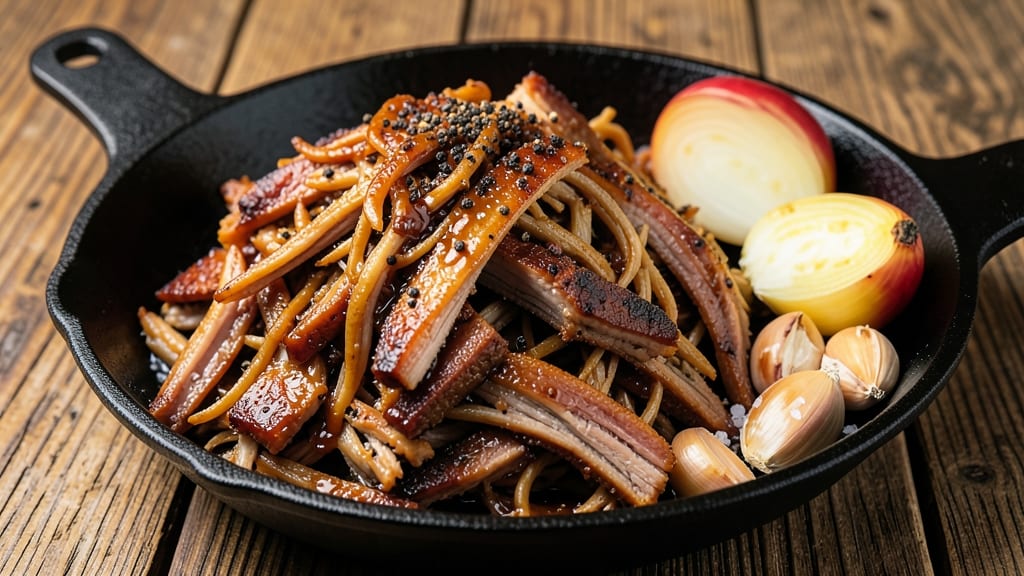
Meathead Goldwyn's pulled pork recipe is the gold standard for slow-smoked perfection that transforms tough pork shoulder into melt-in-your-mouth shreds. 🔥 As someone who's spent years perfecting this technique—from brining to bark development—I can tell you this method delivers restaurant-quality results at home, whether you're using a traditional smoker, pellet grill, or even your oven.
The secret lies in patience and precision: maintaining that 225°F temperature while letting the rub develop a deep, flavorful bark that locks in moisture.
This recipe stays true to Meathead's iconic approach but adapts for modern kitchens, including spritzing techniques that keep the meat juicy and a fail-safe method for pulling the pork at the perfect moment.
What makes it special is how the fat renders slowly, basting the meat from within while the bark develops that coveted dark crust. I've cooked hundreds of pounds this way, and each batch delivers that same tender, saucy perfection that makes people ask for seconds.
By the time you're done, you'll have perfectly shredded pork that falls apart at the touch, ready to be piled high on buns with tangy coleslaw or served as a main dish alongside classic Southern sides.
The beauty of this method is its versatility—it works equally well for competition-style BBQ or a casual family dinner. Whether you're smoking a 10-pound shoulder or a smaller cut, the principles remain the same.
This recipe also includes my pro tips for adapting to different equipment, from electric smokers to stovetop methods, so you can achieve the same results no matter your setup. Let's get started on creating pork that'll have everyone coming back for more.
Ingredients for meathead pulled pork
Eight pounds of pork shoulder and a handful of pantry staples—this is the simple lineup for legendary pulled pork.
| Ingredient | Amount | Notes |
|---|---|---|
| Pork Shoulder 🥓 | 8 lb | Bone-in, well-marbled preferred |
| Yellow Onion 🧅 | 2 whole | Medium, sliced into wedges |
| Garlic Cloves 🧄 | 8 cloves | Fresh, peeled and smashed |
| Brown Sugar 🍚 | ½ cup | Light or dark variety |
| Smoked Paprika 🌶️ | 2 tbsp | For deep smoky flavor |
| Ground Black Pepper 🌶️ | 1 ½ tbsp | Freshly cracked preferred |
| Kosher Salt 🧂 | 2 tbsp | Diamond Crystal preferred |
| Ground Cumin 🌿 | 1 tbsp | Toasted for depth |
| Apple Cider Vinegar 🍎 | ¼ cup | For spritzing during cook |
| Unsalted Butter 🧈 | ½ cup | Cold, cubed for bark |
| Yellow Mustard 🥫 | 2 tbsp | For rub adhesion |
| Beef Broth 🍲 | 1 cup | Low-sodium preferred |
| Apple Juice 🍏 | ½ cup | For moisture during cook |
| Wood Chips 🌳 | 1 package | Hickory or oak preferred |
The pork shoulder is non-negotiable here. Look for bone-in cuts with good marbling—that fat renders down into flavor gold. Costco or local butchers usually have the best options, but grocery stores work too. If you're buying a whole shoulder, trim any excess fat from the top—just leave a thin layer for flavor. The 8-pound cut is ideal for a crowd, but you can scale down to 4 pounds for a smaller batch. For the rub, smoked paprika and cumin are the secret weapons—don't skip either. I always buy my spices in bulk from Penzeys or the grocery store's bulk section, but the regular canned stuff works in a pinch.
No smoked paprika? Regular paprika plus a pinch of liquid smoke gets you close. Running short on apple cider vinegar? White vinegar or even lemon juice works for spritzing. The butter for the bark? Full-fat is a must—don't use margarine or low-fat spreads. For the wood chips, hickory or oak are classic, but fruitwoods like cherry add a nice twist. If you're using a pellet grill, hickory pellets are the safest bet. The mustard in the rub? Dijon works too, but yellow mustard gives you that classic tang. And if you're worried about the pork drying out, add an extra cup of apple juice to your spritz mix—it keeps everything juicy without overwhelming the flavor.
This pork tastes even better the next day, so plan ahead. Store leftovers in the fridge for up to 5 days, or freeze portions for 3 months. I like to vacuum-seal it in portions—perfect for quick lunches or feeding a crowd later. The rub keeps well in an airtight container for 3 months, so make extra. And if you've got leftover bark from the butter, save it for next time—it's pure flavor magic. For serving, I always keep a slow cooker on low with some of the pulled pork and sauce—just reheat and serve. It's the easiest way to keep things warm for a crowd.
Why You'll Love This Recipe
- Slow-Cooker Simplicity: I swear by this recipe because it’s literally set-it-and-forget-it. Toss the pork shoulder, diced onion, and whole garlic cloves into the pot with the spices, then let the magic happen while you do your thing—no babysitting required.
- Smoky-Sweet Magic: That combo of smoked paprika and brown sugar? It’s what turns this into something special. The pork falls apart with just the right balance of deep, smoky warmth and a touch of caramelized sweetness that’ll have everyone reaching for seconds.
- Game-Day Go-To: Between us, this is my secret weapon for game days, potlucks, or lazy Sundays. Serve it on buns for sandwiches, toss it into tacos, or pile it high on nachos—it’s the one dish that always disappears first.
- Budget-Friendly Feast: A pork shoulder stretches across meals like nothing else. Make a double batch, freeze half, and you’ve got a week’s worth of lunches or dinner fixings without breaking the bank. Plus, the ingredients? Basic, affordable, and worth every penny.
Step-by-step instructions for slow-smoked pulled pork
Here's the foolproof method for tender, fall-apart pulled pork with a perfect bark.
👨🍳 Step 1: Make the Rub and Prep the Pork
In a medium bowl, combine the 2 tbsp smoked paprika, 1.5 tbsp ground black pepper, 2 tbsp kosher salt, 1 tbsp ground cumin, and 0.5 cup brown sugar. Mix well until the spices are evenly distributed and the sugar dissolves slightly. This rub is the flavor foundation—don't skip the cumin, it adds depth.
Pat the 8 lb pork shoulder completely dry with paper towels. You want it bone-dry for that perfect bark. Then, generously coat all sides with the rub, pressing it into the meat so it sticks. I like to use my hands for this—it helps the seasoning adhere better. Let the pork sit at room temperature for 30 minutes before smoking.
🔥 Step 2: Set Up Your Smoker
Fill your smoker with the 1 package wood chips (hickory or oak) and preheat to 225°F. This low-and-slow temperature is key—it breaks down the collagen in the pork for that melt-in-your-mouth texture. Once the smoker reaches temperature and you see thin blue smoke (not thick white), you're ready to go.
Place the pork shoulder fat-side up on the smoker grates. The fat will render and baste the meat as it cooks, creating that gorgeous bark. Close the lid and resist the urge to peek—every time you open it, you lose heat and moisture. I promise, this is where the magic happens without any fuss.
⏰ Step 3: Smoke Until Probe-Tender
Smoke the pork for 6-8 hours until the internal temperature reaches 165°F. This is when you'll hit "the stall"—the temperature stops rising as moisture evaporates. Don't panic; this is normal. Spritz the pork every hour with a mix of 0.5 cup apple juice and 0.25 cup apple cider vinegar to keep it moist and enhance the bark.
When the internal temperature hits 200-205°F and a meat probe slides in like butter, it's done. The pork should be fork-tender and pull apart easily. This usually takes 8-10 hours total, but trust the probe test over the thermometer—tenderness matters most.
🥘 Step 4: Wrap for the Finish
Remove the pork from the smoker and wrap it tightly in heavy-duty aluminum foil. Add 0.5 cup unsalted butter (cold, cubed) and 2 tbsp yellow mustard inside the foil before sealing. The butter adds richness, and the mustard helps bind the flavors. Return the pork to the smoker and cook for another 1-2 hours until the internal temperature reaches 208°F.
This wrapping technique, called the "Texas crutch," helps you power through the stall while keeping the meat moist. The butter and mustard also create a luscious sauce that coats the pork as it finishes cooking.
🍽️ Step 5: Shred and Serve
Unwrap the pork and let it rest for 10 minutes before shredding. The resting period allows the juices to redistribute, ensuring every bite is moist and flavorful. Use two forks to pull the pork apart against the grain—you should get long, tender strands that fall apart easily.
For serving, mix the shredded pork with 1 cup beef broth to loosen it up. Serve on buns with coleslaw or pickles, or pile it onto plates with cornbread. The result is juicy, smoky, and packed with flavor—exactly what pulled pork should be. Enjoy immediately while it's hot!
Pro Tips For Making Meathead Pulled Pork
- USE A THICK CUT: The bone-in pork shoulder with a 1.5-inch fat cap stays juicier longer—no need to fuss with trimming. I learned this the hard way when a leaner cut turned out dry, even after hours in the smoker.
- MINCE THAT GARLIC: No need for fancy techniques—just smash the cloves flat with the side of your knife before mincing. This releases more flavor into the rub, and you won’t end up with uneven bits that burn before the pork does.
- DON’T RUSH THE REST: Let the pulled pork sit wrapped in foil for at least 30 minutes before shredding—yes, even if you’re starving. The meat firms up, making it easier to pull clean threads, and the juices redistribute so every bite stays tender.
- SWEAT THE ONIONS LOW: Cook the onions and garlic in the same pot you’ll later use for the braising liquid—it adds depth. Keep the heat at a simmer, not a boil, or they’ll turn bitter and lose their natural sweetness before the pork even hits the heat.
Perfect pairings for this meathead pulled pork
Classic BBQ Buns
No pulled pork experience is complete without a soft, buttery bun to hold it all together. I prefer Martin's Potato Rolls from the bakery section—they're slightly sweeter than standard hamburger buns and hold up perfectly to the juicy pork.
If you want to make them from scratch, use a 1:2:2 ratio of flour to water to milk with 1 tbsp sugar and 1 packet active dry yeast. Brush with melted butter and toast lightly before serving to prevent sogginess. 🥖
Tangy Coleslaw
A crisp, vinegar-based coleslaw cuts through the richness of the pork beautifully.
My go-to recipe uses 4 cups shredded cabbage, 1 cup shredded carrots, ½ cup mayonnaise, 2 tbsp apple cider vinegar, 1 tbsp Dijon mustard, 1 tbsp sugar, and a pinch of celery seed.
Toss everything together and chill for at least 1 hour before serving to let the flavors meld. The acidity balances the smoky pork perfectly.
Classic Southern Sides
Mac and cheese is a must—creamy, cheesy, and comforting. I make mine with 12 oz elbow macaroni, 3 tbsp butter, 3 tbsp flour, 2 cups whole milk, 2 cups shredded sharp cheddar, and a pinch of cayenne pepper.
Bake at 375°F for 25 minutes until bubbly. For something lighter, serve with cornbread—I love the sweet, crumbly texture from Jiffy mix baked in a cast-iron skillet. 🍽️
Pickled Vegetables
Quick-pickled jalapeños and red onions add a bright, tangy crunch that cuts through the richness. For jalapeños, slice 6 jalapeños into rings and pack them into a jar with ½ cup apple cider vinegar, ½ cup water, 1 tbsp sugar, and 1 tsp salt.
For onions, thinly slice 1 red onion and pack it into a separate jar with the same brine. Let them sit for at least 30 minutes before serving. These pickles add a refreshing contrast to every bite.
Drink Pairings
A cold Southern-style sweet tea is the ultimate pairing—its honeyed sweetness balances the smoky, savory flavors. For a non-alcoholic option, try Arnold Palmer (half lemonade, half iced tea).
If you're serving alcohol, a crisp North Carolina craft beer like New Belgium Fat Tire (amber ale) complements the richness, while a dry Riesling from the Finger Lakes adds a bright acidity. For whiskey lovers, a bourbon old-fashioned with a touch of orange bitters is a classic choice. 🍺
Nutrition facts
Frequently asked questions
Can I use a different cut of pork instead of a pork shoulder?
While pork shoulder is ideal, you can substitute with a pork butt (they're essentially the same cut, just from different parts of the animal). For smaller batches, pork loin works but won't be as tender—it's better for quick-cooking methods. Never use pork tenderloin, as it's too lean and will dry out during the long cook. The key is choosing a cut with good marbling and collagen for that melt-in-your-mouth texture.
What's the best way to tell when the pork is done without a meat thermometer?
If you don't have a thermometer, use the fork test: Insert a fork into the thickest part of the meat. If it slides in like butter and the pork pulls apart easily, it's done. Another method is the bend test—press your thumb against the meat. If it bends easily, it's ready. But I always recommend a thermometer for accuracy, as the internal temp should reach 203°F for perfect tenderness.
Why does my pulled pork sometimes turn out dry?
Dry pulled pork usually happens from one of three things: overcooking (past 208°F), not wrapping during the stall, or skipping the spritzing. The Texas crutch (wrapping with butter and mustard) is crucial for moisture. Also, never let the pork sit uncovered after it reaches 165°F—this is when it starts drying out. If it's too dry, try mixing it with some of the cooking juices or a little broth to restore moisture.
How can I adapt this recipe for an electric smoker or pellet grill?
Electric smokers and pellet grills work perfectly—just maintain that 225°F temperature consistently. For pellet grills, use hickory pellets and monitor the feed rate to keep temps steady. The only difference is you might need to preheat longer (up to 30 minutes) to reach the right temperature. The cooking time remains the same, and the wrapping technique works identically. Just be patient—these smokers take a little longer to stabilize.
Can I make this ahead of time and reheat it later?
This pork actually tastes better the next day as the flavors deepen. Store leftovers in the fridge for up to 5 days or freeze for 3 months. To reheat, use a slow cooker on low for 2-3 hours with a splash of beef broth, or warm in a skillet with a little butter. Never microwave—it makes the pork rubbery. The slow method keeps it juicy and tender.