
Main Courses
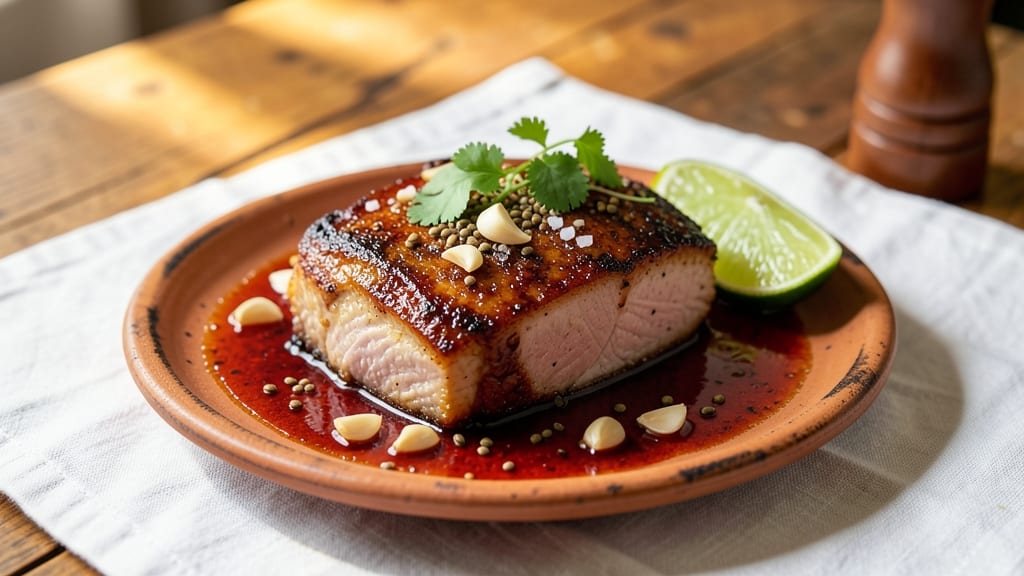
This Mexican spicy pork recipe delivers the bold, smoky chipotle heat that makes tacos and bowls unforgettable. 🔥 After perfecting it at The Smoky Pig, I've simplified the technique while keeping the authentic flavors that define Mexican street food.
The secret lies in a marinade that balances heat, smokiness, and tenderizing acids—transforming simple pork into something restaurant-quality.
The process begins with a dry rub of smoked paprika and cumin, followed by a marinade of chipotle peppers in adobo, lime juice, and garlic—all working together to create deep, complex flavors.
Slow-cooking the pork until it's fall-apart tender ensures every bite is juicy and packed with that signature smoky crunch. This isn't just another spicy pork recipe; it's a celebration of Mexican comfort food that brings the vibrancy of the streets to your kitchen.
By the time you're done, you'll have pork so flavorful it practically sings—ideal for tacos, burrito bowls, or even sandwiches. The smoky chipotle notes linger with every bite, while the tender texture makes it impossible to resist.
This recipe serves as the star of any meal, proving that authentic Mexican flavors are both approachable and impressive.
Pair it with warm tortillas, fresh cilantro, and a side of black beans for the full experience. The beauty of this dish is its versatility—equally at home as a weeknight dinner or a weekend feast. Let's get cooking!
Ingredients for mexican spicy pork
Pork shoulder and smoky chipotle peppers form the heart of this restaurant-quality Mexican recipe.
| Ingredient | Amount | Notes |
|---|---|---|
| Boneless Pork Shoulder 🥓 | 3 lb | Cut into 2-inch chunks |
| Smoked Paprika 🌶️ | 2 tbsp | For authentic smoky flavor |
| Ground Cumin 🌿 | 1 ½ tbsp | Toasted for deeper aroma |
| Chipotle Peppers in Adobo 🌶️ | 4 whole | Minced, with 2 tbsp sauce |
| Fresh Lime Juice 🍋 | ½ cup | From 4-5 limes |
| Garlic Cloves 🧄 | 6 cloves | Minced for marinade |
| Olive Oil 🫒 | ¼ cup | Extra-virgin preferred |
| Brown Sugar 🍯 | 2 tbsp | Balances heat and sweetness |
| Salt 🧂 | 1 ½ tsp | Kosher or sea salt |
| Black Pepper 🌶️ | ½ tsp | Freshly ground |
| Fresh Cilantro 🌿 | ¼ cup | Chopped, for garnish |
| Orange Juice 🍊 | ¼ cup | Brightens the marinade |
| Beer (Optional) 🍺 | ½ cup | Mexican lager preferred |
The pork shoulder is non-negotiable here—its fat content keeps the meat tender through slow cooking. Look for bone-in cuts at butcher shops if available, as they render more flavor. Chipotle peppers in adobo are the soul of this dish; La Costeña or Goya brands from the Latin market section deliver consistent quality. Toast your cumin seeds in a dry pan for 30 seconds before grinding—this amplifies the earthy notes dramatically. For the lime juice, Mexican Key limes add a unique tartness, but regular limes work perfectly fine. The orange juice acts as a bridge between the smoky and citrusy flavors, so don't skip it.
No chipotle peppers? Substitute 1 tbsp smoked paprika plus 1 tsp cayenne for heat, though the smokiness won't be identical. Running low on fresh lime juice? Bottled lime juice works in a pinch, but add a pinch of sugar to compensate for the artificial taste. The beer isn't mandatory, but it adds depth—Modelo or Pacifico are ideal choices. If you omit it, add an extra splash of orange juice instead. For the brown sugar, muscovado sugar from specialty stores adds molasses notes that complement the smokiness beautifully. The cilantro should be fresh; dried won't cut it here—it lacks the bright, citrusy punch this dish needs.
Marinate the pork for at least 4 hours, preferably overnight. The flavors develop fully after 24 hours in the fridge. Store any leftover marinade in an airtight container for up to 1 week, though the pork itself reheats best after cooking. Cooked pork keeps for 4 days in the fridge or 3 months frozen. Portion into single servings before freezing for easy meal prep—just thaw overnight in the fridge and reheat gently to maintain moisture.
Why You'll Love This Recipe
- I’ll be real: pork shoulder is cheap, and this recipe stretches it far. A single cut feeds my family of four for two meals, and the spices cost pennies. Plus, the flavors get richer the next day—perfect for repurposing into burrito bowls or quesadillas. No wasted ingredients, no wasted money. Just solid, satisfying food.
- One-Pan Wonder: Between us, this recipe is my secret weapon for lazy Sundays. Toss the pork shoulder in a sheet pan with smoked paprika and cumin, roast it until tender, then hit it with chipotle and lime—no pots, no mess, just pure flavor. My kids don’t even realize it’s "healthy" (even though it is).
- Smoky Heat Magic: Honestly, the combo of smoked paprika and chipotle peppers in adobo is chef’s kiss. The pork gets this deep, smoky warmth that lingers, but the lime cuts through it just enough to keep it bright—not overpowering, just ridiculously good. It’s the kind of dish that makes you want seconds before you even finish the first plate.
- Taco Night Every Day: Here’s what sold me—this pork works for everything. Crumble it into tacos, pile it on tostadas, or serve it with rice and beans. Even my picky husband asks for it when I make it for lunch. (Yes, even on a Tuesday night.) The leftovers just get better as they sit, so you’re basically getting double the meal.
Step-by-step instructions for smoky chipotle pork
This method delivers perfectly tender, smoky pork with deep chipotle heat—ideal for tacos or bowls.
👨🍳 Step 1: Marinate the Pork for Maximum Flavor
In a large bowl, combine the 3 lb boneless pork shoulder cut into 2-inch chunks, 2 tbsp smoked paprika, 1.5 tbsp ground cumin, 2 tbsp brown sugar, 1.5 tsp salt, and 0.5 tsp black pepper. Mix until the spices adhere evenly to the meat.
In a separate bowl, whisk together the 0.25 cup olive oil, 0.5 cup fresh lime juice, 0.25 cup orange juice, 6 minced garlic cloves, and 0.5 cup beer (optional). Add the minced 4 whole chipotle peppers in adobo (including 2 tbsp sauce) to the liquid mixture. Pour this marinade over the pork, ensuring every piece is fully coated. Cover and refrigerate for at least 4 hours—overnight is best for maximum tenderness and flavor penetration.
🔥 Step 2: Sear the Pork for Depth of Flavor
Remove the pork from the refrigerator and let it sit at room temperature for 30 minutes before cooking. Heat a large skillet over medium-high heat and add the pork in a single layer. Don't overcrowd the pan—sear in batches if needed. Cook undisturbed for 3-4 minutes per side until deeply browned and slightly crispy on the edges.
As the pork sears, the marinade will bubble and caramelize, creating a rich, smoky crust. This step builds layers of flavor that simmering alone can't achieve. Transfer the seared pork to a plate and set aside—you'll finish cooking it in the oven.
🔥 Step 3: Slow-Cook Until Fork-Tender
Preheat your oven to 275°F. Place the seared pork in a heavy-duty oven-safe skillet or Dutch oven. Pour any remaining marinade from the bowl into the skillet, scraping up any browned bits from the bottom. Cover tightly with a lid or foil and transfer to the oven.
Cook for 3-4 hours until the pork is fork-tender, with an internal temperature of 195-203°F. The meat should pull apart easily with minimal resistance. If the liquid reduces too quickly, add 2-3 tablespoons of water to keep it moist. This low-and-slow method ensures the connective tissue breaks down, resulting in melt-in-your-mouth texture.
🍳 Step 4: Shred and Finish with Fresh Herbs
Once the pork reaches the desired temperature, remove it from the oven and let it rest for 10 minutes. Using two forks, shred the pork directly in the skillet, breaking it into 2-inch strands. Discard any large fat chunks if desired.
Return the shredded pork to the skillet and stir in the 0.25 cup chopped fresh cilantro. The bright, citrusy notes of the cilantro cut through the smoky, spicy flavors, balancing the dish. Taste and adjust seasoning with additional salt or lime juice if needed. The pork should be moist, tender, and bursting with complex flavors—ready to be served in tacos, bowls, or over rice.
Pro Tips For Making Mexican Spicy Pork
- Brown the Pork First: I learned this the hard way—skipping the sear makes the sauce taste flat. Get that pork shoulder sizzling in a hot skillet with a little oil until it’s deep golden, not just pink. The crust locks in flavor and caramelizes the natural sugars, which is where the real depth comes from.
- Blend the Adobo Paste: Chipotle peppers in adobo sauce are easy to overlook, but blending them with a splash of the sauce into a smooth paste makes all the difference. No clumps means even heat, and you’ll avoid biting into a whole pepper while eating. Use half a pepper for mild heat, a whole one for serious kick.
- Deglaze Aggressively: After browning the pork, don’t just splash in liquid—scrape up those browned bits with a wooden spoon. They’re packed with flavor, and skipping this step is like leaving money on the table. Use the lime juice and adobo paste first, then add broth or beer if needed.
- Rest Before Slicing: Pork shoulder stays juicy when you give it a solid 10-15 minutes under foil after cooking. Cutting into it too soon turns tender meat into dry shreds—yes, even if you’re starving. Tent it loosely and let it chill while you finish the sauce. Your future self will thank you.
Storing and reheating this recipe
Fridge Storage
Store your cooked pork in an airtight container with a splash of the cooking liquid to keep it moist. I like using glass Pyrex containers because they preserve flavors better than plastic.
Keep it refrigerated for up to 4 days, but the first day is always the best—this is when the flavors meld most beautifully. 🥗
When reheating, portion the pork into single servings before storing. This way, you can grab exactly what you need without dealing with a giant container. I also recommend pressing plastic wrap directly on the surface to prevent a dry top layer.
Freezer Storage
For longer storage, freeze the pork in single-serving portions wrapped tightly in plastic wrap followed by foil. This prevents freezer burn and makes thawing easier.
It keeps well for up to 3 months, though I find the texture starts to degrade after 2 months if not properly sealed. 🧊
Thaw overnight in the fridge—never at room temperature. This slow thaw maintains moisture and prevents bacterial growth. If you're short on time, use the microwave's defrost setting, but be prepared to reheat immediately after.
Reheating Methods
My preferred method is stovetop reheating—it gives you the most control. In a skillet over medium-low heat, add 2 tablespoons of water or broth to prevent drying.
Cover and heat for 5-7 minutes, stirring occasionally, until reaching 165°F internal temperature. The moisture keeps the pork tender and juicy. 🔥
For microwave reheating, use 50% power to avoid drying out the meat. Cover with a damp paper towel and heat in 1-minute intervals, stirring between each, until hot. Add a splash of water if it looks too dry—this restores moisture beautifully.
Crispy Finish
If you want that restaurant-quality crunch, finish reheated pork under a broiler for 1-2 minutes. Watch closely to avoid burning—this step adds texture that's hard to replicate otherwise. I like to sprinkle ½ teaspoon smoked paprika on top before broiling for extra smokiness. ✨
For tacos or bowls, serve reheated pork immediately after crisping. The contrast between tender meat and crispy edges makes every bite irresistible. Keep a small bowl of warm tortillas nearby to maintain that fresh-from-the-street vibe.
Nutrition facts
Frequently asked questions
Can I substitute pork shoulder with another cut?
Pork shoulder is ideal for its fat content and tenderness, but you can use pork butt or even pork loin in a pinch. For loin, cut it into 1-inch cubes and reduce cooking time to 2-2.5 hours—it's leaner and cooks faster. Just add 1 extra tablespoon of oil to prevent drying. Never use ground pork; it lacks the texture and depth this recipe needs.
How do I adjust the heat level for sensitive eaters?
Start by reducing the chipotle peppers to 2 whole peppers (plus 1 tbsp sauce) instead of 4. For extra mild, omit the cayenne and use 1 tsp sweet paprika instead of smoked. The brown sugar and orange juice naturally balance heat, so you won't lose flavor—just intensity. Always taste the marinade before applying to meat.
What's the best way to serve this pork?
This recipe shines in tacos, burrito bowls, or over rice with black beans. For tacos, use corn tortillas warmed on a dry skillet for 30 seconds per side. For bowls, layer with avocado, pico de gallo, and a dollop of sour cream. Pro tip: Keep a small bowl of warm tortillas nearby—crispy tortillas make all the difference! The smoky pork also works perfectly in breakfast burritos or as a sandwich filling.
Why did my pork turn out dry?
Most likely, you overcooked it or didn't rest properly. Pork shoulder should reach 195-203°F—any higher and it dries out. Always let it rest for 10 minutes after cooking before shredding. If using a meat thermometer isn't an option, pull it when it's 5°F below your target temp and let it carry over. For extra moisture, add 2 tbsp beer or broth during reheating.
Can I make this in a slow cooker?
Yes! After searing, transfer everything to a slow cooker and cook on low for 6-8 hours or high for 3-4 hours. The key difference is slower flavor development—expect slightly more tender but less caramelized edges. For extra depth, add ½ cup beef broth halfway through cooking. Shred directly in the slow cooker for easiest cleanup.