
Main Courses
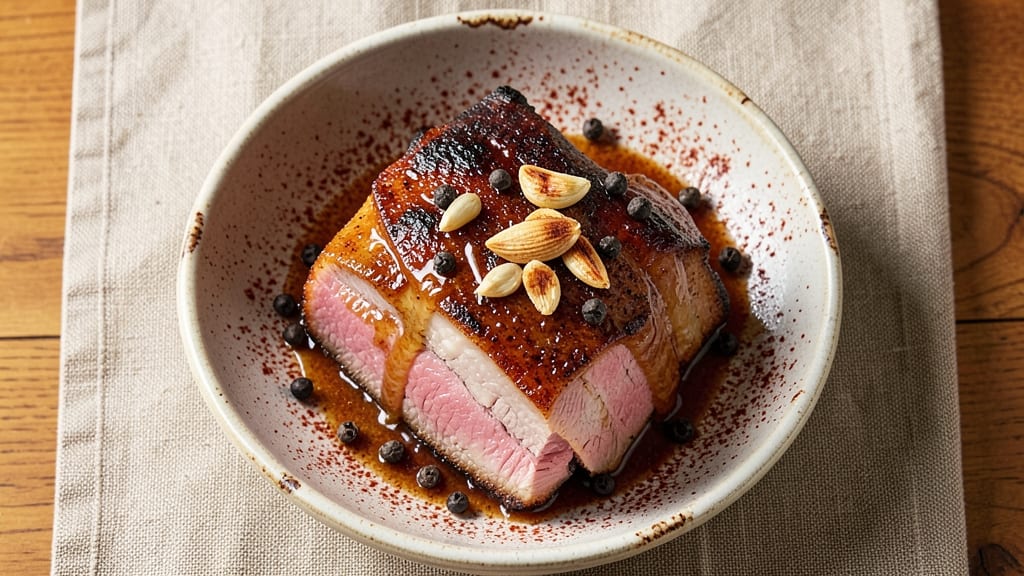
Michael Symon's pork shoulder recipe delivers smoky, spiced perfection that transforms tough cuts into melt-in-your-mouth masterpieces. After years of perfecting this dish in my smoky kitchen, I've cracked the code to Symon's signature balance of rich, savory flavors with bright acidity—no fancy equipment required.
The secret lies in slow cooking and bold spices that create a bark so flavorful, you'll want to eat it with a spoon.
What sets this recipe apart is Symon's approachable yet refined technique: a simple rub of brown sugar, smoked paprika, and garlic that builds layers of flavor while keeping the method accessible.
We'll cook it low and slow until it reaches 203°F internal temperature, where the collagen dissolves into juicy, tender perfection. The result? A dish so impressive it'll have your guests asking for seconds before they even sit down.
This isn't just another pork shoulder recipe—it's a crowd-pleasing centerpiece that works for family dinners or holiday feasts. The bark stays crispy while the meat inside remains juicy, and the sauce reduces to a glossy, flavorful glaze that ties everything together.
Serve it with crusty bread to soak up every last drop, or pair it with roasted vegetables for a complete meal.
Confession: I've burned through more than my fair share of pork shoulders perfecting this recipe, but the results are worth every attempt. Once you master Symon's technique, you'll never buy store-bought pork again—this is the kind of dish that becomes a weekly staple in your kitchen.
Let's get started on creating your own showstopper.
Ingredients for michael symon pork shoulder
Eight simple ingredients transform tough pork into a showstopping centerpiece everyone will beg for seconds of.
| Ingredient | Amount | Notes |
|---|---|---|
| Pork Shoulder 🐖 | 6 lb | Bone-in, skin-on preferred |
| Brown Sugar 🍯 | ½ cup | Light or dark variety |
| Smoked Paprika 🌶️ | 2 tbsp | High quality for smoky flavor |
| Garlic Cloves 🧄 | 6 cloves | Freshly minced for bright flavor |
| Kosher Salt 🧂 | 2 tbsp | Diamond Crystal preferred |
| Black Peppercorns 🌶️ | 1 tbsp | Freshly cracked for depth |
| Apple Cider Vinegar 🍎 | ½ cup | For bright acidity balance |
| Yellow Onion 🧅 | 1 whole | Sliced into wedges |
| Fresh Thyme 🌿 | 2 sprigs | Or 1 tsp dried thyme |
| Fresh Rosemary 🌿 | 1 sprig | For earthy aroma |
| Olive Oil 🫒 | ¼ cup | For rubbing and basting |
| Beef Broth 💧 | 1 cup | Low-sodium preferred |
| Honey 🍯 | 2 tbsp | For glaze sweetness |
The pork shoulder is the star—bone-in, skin-on gives the best flavor and texture. Grab the biggest cut you can find at Costco or your local butcher—they'll usually trim it for you. If buying pre-trimmed, look for good marbling and vibrant color. Trader Joe's has great cuts at reasonable prices, and they're often prepped for slow cooking. For the spices, Penzeys or the bulk bins at Whole Foods are my go-to for maximum flavor punch. Don't skimp on the smoked paprika—it's what gives that signature Symon smokiness.
No smoked paprika? Regular paprika plus a pinch of liquid smoke works in a pinch. Fresh thyme and rosemary are ideal, but dried works at half the amount if you're in a hurry. The apple cider vinegar can be swapped for red wine vinegar, but keep it to half a cup—too much can make the bark bitter. For the glaze, if you're avoiding honey, maple syrup works beautifully. The beef broth? Low-sodium is key—you don't want to overpower the natural flavors. And if you're feeling fancy, add a splash of bourbon to the rub for extra depth.
This pork is a make-ahead masterpiece—the flavors only get better after resting. Store the uncooked pork in the fridge for up to 2 days before cooking. Once cooked, it keeps for 4 days in the fridge, or 3 months frozen. I always make extra—it reheats perfectly and makes amazing sandwiches or tacos later in the week. The bark stays crispy if you reheat it in the oven at 350°F for 10 minutes, covered with foil.
Why You'll Love This Recipe
- Sweet-Smoky Magic: That caramelized brown sugar crust? It’s the star. The smoked paprika adds this deep, earthy warmth, while the garlic keeps it bright—like a hug from a BBQ pit but with half the effort. (Yes, even on a Tuesday night.)
- Leftovers That Shine: Pull it apart for tacos, sandwiches, or even breakfast hash the next day. The pork stays juicy and flavorful for days, so you’re not stuck eating sad, dry meat. Honestly, I’ve had this for lunch three times this week and still crave it.
- Budget-Friendly Feast: Pork shoulder is the ultimate stretch—one cut feeds a crowd or fills my fridge for days. Between us, this is how I feed my family for under $10 per serving without sacrificing taste. (My wallet thanks me.)
Step-by-step instructions for Michael Symon's pork shoulder
Here's how to transform a simple pork shoulder into showstopping, tender perfection.
Prepare the Dry Rub for Maximum Flavor
In a medium bowl, combine the 0.5 cup brown sugar, 2 tbsp smoked paprika, 2 tbsp kosher salt, and 1 tbsp freshly cracked black peppercorns. I like to use a whisk for this step—it ensures everything gets evenly distributed. Add the 6 minced garlic cloves and mix until the garlic is completely incorporated into the rub.
This is where the magic starts. The brown sugar helps caramelize during cooking, while the smoked paprika adds that signature depth Michael Symon loves. The garlic and peppercorns bring bright, aromatic notes that cut through the richness of the pork. Rub this mixture all over the 6 lb pork shoulder, pressing it into the meat so it sticks. Don't be shy—you want that rub to penetrate the surface evenly.
Marinate and Rest for Even Cooking
In a separate bowl, whisk together the 0.5 cup apple cider vinegar, 0.25 cup olive oil, and 1 cup beef broth. This marinade will tenderize the meat and add moisture during the long cook. Place the rubbed pork shoulder in a large resealable plastic bag and pour the marinade over it, coating it completely. Seal the bag and refrigerate for at least 4 hours—overnight is even better if you can plan ahead.
This step makes all the difference. The acidity in the vinegar breaks down muscle fibers, while the olive oil and broth keep the meat moist. I always let my pork shoulder marinate overnight because it gives the flavors time to really penetrate. When you're ready to cook, remove the pork from the fridge and let it sit at room temperature for 30 minutes before cooking. This ensures even cooking from edge to center.
Slow Cook Until Fork-Tender
Preheat your oven to 300°F. Place the pork shoulder fat-side up in a roasting pan and cover it tightly with foil. This low-and-slow approach is key—it allows the collagen in the meat to break down gradually, resulting in that melt-in-your-mouth texture. Roast for 4 hours, then carefully remove the foil and increase the oven temperature to 350°F. Continue cooking for another 1 to 2 hours until the internal temperature reaches 195-203°F and the meat pulls apart easily with two forks.
Here's where patience pays off. The first 4 hours at 300°F build the foundation, while the higher heat at the end helps develop that beautiful bark. I check the temperature every 30 minutes during the final hour. When the meat reaches 195°F, it's ready—don't rush it. The higher temperature ensures a perfect finish without drying out the meat.
Create the Signature Glaze
While the pork rests, prepare the glaze by combining the 2 tbsp honey with 2 tbsp apple cider vinegar in a small saucepan. Bring to a simmer over medium heat and cook for 3-4 minutes until slightly thickened. Remove from heat and set aside. In a separate skillet, sauté the sliced 1 whole yellow onion with the 2 sprigs fresh thyme and 1 sprig fresh rosemary in 1 tbsp olive oil until softened, about 5 minutes. This adds another layer of flavor to the finished dish.
The glaze is what ties everything together. The honey adds sweetness that balances the smoky, spiced flavors, while the vinegar keeps it bright. I like to add the sautéed onions and herbs right before serving—they add a fresh, aromatic element that makes the dish feel complete. The rosemary and thyme infuse the onions with their earthy notes, creating a flavorful topping that complements the tender pork beautifully.
Rest and Serve with Confidence
Transfer the pork shoulder to a cutting board and tent loosely with foil. Let it rest for at least 30 minutes—this allows the juices to redistribute throughout the meat, ensuring every slice is moist and flavorful. After resting, slice the pork against the grain into ½-inch thick slices. Arrange the slices on a platter, drizzle with the honey glaze, and garnish with the sautéed onions and herbs.
This is the moment you've been waiting for. The pork should be fork-tender, with a crispy exterior that gives way to juicy, flavorful meat. Serve immediately with crusty bread to soak up all those delicious juices. The combination of smoky, spiced flavors with the sweet and tangy glaze makes this dish unforgettable. Trust me—your guests will be asking for seconds!
Pro Tips For Making Michael Symon Pork Shoulder
- Trim the Fat First: Michael Symon’s recipe relies on crispy edges, and thick fat layers can steam instead of caramelize. Use a sharp knife to score and trim excess fat from the outer edges—just leave a thin layer for flavor, not a blanket. I learned this the hard way when my first batch turned out soggy under the crust.
- Brown Sugar Paste: Skip the dry rub—this recipe shines when the brown sugar sticks. Mix it with a splash of water (about 1 tablespoon) to form a sticky paste before slathering it on. It clings better to the pork, ensuring that sweet, smoky crust instead of falling off mid-cook.
- Don’t Rush the Sear: High heat for the initial sear is non-negotiable, but don’t crowd the pan. Work in batches if needed—overlapping pieces will steam instead of develop that golden crust. I used to rush this, and my pork shoulder always ended up looking dull. Patience here makes all the difference.
- Garlic Clove Size Matters: Smash those garlic cloves with the flat side of your knife before adding them to the pan. Whole cloves can sit untouched, while smashed ones release flavor faster and blend into the sauce. Sounds weird, but it works—and your dish will taste like you put in extra effort.
Troubleshooting great michael symon pork shoulder
Bark Not Forming
If your pork shoulder isn't developing that beautiful crispy bark, check your oven temperature first—it needs to hit 350°F during the final hour. I've found that using dark brown sugar instead of light creates a deeper caramelization. Also,
Meat Too Dry
Overcooking is the #1 cause of dry pork shoulder. Use a meat thermometer (I swear by ThermoWorks Smoke) and remove the pork when it hits 195°F—it will continue cooking as it rests. For extra moisture, add ½ cup apple cider vinegar to the roasting pan during cooking. I also recommend buying a larger cut (7-8 lbs) as it has more fat to keep the meat juicy during the long cook.
Uneven Cooking
If one side cooks faster than the other, rotate your roasting pan halfway through cooking. For even more control, I recommend using a cast iron Dutch oven instead of a roasting pan—it distributes heat more evenly.
Also, make sure your pork shoulder has been at room temperature for 30 minutes before cooking to ensure even heat penetration from edge to center.
Sauce Too Thin
The glaze should coat the back of a spoon but still be pourable. If yours is too thin, simmer it uncovered for 2-3 extra minutes to reduce. For extra thickness, stir in ½ tsp cornstarch mixed with 1 tsp water at the end of cooking.
I've also had success adding 1 tbsp beef gelatin to the glaze ingredients before simmering for a richer, more velvety texture.
Pork Pulling Apart Too Easily
This actually means your pork is perfectly cooked! The meat should pull apart with gentle pressure but still hold together in slices. If it's falling completely apart, you may have overcooked it.
For future attempts, reduce your cooking time by 15-30 minutes and check the temperature more frequently during the final hour. The ideal internal temperature is 203°F—this ensures maximum tenderness without falling apart.
Weak Flavor Profile
If your pork tastes bland, double-check your rub ingredients—especially the smoked paprika and garlic. I recommend using Penzeys brand smoked paprika for maximum depth. Also, don't skip the marinade—it's what infuses the meat with flavor.
For extra punch, add 1 tsp liquid smoke to the marinade or sprinkle ½ tsp cayenne pepper into the dry rub for a subtle kick.
Nutrition facts
Frequently asked questions
What's the best cut of pork shoulder for this recipe?
Look for a bone-in, skin-on pork shoulder weighing 6-8 pounds. The bone adds flavor, while the skin helps create that prized crispy bark. Ask your butcher for the "picnic cut" or "Boston butt" - both work perfectly. If you're short on time, pre-trimmed cuts from Costco or Trader Joe's are great shortcuts.
Can I cook this pork shoulder in a slow cooker?
Place the rubbed pork in your slow cooker with ½ cup apple cider vinegar and ½ cup beef broth, then cook on low for 8-10 hours or high for 5-6 hours. The key is patience - let it reach 203°F internal temperature before removing. For extra bark, transfer to a broiler for 5-10 minutes at the end.
How do I store leftovers to keep them juicy?
Store cooked pork in an airtight container with any pan juices for maximum flavor. It keeps for 4 days in the fridge or 3 months frozen. For reheating, warm in the oven at 300°F until 165°F internal temperature, covered with foil. The best way to use leftovers? Shred for tacos or sandwiches - the flavors only get better!
What's the secret to perfect bark every time?
Use dark brown sugar in your rub and make sure your oven reaches 350°F during the final hour. I also recommend using a cast iron Dutch oven for even heat distribution. The key is patience - let the pork develop bark uncovered for the last 30-45 minutes of cooking while maintaining that 350°F temperature.
Can I make this ahead of time?
This is a make-ahead masterpiece! Cook the pork up to 2 days ahead and store it refrigerated. The flavors actually improve as they meld together. For serving, simply reheat in the oven at 300°F for 20-30 minutes until warmed through. Pro tip: The bark stays crispy if you reheat it uncovered for the last 5 minutes.