
Main Courses
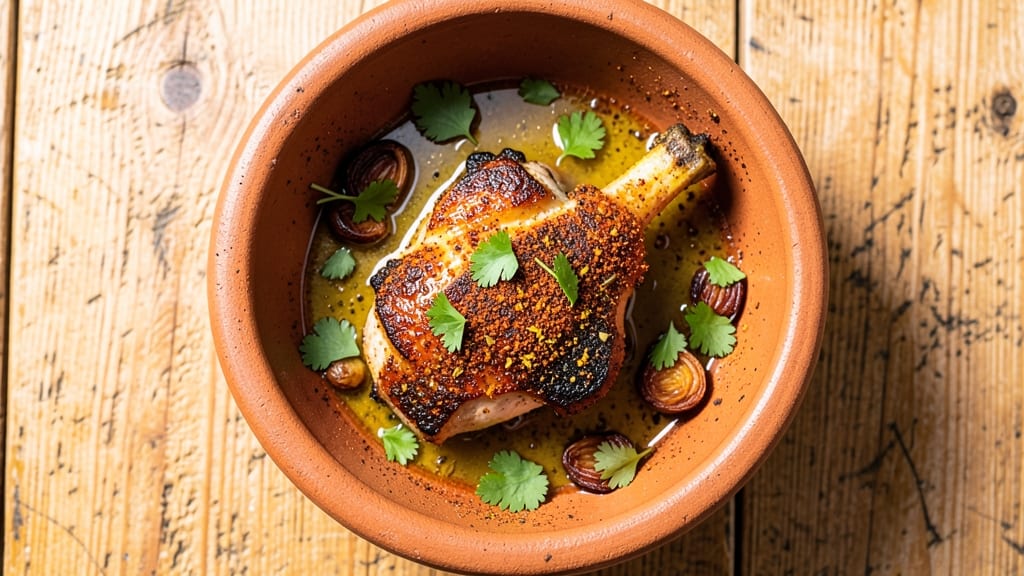
This Middle Eastern pork chop recipe brings bold flavors and restaurant-quality results to your home kitchen with just a few key ingredients. The secret lies in a fragrant cumin and coriander crust that develops a beautiful crust while keeping the meat tender inside.
I perfected this technique during a trip to Beirut, where street food vendors transformed simple pork cuts into unforgettable meals.
The recipe starts with a dry rub of earthy cumin, bright coriander, and warm paprika that clings to the pork chops during cooking. This aromatic crust gives way to a juicy interior when sliced, creating a perfect balance of texture and flavor.
The yogurt glaze adds a tangy contrast that cuts through the richness, finishing each bite with a refreshing finish.
What makes this dish truly special is how it pairs with traditional Middle Eastern sides. Serve with fluffy basmati rice, charred eggplant, or a simple cucumber-tahini salad for a complete meal.
The spices work their magic while you focus on other components, making this an elegant yet approachable recipe for weeknight dinners or special occasions.
With just 30 minutes of active prep and 20 minutes of cooking time, you'll have a dish that transports your guests to the bustling streets of Damascus or the coastal markets of Lebanon. The technique is straightforward but delivers restaurant-quality results that will impress even the most discerning palates.
Ingredients for middle eastern pork chop
Bold spices and tender pork create restaurant-quality Middle Eastern flavors with just 13 ingredients.
| Ingredient | Amount | Notes |
|---|---|---|
| Bone-In Pork Chops 🥩 | 1 ½ lb | 1-inch thick, center-cut preferred |
| Ground Cumin 🌿 | 1 tbsp | Toasted for deeper flavor |
| Ground Coriander 🌿 | 1 tbsp | Freshly ground preferred |
| Smoked Paprika 🌶️ | 1 tbsp | For rich, smoky aroma |
| Ground Turmeric 🌿 | ½ tsp | For vibrant color and warmth |
| Salt 🧂 | 1 ½ tsp | Kosher or sea salt preferred |
| Black Pepper 🌶️ | ½ tsp | Freshly ground for best flavor |
| Plain Greek Yogurt 🥛 | ½ cup | Full-fat for creaminess |
| Lemon Juice 🍋 | 2 tbsp | Freshly squeezed, strained |
| Honey 🍯 | 1 tbsp | For sweet-tangy balance |
| Garlic Cloves 🧄 | 3 cloves | Minced for yogurt glaze |
| Olive Oil 🫒 | 2 tbsp | For cooking and finishing |
| Fresh Parsley 🌿 | ¼ cup | Chopped, for garnish |
The pork chops are the foundation—bone-in, center-cut pieces stay juicy while developing a perfect crust. Look for chops with good marbling at your butcher or Middle Eastern markets like Halal Guys or Sultan's Market for authentic cuts. If using frozen, thaw overnight in the fridge. The spices are non-negotiable: toasted cumin and freshly ground coriander make all the difference. I always buy spices in small quantities from Penzeys or the bulk section at Whole Foods to ensure freshness. The smoked paprika adds depth that regular paprika can't match—Almeria brand if you're splurging.
No Greek yogurt? Plain whole-milk yogurt works in a pinch, but the tang will be milder. Short on honey? Maple syrup is a 1:1 swap, though it leans more toward sweetness. The garlic can be pre-minced from a jar, but freshly minced has more punch. For extra heat, add a pinch of cayenne pepper to the dry rub. If you're avoiding honey, agave nectar works but may alter the flavor balance slightly. The olive oil should be light or extra-virgin—avoid heavily flavored oils like infused varieties. For a vegetarian twist, replace pork with portobello mushrooms (marinated in soy sauce and spices), though the texture will differ.
Prep the spices ahead and store them in an airtight container for up to 3 months—they'll keep their potency longer than pre-mixed seasonings. The yogurt glaze can be made 1 day ahead and stored in the fridge. Pork chops cook best fresh but can be marinated overnight for deeper flavor. Leftovers reheat beautifully in a skillet with a splash of water for 2-3 minutes—just until warmed through. Garnish with fresh parsley right before serving to keep it vibrant. This dish pairs perfectly with basmati rice or a simple cucumber salad for a complete meal.
Why You'll Love This Recipe
- One-Pan Magic: I swear by this for nights when I’m too tired to wash extra dishes—just sear the bone-in chops in a hot pan, sprinkle that earthy cumin-coriander mix, and let the spices stick to the bone while they cook. The paprika adds a smoky depth that turns a simple protein into something special without any fuss.
- Flavor Bomb: That turmeric and smoked paprika combo? It’s like a warm hug for your taste buds—bright, slightly sweet, with just enough heat to wake up your palate. The bone-in chops stay juicy while the crust gets this perfect char, and honestly, the smell alone makes my kitchen feel like a Middle Eastern café.
- Weeknight to Weekend: Between us, this recipe works for everything—toss it over couscous for a quick weeknight dinner, serve it with flatbread and pickled veggies for a fancy-ish date night, or even pack leftovers for lunch. The spices keep it interesting, so it never feels repetitive.
- Budget-Friendly Feast: Bone-in chops stretch further than their boneless cousins, and a little goes a long way with these spices—no need to buy fancy cuts. Plus, the leftovers reheat like a dream, so you’re basically getting two meals for the price of one. My wallet thanks me every time.
Step-by-step instructions for Middle Eastern pork chops
Here's the method for achieving perfectly spiced, juicy pork chops with a crispy crust and tangy glaze.
Create the Spice Crust
In a small bowl, combine the 1 tablespoon ground cumin, 1 tablespoon ground coriander, 1 tablespoon smoked paprika, 0.5 teaspoon ground turmeric, 1.5 teaspoons salt, and 0.5 teaspoon black pepper. Mix thoroughly to distribute the spices evenly. This blend delivers that authentic Middle Eastern warmth with earthy cumin, citrusy coriander, and subtle smokiness from the paprika.
Pat the 1.5 lb bone-in pork chops dry with paper towels—this is crucial for achieving a proper crust. Generously coat both sides of each chop with the spice mixture, pressing gently so the spices adhere. Let the chops sit at room temperature for 15 minutes while you prepare the yogurt glaze. This resting period ensures even cooking and maximum flavor absorption.
Prepare the Yogurt Glaze
While the chops rest, mix the 0.5 cup plain Greek yogurt, 2 tablespoons lemon juice, 1 tablespoon honey, and 3 minced garlic cloves in a small bowl. The yogurt provides a creamy base while the lemon juice and honey create a perfect sweet-tangy balance. Stir well and set aside—this glaze will add moisture and depth of flavor to the finished dish.
In a separate small bowl, whisk together 2 tablespoons olive oil with 1 teaspoon of the same spice mixture you used on the chops. This oil will be used for searing and finishing, ensuring the chops develop that beautiful crust while staying juicy inside.
Sear the Pork Chops to Perfection
Heat a large skillet over medium-high heat until it's hot but not smoking. Add 1 tablespoon of the olive oil-spice mixture and swirl to coat the pan. Place the chops in the skillet and cook for 4-5 minutes per side, until they develop a deep golden-brown crust and reach an internal temperature of 145°F at the thickest part. You'll know they're ready when they release easily from the pan—don't rush this step as it's essential for the crust.
Remove the chops from the skillet and transfer them to a plate. Tent loosely with aluminum foil to keep warm while you prepare the final glaze. The residual heat will help maintain their temperature as you finish the dish.
Finish with the Yogurt Glaze
Return the skillet to medium heat and add the remaining 1 tablespoon olive oil-spice mixture. Pour in the yogurt glaze and stir continuously for 1-2 minutes until it thickens slightly and coats the back of a spoon. The glaze should be smooth and glossy—if it's too thick, add 1 tablespoon water to loosen it.
Return the chops to the skillet and spoon the glaze generously over each one. Let them simmer for 1-2 minutes to heat through and allow the flavors to meld. The glaze should be slightly sticky but not runny. Garnish each chop with 0.25 cup chopped fresh parsley for a pop of color and freshness.
Rest and Serve
Transfer the chops to a serving platter and let them rest for 5 minutes before serving. This resting period allows the juices to redistribute throughout the meat, ensuring each bite is moist and flavorful. The crust should remain crispy while the interior stays tender and juicy.
Serve immediately with sides like couscous, roasted vegetables, or a fresh salad. The combination of the spiced crust, tangy glaze, and juicy meat creates a dish that's both comforting and full of vibrant flavors—perfect for any Middle Eastern-inspired meal.
Pro Tips For Making Middle Eastern Pork Chop
- CRANK THE HEAT FIRST: Sear those bone-in pork chops in a screaming-hot pan for 2-3 minutes per side—no skimp here. I used to rush this, and the spices just sat on top like sad confetti instead of sticking to the meat. High heat builds that crust that holds onto all that smoky paprika and cumin goodness.
- SALT THE MEAT BEFORE SEASONING: Toss the chops with 1 teaspoon of salt first, then let them sit for 10 minutes while you prep the spices. Sounds weird, but it works: the salt breaks down the proteins, so the cumin and coriander actually penetrate instead of just clinging to the surface.
- DON’T OVERCROWD THE PAN: Cook one chop at a time if you can—crowding steams the meat instead of searing it. I learned this the hard way when my first batch turned out soggy and flavorless. A little patience here means the spices caramelize properly and the bone renders its rich juices.
- TOAST THE SPICES FIRST: Heat your cumin, coriander, and smoked paprika in a dry pan for 30 seconds until fragrant—this wakes up their flavors. I skip this when I’m lazy, but the dish is noticeably better when I don’t. The toasted spices cling to the meat like glue and add a depth the jarred versions can’t match.
Pro cooking tips for this dish
Spice Toasting Matters
I can't stress enough how much fresher toasted spices taste compared to store-bought blends. Heat your cumin and coriander in a dry skillet over medium-low heat for just 30 seconds until fragrant—this deepens their flavors dramatically.
The smoked paprika doesn't need toasting, but I always toast it alongside the other spices to unify the aroma. This simple step transforms your dish from good to exceptional. 🌶️
Perfect Crust Technique
For that restaurant-quality crust, your pan must be screaming hot before adding oil. I use a 12-inch cast iron skillet (my trusty Lodge pan) and let it heat until a drop of water sizzles instantly.
The chops should sizzle loudly when they hit the pan—this creates the Maillard reaction that gives that beautiful golden crust. Don't overcrowd the pan or you'll steam instead of sear. Cook in batches if needed. ⚡
Internal Temp Accuracy
Use a meat thermometer to check the thickest part of the chop—it should read 145°F when done. I like the ThermoWorks Smoke because it's precise and has a backlit display.
The bone-in cut actually helps regulate temperature better than boneless, so don't be tempted to remove it. If your chops run slightly pink, they're still perfectly safe and delicious. 🌡️
Glaze Consistency Tips
The yogurt glaze should coat the back of a spoon but still be pourable. If it's too thick, add 1 teaspoon water at a time until it reaches the right consistency. I've ruined a glaze or two by letting it simmer too long—just 1-2 minutes is all it needs.
The glaze should be shiny and slightly sticky when finished. Pro tip: Warm the yogurt slightly before mixing to help it blend smoothly with the other ingredients. 🥛
Resting Prevents Dryness
Skipping the 5-minute rest is a common mistake that leads to dry chops. During this time, the juices redistribute throughout the meat rather than pooling on the cutting board. I cover the chops loosely with foil to keep them warm without trapping steam.
This resting period also lets the crust set properly so it doesn't crumble when sliced. Trust me, those 5 minutes make all the difference. 💫
Equipment Shortcuts
No cast iron skillet? A heavy stainless steel pan works just as well—I use my All-Clad when I'm in a hurry. For a smoky flavor without a smoker, add ½ teaspoon liquid smoke to the yogurt glaze.
And if you don't have a meat thermometer, the chop should feel firm to touch but still yield slightly to gentle pressure when done. These small adjustments keep the recipe accessible without sacrificing quality. 🔥
Nutrition facts
Frequently asked questions
Can I use boneless pork chops instead of bone-in?
Yes, but bone-in chops develop a more even crust and stay juicier during cooking. If using boneless, pat them extra dry and reduce cooking time by 1-2 minutes per side—they cook faster. The internal temperature should still reach 145°F for perfect doneness.
What's the best way to store leftovers?
Store in an airtight container in the fridge for up to 3 days. Reheat gently in a skillet with 1 tablespoon water for 2-3 minutes to restore moisture. For longer storage, freeze for up to 2 months—thaw overnight in the fridge before reheating. The yogurt glaze may separate slightly when reheated, so add a splash of water to restore creaminess.
Can I make this recipe in the oven instead of a skillet?
Preheat oven to 400°F and place chops on a wire rack over a baking sheet. Bake for 15-18 minutes until internal temp reaches 145°F. Brush with yogurt glaze in the last 5 minutes of cooking. For extra crispiness, broil for 1-2 minutes at the end. The oven method works well for larger batches.
What are the best sides to serve with these pork chops?
Classic Middle Eastern pairings include fluffy basmati rice, charred eggplant with tahini, or a refreshing cucumber-tomato salad. For a heartier meal, add roasted cauliflower with sumac or warm pita bread. The tangy glaze on the chops balances well with creamy labneh or spicy harissa sauce.
Why does my yogurt glaze curdle?
Curling usually happens from too much heat or acidic ingredients. Keep the glaze on medium-low heat and stir constantly. If it starts to separate, whisk in 1 teaspoon cold water to restore smoothness. For extra insurance, warm the yogurt slightly before mixing. A properly made glaze should be glossy and slightly sticky—not lumpy or grainy.