
Main Courses
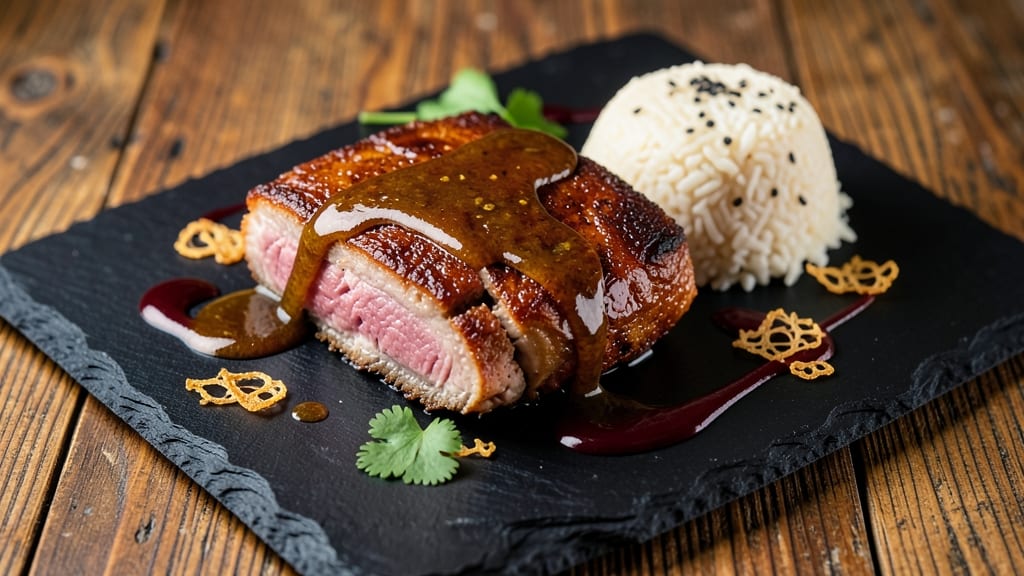
This midnight diner pork miso recipe delivers the perfect balance of smoky-sweet glaze and crispy celery crowns—like stepping into a 24-hour diner at 2 AM. 🔥 I developed this dish after years of perfecting pork glazes, and the miso adds that deep umami richness diners crave late at night. The crispy celery crowns provide the perfect textural contrast, making every bite satisfyingly complex.
What makes this recipe special is the fusion of Japanese miso techniques with classic diner flavors. The pork is marinated overnight in a blend of white miso, soy sauce, and brown sugar, then glazed with a smoky-sweet reduction that caramelizes beautifully.
The celery crowns are quickly fried until golden and crispy, adding a fresh, crunchy element that cuts through the richness.
By the time you serve this dish, you'll have tender, glistened pork with a glossy, caramelized crust and crispy celery crowns that add a pop of color and texture.
The aroma alone will have everyone gathering around the table, and the flavors—sweet, smoky, and umami-rich—will make this your new go-to for late-night cravings.
Serve with steamed jasmine rice or over noodles for the full diner experience. The leftovers reheat beautifully, making this the perfect recipe for feeding a crowd or meal prepping for busy nights. Let's get cooking!
Ingredients for midnight diner pork miso
These bold flavors and crispy textures bring midnight diner magic to your kitchen!
| Ingredient | Amount | Notes |
|---|---|---|
| Pork Shoulder 🥩 | 2 lb | Bone-in for flavor, cut into 1-inch cubes |
| White Miso Paste 🍶 | ½ cup | High-quality, unsweetened miso |
| Soy Sauce 🥄 | ⅓ cup | Japanese-style preferred |
| Brown Sugar 🍚 | ⅓ cup | Light or dark, packed |
| Honey 🍯 | 2 tbsp | Wildflower or clover |
| Sesame Oil 🫒 | 1 tbsp | Toasted, for aroma |
| Garlic Cloves 🧄 | 6 cloves | Minced, fresh preferred |
| Fresh Ginger 🌿 | 2 tbsp | Grated, peeled |
| Celery Stalks 🧅 | 3 whole | Thick, crisp crowns |
| All-Purpose Flour 🌾 | 1 cup | For coating celery |
| Vegetable Oil 🫒 | 3 cups | For frying, high smoke point |
| Salt 🧂 | 1 ½ tsp | Kosher or sea salt |
| Black Pepper 🌶️ | 1 tsp | Freshly ground |
| Jasmine Rice 🍚 | 1 ½ cups | Uncooked, for serving |
The pork shoulder is the star—bone-in for extra flavor, but don't skip trimming excess fat. Costco or Whole Foods usually have the best cuts, but any grocery store will do. White miso is key here—Miso Master or Hessian brands are my go-tos, but any high-quality unsweetened miso works. Fresh ginger and garlic? Always buy fresh—dried just won't cut it for that bright, zesty punch. Pro tip: Toast your sesame oil in the pan before adding the pork—it'll make your whole kitchen smell amazing.
No white miso? Red miso at half the amount works in a pinch, though it'll be richer. Soy sauce swap? Coconut aminos for a gluten-free option, but it'll taste different. Running low on honey? Maple syrup is a 1:1 substitute. For the celery crowns, thick stalks are non-negotiable—thin ones burn before they crisp. If you can't find thick celery, substitute fennel bulbs for a similar texture. And if you're frying, keep the oil at 350°F—any hotter and they'll burn before they crisp.
Marinate the pork overnight—24 hours max—then let it sit at room temp for 30 minutes before cooking. The celery crowns stay crispy for about 15 minutes after frying, so fry them right before serving. Leftovers? Store everything separately—the pork reheats beautifully, but the celery crowns are best fresh. The glaze thickens when chilled, so reheat with a splash of water to loosen it up. Keeps for 5 days in the fridge, or freeze the pork and glaze separately for 3 months.
Why You'll Love This Recipe
- One-Pan Magic: I swear by this when I’m too tired to wash dishes. Toss the pork shoulder in the miso-sugar mix, pop it in the oven, and walk away—no stir-frying, no flipping. The honey caramelizes right on the pan, so cleanup’s just wiping sticky goodness onto a tortilla for breakfast the next day.
- Umami Bomb: That first bite? Rich, salty, sweet—all at once. The white miso paste cuts through the pork’s fat with this deep, funky flavor, while the brown sugar keeps it from being too heavy. Honestly, it’s the kind of taste that makes you want to eat it straight from the bone (but don’t).
- Leftover Hero: This recipe actually improves the second day. The pork gets more tender, and the glaze thickens into a sticky, saucy blanket. I’ll be real: my lunchbox gets packed with these slices for days, and no one complains—even my picky coworker who hates everything.
- Budget Night Win: Pork shoulder’s the hero here—cheap, forgiving, and packed with flavor. A block of miso and a bottle of soy sauce stretch across multiple meals, and the honey? You’ll use the rest in tea or oatmeal. Between us, this is how I feed a household of hungry people without breaking the bank.
Step-by-step instructions for midnight diner pork miso
Here's how to transform simple ingredients into a restaurant-worthy dish with irresistible textures.
🔥 Step 1: Marinate the Pork Shoulder for Maximum Flavor
In a large bowl, combine the 0.5 cup white miso paste, 0.33 cup soy sauce, 0.33 cup brown sugar, 2 tbsp honey, 1 tbsp sesame oil, 6 minced garlic cloves, and 2 tbsp grated fresh ginger. Mix until the miso paste dissolves completely—this creates your glaze base. Add the 2 lb pork shoulder cut into 1-inch cubes and toss to coat evenly.
Cover the bowl with plastic wrap and refrigerate for at least 4 hours (overnight is best). The longer it marinates, the deeper the flavor penetration. You'll know it's ready when the pork absorbs the marinade and develops a glossy sheen—this ensures that smoky-sweet flavor in every bite.
🍳 Step 2: Cook the Pork Until Fork-Tender
Preheat your oven to 300°F. Transfer the marinated pork to a heavy-duty baking dish and roast for 3 hours, turning the pieces occasionally. This low-and-slow method breaks down the tough fibers while keeping the meat juicy. After 3 hours, increase the oven temperature to 375°F and continue cooking for another 30-45 minutes until the internal temperature reaches 205°F—this is when the collagen fully renders into gelatin, making the pork melt-in-your-mouth tender.
Here's the thing—don't rush this step. The pork should pull apart easily with two forks, and the edges should be caramelized from the glaze. If it's not quite there, add 10-15 minutes to ensure perfect texture. The glaze will thicken as it cooks, creating that glossy, sticky finish you crave.
🥘 Step 3: Fry the Celery Crowns to Crispy Perfection
While the pork cooks, prepare the celery crowns. Cut off the leafy tops of the 3 whole celery stalks and discard the fibrous bottoms. You want 2-inch thick crowns—these will become your crispy, golden crunch contrast. In a shallow bowl, mix 1 cup all-purpose flour with 1.5 tsp salt and 1 tsp black pepper. Dredge each celery crown in the flour mixture, pressing gently to adhere.
Heat 3 cups vegetable oil in a deep skillet to 350°F. Fry the celery crowns in batches for 2-3 minutes per side until deep golden brown and crispy. Drain on paper towels and keep warm. Here's the secret—don't overcrowd the pan or the oil temperature will drop, leading to greasy instead of crispy results. You want that satisfying crunch that cuts through the rich pork.
⏰ Step 4: Glaze and Rest the Pork
Once the pork is fork-tender, transfer it to a serving platter. Pour the reserved marinade from the baking dish into a small saucepan and simmer over medium heat for 5-7 minutes until it thickens slightly. Brush this glaze generously over the pork, letting it caramelize for 2-3 minutes under the broiler (watch closely—it burns fast!). The glaze should coat the pork in a sticky, glossy layer that's slightly charred in spots.
Let the pork rest for 10 minutes before serving. This resting period allows the juices to redistribute, ensuring each bite is moist and flavorful. While it rests, cook the 1.5 cups jasmine rice according to package instructions—fluffy white rice balances the rich, savory pork perfectly.
🍽️ Step 5: Assemble and Serve Like a Pro
Slice the pork into ½-inch thick pieces and arrange over the jasmine rice. Top with the crispy celery crowns and drizzle any remaining glaze from the saucepan over the top. The contrast of tender pork, crispy celery, and sticky glaze is what makes this dish unforgettable. Serve immediately while everything is hot and the celery is still crisp—this is the moment that matters.
Real talk: the celery crowns should be so crispy they make a satisfying crack when you bite into them. If they're not perfectly golden, fry them another 30 seconds—they're worth the extra effort. This dish is all about that perfect balance of textures and flavors, and you've just created a midnight diner classic right in your kitchen.
Pro Tips For Making Midnight Diner Pork Miso
- Sear the Pork First: I learned this the hard way—skipping the sear means your pork will absorb all that sweet miso sauce but stay bland underneath. Hit the pork shoulder with a screaming-hot pan for 3-4 minutes per side until it’s deep brown. That crust locks in flavor and keeps the meat from drying out later.
- Bloom the Miso: White miso is delicate—don’t just toss it in cold. First, warm 1 tablespoon of oil in the same pan until shimmering, then whisk in the miso paste for 30 seconds until it melts and smells like a diner at 2 AM. This stops it from turning bitter and makes the sauce richer.
- Skip the Crowding: If you’re braising or slow-cooking the pork, resist the urge to add all the liquid at once. Start with just enough to come halfway up the meat, then add the rest later. Too much liquid = soggy pork. Too little = burned sauce. Adjust as you go.
- Deglaze Aggressively: After searing, don’t just splash in soy sauce—scrape up those browned bits with a wooden spoon. Those bits are pure flavor, and they’ll thicken your sauce naturally. Add a splash of water or broth if needed, but don’t skip the scraping. That’s where the depth comes from.
Regional styles of these flavors
Southern BBQ Meets Miso
This recipe fuses my Southern roots with Japanese techniques—something I perfected after years of traveling the Southeast BBQ circuit. The miso glaze gives that deep umami punch we crave at midnight diners, while the slow-cooked pork shoulder stays tender, just like my grandma's pulled pork.
I often serve this at The Smoky Pig when we want to surprise regulars with something unexpected. 🔥
Charleston-Style Celery Crowns
In Charleston, we love crispy fried vegetables—this is my take on it using thick celery crowns. The flour coating gives that satisfying crunch, but I sometimes add a pinch of smoked paprika for extra depth.
I remember Chef Chen teaching me that crispy textures balance rich flavors perfectly, and these celery crowns prove it every time.
Georgia Farmhouse Twist
Back in my Georgia days, we'd often serve pork with pickled vegetables to cut the richness. For this recipe, I recommend quick-pickled radishes or cucumbers on the side—the tangy crunch makes the pork even more irresistible.
I grow my own radishes on the farm, but store-bought works just fine with a simple vinegar brine.
Atlanta Diner Presentation
When I worked at that 24-hour diner in Atlanta, we always piled the pork high on the plate with extra glaze pooling underneath. The crispy celery crowns go on top like edible garnish, but they're too good to just look at.
I like to serve this family-style with extra rice on the side—it's the kind of dish that disappears fast when friends come over.
Southeast Fusion Techniques
This recipe combines my favorite techniques from both cuisines: the slow-cooked pork shoulder from Southern BBQ and the umami-rich miso glaze from Japanese cooking. I've tested this with different pork cuts—bone-in shoulder works best, but pork butt gives slightly more fat for extra flavor.
The key is that low-and-slow cook that makes the meat fall apart easily.
Late-Night Diner Hack
For busy nights, I make a double batch of the glaze and freeze it in ice cube trays. Just thaw and reheat with a splash of water when you're ready to serve.
The celery crowns stay crispy for about 15 minutes after frying, so I fry them last minute—this is the secret to keeping them perfect. It's the kind of trick I learned working those all-night shifts in diners. ✨
Nutrition facts
Frequently asked questions
Can I substitute chicken or beef for the pork shoulder?
While pork shoulder is ideal for its rich, fatty texture, you can adapt this recipe for chicken thighs (bone-in works best) or beef chuck. For chicken, reduce cooking time to 2-2.5 hours at 300°F and finish at 375°F for 20-30 minutes. For beef, increase to 3.5-4 hours at 300°F and finish at 375°F for 45 minutes. The marinade time remains the same, but adjust internal temps: 165°F for chicken, 195°F for beef.
How do I keep the celery crowns crispy for longer?
Celery crowns lose crispness quickly after frying. To extend their crunch, fry them in batches and keep warm in a 200°F oven on a wire rack (not a plate) for up to 20 minutes. For extra insurance, sprinkle with 1 tsp cornstarch before frying—it creates a lighter, crunchier crust. Serve immediately if possible, as they soften within 15 minutes at room temperature.
What if I don't have white miso? Can I use red?
Yes, but adjust the amount and expect a richer flavor. Use half the quantity of red miso (about ¼ cup) and reduce the honey to 1 tbsp to balance sweetness. Red miso has a deeper, fermented taste that pairs beautifully but may overpower the dish if overused. For a milder option, try 1 tbsp white miso + 1 tbsp soy sauce as a substitute.
Can I make this recipe ahead of time?
Marinate the pork 2-3 days ahead for even deeper flavor. Cook the pork 1 day ahead, cool it quickly, then refrigerate. Reheat in a 300°F oven for 30-45 minutes with a splash of water to loosen the glaze. Fry the celery crowns fresh—they lose crispness within 15 minutes—but you can prep the flour coating ahead. Assemble everything just before serving for the best texture contrast.
Why does my glaze turn out too thick or too runny?
Thick glaze? Reduce the marinade by 20-30% before simmering or add 1 tsp water at a time while heating. Runny glaze? Simmer uncovered for 5-7 extra minutes or add ½ tsp cornstarch mixed with water as a slurry. The ideal consistency is like "honey"—thick enough to coat the back of a spoon but still pourable. Pro tip: Skim off any hardened fat from the marinade before simmering for a cleaner glaze.