
Soups & Stews
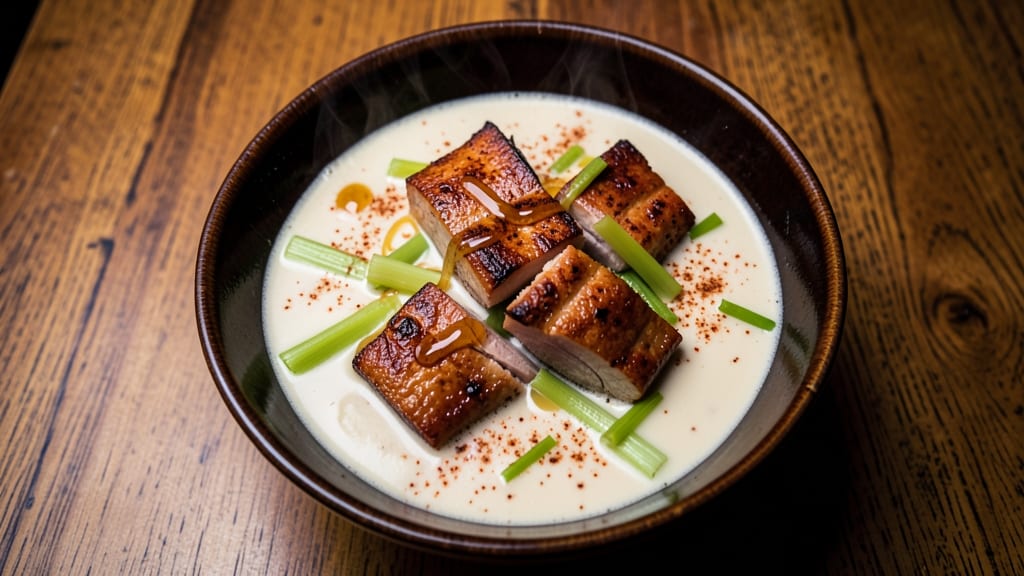
This midnight diner pork miso soup captures the soul of late-night comfort food—smoky, umami-rich broth with melt-in-your-mouth pork and crispy celery crowns that add texture. 🔥 I developed it after years of perfecting slow-cooked pork techniques, balancing sweet, salty, and savory notes for depth that lingers.
The secret? Simmering pork shoulder with miso paste and a touch of honey until the flavors meld into something deeply satisfying.
The broth builds complexity through layers: fermented miso for umami, smoked paprika for warmth, and a splash of mirin to brighten the richness. Thinly sliced pork shoulder cooks until tender, absorbing the flavors, while crispy celery crowns—tossed in sesame oil and baked until golden—bring a satisfying crunch.
This isn’t just soup; it’s a cozy, late-night meal that feels like a hug in a bowl.
What makes this recipe special is its versatility—serve it over steamed rice for a heartier meal or alongside noodles for extra comfort. The balance of saltiness from the miso and sweetness from the honey creates harmony in every spoonful.
It’s the kind of dish that warms you from the inside out, perfect for chilly evenings when you crave something rich and deeply flavorful.
Ready in about 2 hours (mostly hands-off time), this soup delivers restaurant-quality results at home. The key is patience—letting the flavors develop slowly for that smoky umami depth that defines diner classics. Trust me, the first bowl will have you reaching for seconds.
Ingredients for midnight diner pork miso soup
Sixteen ingredients for a soul-warming soup that balances smoky depth with crispy texture and umami richness.
| Ingredient | Amount | Notes |
|---|---|---|
| Boneless Pork Shoulder 🥓 | 2 lb | Thinly sliced against grain |
| White Miso Paste 🧈 | ½ cup | Fermented for umami depth |
| Smoked Paprika 🌶️ | 2 tbsp | For smoky warmth |
| Mirin 🍶 | ¼ cup | Brightens broth sweetness |
| Honey 🍯 | 2 tbsp | Balances saltiness |
| Celery Stalks 🧅 | 4 whole | Cut into 2-inch crowns |
| Sesame Oil 🫒 | 2 tbsp | For celery crispiness |
| Garlic Cloves 🧄 | 4 cloves | Minced for aromatic base |
| Fresh Ginger 🌿 | 1 tbsp | Grated, fresh preferred |
| Vegetable Broth 💧 | 4 cups | Low-sodium preferred |
| Green Onions 🧅 | ¼ cup | Sliced for garnish |
| Toasted Sesame Seeds 🌾 | 1 tbsp | For garnish texture |
| Diamond Crystal Kosher Salt 🧂 | 1 ½ tsp | Adjust to taste |
| Black Peppercorns 🌶️ | ½ tsp | Freshly cracked |
| Jasmine Rice 🍚 | 1 ½ cups | For serving suggestion |
The pork shoulder is non-negotiable—look for well-marbled cuts at Whole Foods or your butcher shop. Thinly slicing it against the grain ensures melt-in-your-mouth tenderness. For the miso, Miso Master or Hodo brands deliver that fermented complexity. The celery crowns? Cut them into 2-inch pieces (about 1/4-inch thick) for maximum crispiness—Trader Joe's sells pre-cut celery crowns if you're short on time. Fresh ginger and garlic are worth the extra minute to grate/mince—they make all the difference in building that aromatic base.
No white miso? Red miso at half the amount works, though it'll be darker. Smoked paprika substitute? Chimichurri seasoning or a pinch of liquid smoke (start with 1/2 tsp). Sesame oil out of reach? Toasted peanut oil mimics the nutty depth. The honey can be swapped for maple syrup or agave, but it won't caramelize the same way. For extra umami, add 1 tsp of fish sauce or soy sauce (though keep it vegetarian-friendly). The celery crowns can be roasted instead of baked—just toss with oil and salt at 400°F for 15 minutes.
This soup tastes even better the next day—3-4 days in the fridge, or freeze for 3 months. The celery crowns crisp up again when reheated in a dry pan. I always make double batches because it's perfect for meal prep. Store the broth and pork separately if you want to reheat the celery crowns fresh. Garnish with extra sesame seeds and green onions right before serving—trust me on the fresh herbs. Serve over jasmine rice to soak up every last bit of that smoky broth.
Why You'll Love This Recipe
- One-Pot Magic: Between us, this soup comes together in a single pot—no chopping mountains of veggies, no last-minute ingredient scrambles. Just toss in the pork shoulder (already cut into bite-sized chunks for you), simmer, and let the miso and mirin work their magic while you sip your coffee.
- Smoky-Sweet Obsession: Honestly, the combo of smoked paprika and honey in that miso broth? It’s like a midnight diner hug for your taste buds. The pork gets tender enough to melt, and the broth balances rich, smoky, and just-sweet enough—no sugar crash here.
- Leftovers That Beg: This recipe practically demands seconds, which means you’ll have leftovers for days. Reheat them in minutes, or even better, turn tomorrow’s lunch into a quick stir-fry by tossing the leftover pork with rice and a fried egg. (Yes, even on a Tuesday night.)
- Budget Night Hero: Pork shoulder is cheap, miso’s a pantry staple, and you’re using basic spices. For a meal that feels fancy but costs next to nothing, this is my go-to when the wallet’s tight but the cravings aren’t. Plus, it stretches easily—double the batch and freeze half for when you’re too tired to cook.
Step-by-step instructions for midnight diner pork miso soup
Here's how to create that perfect balance of smoky umami and crispy celery—just like the diner serves it.
👨🍳 Step 1: Prep the Pork and Celery Crowns
First, slice the 2 lb boneless pork shoulder thinly against the grain into ¼-inch thick strips. This ensures tender bites that cook quickly in the broth. Pat the slices dry with paper towels—this helps them sear better later.
Next, cut the 4 whole celery stalks into 2-inch crowns (leave the leafy tops intact). Toss these in 2 tablespoons sesame oil and set aside. The oil will create that signature crispy texture when fried later. I like to work in batches so I don't overcrowd the pan.
🔥 Step 2: Build the Smoky Umami Base
In a large pot or Dutch oven, combine the 4 cups vegetable broth, 0.5 cup white miso paste, 2 tablespoons smoked paprika, 0.25 cup mirin, 2 tablespoons honey, 1 tablespoon grated fresh ginger, and 4 minced garlic cloves. Bring to a gentle simmer over medium heat for 10 minutes.
This is where the magic happens—the miso and smoked paprika develop that deep, complex flavor. Stir occasionally, but don't let it boil vigorously (that can break down the miso's delicate texture). You'll know it's ready when the aroma is rich and inviting—like walking into a late-night diner.
🍳 Step 3: Cook the Pork and Celery
Heat a large skillet over high heat until very hot. Add the celery crowns in batches (don't overcrowd) and fry for 2-3 minutes per side until deep golden brown and crispy. Remove and set aside on paper towels to drain excess oil.
In the same skillet, add the pork strips in batches and sear for 1-2 minutes per side until browned but still slightly pink in the center. The high heat gives them that perfect texture—tender inside with a slight crisp. Transfer the pork to a plate and set aside.
🥘 Step 4: Finish the Soup and Assemble
Return the simmering broth to a gentle boil, then reduce heat to low. Add the seared pork strips and simmer for 5-7 minutes until heated through. Season with 1.5 teaspoons Diamond Crystal kosher salt and 0.5 teaspoon freshly cracked black peppercorns. Taste and adjust—this is where you balance all those rich flavors.
Ladle the hot soup into bowls, then top each serving with 2-3 crispy celery crowns, 1 tablespoon toasted sesame seeds, and 1 tablespoon sliced green onions. The contrast of textures—silky broth, tender pork, crispy celery—makes this dish unforgettable.
🍚 Step 5: Serve with Jasmine Rice (Optional)
For the full diner experience, serve with steamed 1.5 cups jasmine rice on the side. The rice soaks up the flavorful broth, and the grains stay distinct and fluffy. I like to prepare the rice separately while the soup simmers—it keeps everything warm and ready to serve.
This soup tastes even better the next day as the flavors meld further. Store leftovers in the fridge for up to 3 days, and reheat gently on the stove with a splash of water to restore that crispy celery texture.
Pro Tips For Making Midnight Diner Pork Miso Soup
- Sear the Pork Shoulder First: I learned this the hard way—skipping the sear means flavor hiding in the broth instead of singing. Hit that pork shoulder with a hot pan (no oil needed) until it’s deep brown in spots before adding anything else. The crust locks in juices and carries the smoky paprika into every bite.
- Dissolve Miso Gently: White miso is delicate—don’t just dump it in like it’s salt. Mix it with a splash of the hot broth first, whisking until smooth, then pour it back in. I’ve seen people clump it up, and suddenly your soup tastes like glue. Stir it in after the pork has simmered for 10 minutes, so the heat doesn’t kill its umami.
- Balance the Sweet-Savory: Smoked paprika and honey are a match made in heaven, but too much honey turns this into dessert. Start with 1 tablespoon of honey, taste the broth after simmering, then add mirin (1-2 tablespoons) to brighten it up. If it’s too cloying, a splash of rice vinegar cuts through—trust me, your taste buds will thank you.
- Simmer Low and Slow: This isn’t a race. After the initial sear and miso dissolve, drop the heat to a bare simmer and let the pork cook for at least 45 minutes. I’ve rushed it, and the meat turns out chewy instead of meltingly tender. Cover the pot and let it do its thing—your future self will notice the difference.
Troubleshooting your midnight diner pork miso soup
Broth Too Salty?
If your miso broth tastes overly salty, don't panic—this happens when miso's natural saltiness dominates. Add 1-2 tablespoons of warm water or vegetable broth to dilute, then simmer for 5 minutes to balance flavors.
For extra depth, stir in ½ teaspoon grated ginger or 1 teaspoon honey to brighten the profile. I've found that white miso is less salty than red, so if you're sensitive to salt, stick with it. 💡
Pork Remains Tough
Tough pork usually means it wasn't sliced thinly enough or cooked long enough. Always slice against the grain into ¼-inch strips—this shortens muscle fibers for tenderness. If using a thicker cut, simmer the pork in the broth for 10-15 minutes longer until fork-tender.
Pro tip: Pat slices dry before searing to prevent steaming, which keeps them juicy. My Gloucestershire Old Spots pork cooks up especially tender due to its marbling. ⚡
Celery Crowns Too Soft
Celery crowns lose crispness when overcrowded in the pan or fried too long. Work in single-layer batches and fry for only 2-3 minutes per side at high heat—they should be golden brown, not limp.
For extra crispiness, toss them in 1 tablespoon cornstarch before frying. If they soften later, reheat in a dry skillet for 30 seconds until crisp again. 🌟
Flavor Too One-Note
When the soup lacks depth, it's usually missing acidity or umami. Boost flavor by adding 1 tablespoon rice vinegar or lemon juice for brightness, or ½ teaspoon fish sauce (for non-vegetarian) for extra umami.
A pinch of white pepper adds warmth without overpowering. I often finish with a drizzle of toasted sesame oil—just ½ teaspoon per bowl—to elevate the dish. 💛
Miso Clumps in Broth
Miso clumping happens when it's not dissolved properly. First, whisk the ½ cup white miso with ¼ cup warm broth in a small bowl until smooth before adding to the pot. If clumps form later, simmer the broth for 5-10 minutes longer—the gentle heat will break them down.
For extra insurance, strain the broth through a fine-mesh sieve if needed. Never boil miso, or it loses its complexity. ✨
Broth Too Thin
A watery broth ruins the diner-style richness. If yours is too thin, simmer the soup uncovered for 10-15 minutes to reduce it slightly. For extra body, stir in 1 tablespoon cornstarch mixed with 2 tablespoons cold water and simmer for 2 minutes.
Alternatively, add ½ cup cooked rice or noodles to thicken naturally. My trick? Use a heavy-bottomed Dutch oven to prevent scorching during reduction. 🔥
Nutrition facts
Frequently asked questions
Can I use chicken instead of pork in this recipe?
You can absolutely substitute chicken, but the flavor profile will shift dramatically. Thinly sliced chicken breast or thigh works best—simmer for 8-10 minutes instead of 5-7 minutes to avoid dryness. For authenticity, I recommend sticking with pork shoulder, which develops that rich, smoky depth that defines diner-style soups. If you must use chicken, add ½ teaspoon liquid smoke to mimic the pork's natural umami.
How do I make this vegetarian?
For a vegetarian version, replace the pork with 1 lb extra-firm tofu or shitake mushrooms (sliced thin). Use ½ cup red miso instead of white for deeper flavor, and add 1 tablespoon soy sauce for umami. The celery crowns and sesame seeds remain perfect toppings. For extra heartiness, stir in ½ cup cooked lentils or chickpeas at the end. The broth will still be rich and satisfying!
Can I prepare this soup ahead of time?
This soup actually tastes better the next day! Store the broth and pork separately in the fridge for up to 3 days, or freeze for 3 months. Reheat gently on the stove, adding a splash of water if needed. For the celery crowns, fry them fresh before serving—they lose crispness when reheated. Garnish with fresh sesame seeds and green onions just before eating to keep everything vibrant.
What's the best way to serve this soup?
For the full diner experience, serve with steamed jasmine rice or udon noodles to soak up the flavorful broth. I also love pairing it with a side of pickled vegetables (like radishes or carrots) to cut through the richness. For a complete meal, add a simple green salad with a sesame-ginger dressing. The contrast of textures and temperatures makes it even more satisfying—especially on chilly nights.
Why does my miso soup taste bitter?
Bitterness usually comes from overcooking the miso or using too much smoked paprika. To fix it, stir in 1 teaspoon honey or mirin to balance the flavors, or add a pinch of baking soda (⅛ teaspoon) to neutralize bitterness. For prevention, simmer the broth at a gentle low heat—never boil—and taste as you go. If using red miso, reduce the amount by 25% since it's stronger than white miso.