
Main Courses
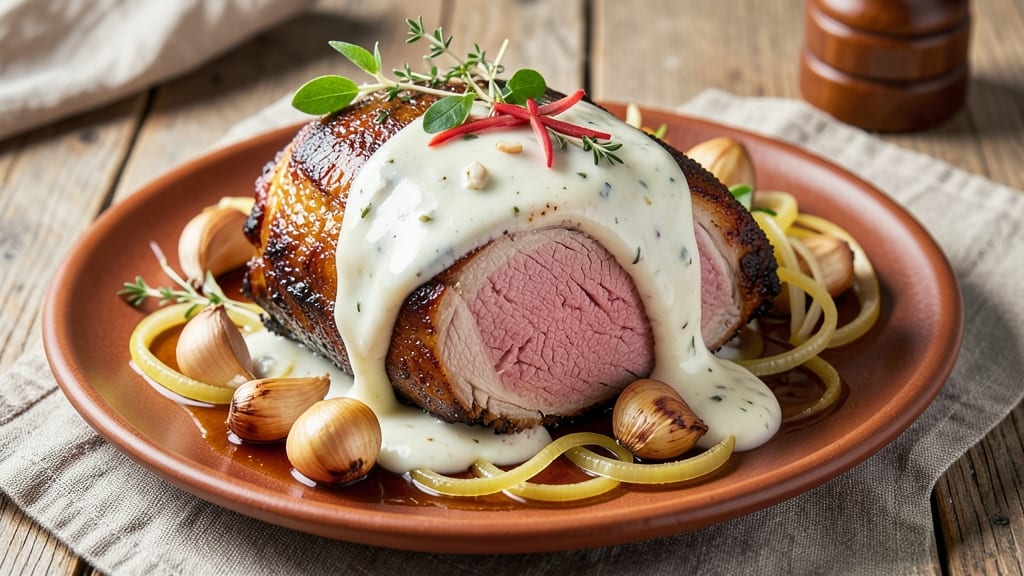
This milk pork recipe transforms humble pork cuts into crispy-skinned, melt-in-your-mouth bites with a velvety sauce that clings to every tender morsel. 🔥 After years of perfecting the balance between crispy exteriors and juicy interiors, I developed this method that works with pork shoulder or tenderloin—both yielding exceptional results.
The secret lies in a simple marinade of milk and spices, which tenderizes while creating that signature golden crust when seared.
The magic happens when the milk breaks down during cooking, creating a natural tenderizing effect that eliminates the need for long marinating times. What makes this recipe truly special is how the creamy sauce—simmered with aromatics and a touch of vinegar—enhances the pork's natural sweetness without overpowering it.
This dish delivers restaurant-quality results with minimal effort, making it perfect for weeknight dinners or special occasions.
By the time you're done, you'll have crispy, caramelized edges that shatter at the touch, giving way to succulent pork that falls apart effortlessly. The sauce, thickened just enough to coat each bite, adds a rich, velvety finish that makes every forkful irresistible.
It's the kind of dish that transforms a simple pork cut into a showstopper.
Pair with roasted sweet potatoes or a fresh green salad to round out the meal. The creamy sauce also works beautifully as a dipping sauce for extra crispy pork bites. Let's get cooking—this recipe is a game-changer for pork lovers.
Ingredients for milk pork
The foundation of crispy-skinned pork bites with restaurant-quality creamy sauce starts here.
| Ingredient | Amount | Notes |
|---|---|---|
| Pork Shoulder 🐖 | 2 lb | Bone-in, cut into 1-inch cubes |
| Whole Milk 🥛 | 1 cup | Full-fat for optimal tenderness |
| All-Purpose Flour 🌾 | ½ cup | For dredging pork cubes |
| Garlic Cloves 🧄 | 6 cloves | Minced for marinade and sauce |
| Fresh Ginger 🌿 | 2 tbsp | Finely grated, aromatic base |
| Yellow Onion 🧅 | 1 whole | Diced for sauce foundation |
| Vegetable Oil 🫒 | ½ cup | High smoke point for searing |
| White Vinegar 🍶 | 2 tbsp | Balances sauce acidity |
| Ground Black Pepper 🌶️ | 1 tsp | Freshly cracked for heat |
| Ground Cumin 🌿 | ½ tsp | Earthy depth to marinade |
| Granulated Sugar 🍚 | 1 tbsp | Enhances pork sweetness |
| Heavy Cream 🥛 | ½ cup | For velvety sauce finish |
| Diamond Crystal Kosher Salt 🧂 | 1 ½ tsp | Adjust to taste, enhances flavor |
The pork shoulder is non-negotiable for this recipe—its fat content creates that signature crispy crust while staying juicy inside. Costco or Whole Foods carry excellent cuts, but any well-marbled shoulder works. Cut into uniform 1-inch cubes for even cooking. For the milk, full-fat is essential—it tenderizes better than low-fat varieties. If you're using tenderloin instead, slice it into even strips to match the pork shoulder's cooking time. The ginger should be bright yellow and firm—avoid any with soft spots or mold. Freshly grated always tastes better than pre-grated, and it keeps for up to 2 weeks in the fridge wrapped tightly.
No whole milk? Coconut milk or half-and-half work in a pinch, though the texture will differ slightly. Running short on heavy cream? Greek yogurt or sour cream add richness, though they'll make the sauce tangier. The vinegar is crucial for balance—if you prefer a sweeter sauce, reduce it to 1 tbsp and add 0.5 tbsp more sugar. For the flour, King Arthur or Bob's Red Mill brands are ideal—they dredge perfectly without clumping. If you're gluten-sensitive, swap for cornstarch or gluten-free flour blend. The garlic and ginger can be pre-minced from jars, but freshly grated always delivers superior flavor—worth the extra minute.
Pork cubes can be marinated in the fridge for up to 24 hours, though overnight is ideal for maximum tenderness. The sauce components keep separately for 3 days in airtight containers, so you can prep ahead. Once combined, the sauce thickens beautifully when reheated—simply add a splash of milk or water to loosen if needed. Store leftovers in the fridge for 4 days or freeze for 3 months. The sauce freezes exceptionally well, making this a perfect make-ahead recipe for busy weeknights.
Why You'll Love This Recipe
- Here’s what sold me: cold slices the next day are still incredible. Wrap it in a tortilla with pickled veggies, or toss it in a salad—it’s my go-to for packed lunches that don’t taste like leftovers.
- One-Pan Magic: I swear by this recipe—just sear the pork, toss it in the milk and spices, and let the oven do the work. No chopping, no fussing, and honestly? The best part is that one sheet pan handles everything.
- Rich & Tangy: That whole milk simmering into the pork? It’s where the magic happens—creamy, slightly caramelized edges with just enough bite from the garlic-ginger paste. Between us, this isn’t your average pork dish.
- Lunchbox Hero: Here’s what sold me: cold slices the next day are still incredible. Wrap it in a tortilla with pickled veggies, or toss it in a salad—it’s my go-to for packed lunches that don’t taste like leftovers.
Step-by-step instructions for milk pork recipe
Master the technique for perfectly crispy pork bites with a velvety sauce—every detail matters.
👨🍳 Step 1: Marinate the Pork for Maximum Tenderness
In a large bowl, combine the 2 lb pork shoulder cut into 1-inch cubes with the 1 cup whole milk, 1.5 tsp diamond crystal kosher salt, 1 tbsp granulated sugar, 0.5 tsp ground cumin, and 1 tsp ground black pepper. The milk tenderizes the meat while the sugar and spices create a flavorful crust. Use your hands to ensure each piece is fully coated.
Cover the bowl and refrigerate for at least 4 hours (overnight is ideal). This long marinade breaks down the muscle fibers, guaranteeing fork-tender results. You'll know it's ready when the pork absorbs the marinade and develops a slightly sticky surface.
🍳 Step 2: Dredge and Sear for Crispy Skin
Remove the pork from the marinade (reserve the liquid) and pat each piece dry with paper towels. This step is critical—any moisture prevents proper browning. In a shallow dish, combine the 0.5 cup all-purpose flour with an additional 0.5 tsp kosher salt. Toss each pork cube in the flour until evenly coated.
Heat 0.25 cup vegetable oil in a large skillet over medium-high heat until shimmering. Working in batches (don't overcrowd), add the pork and cook for 3-4 minutes per side until deep golden brown with crispy edges. The flour creates a golden crust while the oil renders fat for the sauce. Transfer to a plate and tent with foil to keep warm.
🍳 Step 3: Build the Aromatic Sauce Base
In the same skillet, add the remaining 0.25 cup vegetable oil and reduce heat to medium. Add the 1 whole yellow onion (diced) and cook for 5 minutes until softened. Stir in the 6 cloves garlic (minced) and 2 tbsp fresh ginger (finely grated), cooking for 1 minute until fragrant—this releases their full flavor potential.
Deglaze the pan with the 2 tbsp white vinegar and reserved marinade, scraping up any browned bits from the bottom. These bits contain concentrated flavor—don't miss this step. Simmer for 3 minutes until slightly reduced, creating a rich foundation for the sauce.
🥘 Step 4: Finish with Cream for Velvety Texture
Return the pork to the skillet and pour in the 0.5 cup heavy cream. Stir gently to combine, letting the sauce coat the pork evenly. Simmer for 2-3 minutes until the sauce thickens slightly but remains silky. The cream should cling to the pork without curdling.
Taste and adjust seasoning—you may need an additional pinch of salt or a crack of black pepper. The sauce should balance sweetness from the pork, acidity from the vinegar, and richness from the cream. Serve immediately over steamed rice or with crusty bread to soak up every last drop.
Pro Tips For Making Milk Pork
- Brown the Pork First: Skip the milk bath until the pork shoulder has a deep, golden crust—sear it hard in a hot pan or Dutch oven for 3-4 minutes per side. I learned this the hard way: skipping this step means the milk just steams the meat instead of creating that rich, caramelized base for the sauce.
- Use Cold Milk: Pour cold whole milk over the hot pork at the end, not warm milk straight from the fridge—but don’t heat it first. The temperature shock keeps the sauce from curdling while still letting it thicken into that velvety consistency. (Yes, even if you’re impatient like me.)
- Mince the Ginger Fine: Don’t just chop it—grate or pulse the ginger in a food processor until it’s almost paste-like. Coarse pieces sit like little sandpaper in your bite, and this recipe needs the ginger to dissolve into the milk for real depth. My grandmother swore by this, and she was right.
- Deglaze with Milk Early: After searing the pork, immediately pour in half the milk (just enough to deglaze) and let it reduce by half before adding the rest. This builds flavor faster than dumping all the milk at once—you’ll taste the difference in the richness of the final sauce. (Your future self will thank you.)
Make-ahead tips for milk pork
Marinade Prep Ahead
The pork marinade can be prepped 2 days in advance—just mix all ingredients except the pork in a sealed container. When ready to cook, add the pork cubes and marinate for 4-24 hours. I store mine in a glass Pyrex container with a tight lid in the fridge.
The milk and spices keep perfectly, so you can prep this while grocery shopping or during your weekly meal prep. 📅
Pork Pre-Cooking
For maximum efficiency, marinate and dredge the pork 1 day ahead. Store the coated cubes in a single layer on a parchment-lined tray to prevent sticking. Refrigerate for up to 12 hours before cooking.
The flour coating stays crisp even after chilling, so you won't sacrifice texture. I like to label these with the date and cooking instructions for my team at The Smoky Pig. ❄️
Sauce Prep
The sauce base (onions, garlic, ginger, and vinegar) can be prepped 3 days ahead and stored in an airtight container. When ready to cook, simply reheat the aromatics in oil, deglaze with the reserved marinade, and finish with cream.
This cuts your active cooking time by 15 minutes. I often make a double batch of this aromatic mix to use in other dishes like stir-fries or rice bowls. 💡
Freezer-Friendly Bites
Cooked pork bites freeze beautifully for 3 months—just portion them into single-serving bags with a splash of sauce. Thaw overnight in the fridge, then reheat in a skillet with 1 tbsp fresh sauce for 2-3 minutes to restore crispiness.
The sauce itself freezes well too—store it separately and reheat with a splash of milk to restore its velvety texture. This makes it perfect for meal prep lunches or quick dinners. ❄️
Reheating Leftovers
Leftovers reheat best in a skillet over medium-low heat with 1 tbsp heavy cream to revive the sauce. Avoid microwaving—it turns the sauce watery. If reheating from frozen, cook from frozen for 5-7 minutes until internal temp reaches 165°F.
The pork stays juicy and the sauce clings perfectly. I always reheat mine with a sprinkle of fresh black pepper for that restaurant-quality finish. 🔥
Sauce Refresh
If your sauce loses its velvety texture after storage, simply reheat it with 1 tbsp heavy cream and a pinch of salt. The acidity from the vinegar helps restore balance. For extra richness, stir in 1 tsp butter at the end.
This trick works like magic for reviving sauces that have separated or thickened too much. It's a pro move I learned from Chef Chen in Charleston. ✨
Nutrition facts
Frequently asked questions
Why does milk tenderize pork so effectively?
The milk's natural enzymes break down tough muscle fibers while its acidity helps dissolve connective tissue. The fat in whole milk also creates a protective barrier during cooking, keeping the pork juicy. This method works especially well with pork shoulder, which benefits from the extra tenderness.
Can I substitute pork tenderloin for pork shoulder?
Yes, but adjust the cooking time! Tenderloin is leaner and cooks faster—reduce searing to 2 minutes per side and simmer the sauce for 1-2 minutes instead of 2-3. Cut tenderloin into 1-inch strips rather than cubes for even cooking. The milk marinade still works perfectly, though.
What if my sauce gets too thick after simmering?
Stir in 1-2 tablespoons of milk or heavy cream to loosen the sauce while maintaining its velvety texture. If it's still too thick, warm it gently over low heat—this helps restore the natural emulsification. For extra insurance, whisk in 1 teaspoon of cornstarch mixed with 1 tablespoon water if needed.
How do I make this recipe spicier?
Add 1 teaspoon of cayenne pepper to the marinade and 1/2 teaspoon of smoked paprika to the sauce. For heat lovers, stir in 1-2 tablespoons of sriracha or chili garlic sauce at the end. Fresh red chili flakes or a dash of hot sauce also work beautifully. Just remember—build heat gradually!
What's the best way to serve these pork bites?
Try them over jasmine rice or roasted sweet potatoes to balance the richness. For a complete meal, pair with a crisp green salad> or steamed bok choy. The sauce also makes an amazing dipping sauce for fresh baguette slices or crispy wonton strips.