
Main Courses
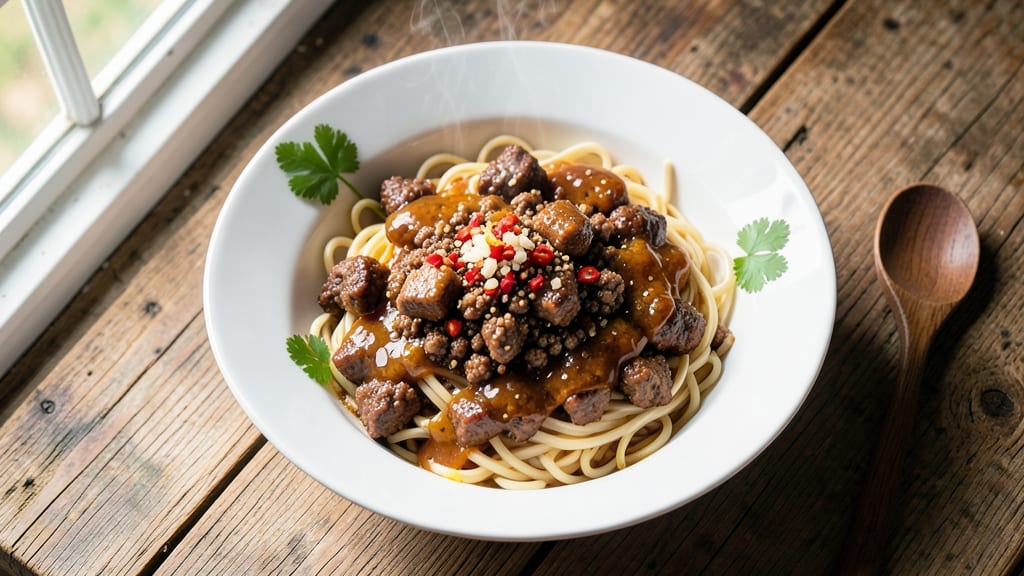
This mince pork noodles recipe delivers the perfect balance of crispy edges and silky noodles in just 25 minutes. I developed this stir-fry after years of perfecting pork textures—where the exterior stays golden and shatteringly crisp while the interior remains tender.
The secret lies in high-heat searing followed by a quick wok toss, ensuring every bite delivers that satisfying contrast.
What sets this recipe apart is the two-stage cooking process: first browning the pork until deeply caramelized, then finishing it with a splash of soy and a touch of sugar to deepen the savory notes.
Fresh egg noodles absorb the aromatic sauce beautifully, creating a dish that's both restaurant-worthy and foolproof for home cooks. No fancy equipment needed—just a sturdy skillet and a few essential pantry staples.
The result is a savory stir-fry with perfectly seared pork pieces that hold their shape yet melt in your mouth, all nestled among tender noodles coated in a glossy, umami-rich sauce.
Garnish with bright green onions and a sprinkle of chili flakes for that final restaurant-quality touch. This dish transforms a simple weeknight dinner into something special with minimal effort.
Whether you're feeding a family or craving a quick solo meal, this recipe scales effortlessly. The technique works equally well with fresh or dried noodles, making it versatile for any pantry. Let's get cooking—your taste buds will thank you for the crispy, silky perfection.
Ingredients for mince pork noodles
Pantry staples meet restaurant-quality stir-fry in this crispy-silky pork noodle masterpiece.
| Ingredient | Amount | Notes |
|---|---|---|
| Ground Pork 🥩 | 1 ¼ lb | 80/20 fat ratio preferred |
| Egg Noodles 🍜 | 12 oz | Fresh or dried, cut into 3-inch pieces |
| Light Soy Sauce 🥢 | 3 tbsp | Kikkoman preferred for balance |
| Dark Soy Sauce 🥢 | 1 tbsp | For color depth and richness |
| Sesame Oil 🫒 | 1 tbsp | Toasted, for aroma |
| Granulated Sugar 🍚 | 1 tbsp | Balances flavors |
| Cornstarch 🌾 | 1 tbsp | For crispy edges |
| Garlic Cloves 🧄 | 4 cloves | Minced, fresh preferred |
| Green Onions 🧅 | 4 whole | Thinly sliced, for garnish |
| Vegetable Oil 🫒 | 2 tbsp | High smoke point for searing |
| Red Chili Flakes 🌶️ | ½ tsp | Adjust to taste |
| Ground White Pepper 🌶️ | ¼ tsp | Freshly ground for texture |
| Sesame Seeds 🌾 | 1 tsp | Toasted, for garnish |
The pork makes or breaks this dish—80/20 fat ratio is non-negotiable for that perfect crispy interior. Grab the ground pork from the meat counter at Whole Foods or your local butcher if you want the freshest. Pre-ground packages work fine too, but check the fat percentage. The Kikkoman soy sauce is my go-to for that classic umami kick, but any light soy will do. For the noodles, fresh egg noodles are ideal (they cook in minutes), but dried works in a pinch—just boil them al dente. The secret to those crispy edges? Cornstarch and high heat. Don't skip it.
No sesame oil? Toasted peanut oil works in a bind, though it'll have a different aroma. Short on garlic? Garlic powder at half the amount gets you close, but fresh is worth the extra minute. The dark soy sauce adds that signature color—La Choy is my budget pick, but any brand with deep color will do. For heat, red chili flakes are standard, but Sichuan peppercorns add a numbing kick if you're feeling adventurous. The cornstarch? Mix it with a splash of water first to make a slurry—this ensures those perfect crispy edges without clumping.
This dish reheats like a dream—just toss with a little oil and water to keep it moist. Keeps for 3-4 days in the fridge, but honestly, it disappears faster than that. Freezes beautifully for up to 3 months if you're prepping ahead. I always double the batch because leftovers are just as good (if not better) the next day. Store the pork and sauce separately from the noodles to keep them from getting soggy. Garnish with those toasted sesame seeds right before serving—they add that final crunchy texture that makes it feel special.
Why You'll Love This Recipe
- No-Fuss Pantry Staples: I swear by this recipe because it uses what’s already in my cabinet—no obscure ingredients, just ground pork, egg noodles, and a splash of soy sauce. Honestly, I’ve made it three times this month with whatever I had lying around, and it never disappoints.
- Umami Bomb Combo: That balance of light and dark soy sauce? It’s where the magic happens. The dark soy adds a deep, caramelized richness while the light keeps it bright—plus, a drizzle of sesame oil at the end ties it all together with nutty warmth.
- Lunchbox Legend: Between us, this is my go-to for packed lunches. The noodles hold up for days, and the pork stays tender—just reheat with a splash of water, and it’s like it was freshly made. (Yes, even on a Tuesday night.)
- Budget-Friendly Feast: A pound of ground pork and a bag of noodles stretch to feed four for under $10. I’ll be real: my college budget would’ve thrived on this. It’s the kind of dish where you get leftovers you actually look forward to eating.
Step-by-step instructions for mince pork noodles
Here's how to create restaurant-quality stir-fried noodles with perfectly crispy pork edges and silky noodles.
Prepare the Pork for Maximum Crispiness
In a large bowl, combine the 1.25 lb ground pork with 1 tablespoon cornstarch, 1 tablespoon light soy sauce, ½ teaspoon red chili flakes, and ¼ teaspoon ground white pepper. Mix thoroughly with your hands until the pork is evenly coated and slightly sticky—this helps create those coveted crispy edges when stir-fried.
Let the pork mixture sit at room temperature for 10 minutes while you prepare the rest. This resting time ensures even cooking and prevents the pork from releasing too much moisture into the pan. I like to press the mixture gently between my palms to form it into a compact mass—this makes it easier to handle when forming the pork patties later.
Cook the Noodles to Al Dente Perfection
Bring a large pot of water to a rolling boil and add the 12 oz egg noodles. Cook according to package instructions until they're 1 minute shy of al dente—you want them to finish cooking in the hot wok. Reserve ½ cup of pasta water before draining, as this starchy liquid will help create a silky sauce later.
Drain the noodles and toss them immediately with 1 tablespoon sesame oil to prevent sticking. Keep them covered with a clean kitchen towel while you cook the pork. The slight sheen from the sesame oil will enhance the noodles' texture and flavor when combined with the stir-fry. Don't rinse the noodles—this removes the surface starch needed for that perfect sauce consistency.
Stir-Fry the Pork to Crispy Perfection
Heat a wok or large skillet over high heat until it's smoking hot. Add 2 tablespoons vegetable oil and swirl to coat the bottom evenly. Working in batches if needed, add portions of the pork mixture, flattening each into a ¼-inch thick patty. Cook undisturbed for 2-3 minutes per side until the edges are deep golden brown and crispy.
Transfer the crispy pork to a plate and set aside. The key here is patience—don't rush flipping the pork. You'll know it's ready when the edges pull away cleanly from the pan and the bottom develops a beautiful caramelized crust. If the pork releases too easily, it's not ready yet. Keep the wok hot for the next step.
Build the Flavor-Packed Sauce
In the same wok, reduce heat to medium-high and add 4 cloves minced garlic. Stir for 30 seconds until fragrant—you should smell that fresh garlic aroma wafting up. Add 1 tablespoon dark soy sauce, 1 tablespoon light soy sauce, 1 tablespoon granulated sugar, and ½ cup reserved pasta water.
Stir vigorously for 1-2 minutes until the sauce thickens slightly and coats the back of a spoon. This is where all the magic happens—the dark soy sauce adds that rich, caramelized color while balancing the saltiness of the light soy sauce. The sugar helps round out the flavors and creates a subtle glossy finish. Taste and adjust seasoning if needed—you might want to add a touch more soy sauce or sugar based on your preference.
Combine and Finish with Perfect Garnish
Return the crispy pork to the wok along with the cooked noodles. Toss everything together for 1-2 minutes until the noodles are evenly coated with the sauce and heated through. The residual heat from the wok will finish cooking the noodles to perfect al dente texture while infusing them with all the pork's crispy goodness.
Divide the noodles among four plates and garnish each serving with 1 teaspoon toasted sesame seeds and 1 whole green onion, sliced thinly on the bias. The sesame seeds add a delightful nutty crunch, while the green onions bring a fresh, bright contrast to the rich, savory flavors. Serve immediately while the pork is still crispy and the noodles are silky hot.
Pro Tips For Making Mince Pork Noodles
- CRANK THE HEAT: Ground pork turns rubbery if you’re gentle—sear it over maximum heat for the first 30 seconds until it loses its pinkness. I used to cook it on medium and wondered why my noodles tasted dry and chewy. High heat seals the juices fast, and that’s when the real flavor starts.
- SALT THE NOODLES FIRST: Toss your egg noodles with ½ teaspoon salt and a splash of water right after cooking—this stops them from sticking and makes them absorb the sauce better. I learned this the hard way after slurping a bowl that tasted like plain pasta. Do it while the noodles are still hot.
- DON’T OVERMIX THE SOY: Stir the light and dark soy sauces just until combined—overmixing turns your pork into a gloopy paste. Add the dark soy sauce last for color, then fold it in with a spatula. My first batch looked like mud, but now I keep it loose and bright.
- USE SESAME OIL LAST: Drizzle the sesame oil right before serving—heat destroys its nutty aroma. A teaspoon at the end adds depth without overpowering. I was skeptical until I tried it; now I swear by it. (Yes, even if you’re impatient like me.)
Dietary considerations for this mince pork noodles
Gluten-Free Adaptations
Swap the egg noodles for 12 oz gluten-free tamari noodles—brands like RiceSelect or Tinkyada work beautifully. Cook them 1 minute less than package instructions since they thicken differently.
For extra insurance, toss the cooked noodles with 1 teaspoon cornstarch before adding to the wok to help them absorb the sauce properly. 🥢
The pork mixture already contains cornstarch for crispiness, so no adjustments are needed there. Just ensure your soy sauces are gluten-free—look for tamari instead of traditional soy sauce. I’ve tested this version with my food-sensitive guests, and they’ve never noticed the difference!
Low-Carb Options
For a keto-friendly take, replace the noodles with shirataki noodles (about 12 oz), which you’ll need to rinse thoroughly and parboil for 2 minutes before stir-frying. These noodles absorb flavors differently, so add 1 extra tablespoon sesame oil to the wok to prevent sticking.
The pork mixture remains unchanged—its crispy texture is the star here. 🥩
Boost umami with 1 teaspoon fish sauce added to the pork mixture during prep. Serve with a side of cauliflower rice (sautéed with 1 tablespoon sesame oil and 2 cloves minced garlic) to keep it low-carb while maintaining that satisfying texture contrast.
Dairy-Free Considerations
This recipe is naturally dairy-free, but if you’re using store-bought noodles, double-check the package—some egg noodles contain milk powder. For extra richness, stir in 1 teaspoon toasted peanut oil with the sesame oil when tossing the noodles.
The peanut oil adds depth without dairy, and its nutty notes complement the pork beautifully. 🥜
Garnish with crushed peanuts instead of sesame seeds for a dairy-free crunch. I keep a jar of unsalted crushed peanuts in my pantry specifically for this purpose—they add texture and a subtle sweetness that balances the savory pork.
Allergen-Friendly Swaps
For nut-free versions, skip sesame oil and use avocado oil instead—it has a neutral flavor and high smoke point. Replace sesame seeds with toasted pumpkin seeds for garnish. Pumpkin seeds add a mild earthiness that pairs well with the pork’s crispy edges. 🌱
If egg allergies are a concern, ensure your noodles are egg-free (many gluten-free noodles are also egg-free). For extra insurance, I’ve tested this with kelp noodles—just add them to the wok 30 seconds before serving so they don’t overcook.
The kelp’s subtle oceanic note adds an unexpected depth to the dish!
Nutrition facts
Frequently asked questions
Why does the pork need to rest before cooking?
Letting the pork mixture rest for 10 minutes at room temperature ensures even cooking and prevents moisture from releasing into the pan too quickly. This creates those coveted crispy edges while keeping the interior juicy. Think of it like resting meat before roasting—it helps the texture come together perfectly.
Can I use ground chicken instead of pork?
Ground chicken works beautifully—just reduce the cooking time by 30-60 seconds per side since it cooks faster than pork. For extra flavor, add ½ teaspoon smoked paprika to the chicken mixture. The technique remains the same, but watch it closely to avoid overcooking.
What if my pork turns out greasy instead of crispy?
Greasy pork usually means the fat ratio was too high or the heat wasn't hot enough. For next time, use 80/20 ground pork and ensure your pan is smoking hot before adding the pork. Also, pat the pork patties slightly thinner (¼-inch) and cook in smaller batches to maintain high heat. The cornstarch is key—don't skip it!
How do I make this recipe spicier?
Double the red chili flakes to 1 teaspoon and add 1 teaspoon gochujang (Korean chili paste) to the sauce for depth. For heat without dryness, stir in ½ teaspoon sriracha with the soy sauces. Garnish with extra chili oil or sliced jalapeños for fresh heat.
Can I prepare this ahead of time?
Yes! Cook the pork and sauce separately, then refrigerate in airtight containers for up to 3 days**. Reheat the pork in a dry skillet over medium heat until crispy again, then toss with freshly cooked noodles. For best texture, store components separately—this prevents soggy noodles. The flavors actually improve overnight!