
Main Courses
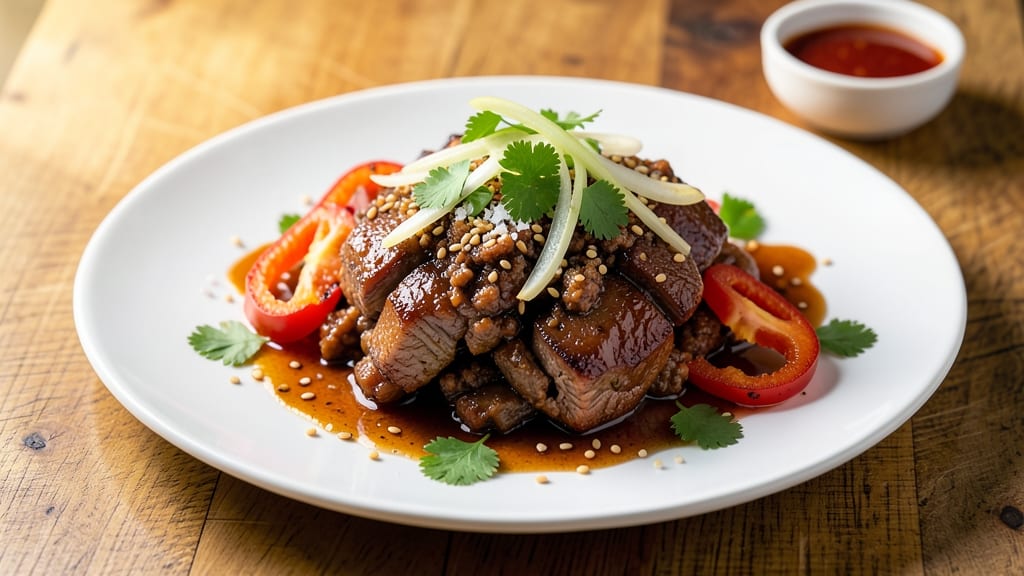
This minced pork bulgogi recipe delivers restaurant-quality Korean flavors with tender, caramelized pork that's impossible to resist. 🔥 I developed this version after years of perfecting the balance between sweet, savory, and umami—just like my grandmother used to make, but with a few modern shortcuts that don't compromise authenticity.
The secret lies in proper marinating time and achieving that signature caramelized crust through precise cooking techniques.
The beauty of bulgogi is its versatility—traditionally grilled over charcoal for smoky depth, but equally delicious on a stovetop or even in the oven. We'll use a marinade of gochujang, soy sauce, and brown sugar that transforms simple ground pork into something extraordinary.
What makes this recipe special is how it adapts to different cooking methods while maintaining that authentic Korean restaurant taste.
By the time you're done, you'll have perfectly tender, slightly crispy edges on each piece of pork, infused with layers of sweet-savory flavor. The marinade doesn't just coat the meat—it penetrates deeply, creating juicy bites that practically melt in your mouth.
This is the kind of dish that transforms ordinary weeknights into special occasions, with minimal effort.
Serve it with steamed rice, fresh lettuce wraps, or alongside classic Korean sides like kimchi and pickled radishes. The possibilities are endless, but the foundation is always the same: perfectly marinated, beautifully cooked bulgogi that brings a taste of Korea to your table.
Let's get started with a method that delivers professional results every time.
Ingredients for minced pork bulgogi
Sweet, savory, and umami-packed ingredients that transform simple ground pork into restaurant-quality bulgogi.
| Ingredient | Amount | Notes |
|---|---|---|
| Ground Pork 🐖 | 1 ½ lb | 80/20 fat ratio preferred |
| Gochujang Paste 🌶️ | ⅓ cup | Korean fermented chili paste |
| Soy Sauce 🍶 | ⅓ cup | Korean or Japanese preferred |
| Brown Sugar 🍚 | ¼ cup | Packed, light or dark |
| Sesame Oil 🫒 | 1 ½ tbsp | Toasted, for aroma |
| Garlic Cloves 🧄 | 6 cloves | Minced, fresh preferred |
| Fresh Ginger 🌿 | 2 tbsp | Grated, peeled |
| Rice Wine Vinegar 🍶 | 2 tbsp | Or apple cider vinegar |
| Sesame Seeds 🌾 | 1 tbsp | Toasted, for garnish |
| Green Onions 🧅 | 4 whole | Thinly sliced, white parts only |
| Salt 🧂 | 1 tsp | Kosher or sea salt |
| Black Pepper 🌶️ | ½ tsp | Freshly ground |
| Vegetable Oil 🫒 | 2 tbsp | For cooking, neutral flavor |
The ground pork is non-negotiable—80/20 fat ratio gives you that signature caramelized crust. Costco or Korean markets often have the best quality, but any grocery store ground pork works if it's fresh. Look for bright red color and avoid pre-ground pork that's been sitting in the meat case too long. The gochujang is the soul of this dish—Maesil or Dobae are my go-tos, but any quality Korean brand will do. If you can't find it, substitute 1 tbsp sriracha plus 1 tbsp tomato paste, though it won't be quite the same.
No gochujang? Mix 1 tbsp sriracha with 1 tbsp tomato paste and 1 tsp sugar as a pinch-hitter. The brown sugar can be swapped for white sugar or coconut sugar, but brown gives that caramelized depth. Fresh garlic and ginger are ideal, but powdered works at half the amount if you're in a bind. Sesame oil is non-negotiable for that authentic aroma—toast it in a dry pan for 30 seconds before adding to the marinade to deepen the flavor. The rice wine vinegar adds brightness; apple cider vinegar is a solid substitute if you're out.
Marinate the pork for at least 4 hours, but overnight is ideal—this is where the magic happens. Store the marinade in an airtight container in the fridge. The cooked bulgogi keeps for 3-4 days in the fridge, though it's best eaten fresh. For leftovers, reheat in a skillet with a splash of water to revive the moisture. Freeze portions for up to 3 months—thaw overnight in the fridge before reheating. The sesame seeds and green onions are for garnish, but toss them in if you're feeling extra. They add crunch and freshness that balances the richness.
Why You'll Love This Recipe
- Here’s what sold me: the brown sugar and gochujang create this addictive balance—sweet heat that clings to every bite. Add sesame oil at the end? Instant umami punch that makes it taste like a restaurant dish.
- No Chopping Needed: I swear by this recipe when I’m too tired to dice anything. Ground pork means no knife work—just mix, cook, and serve. That gochujang and soy sauce blend into a sticky, caramelized sauce without a single prep step.
- Sweet-Spicy Magic: Here’s what sold me: the brown sugar and gochujang create this addictive balance—sweet heat that clings to every bite. Add sesame oil at the end? Instant umami punch that makes it taste like a restaurant dish.
- Leftover Hero: Between us, this keeps better than most takeout. The flavors deepen overnight, and reheating it with a splash of water turns it into a quick stir-fry or rice bowl the next day. My lunchbox’s new best friend.
Step-by-step instructions for minced pork bulgogi
Here's how to transform simple ingredients into restaurant-quality bulgogi with perfect balance.
👨🍳 Step 1: Marinate the Ground Pork
In a large mixing bowl, combine the 1.5 lb ground pork with 0.33 cup gochujang paste, 0.33 cup soy sauce, and 0.25 cup packed brown sugar. Use your hands to break up any large clumps of pork and distribute the marinade evenly. The mixture will look sticky and slightly wet at first.
Next, add the 6 minced garlic cloves, 2 tbsp grated fresh ginger, 2 tbsp rice wine vinegar, 1.5 tbsp sesame oil, 1 tsp salt, and 0.5 tsp black pepper. Mix thoroughly until all ingredients are fully incorporated and the pork is evenly coated. I like to let the marinade sit for at least 30 minutes—this allows the flavors to meld and the pork to tenderize slightly. For best results, marinate overnight in the refrigerator.
🍳 Step 2: Cook the Bulgogi to Perfect Doneness
Heat a large skillet or wok over medium-high heat and add 2 tbsp vegetable oil. Once the oil is shimmering, add the marinated pork in an even layer. Cook undisturbed for 3-4 minutes until the bottom begins to brown and crisp slightly.
Use a spatula to break the bulgogi into smaller pieces, then continue cooking for another 4-5 minutes, stirring occasionally, until the pork is fully cooked through and has developed a beautiful caramelized crust. You'll know it's ready when the edges are deep brown and the pork releases easily from the pan. Remove from heat and let it rest for 2 minutes to allow the juices to redistribute.
🥘 Step 3: Finish and Garnish
Return the cooked bulgogi to the skillet and reduce heat to low. Stir in 1 tbsp toasted sesame seeds and 4 thinly sliced green onions (using only the white parts). Cook for an additional 1-2 minutes just to warm through and infuse the garnishes with flavor.
Taste and adjust seasoning if needed—you might want to add a splash of water or a bit more soy sauce if the mixture seems too dry. The finished bulgogi should have a glossy sheen from the caramelized sugars and a perfect balance of sweet, savory, and slightly spicy flavors. Serve immediately over steamed rice, wrapped in lettuce cups, or with your favorite sides.
⏰ Step 4: Rest and Serve (Optional but Recommended)
For the best texture, let the bulgogi rest for 5-10 minutes before serving. This brief pause allows the juices to settle and the flavors to deepen. I find that resting also makes the bulgogi more tender and easier to eat—especially important when serving to guests who might be less familiar with its slightly chewy texture.
Garnish with additional sesame seeds and green onions just before serving. The contrast of the bright green onions against the rich, caramelized bulgogi makes it visually stunning. Pair with a cold beer or a crisp white wine to complement the sweet-savory profile. Leftovers keep well in the refrigerator for up to 3 days—just reheat gently in a skillet to maintain that perfect texture.
Pro Tips For Making Minced Pork Bulgogi
- STIR-FRY FAST AND HOT: The moment you add the pork to the pan, turn the heat to max and let it sizzle violently for 30 seconds—this seals the meat and prevents it from turning mushy. I used to cook it on medium and wondered why my bulgogi always felt dense; high heat is non-negotiable here.
- MIX GOCHUJANG LAST: Add the gochujang paste after the pork has browned and the sauce has reduced by half—this keeps its deep red color instead of turning it muddy. I learned this the hard way when my first batch looked like a sad, gray-brown paste.
- USE COLD PORK: Take the ground pork straight from the fridge and break it into rough chunks before cooking—this prevents it from sticking into one greasy mass. Yes, it’ll look weird, but it cooks more evenly and absorbs the marinade better.
- TOAST SESAME OIL SEPARATELY: Heat a dry pan to medium-low, add the sesame oil, and let it shimmer for 30 seconds until fragrant—then pour it over the finished bulgogi. This keeps the oil from burning and adds a nutty depth that mixing it in raw can’t match. (I know, it’s an extra step, but it’s worth it.)
Dietary considerations for these flavors
Gluten-Free Adaptation
For a gluten-free version, simply swap the traditional soy sauce for tamari or coconut aminos—both are naturally gluten-free while maintaining that umami depth. I use 32 Degrees Organic Tamari because it has a cleaner flavor profile.
The rest of the marinade stays exactly the same, including the gochujang, which is naturally gluten-free. Just be sure to check your gochujang label, as some brands may contain wheat. 🌱
Low-Sodium Option
If you're watching your sodium intake, reduce the soy sauce to 2 tbsp and add 1 tbsp rice vinegar to compensate for the lost saltiness. I also recommend using a low-sodium soy sauce like Kikkoman Low Sodium—it cuts the sodium by nearly half without sacrificing flavor.
For extra umami, add 1 tsp fish sauce or ½ tsp MSG (if you're avoiding additives, skip this).
Dairy-Free Considerations
This recipe is naturally dairy-free, but if you're serving it alongside sauces or sides that contain dairy, keep an eye out for hidden sources. Some gochujang brands include whey, so double-check the label.
For a completely dairy-free meal, pair your bulgogi with steamed jasmine rice, quick-pickled cucumbers, and sesame seed dressing**—all of which are dairy-free by default.
Vegetarian Substitution
For a vegetarian version, replace the ground pork with extra-firm tofu or mushrooms. I prefer king oyster mushrooms because they have a meaty texture that holds up well to the marinade.
Press the mushrooms to remove excess water, then marinate them for at least 6 hours to ensure maximum flavor absorption. Cook them in the same way, but reduce the cooking time to 3-4 minutes total to avoid over-browning.
Allergen-Friendly Tips
If you're dealing with multiple allergies, this recipe can be easily adapted. For nut allergies, avoid cross-contamination with sesame seeds (use sunflower seeds instead). For soy allergies, substitute the soy sauce with coconut aminos and ensure your gochujang is soy-free.
Always check labels—some brands of gochujang contain hidden soy. For egg allergies, no changes are needed as this recipe is naturally egg-free. 💡
Nutrition facts
Frequently asked questions about minced pork bulgogi
Can I use regular ground pork or do I need special Korean pork?
Regular 80/20 fat ratio ground pork works perfectly—no need for specialty pork! The fat content is crucial for that signature caramelized crust. Look for bright red, well-marbled pork at your local butcher or grocery store. Avoid pre-ground pork that's been sitting too long, as it loses moisture and flavor.
How do I get the perfect caramelized crust without burning?
Use medium-high heat and cook undisturbed for 3-4 minutes before stirring. The key is patience—let the sugars in the marinade develop that deep brown color without rushing. If your pan isn't hot enough, the pork will steam instead of caramelize. A cast-iron skillet works best for even heat distribution.
What's the best way to store and reheat leftovers?
Store in an airtight container for up to 3-4 days in the fridge. To reheat, use a skillet with 1 tbsp water over low heat for 3-4 minutes to restore moisture. Never microwave—it makes the bulgogi rubbery. For freezing, portion into single servings and freeze for up to 3 months.
Can I make bulgogi in an air fryer or oven?
Yes! For the air fryer, spread marinated pork in a single layer and cook at 375°F for 8-10 minutes, shaking halfway. For the oven, bake at 400°F for 12-15 minutes on a wire rack over a baking sheet. These methods work well but won't give the same caramelization as stovetop—reserve them for when you can't use high heat.
What sides pair best with bulgogi?
Classic pairings include steamed jasmine rice, fresh lettuce wraps, and kimchi. For a complete meal, add quick-pickled cucumbers or sesame seed dressing. The acidity from pickled veggies cuts through the richness, while rice soaks up all the delicious juices. Don't forget a cold beer or sparkling water to cleanse your palate!