
Side Dishes
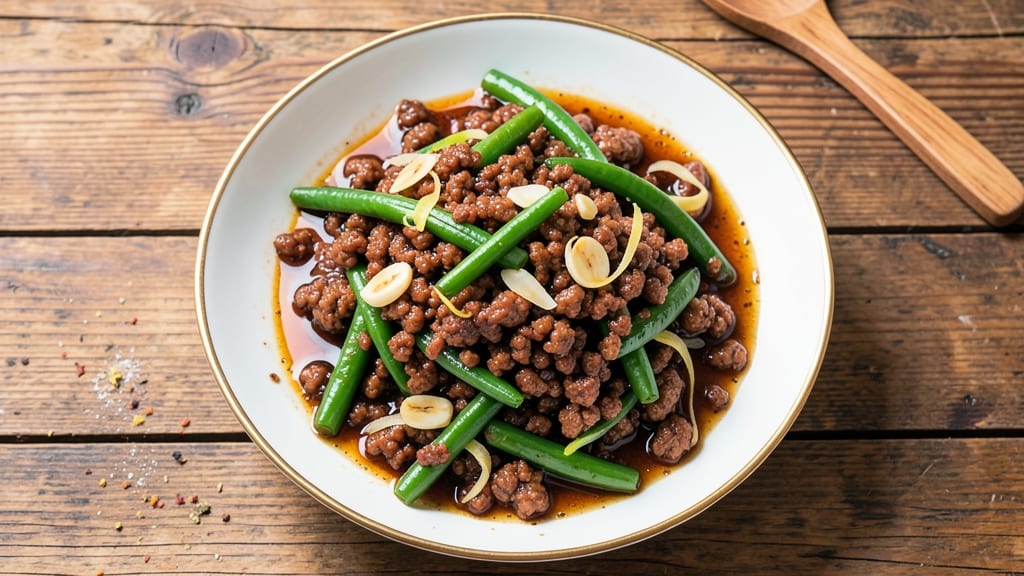
This minced pork and green beans Chinese recipe delivers restaurant-quality umami in just 20 minutes—a perfect balance of tender pork, crisp-tender beans, and aromatic wok-hei flavors.
I perfected this stir-fry after years of refining Chinese techniques, ensuring every bite packs the savory depth of traditional Cantonese cooking without the fuss.
The secret lies in proper marinating and stir-frying: minced pork gets a quick sear with garlic and ginger, then tosses with green beans until they're vibrant and just tender.
A simple sauce of soy, oyster, and a touch of sugar creates that signature sweet-savory harmony, while high-heat cooking unlocks that coveted wok aroma. This dish proves authentic Chinese flavors are achievable at home with the right technique.
What you'll end up with is a vibrant stir-fry where tender pork contrasts beautifully with crisp-tender green beans, all coated in a glossy sauce that clings perfectly. The aromatics—garlic, ginger, and chili—layer complexity without overpowering, while the wok-hei adds that smoky, charred depth that defines great stir-fries.
It's the kind of dish that transforms a simple weeknight dinner into something special.
Serve over steamed rice for the full experience, or pair with noodles for a heartier meal. The recipe scales easily for crowds, and leftovers reheat beautifully. Let's get cooking—this stir-fry delivers professional results with minimal effort.
Ingredients for minced pork green beans chinese
Authentic Cantonese stir-fry ingredients—minced pork, vibrant green beans, and aromatic wok-hei flavors.
| Ingredient | Amount | Notes |
|---|---|---|
| Ground Pork 🐖 | 1 lb | Lean ground pork preferred |
| Green Beans 🥬 | 1 ½ lb | Trimmed, cut into 2-inch pieces |
| Garlic Cloves 🧄 | 6 cloves | Minced, fresh preferred |
| Fresh Ginger 🌿 | 1 tbsp | Finely grated, peeled |
| Light Soy Sauce 🍶 | 3 tbsp | Kikkoman preferred |
| Dark Soy Sauce 🍶 | 1 tbsp | For color depth |
| Oyster Sauce 🦪 | 1 tbsp | High-quality, no additives |
| Granulated Sugar 🍚 | 1 tbsp | White or brown |
| Sesame Oil 🫒 | 1 tsp | Toasted, for aroma |
| Cornstarch 🌾 | 1 tbsp | For tenderizing pork |
| Vegetable Oil 🫒 | 2 tbsp | High smoke point |
| Red Chili Flakes 🌶️ | ½ tsp | Adjust for heat preference |
| White Pepper 🌶️ | ¼ tsp | Freshly ground |
| Salt 🧂 | ½ tsp | Kosher or sea salt |
The ground pork is non-negotiable for texture—lean pork ensures tender results, while fat content adds juiciness. Trim any visible fat before grinding if you prefer a lighter dish. Whole Foods or Asian markets carry the best quality ground pork for stir-fries, often labeled specifically for Asian cooking. Green beans should be bright green and crisp, not wilted or rubbery. Look for harvested within 48 hours for peak freshness, or frozen beans work perfectly if fresh aren't available. The ginger and garlic are your aromatic foundation—freshly grated ginger releases oils that build flavor, while minced garlic should be finely chopped for even distribution.
No oyster sauce? Substitute with 1 tbsp hoisin plus 1 tsp soy sauce, though it won't replicate the depth. Kikkoman soy sauce is the gold standard, but any light soy works. For sugar, brown sugar adds molasses notes if you prefer complexity. The cornstarch isn't just for thickening—it tenderizes the pork during marinating. Skip it only if using pre-tenderized pork. Chili flakes can be swapped for Sichuan peppercorns (½ tsp) for a numbing spice profile. Sesame oil should be toasted, not flavored—the aroma is what you're after, not the taste. If you're missing vegetable oil, peanut or avocado oil work equally well for high-heat searing.
Pork marinates best at room temperature for 15-20 minutes before cooking. Store raw pork in the coldest part of your fridge, using within 2 days for optimal texture. Green beans keep 5-7 days in the fridge, but freeze them after blanching for up to 6 months. The sauce components (soy, oyster, sugar) can be pre-mixed and stored in the fridge for up to 1 week, though fresh is always superior. For leftover stir-fry, portion into airtight containers with a thin layer of oil on top to preserve crispness—reheats beautifully in a steamer basket over boiling water.
Why You'll Love This Recipe
- One-Pan Magic: I swear by this for lazy nights—just toss everything in one skillet, stir, and walk away. The green beans soften while the pork browns, and that ginger-garlic aroma fills the kitchen faster than you can say "dinner’s ready."
- Umami Bomb: That light soy sauce? It’s the MVP here. The pork stays juicy, the green beans get a glossy sheen, and the garlic-ginger combo hits like a flavor grenade—savory, bright, and just a little addictive. Honestly, I’ll take this over takeout any day.
- Lunchbox Hero: Between us, this is my secret weapon for meal prep. Double the batch, pack it in containers, and you’ve got a protein-packed lunch that tastes fresh even after three days. My kids still ask for it—no sad desk lunches here.
- Budget Win: Ground pork stretches far, green beans are cheap, and you’re using pantry staples. I made this last week for $8 and fed four people. Plus, leftovers reheat like a dream—no drying out, no sad textures. Just reliable, tasty food.
Step-by-step instructions for minced pork and green beans stir-fry
Master this classic Chinese stir-fry with precise timing and technique for vibrant flavors and perfect texture.
Prepare the Pork for Maximum Tenderness
In a medium bowl, combine the 1 lb ground pork, 1 tbsp cornstarch, 0.5 tsp salt, 0.25 tsp white pepper, and 0.5 tsp red chili flakes. Using your hands, mix thoroughly until the cornstarch coats the pork evenly. This creates a light crust that prevents the meat from drying out during cooking.
Form the mixture into 1-inch balls—about 8-10 pieces total—and set aside. The cornstarch also helps the pork absorb flavors more effectively. Don't skip this step; it's what transforms ordinary ground pork into tender, flavorful bites that hold their shape during stir-frying.
Blanch the Green Beans for Crisp-Tender Texture
Bring a large pot of water to a rolling boil. Add the 1.5 lb green beans and cook for 2-3 minutes until they're bright green but still retain a slight crunch. Immediately drain and plunge them into ice water to stop the cooking process. This blanching step is crucial—it removes the raw taste while preserving their vibrant color and crisp texture.
Drain the green beans thoroughly and pat them dry with a clean kitchen towel. The drier they are, the better they'll sear in the wok. Arrange them on a plate and set aside. You want them ready to stir-fry immediately after the pork cooks—this keeps the dish hot and prevents sogginess.
Build the Flavor Base with Aromatics and Sauces
Heat a wok or large skillet over high heat until it's smoking hot. Add 2 tbsp vegetable oil and swirl to coat the bottom. Add the 6 cloves minced garlic and 1 tbsp finely grated fresh ginger, stirring constantly for 30 seconds until fragrant but not browned. This quick cooking preserves their fresh flavor without burning.
Pour in the 3 tbsp light soy sauce, 1 tbsp dark soy sauce, 1 tbsp oyster sauce, and 1 tbsp granulated sugar. Stir vigorously for 1 minute as the sauce begins to bubble and reduce slightly. The dark soy sauce adds that signature deep color while the sugar balances the saltiness. Keep the heat high to prevent the sauce from turning gluey.
Cook the Pork to Perfect Doneness
Add the pork balls to the wok in a single layer, stirring gently to prevent them from sticking. Cook for 2-3 minutes until they're lightly browned on the outside but still slightly pink in the center. The pork should release easily from the wok—if it sticks, your wok isn't hot enough. This is the moment that matters: overcooking will make the pork dry and tough.
Once the pork is nearly cooked, add the blanched green beans to the wok. Toss everything together for 1-2 minutes until the green beans are heated through and the pork is fully cooked. The residual heat from the pork and aromatics will finish cooking the beans perfectly. Watch closely—they should remain vibrant green with just a hint of char from the wok's heat.
Finish with Sesame Oil and Serve Immediately
Reduce the heat to medium and drizzle in the 1 tsp sesame oil. Stir for 10 seconds until the aroma fills your kitchen—this is where the dish comes together. The sesame oil adds a nutty depth that complements all the other flavors. Taste and adjust seasoning if needed, though the sauce should already be perfectly balanced.
Transfer the stir-fry to a serving platter immediately. Serve hot over steamed rice, garnished with extra sesame oil if desired. The dish should be vibrant, with tender pork that's slightly crisp on the edges and green beans that are crisp-tender. Each bite should deliver a perfect balance of savory, umami, and subtle heat from the chili flakes.
Pro Tips For Making Minced Pork Green Beans Chinese
- STIR-FRY GREEN BEANS FIRST: I learned this the hard way—blanching the green beans for 2 minutes in boiling water before stir-frying keeps them crisp. Toss them in ice water immediately, then drain well. This step guarantees they stay bright and snappy instead of turning mushy under the pork’s weight.
- USE COLD PORK, NOT WARM: Take the ground pork straight from the fridge and break it into small, uneven pieces with your hands. Cold pork sears better and releases less grease, so it browns faster and doesn’t turn greasy. (Yes, even if you’re impatient like me.)
- GINGER-GARLIC PASTE SAVES TIME: Skip mincing fresh ginger and garlic separately—grate them together into a paste with 1 teaspoon of oil. This cuts prep time in half and ensures even distribution. The paste also caramelizes faster, adding depth without burning.
- SOY SAUCE LAST, NOT FIRST: Add the light soy sauce after the pork is fully cooked, not at the start. If you toss it in early, the beans will absorb it unevenly and turn limp. A splash at the end brightens the dish while keeping the texture crisp. (Your future self will thank you.)
Serving suggestions for leftovers
Rice Pairings
Steamed jasmine rice is my go-to pairing—its delicate floral aroma complements the dish's umami without competing. For extra texture, I like to serve it with toasted sesame seeds sprinkled on top.
If you're feeling adventurous, try black rice for a striking visual contrast that adds earthy depth to each bite. 💛
Noodle Alternatives
For a heartier meal, swap rice for egg noodles or udon noodles, both of which soak up the flavorful sauce beautifully.
I recommend cooking the noodles al dente and tossing them with the stir-fry in the final minute of cooking. Rice noodles work too, especially if you prefer a lighter texture that won't overpower the dish.
Garnish Ideas
Fresh cilantro or green onions add a bright, fresh finish that cuts through the richness. I often sprinkle toasted sesame seeds for extra crunch and aroma. For a pop of color, try adding red chili oil drizzle or a sprinkle of crushed Sichuan peppercorns for a numbing spice kick.
Beverage Pairings
A crisp green tea like Dragon Well cleanses the palate between bites, while a lightly chilled Tsingtao beer balances the dish's richness. For a non-alcoholic option, jasmine tea with lemon provides a refreshing contrast. Avoid heavy wines—they'll overpower the delicate flavors.
Meal Prep Serving
If prepping ahead, store components separately: pork and sauce in one container, green beans in another. Reheat pork and sauce first, then toss in the beans for 1-2 minutes to maintain crispness.
Serve with warm rice or noodles to keep everything cohesive. For leftovers, reheat gently in a wok or skillet over medium heat to preserve texture. ⏰
Family-Style Presentation
For gatherings, serve in a large steam-table-style dish with rice in the center and stir-fry surrounding it. Garnish with extra sesame seeds and chili oil for visual appeal. I like to add small bowls of extra sauce on the side so everyone can adjust to taste.
This approach makes the dish feel special while keeping it accessible for all to serve themselves.
Nutrition facts
Frequently asked questions
Can I substitute chicken or beef for the pork?
Ground chicken works beautifully with this recipe—just reduce cooking time to 1-2 minutes since it cooks faster than pork. Beef is possible, but it's denser and may need 3-4 minutes of cooking. For either, increase the cornstarch to 2 tbsp to maintain tenderness. The flavor profile stays authentic, but pork's natural fat content creates that signature juiciness.
Why do I need to blanch the green beans?
Blanching removes the raw, grassy flavor while preserving vibrant color and crisp texture. Skipping this step risks ending up with mushy beans that absorb too much sauce. The ice bath stops cooking instantly—critical for maintaining that perfect crisp-tender bite. For extra convenience, use frozen green beans (no blanching needed), but fresh beans always deliver better texture.
What's the best way to get wok-hei flavor at home?
Use a carbon steel wok or cast iron skillet on maximum heat until smoking. Add oil when it shimmers, then work quickly to create those signature charred spots. A gas stove with high BTUs works best—electric stoves may struggle to achieve the same intensity. For extra aroma, add a pinch of dried shrimp or dried shiitake mushrooms to the aromatics.
Can I make this dish spicier?
Add 1 tsp chili bean paste or ½ tsp Sichuan peppercorns to the sauce for numbing heat. For fresh chili, stir in 1 tbsp minced Thai bird's eye chilies> during the final toss. Remember: Chinese cooking balances heat with sweetness—adjust the sugar to 1.5 tbsp if increasing spice. Always taste before serving!
How do I prevent the pork from turning dry?
Never overcook the pork—it should be slightly pink inside when done. The cornstarch coating creates a moisture seal, but if your pork still dries out, reduce heat to medium-high and add 1 tsp water to the wok during cooking. For extra juiciness, marinate the pork with 1 tbsp Shaoxing wine before cooking.