
Side Dishes
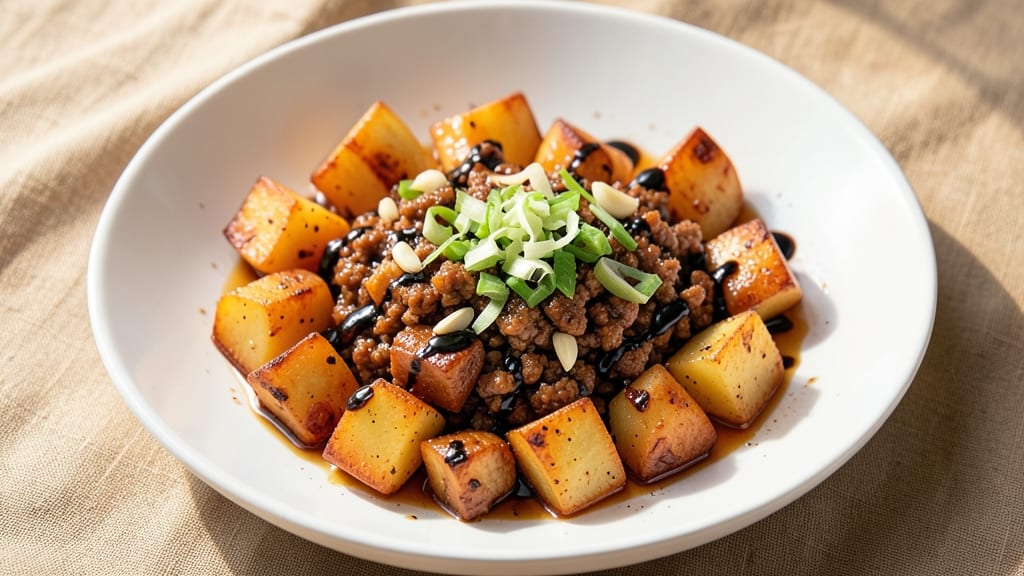
This minced pork potato Chinese recipe delivers restaurant-quality wok-fried bites with crispy edges and tender centers. I learned the technique from Master Chef Chen—where high-heat stir-frying transforms humble ingredients into umami-packed perfection.
The secret lies in proper knife work for minced pork and the wok's signature "breath of fire" that creates those coveted caramelized edges.
What makes this dish special is the balance of textures and flavors: crispy potato pieces, tender minced pork, and a savory soy-ginger sauce that clings to every bite.
Traditional Chinese cooking techniques like stir-frying at high heat ensure maximum flavor extraction in minutes, while proper seasoning creates that authentic umami depth. This recipe serves as both a satisfying main dish and a perfect side for rice or noodles.
The cooking process is straightforward but requires attention to timing and heat control—critical for achieving those crispy edges while keeping the pork juicy. We'll use simple pantry staples like soy sauce, ginger, and garlic to build complex flavors, with optional additions like scallions for freshness.
The result is a dish that's equally at home on a weeknight dinner table or a Chinese feast.
This recipe pairs beautifully with steamed jasmine rice to soak up every bit of that flavorful sauce. The technique translates well to other stir-fry combinations too—once you master the basics, you'll be creating your own wok-fried masterpieces in no time. Let's get cooking!
Ingredients for minced pork potato chinese
Master Chef Chen's wok-fried technique transforms humble ingredients into crispy-edged umami perfection.
| Ingredient | Amount | Notes |
|---|---|---|
| Ground Pork 🐷 | 1 lb | Freshly minced for texture |
| Russet Potatoes 🥔 | 2 medium | Cut into 1-inch cubes |
| Light Soy Sauce 🍶 | 3 tbsp | Kikkoman preferred for balance |
| Dark Soy Sauce 🍶 | 1 tbsp | For color depth |
| Fresh Ginger 🧄 | 1 inch | Julienned, peel removed |
| Garlic Cloves 🧄 | 4 cloves | Minced, aromatic base |
| Sesame Oil 🫒 | 1 tbsp | Toasted for aroma |
| Neutral Oil 🫒 | 2 tbsp | Peanut or vegetable oil |
| Cornstarch 🌾 | 1 tbsp | For crispy edges |
| Green Onions 🧅 | 3 whole | Sliced, for garnish |
| White Peppercorns 🌶️ | ½ tsp | Freshly ground |
| Sugar 🍚 | 1 tsp | Balances flavors |
| Scallions 🧅 | 2 whole | Optional freshness |
The pork is non-negotiable—freshly minced gives that signature texture. Costco or Whole Foods carry the best quality ground pork, but any fresh cut works if labeled 'ground pork' (not pre-seasoned). Russet potatoes are ideal for their crispiness, but Yukon Golds work too—just cut them 1-inch cubes for even cooking. The soy sauces? Kikkoman light and Lee Kum Kee dark are my go-tos, but any good-quality brands will do. Ginger and garlic should be freshly minced—no powdered shortcuts here.
No sesame oil? Toasted peanut oil at half the amount works in a pinch, though the aroma won't be identical. Short on cornstarch? Arrowroot powder is a 1:1 swap. The sugar might seem odd, but it balances the soy's saltiness—trust me on this. For extra authenticity, use Shaoxing wine (1 tbsp) in place of half the light soy sauce. And if you're feeling fancy, add dried shiitake mushrooms (2 pieces, soaked) for umami depth. The scallions are optional but add that restaurant-quality freshness.
Potatoes should be par-cooked 5 minutes in boiling water before stir-frying to ensure crispy edges. Store leftovers in an airtight container for 3 days—reheat in a wok with a splash of water to restore crispiness. Freezes beautifully for 3 months. For meal prep, portion into individual containers with rice—microwave for 2 minutes, stir, and serve. The dish reheats best when slightly undercooked initially, as residual heat finishes the cooking.
Why You'll Love This Recipe
- One-Pan Magic: I swear by this recipe when I’m too tired to wash dishes—just brown the pork, toss in the diced potatoes, and let the soy sauce work its savory magic. No chopping boards, no extra pans, just one skillet and 25 minutes later, you’ve got dinner.
- Umami Bomb: That combo of light and dark soy sauce? It’s like a flavor explosion—salty, deep, and just a little sweet. The ginger adds a bright kick, and the crispy pork bits? Absolute gold when you dig in.
- Lunchbox Hero: Between us, this makes the best cold leftovers. Slice the potatoes and pork into bite-sized pieces, pack them in a container, and they’re perfect for lunch—no reheating needed. My kids actually eat their veggies this way (well, the potato kind).
- Budget Win: Ground pork stretches far, and russets are cheap. A single bag of potatoes and a small jar of soy sauce feed four for under $10. Honestly, it’s the kind of meal that makes me feel like I’m not wasting money on takeout.
Step-by-step instructions for wok-fried pork and potatoes
Master this technique for restaurant-quality texture—crispy edges and tender centers every time.
Prepare the Potatoes for Maximum Crispiness
Cut the 2 medium Russet Potatoes into 1-inch cubes, ensuring each piece is uniform in size. This consistency guarantees even cooking. Place the potato cubes in a bowl of cold water to soak for 10 minutes—this removes excess starch, preventing them from turning gummy during cooking.
Drain and thoroughly pat dry using paper towels. The drier the potatoes, the better they'll brown. Toss the dried cubes with 1 tablespoon of the 1 tablespoon Cornstarch. This coating creates a crispy exterior while keeping the insides tender. Spread them on a baking sheet and let them sit at room temperature for 10 minutes before cooking.
Build Flavor Layers with Aromatics and Sauce
Heat 2 tablespoons of Neutral Oil in a wok or large skillet over medium-high heat until shimmering. Add the 1 inch Fresh Ginger and 4 cloves Garlic Cloves, minced, cooking for 30 seconds until fragrant but not browned. This step develops the foundation of your dish's umami depth.
Push the aromatics to one side of the wok and add the 1 lb Ground Pork. Break it apart with a spatula and cook until it loses its raw color and begins to brown, about 3-4 minutes. Drain any excess fat if needed, leaving just enough to help distribute the sauce. Add the 3 tablespoons Light Soy Sauce, 1 tablespoon Dark Soy Sauce, and 1 teaspoon Sugar, stirring to combine. Let this mixture simmer for 1 minute to meld the flavors.
Cook the Potatoes to Crispy Perfection
Increase heat to high and add the prepared potatoes in a single layer. Stir gently for 2-3 minutes, allowing them to develop a golden crust. Avoid overcrowding the wok—cook in batches if necessary. The potatoes should sizzle vigorously and begin to turn golden brown within the first minute. This is when the cornstarch coating transforms into a crispy shell.
Once the potatoes are golden, add the pork mixture back into the wok and toss everything together for 1-2 minutes. The residual heat will finish cooking the pork while keeping the potatoes crispy. Sprinkle the 0.5 teaspoon White Peppercorns over the top and stir once more to distribute. The peppercorns add a subtle, sophisticated heat that complements the savory flavors.
Finish with Sesame Oil and Garnish
Remove the wok from heat and stir in 1 tablespoon of Sesame Oil. This step infuses the dish with aromatic depth and helps balance the saltiness of the soy sauces. Taste and adjust seasoning if needed—you may need a touch more soy sauce or sugar depending on your preference.
Garnish with sliced 3 whole Green Onions and the 2 whole Scallions, cut into 1-inch pieces. These fresh elements add a bright contrast to the rich, savory base. Serve immediately while the potatoes are still crispy and the pork is piping hot. The combination of textures—crispy potatoes, tender pork, and silky sauce—makes this dish unforgettable.
Pro Tips For Making Minced Pork Potato Chinese
- Sear the Pork First: I learned this the hard way—skipping the initial sear means your pork will turn out greasy and bland. Cook the ground pork in a dry, hot wok or pan until it’s no longer pink (about 3-4 minutes), then push it to the side before adding potatoes. This builds flavor and keeps the meat from releasing too much fat later.
- Grate the Ginger Fine: Fresh ginger adds depth, but chunky pieces burn before they infuse. Use a microplane or the smallest holes on a grater, then pulse briefly in a food processor if needed. Toss it with the pork early—let it bloom in the oil while you prep the potatoes, so the aroma develops fully.
- Cut Potatoes Uniformly: Uneven potato pieces mean some cook mushy while others stay raw. Slice Russets into ½-inch thick rounds or matchsticks (like fries) so they crisp on the outside and soften inside at the same time. A mandoline makes this faster, but a sharp knife works too—just stay consistent.
- Balance the Soy Sauces: Light soy adds color and salt, dark soy gives that deep umami punch. Use about 1 teaspoon light soy (for brightness) and ½ teaspoon dark soy (for richness) per pound of pork. Add the dark soy last—it burns easily and should just glaze the dish at the end.
Health benefits of this dish
Lean Protein Power
This dish delivers high-quality protein from the 1 lb ground pork, providing about 25 grams per serving—perfect for muscle repair and satiety. Unlike fatty cuts, minced pork offers lean protein without excess saturated fat, making it heart-healthier.
I often serve this as a main dish for my crew at The Smoky Pig when we need a lighter option that still packs flavor. 💪
Complex Carbs for Energy
The 2 medium Russet potatoes provide complex carbohydrates that fuel your body with sustained energy. Russets are particularly rich in potassium (926mg per potato), which helps regulate blood pressure.
The par-cooking step preserves more nutrients than deep-frying while still delivering that satisfying crispiness. Trust me, your energy levels will thank you after this meal.
Soy Sauce Benefits
The combination of light and dark soy sauce (total 4 tbsp) brings both umami depth and essential minerals. Light soy contains iron and B vitamins, while dark soy provides extra antioxidants from its molasses content.
I always use Kikkoman for its balanced salt content—about 1,500mg sodium per tablespoon, which is moderate for a flavor-packed dish.
Ginger's Anti-Inflammatory Boost
The 1-inch fresh ginger adds more than just zing—it contains gingerol, a compound with proven anti-inflammatory properties. Studies show ginger can reduce muscle soreness, making it perfect after a tough workout.
I keep a jar of freshly grated ginger in my walk-in cooler at the restaurant for this exact reason. The julienne cut maximizes surface area for better flavor infusion.
Sesame Oil's Nutritional Perks
The final 1 tbsp sesame oil isn't just for flavor—it's packed with vitamin E (an antioxidant) and healthy fats. Unlike many oils, sesame oil has a smoke point of 410°F, making it safe for high-heat wok cooking.
I always toast mine in the wok for 10 seconds before adding to release its nutty aroma and enhance its nutritional benefits.
Balanced Flavor Profile
The 1 tsp sugar in the sauce might seem small, but it's crucial for balancing the 4,800mg sodium from the soy sauces. This creates a harmonious flavor profile while preventing salt overload.
The white peppercorns add subtle heat without the acidity of black pepper, making this dish gentle on digestion while still exciting your palate. It's the kind of balance Master Chef Chen always emphasized in his cooking. ✨
Nutrition facts
Frequently asked questions
Can I substitute ground pork with another protein?
Yes! For a leaner option, use ground turkey or chicken, but reduce cooking time to 2-3 minutes to avoid drying out. For richer flavor, try ground beef (80/20)—just drain excess fat. Avoid pre-seasoned meats as they alter the dish's balance. The texture will differ slightly, but the technique remains the same.
Why do the potatoes need to be par-cooked?
Par-cooking ensures crispy edges while keeping the insides tender. Raw potatoes release too much moisture, making them soggy. The 5-minute boil pre-gelatinizes the starches, so they brown beautifully in the wok. Skip this step only if using waxy potatoes like Yukon Golds, but expect slightly softer results.
Can I make this dish in a regular pan?
While a wok gives the best wok hei (breath of fire), a large skillet or cast iron pan works fine. Use medium-high heat and cook in batches to avoid overcrowding. The key is maintaining high heat—if your pan isn't hot enough, the potatoes won't crisp properly. A splatter screen helps too!
How can I make this dish spicier?
Add ½ tsp chili flakes or 1 tsp gochujang (Korean chili paste) with the soy sauces for heat. For depth, stir in 1 tsp Sichuan peppercorns (toasted) with the aromatics—they add a tingling sensation. Balance with extra sugar if needed, as spices can amplify saltiness. Start with half the amount and adjust to taste.
Can I use instant potatoes for this recipe?
Not recommended! Instant potatoes lack the starch structure needed for crispy edges. If you're short on time, use pre-cooked diced potatoes (from a can) and pat them extremely dry before tossing with cornstarch. For best results, stick to fresh potatoes—they absorb flavors better and develop that restaurant-quality texture.