
Main Courses
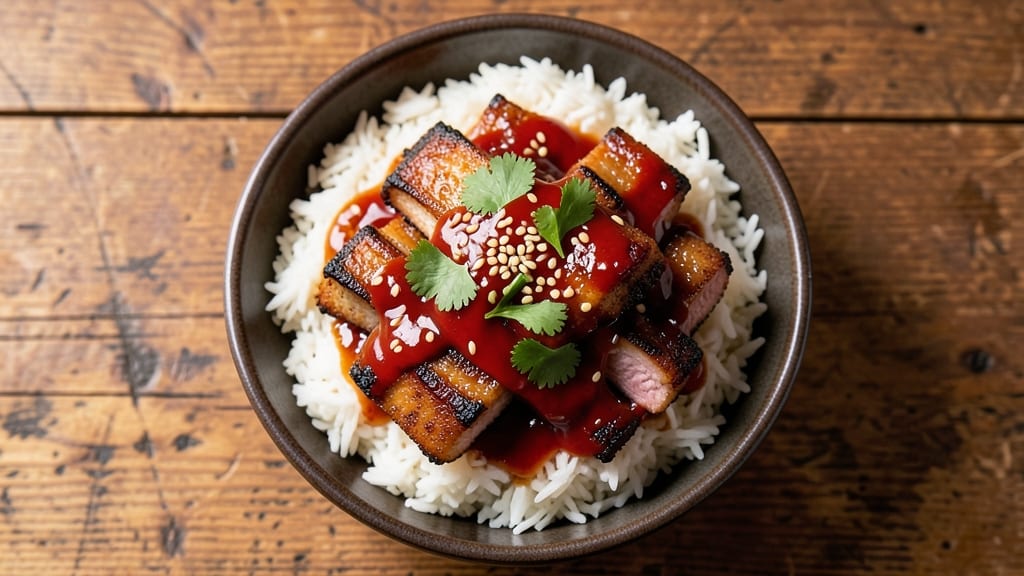
These mini pork ribs deliver all the smoky, caramelized flavor of full-size ribs but in perfect, handheld portions—ideal for parties or weeknight dinners. I developed this recipe after years of perfecting my pitmaster techniques for smaller cuts, ensuring tender meat with crisp edges every time.
The secret? A two-stage cooking process that locks in juiciness while building that coveted bark.
What sets these apart is the balance of time and technique—no long smoker sessions required. You’ll start with a dry rub that develops flavor quickly, then finish with a high-heat sear for that irresistible crunch.
The ribs stay fall-off-the-bone tender while maintaining a crisp exterior, making them foolproof for both beginners and seasoned cooks.
By the time you’re done, you’ll have ribs that are juicy, smoky, and packed with flavor—ready to serve with tangy coleslaw or honey-glazed carrots. The smaller size means they cook faster than traditional ribs, so you can enjoy restaurant-quality results in under 2 hours.
Perfect for feeding a crowd without the wait.
These ribs are versatile enough for weeknight meals or holiday gatherings, and the recipe scales easily. Whether you’re grilling, oven-roasting, or using a slow cooker, the method stays consistent. Let’s get cooking—your taste buds will thank you.
Ingredients for mini pork ribs
Fourteen ingredients for ribs that balance smoky crunch with melt-in-your-mouth tenderness.
| Ingredient | Amount | Notes |
|---|---|---|
| Mini Pork Ribs 🥓 | 2 lb | Bone-in, trimmed of excess fat |
| Brown Sugar 🍯 | ½ cup | Packed, light or dark |
| Smoked Paprika 🌶️ | 2 tbsp | For deep smoky flavor |
| Garlic Powder 🧄 | 1 tbsp | Freshly ground preferred |
| Onion Powder 🧅 | 1 tbsp | For balanced sweetness |
| Ground Black Pepper 🌶️ | 1 tsp | Freshly cracked for heat |
| Kosher Salt 🧂 | 1 tbsp | Diamond Crystal preferred |
| Mustard Powder 🌶️ | 1 tsp | For subtle tang |
| Apple Cider Vinegar 🍎 | 2 tbsp | For tenderizing |
| Olive Oil 🫒 | 2 tbsp | High smoke point |
| Yellow Onion 🧅 | 1 whole | Thinly sliced for marinade |
| Garlic Cloves 🧄 | 4 cloves | Minced for marinade |
| Fresh Rosemary 🌿 | ¼ cup | Chopped, for aroma |
| Honey 🍯 | 1 tbsp | For glaze finish |
| Hot Sauce 🔥 | 1 tbsp | Optional for heat |
The ribs are the star—bone-in mini pork ribs from Costco or local butchers give the best texture. Look for cuts with good meat-to-bone ratio; the smaller size means they cook faster without drying out. Trader Joe's often carries pre-portioned mini ribs if you're short on time. For the dry rub, Penzeys or bulk bins are great for spices—just make sure they smell fresh, not stale. The brown sugar should be packed for maximum caramelization, and light brown sugar has a slightly milder flavor if you prefer less sweetness.
No smoked paprika? Regular paprika plus a pinch of liquid smoke works in a pinch. Running low on fresh rosemary? Dried rosemary at one-third the amount gets you close, but fresh has that bright aroma. The apple cider vinegar is key for tenderizing—substitute lemon juice if that's what you've got. For the glaze, maple syrup swaps one-for-one with honey. The olive oil should be high smoke point—avocado oil if you're worried about burning. And if you're feeling bold, add a dash of cayenne pepper to the rub for extra heat.
Prep the ribs ahead if you can—they taste even better after resting. Store the dry rub in an airtight container for up to 2 weeks (it keeps flavor longer than you'd think). The ribs themselves? Wrap tightly in foil and refrigerate for 1 day max before cooking. Leftovers reheat beautifully—450°F oven for 10 minutes brings back that crispy bark. Freeze cooked ribs for up to 3 months—just thaw overnight in the fridge before reheating.
Why You'll Love This Recipe
- One-Pan Magic: I swear by this—just toss the ribs on a sheet pan, sprinkle the brown sugar and spices, and let the oven do the work. No flipping, no basting, no stress. The mini size means they cook fast and stay tender, which, honestly, is my biggest struggle with regular ribs.
- Sweet-Smoky Bomb: That combo of brown sugar and smoked paprika? It’s like a hug for your taste buds. The ribs caramelize into something dangerously addictive, and the garlic-onion powder mix gives it this cozy, savory backbone that makes it feel way more special than it is.
- Tailgate or Tuesday: Between us, these ribs are my go-to for game day and lazy nights. Serve them with a cold beer and chips for a crowd, or wrap them in a tortilla for a quick lunch the next day. My college-aged son even asks for them when he’s home—no joke.
- Budget-Friendly Feast: You’re getting a full meal’s worth of protein for less than half the price of restaurant ribs. Plus, the leftovers reheat like a dream—crispy edges, juicy centers, no drying out. I’ve fed six people for under $15 with this, and they still licked their plates.
Step-by-step instructions for mini pork ribs
Here's how to transform those 2 lb mini pork ribs into tender, caramelized bites with perfect balance.
Create the Dry Rub and Tenderizing Marinade
In a medium bowl, combine the 0.5 cup packed brown sugar, 2 tbsp smoked paprika, 1 tbsp garlic powder, 1 tbsp onion powder, 1 tsp ground black pepper, 1 tbsp kosher salt, and 1 tsp mustard powder. Mix thoroughly until the sugar is evenly coated with spices—this creates a flavor bomb that'll cling to every rib.
In a separate small bowl, whisk together the 2 tbsp apple cider vinegar, 2 tbsp olive oil, and 1 tbsp hot sauce. This acidic marinade works magic on the meat's surface, breaking down fibers for that fall-off-the-bone tenderness you're after. The hot sauce adds just enough heat to complement the sweet glaze later.
Coat and Rest the Ribs
Pat the 2 lb mini pork ribs completely dry with paper towels—this is non-negotiable for crispy bark. Generously coat each rib with the dry rub mixture, pressing it into the meat so it adheres well. Then brush with the vinegar marinade, making sure to get into all the crevices.
Place the coated ribs on a wire rack set over a baking sheet (this allows air circulation for even cooking). Cover loosely with plastic wrap and refrigerate for at least 2 hours, or preferably overnight. This resting period lets the rub penetrate deeply and the marinade work its tenderizing magic. Don't skip this—it makes all the difference in texture.
Build the Glaze and Prep Aromatics
While the ribs rest, prepare the glaze by combining 1 tbsp honey with the chopped 0.25 cup fresh rosemary in a small bowl. Thinly slice the 1 whole yellow onion and mince the 4 garlic cloves—these will form the aromatic base for your cooking liquid. The rosemary adds an herbal depth that pairs beautifully with the smoky ribs.
Heat a large oven-safe skillet over medium heat. Add the sliced onion and minced garlic, cooking for 3-4 minutes until softened but not browned. Remove from heat and set aside—these aromatics will infuse the ribs with layers of flavor as they cook.
Sear and Braise for Maximum Flavor
Preheat your oven to 375°F. Carefully transfer the ribs from the rack to the warm skillet, arranging them in a single layer. Cook over medium-high heat for 5 minutes to develop a deep golden crust—this sear locks in juices and creates that coveted caramelized exterior.
Pour the honey-rosemary glaze evenly over the ribs, then add the cooked onion and garlic mixture. Transfer the skillet to the preheated oven and braise uncovered for 45-50 minutes, basting the ribs with the pan juices every 15 minutes. The ribs are done when they're fork-tender with a beautiful caramelized glaze and internal temperature of 195°F.
Rest and Serve with Confidence
Remove the ribs from the oven and let them rest on the skillet for 5 minutes. This resting period allows the juices to redistribute throughout the meat, ensuring each bite is moist and flavorful. The glaze will continue to thicken slightly during this time, creating that perfect balance of sweet and smoky.
Serve immediately with extra glaze spooned over the top. These mini pork ribs deliver the perfect combination of crispy edges, tender meat, and complex flavors in every bite—ideal for sharing or enjoying as a satisfying solo meal. The rosemary-infused glaze adds an elegant touch that elevates this dish beyond basic barbecue.
Pro Tips For Making Mini Pork Ribs
- CRANK THE HEAT FIRST: Mini pork ribs need a hot start—get your pan screaming hot before adding oil, then toss those ribs in for 2-3 minutes until they’re seared to a deep golden brown. I learned this the hard way after serving pale, rubbery ribs that tasted like they were cooked on low. High heat locks in flavor and keeps them from turning soggy later.
- PAT DRY BEFORE SEASONING: Grab paper towels and really dry those ribs after washing—moisture is the enemy of crispy edges. The sugar and spices won’t stick properly if they’re damp, and you’ll end up with a sticky, uneven crust. Trust me, your future self will notice the difference when the first bite has that satisfying crunch.
- STOP WHEN PROBE HITS 195°F: Pull those ribs when the internal temp hits 195°F, not when they look "done." Mini ribs cook faster than full slabs, and overcooking turns them chewy. Use a meat thermometer—no guessing, no dry ribs. My first batch of mini ribs was tough because I waited for the color instead of the temp.
- SWAP BROWN SUGAR FOR HONEY: If you’re short on time, replace half the brown sugar with honey—it caramelizes faster and adds a deeper sweetness without needing extra cooking. Just toss it in with the spices while the ribs sear, then let it bubble down. I skip this when I’m lazy, but the dish is noticeably better when I don’t.
Troubleshooting this recipe
Ribs Too Dry?
If your mini ribs come out dry, it’s likely from overcooking or not resting properly. I’ve seen this happen when people rush the process—especially with smaller cuts. Always aim for an internal temp of 195°F, not higher.
The two-hour marinade and resting period are non-negotiable for moisture retention. For extra insurance, wrap the ribs in butcher paper during the last 30 minutes of cooking—the steam keeps them juicy. 💧
Uneven Cooking?
Mini ribs can cook unevenly if they’re piled too tightly in the pan. Arrange them in a single layer with space between each piece for even heat circulation. I use a wire rack over a baking sheet during the marinade stage to prevent sticking, which also helps with even cooking.
If you’re using a skillet, make sure it’s large enough to accommodate the ribs without crowding. A 12-inch cast iron works perfectly for this recipe. 🔥
Bark Not Crispy?
For that perfect crispy bark, you need a dry surface and high heat. Pat the ribs completely dry before applying the rub—no moisture means better adhesion and crispier bark. Sear them over medium-high heat for 5 minutes before moving to the oven.
If your oven runs hot, reduce the temp to 350°F to prevent burning while still developing flavor. A charcoal grill can also give you that smoky bark if you prefer outdoor cooking. 🌶️
Rub Falling Off?
If your dry rub keeps falling off the ribs, it’s usually because the meat wasn’t dry enough or the rub wasn’t pressed in firmly. After patting the ribs dry, press the rub into every crevice—don’t just sprinkle it on.
For extra grip, lightly mist the ribs with apple cider vinegar before applying the rub. I’ve also had success using a light coating of olive oil as a binder before the rub, but keep it minimal to avoid steaming the meat. 🍯
Glaze Too Runny?
A runny glaze happens when the honey isn’t balanced with enough heat or time to thicken. If your glaze pools instead of coating, let the ribs rest 5-10 minutes longer—the residual heat will help it set.
For a thicker glaze, reduce the honey by ½ tbsp and add 1 tsp cornstarch mixed with water to the pan juices during the last 10 minutes of cooking. Stir it in and let it simmer until it thickens slightly. ✨
Flavor Too Mild?
If your ribs taste bland, it’s likely because the rub didn’t develop enough flavor or the cooking time was insufficient. Let the ribs rest at room temp for 30 minutes before cooking to help the rub adhere better.
For extra depth, add ½ tsp liquid smoke to the rub or 1 tbsp BBQ sauce to the glaze. I also recommend smoking the ribs for the last 15 minutes if you have access to a smoker—just 1-2 applewood chips add incredible complexity. 🌟
Nutrition facts
Frequently asked questions
Can I use regular pork ribs instead of mini pork ribs?
Yes, but you'll need to adjust the cooking time. Regular pork ribs (like St. Louis-style) will take 2-3 hours at 275°F to reach 195°F internally. Mini ribs cook faster because of their smaller size—about 45-50 minutes after searing. The technique stays the same, just the timing changes.
How do I know when mini pork ribs are fully cooked?
Use a meat thermometer to check the internal temperature at the thickest part—it should read 195°F. The ribs should also be fork-tender with no resistance. If they're still slightly chewy, return them to the oven for 10-15 minutes more. Overcooking is the #1 reason for dry ribs, so don't let them exceed 200°F.
Can I make this recipe in a slow cooker?
Start by searing the ribs in a skillet as directed, then transfer them to your slow cooker with the glaze. Cook on Low for 3-4 hours or High for 2-2.5 hours, adding ¼ cup apple juice to prevent drying. The ribs will be tender but may need a quick broil for 2-3 minutes to crisp the bark.
What's the best way to reheat leftover mini pork ribs?
Reheat in a 450°F oven for 10-12 minutes with a splash of apple cider vinegar to restore moisture. For crispy bark, broil for the last 1-2 minutes. Never microwave—it turns ribs soggy. If reheating from frozen, thaw overnight first, then follow the same method. Leftovers keep for 3 days in the fridge.
Are mini pork ribs healthier than regular ribs?
They're comparable in nutrition but offer portion control. Mini ribs have slightly more surface area per pound, which can help with crispiness while maintaining tenderness. The cooking method here minimizes added fats—no basting with heavy sauces. For a lighter option, trim visible fat before cooking. Either way, they're a great protein source with 25g protein per 3-oz serving.