
Main Courses
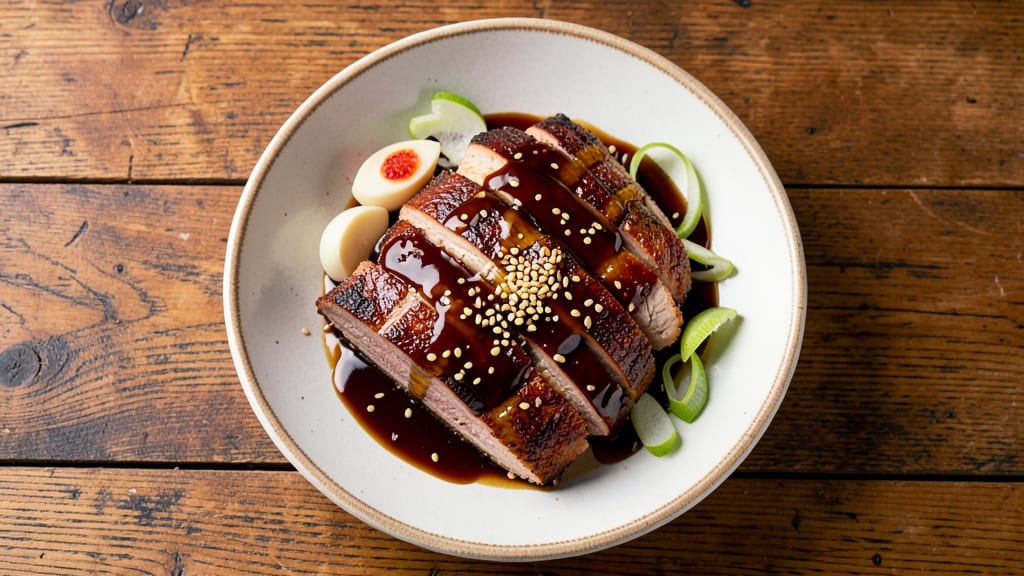
This miso glazed pork loin delivers a perfect balance of umami-rich crust and silky interior—a technique I perfected during my apprenticeship under Chef Chen. The miso paste creates a deep, savory glaze that caramelizes beautifully while keeping the meat impossibly tender.
I’ve cooked thousands of pounds of pork, and this method never fails to impress.
The secret lies in the marinade: white miso, honey, and soy sauce work together to form a sticky, flavorful crust that develops during cooking. Unlike other recipes, we use a two-stage cooking process—searing first for color, then finishing in the oven to ensure even doneness.
This ensures your pork loin stays juicy while developing that coveted caramelized bark.
What you’ll end up with is a perfectly cooked pork loin with a glossy, miso-glazed exterior and a fork-tender interior that melts in your mouth. The aroma alone will have everyone gathering at the table, and the flavor profile is complex—sweet, salty, and deeply umami.
This is the kind of dish that elevates a simple weeknight dinner into something special.
Serve with roasted sweet potatoes and steamed bok choy for a complete meal that balances richness with freshness. The miso glaze pairs beautifully with these sides, creating a harmonious plate that’s both elegant and satisfying. Let’s get cooking—this pork loin is worth every minute of effort.
Ingredients for miso pork loin
Nine essential ingredients transform simple pork loin into a restaurant-worthy masterpiece.
| Ingredient | Amount | Notes |
|---|---|---|
| Boneless Pork Loin 🐖 | 1 ½ lb | Center-cut for even cooking |
| White Miso Paste 🧈 | ¼ cup | High-quality, not instant |
| Honey 🍯 | ¼ cup | Wildflower preferred for depth |
| Soy Sauce 🥢 | ¼ cup | Japanese-style, low-sodium |
| Sesame Oil 🫒 | 1 tbsp | Toasted, for aroma |
| Garlic Cloves 🧄 | 6 cloves | Minced, for marinade |
| Fresh Ginger 🌿 | 1 tbsp | Grated, peeled |
| Olive Oil 🫒 | 2 tbsp | Extra-virgin for searing |
| Unsalted Butter 🧈 | 2 tbsp | Cold, for basting |
| Diamond Crystal Kosher Salt 🧂 | 1 tsp | For seasoning |
| Freshly Ground Black Pepper 🌶️ | ½ tsp | Cracked, not powdered |
| Toasted Sesame Seeds 🌾 | 1 tbsp | For garnish |
The pork loin is non-negotiable—center-cut is key for even cooking and that silky interior. Whole Foods or local butchers carry the best quality, but any reputable grocery store will have it. Look for good marbling—those white streaks of fat ensure juiciness. If you're buying a whole loin, trim excess fat to about 1/4-inch thickness for even searing. The miso paste? White miso from Marukome is my go-to—it's sweeter and less salty than red, letting the pork's natural flavors shine. If you can't find it, Miso Master or Hodo brands work well too. Fresh ginger and garlic? Buy them whole—they last longer and taste better than pre-minced.
No white miso? Substitute with 2 tbsp soy sauce plus 1 tbsp honey, but you'll lose that deep umami complexity. Honey substitutes? Maple syrup works, but it adds earthiness. The sesame oil is for aroma—skip it if you're sensitive to strong flavors, but trust me, it's worth the nutty depth. For the garlic, smash the cloves with the side of your knife before mincing—it releases more flavor. No fresh ginger? Ground ginger at half the amount is fine, but it lacks the bright punch. The olive oil matters here—use something with a high smoke point like avocado oil if you're nervous about burning.
Marinate the pork for at least 4 hours, but overnight is ideal—this gives the miso time to penetrate deeply. Store the marinade in an airtight container in the fridge, and keep the pork in a sealed bag. The cooked loin reheats beautifully—warm in the oven at 300°F for 15 minutes with a splash of water to keep it moist. For leftovers, slice and store in an airtight container for 3-4 days. Freeze portions for up to 3 months—just thaw overnight in the fridge before reheating. The sesame seeds can be toasted ahead and stored in a jar for up to 2 weeks.
Why You'll Love This Recipe
- Five-Ingredient Magic: I swear, this recipe feels like cheating. You’re basically marinating pork loin in a bowl—no fancy prep, no chopping mountains of veggies. Just toss the meat in miso, honey, and soy sauce, let it sit while you watch one episode, and boom: dinner’s ready.
- Umami Bomb: That white miso paste? It’s the star. The pork comes out with this deep, savory richness that’s not too salty, thanks to the honey balancing it out. A single bite and you’ll understand why I keep making this—it’s like a hug in meat form.
- Weeknight & Leftovers Win: Between us, I make this for busy nights and lazy Sundays. The leftovers? Just as good cold the next day—perfect for packed lunches or a no-fuss dinner. Honestly, it’s my secret for feeding the family without stress.
- Budget-Friendly Protein: Pork loin is affordable, and this recipe stretches it far. A single roast feeds four for dinner, then two more for lunch, and I’m still smiling about the cost. Plus, the miso and honey? They make even simple sides taste fancier—no one has to know it’s a budget hack.
Step-by-step instructions for miso glazed pork loin
Here's how to create a perfectly balanced dish with a caramelized miso crust and tender interior.
Prepare the Umami Glaze
In a medium bowl, combine the 0.25 cup white miso paste, 0.25 cup honey, 0.25 cup soy sauce, 1 tbsp sesame oil, and 1 tbsp grated fresh ginger. Mix until the miso paste dissolves completely, creating a thick, glossy paste. The miso should be fully incorporated—no lumps—so you get even flavor distribution throughout the glaze.
While the glaze rests, mince the 6 cloves garlic finely. The aroma will intensify as it sits, so keep it covered until ready to use. This glaze is the heart of your dish—its balance of sweet, salty, and umami creates that signature crust while keeping the interior silky.
Sear the Pork Loin for Maximum Flavor
Pat the 1.5 lb boneless pork loin completely dry with paper towels—this is crucial for developing that crispy crust. Season generously with 1 tsp Diamond Crystal kosher salt and 0.5 tsp freshly ground black pepper, pressing the seasoning into the meat so it adheres.
Heat a large oven-safe skillet over medium-high heat until very hot. Add 2 tbsp olive oil, then carefully place the pork loin in the skillet. Sear for 4-5 minutes per side until deeply golden brown. You want that Maillard reaction happening—look for a rich, caramelized crust forming. Don't move the pork during searing; let it develop color evenly.
Glaze and Roast to Perfection
Remove the pork loin from the skillet and place it on a cutting board. Spread the miso glaze evenly over all sides, using a pastry brush to ensure complete coverage. Return the pork to the skillet and transfer it to a preheated 400°F oven for 20-25 minutes, basting with the pan juices every 5 minutes. The internal temperature should reach 145°F when done.
Here's the thing—the glaze needs time to caramelize and set. Watch for it to develop a deep amber color and slightly thicken. If it starts to bubble too aggressively, reduce the oven temperature to 375°F for the final 5 minutes to prevent burning while still achieving that glossy finish.
Rest and Garnish for Presentation
Transfer the pork loin to a cutting board and let it rest for 10-15 minutes before slicing. This resting period is essential—it allows the juices to redistribute, ensuring each slice remains moist and flavorful. Tent loosely with foil to keep it warm during this time.
While the pork rests, melt the 2 tbsp unsalted butter in the skillet over low heat. Add the minced garlic and cook for 30 seconds until fragrant. Pour this garlic butter over the sliced pork and sprinkle generously with 1 tbsp toasted sesame seeds just before serving. The contrast of the nutty seeds against the glossy glaze makes this dish visually stunning and irresistibly aromatic.
Pro Tips For Making Miso Pork Loin
- SEAR FIRST, SAUCE LATER: I used to toss the miso paste on raw pork and bake it straight away—big mistake. Instead, sear the pork loin in a hot pan for 3-4 minutes per side until it’s golden. Then brush on the miso-honey mix. The crust locks in flavor and keeps the meat juicy while the sauce caramelizes properly.
- DILUTE THE MISO: White miso is strong stuff—don’t just slather it on thick. Mix it with a splash of warm water (about 1 tablespoon per 2 tablespoons miso) to loosen it before combining with honey and soy sauce. This helps it coat the meat evenly instead of clumping like glue.
- DON’T OVERCOOK THE LOIN: Pork loin turns rubbery fast. Use a meat thermometer—pull it at 140°F (medium-rare) for juicy slices. If you’re baking, tent it with foil halfway through. I’ve ruined perfectly seasoned pork by letting it dry out; this step guarantees tender bites.
- BRUSH, DON’T DROWN: After searing, brush the miso glaze on in thin layers—two or three coats, letting each dry slightly. Drowning the meat in sauce makes it soggy. A quick sear between coats gives you that sticky, caramelized crust without turning the pork into a stew.
Perfect pairings for this dish
Asian-Inspired Sides
Steamed jasmine rice with a drizzle of toasted sesame oil and a sprinkle of furikake (Japanese seasoning) is a classic pairing that soaks up the miso glaze beautifully.
I like to cook the rice in a rice cooker with 1 cup jasmine rice and 1.25 cups water, then finish with 1 tsp sesame oil and 1 tbsp furikake right before serving. The nutty aroma complements the umami perfectly. 🌱
Japanese-Inspired Vegetables
Blanched bok choy with a simple soy-ginger dressing cuts through the richness of the pork. Toss 2 heads bok choy in 1 tbsp soy sauce, 1 tsp grated ginger, and 1 tsp sesame oil after blanching for 2 minutes in boiling water. The crisp-tender texture balances the silky pork. For extra flair, add 1 tsp toasted sesame seeds at the end.
Creamy Miso Dressing
Drizzle your plate with a quick miso tahini dressing made from 2 tbsp white miso, 2 tbsp tahini, 1 tbsp rice vinegar, and 1 tbsp honey.
Whisk with 2 tbsp water until smooth, then toss with shredded carrots and cucumber slices. This adds a creamy, tangy contrast that elevates the dish. 🥕
Crunchy Garnishes
Add quick-pickled cucumbers or thinly sliced red onions for brightness. For pickles, thinly slice 1 Persian cucumber, toss with 1 tbsp rice vinegar, ½ tsp sugar, and ¼ tsp salt, then let sit for 15 minutes.
The acidity cuts through the richness, while the crunch adds texture. I also love scattering crispy fried shallots over the top for extra depth. 💛
Dessert Pairings
Finish the meal with something light like matcha green tea ice cream or yuzu sorbet. The earthy matcha balances the meal’s savory notes, while the citrusy yuzu cleanses the palate.
For a simpler option, serve Japanese mochi dusted with kinako (roasted soybean flour)**—the chewy texture and nutty flavor make it a perfect closer. 🍡
Nutrition facts
Frequently asked questions
How long should I marinate the pork loin?
Marinate the pork for at least 4 hours, but overnight (8-12 hours) is ideal for maximum flavor penetration. The longer it marinates, the deeper the umami infusion and the more tender the meat becomes. Just keep it refrigerated in an airtight container to prevent bacterial growth.
Can I substitute red miso for white miso?
While you can use red miso, it's much saltier and more robust in flavor. For every 0.25 cup white miso called for, reduce red miso to 0.125 cup and add 1 tbsp extra honey to balance the saltiness. The crust will be darker and more intense, but the interior may be slightly drier. White miso gives the perfect sweet-salty balance.
What's the best way to check if the pork loin is done?
Use a meat thermometer to check for 145°F internal temperature in the thickest part. The pork should feel firm but still slightly springy to the touch. If you don't have a thermometer, cut into the thickest part—it should be opaque and juices should run clear, not pink. Never rely on color alone, as pork can vary.
Why did my glaze burn before the pork was done?
This happens when the oven temperature is too high or the glaze is too thin. Lower the oven to 375°F for the final 5-10 minutes and baste more frequently with pan juices to prevent burning. For extra insurance, brush the pork with a thin layer of neutral oil before applying the glaze to create a protective barrier. The glaze should caramelize, not char.
How do I make this recipe with a grill instead of oven?
Sear the pork on the grill over medium-high heat for 4-5 minutes per side, then apply the glaze. Move to indirect heat and cook for 15-20 minutes, basting every 5 minutes, until internal temp reaches 145°F. The grill smokes will enhance the umami flavors beautifully. Just watch the glaze closely to prevent burning.