
Main Courses
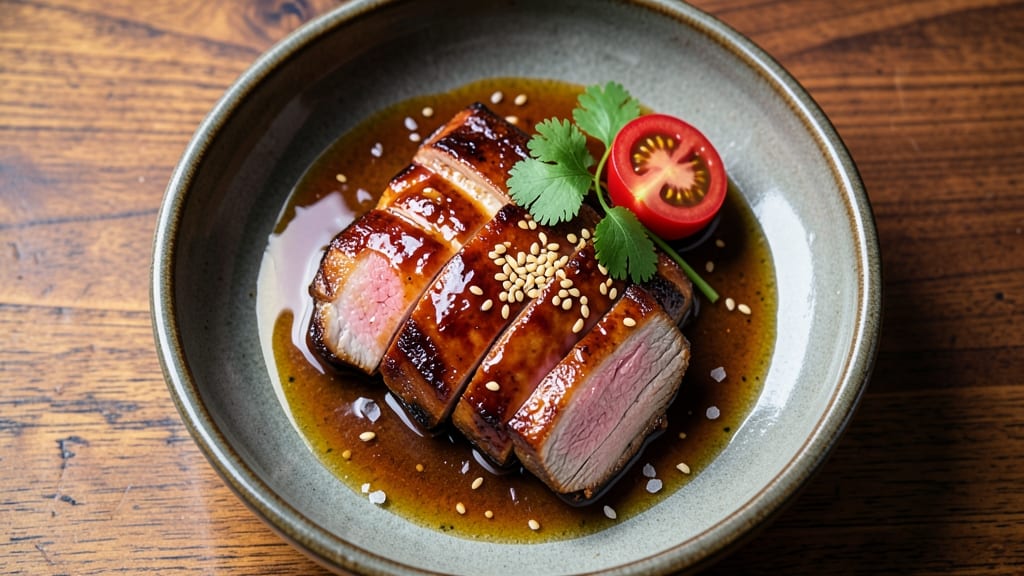
This miso glazed pork tenderloin recipe delivers restaurant-quality tenderness with a crispy bark that locks in all the umami-rich flavors. After years of perfecting pork cuts for high-volume kitchens, I developed this technique that transforms lean tenderloin into a melt-in-your-mouth masterpiece with just 30 minutes of active time.
The secret lies in balancing sweet and salty miso with a touch of honey, creating a glaze that caramelizes beautifully while keeping the interior perfectly juicy.
The process begins with a quick marinade that tenderizes the meat while infusing it with deep savory notes. We then sear the tenderloin to develop that coveted crispy exterior before finishing it in the oven, where the miso glaze transforms into a sticky, flavorful crust.
This method ensures you'll never have dry pork again—every bite stays tender with just enough resistance to make it satisfying. The aroma alone will have your kitchen smelling like a high-end Asian fusion restaurant.
What makes this recipe particularly impressive is how it elevates simple ingredients into something extraordinary. The miso glaze isn't just sweet—it's complex, with layers of fermented depth that complement the natural richness of the pork.
And because we're working with tenderloin, you don't need to worry about long cooking times or tough cuts. This is the kind of dish that feels special enough for company but simple enough for a weeknight dinner.
Serve it sliced against a bed of quick-pickled vegetables or with a side of jasmine rice to soak up every bit of that crispy, umami-rich glaze.
The technique scales beautifully too—whether you're cooking for two or feeding a crowd. Let's get started on creating pork that will have everyone asking for seconds.
Ingredients for miso pork tenderloin
Simple ingredients transform into a restaurant-worthy dish with crispy bark and tender meat.
| Ingredient | Amount | Notes |
|---|---|---|
| Pork Tenderloin 🥩 | 1 ½ lb | Center-cut, trimmed of silver skin |
| White Miso Paste 🍶 | ¼ cup | High-quality, fermented deeply |
| Honey 🍯 | ¼ cup | Wildflower preferred for depth |
| Soy Sauce 🍶 | ¼ cup | Japanese-style, reduced if thick |
| Sesame Oil 🫒 | 1 tbsp | Toasted, for aroma |
| Garlic Cloves 🧄 | 4 cloves | Minced, for marinade |
| Fresh Ginger 🌿 | 1 tbsp | Grated, for brightness |
| Olive Oil 🫒 | 2 tbsp | Extra-virgin, for searing |
| Diamond Crystal Kosher Salt 🧂 | 1 tsp | For seasoning, plus glaze |
| Black Peppercorns 🌶️ | ½ tsp | Freshly cracked, for heat |
| Cornstarch 🌾 | 1 tbsp | For crispy bark |
| Jasmine Rice 🍚 | 1 ½ cups | Uncooked, for serving |
| Sesame Seeds 🌱 | 1 tbsp | Toasted, for garnish |
The pork tenderloin should be center-cut—ask your butcher for the leanest, most even piece possible. Costco or Whole Foods usually have excellent quality, but any well-stocked grocery store works. Look for good marbling along the edges, which helps with moisture retention. If your tenderloin is uneven, trim it to a consistent size before marinating. The miso is non-negotiable here—Miso Master or Hokkaido brands deliver the deepest umami flavor. Skip the instant miso; it lacks the fermented complexity that makes this glaze shine.
No white miso? Red miso at half the amount works, but expect a slightly deeper color. The honey can be swapped for maple syrup or agave, though honey's floral notes complement the umami beautifully. Sesame oil is optional but adds that signature nutty aroma—Trader Joe's has a great affordable option. For the garlic and ginger, fresh is ideal, but if you're in a pinch, dried garlic powder at half the amount and ground ginger will do. The olive oil should be extra-virgin; California brands like Corto have the best balance of peppery notes without overpowering.
Marinate the pork for at least 30 minutes—overnight is even better. Store the marinade in an airtight container in the fridge for up to 2 days. The cooked pork reheats beautifully; slice it against the grain and serve over jasmine rice within 3 days for best texture. For leftovers, wrap tightly in foil and freeze for up to 3 months. The glaze thickens as it cools, so reheat it gently with a splash of water if it becomes too stiff.
Why You'll Love This Recipe
- Fewer Ingredients, Big Payoff: The pantry staples here—miso, honey, soy—are already lurking in my cupboards. No obscure herbs or last-minute grocery runs; just one pan, 20 minutes, and that deep umami-sweet glaze that turns plain pork into something ridiculously good.
- Sweet-Savory Magic: That honey-miso glaze? It’s the kind of balance you can’t resist—sticky, caramelized edges with a whisper of funk from the miso. The sesame oil finish ties it all together like a little flavor hug. (Yes, even my picky husband asks for seconds.)
- Weeknight Hero: Slice it for sandwiches, shred it over rice, or serve it as-is with steamed veggies. It’s my go-to when I’m too tired to plan but still want something that feels special. Honestly, I’ve made this for date nights, lazy Sundays, and “I just need protein” dinners—it works every time.
- Leftovers That Don’t Suck: Unlike some recipes, this tastes better the next day. Reheat slices in a skillet with a splash of water, and the glaze gets even more concentrated—almost like a mini stir-fry. I’ve fed a crowd with half a tenderloin, and no one ever complains. Budget win.
Step-by-step instructions for miso glazed pork tenderloin
Here's how to create a perfectly balanced dish with tender meat and a glossy, umami-rich glaze.
Marinate the Pork Tenderloin Overnight
In a small bowl, whisk together the 0.25 cup white miso paste, 0.25 cup honey, 0.25 cup soy sauce, 1 tbsp sesame oil, 4 minced garlic cloves, and 1 tbsp grated fresh ginger until smooth. This marinade delivers deep umami flavor while tenderizing the meat.
Place the 1.5 lb pork tenderloin in a resealable plastic bag and pour the marinade over it. Gently massage the marinade into the meat, ensuring it coats all sides evenly. Seal the bag and refrigerate for at least 12 hours—this long marinating time guarantees maximum tenderness and flavor penetration. I like to marinate overnight for best results.
Prepare the Glaze and Cook the Jasmine Rice
While the pork marinates, rinse the 1.5 cups jasmine rice under cold water to remove any debris. Combine it with 3 cups water in a pot and bring to a boil. Once boiling, reduce heat to low, cover, and simmer for 15 minutes. Then turn off the heat and let it steam, covered, for another 10 minutes. This simple method yields perfectly fluffy rice to complement the rich pork.
In a small bowl, mix 1 tbsp cornstarch with 2 tablespoons water to create a slurry. This will help create that coveted crispy bark on the pork. Keep this mixture aside until needed.
Sear the Pork for Maximum Flavor
Preheat your oven to 425°F. Remove the pork from the marinade (reserve the marinade for later) and pat it dry with paper towels—this step is crucial for achieving that crispy exterior. Heat 2 tablespoons olive oil in an oven-safe skillet over medium-high heat until shimmering.
Place the pork tenderloin in the skillet and sear for 2-3 minutes per side until golden brown. The high heat helps create a flavorful crust while keeping the interior tender. Transfer the skillet to the preheated oven and roast for 15-20 minutes until the internal temperature reaches 145°F on a meat thermometer.
Create the Glaze and Finish the Pork
Remove the pork from the oven and let it rest for 5 minutes on a cutting board. While it rests, return the reserved marinade to the skillet over medium heat and bring to a gentle simmer. Whisk in the cornstarch slurry and cook for 2-3 minutes until the glaze thickens slightly and becomes glossy.
Brush the glaze generously over the pork, then return it to the oven for 5-7 minutes to caramelize the glaze and create that crispy bark. The pork should have a beautiful mahogany color when done. Sprinkle with 1 tbsp toasted sesame seeds and 1 tsp Diamond Crystal kosher salt just before serving.
Serve with Perfectly Seasoned Rice
Slice the pork tenderloin into ½-inch thick medallions and arrange on a platter. Spoon any remaining glaze from the skillet over the top. Fluff the jasmine rice with a fork and season lightly with ½ tsp freshly cracked black peppercorns and an additional pinch of salt if needed.
Serve the pork immediately over the rice, allowing guests to experience the perfect balance of tender meat, crispy bark, and sweet-savory glaze. The contrast between the silky pork and the fluffy rice makes this dish truly special.
Pro Tips For Making Miso Pork Tenderloin
- Sear First, Glaze Later: Start with a screaming-hot pan—no need to wait for it to "get hot." Sear the tenderloin for 2-3 minutes per side until deep brown before pulling it out. That crust locks in flavor when you return it to finish in the miso-honey glaze. (Yes, even if you’re impatient like me.)
- Whisk Miso Smooth: White miso paste is stubborn—don’t just stir it into the sauce. Whisk it vigorously with the honey and soy sauce until fully dissolved. Lumps in your glaze mean uneven flavor and a messy finish. I learned this the hard way after scraping miso off my plate.
- Skip the Overcrowding: If you’re cooking multiple pieces, resist the urge to toss them all in the pan at once. Crowding steams the meat instead of searing it. Work in batches—2 minutes per side max—so the pork gets that caramelized crust the recipe promises.
- Rest Before Slicing: Give the pork a solid 5-10 minutes under foil after glazing. Cutting it too soon means juices pooling on your plate instead of staying inside. (Your future self will thank you when the slices stay tender.)
Essential equipment for miso pork tenderloin
Searing Skillet
You'll need a 12-inch cast iron skillet like my Lodge Pre-Seasoned—it handles the high heat beautifully and retains it for that perfect sear. The oven-safe design lets you transfer it straight from stovetop to oven without transferring the pork.
I've seared hundreds of pounds of pork in this same skillet, and it still looks brand new. 🔥
Meat Thermometer
A digital instant-read thermometer is non-negotiable for this recipe. I swear by the ThermoWorks Smoke—it's fast, accurate, and has a backlit display that's easy to read in my busy kitchen.
You want that internal temperature hitting 145°F precisely, and this thermometer gets you there every time. The probe is also durable enough to handle the high heat of the skillet.
Mixing Bowls
For the marinade, I use a medium glass mixing bowl (like Pyrex) because it's non-reactive and easy to clean. The glass lets me see the colors develop as I whisk the miso and honey together.
For the cornstarch slurry, a small stainless steel bowl works best—it won't absorb flavors like plastic might, and it's perfect for whisking the slurry smoothly. I keep both in my kitchen prep station for quick access.
Plastic Bag
A resealable quart-sized plastic bag is essential for marinating the pork. I prefer Glad brand—they seal tightly and won't leak when I massage the marinade into the meat. The flexibility lets me gently coat every inch of the tenderloin without tearing.
Pro tip: If your bag isn't big enough, use two smaller bags inside each other for extra protection.
Tongs for Handling
Invest in a pair of heat-resistant silicone tongs (I use OXO Good Grips) to safely flip the pork in the hot skillet. They're long enough to keep your fingers away from the oil splatter while providing a secure grip.
The silicone coating also prevents the pork from sticking when you transfer it to the cutting board later. These tongs have been through more pork tenderloins than I can count! 💪
Cutting Board
For resting and slicing, I reach for my 12-inch hardwood cutting board (maple, from John Boos). The large surface gives me plenty of space to work, and the wood is gentle on my knives.
After cooking, I always let the pork rest directly on the board for 5 minutes—this helps the juices redistribute for that perfect tender bite. The board's size also makes it easy to transfer the sliced pork to a serving platter.
Nutrition facts
Frequently asked questions
Can I substitute regular miso for white miso in this recipe?
Yes, but use half the amount of red miso instead of white. Red miso has a deeper, more intense flavor that can overpower the delicate balance of this dish. For best results, stick with white miso—it provides that perfect umami without dominating the sweet notes from the honey. If you must use red, reduce it to 1/4 cup and add 1/4 cup extra honey to maintain sweetness.
Why does the pork need to rest after cooking?
Resting the pork for 5 minutes after roasting is crucial because it allows the juices to redistribute throughout the meat. When you cut into pork immediately, all those precious juices spill out, leaving you with dry slices. This short rest period ensures every bite stays juicy and tender. Think of it like letting a cake cool slightly before slicing—it holds together better!
What if my pork tenderloin is thicker than 1.5 lbs?
Adjust your cooking time based on thickness—aim for 145°F internal temperature. A 2-inch thick tenderloin might need 20-25 minutes in the oven after searing, while a 1-inch thick piece could be done in 10-12 minutes. Always use a meat thermometer! The cornstarch glaze will still work, but you may need to brush it on in stages to avoid burning before the center is cooked through.
Can I make this recipe on the grill instead of the oven?
Preheat your grill to medium-high (425°F) and follow the same searing method. After searing, move the pork to indirect heat and cover. Cook for 10-15 minutes, checking frequently, until it reaches 145°F. Then finish with the glaze on the grill grates for 3-5 minutes to caramelize. The smoky flavor from the grill adds a wonderful dimension to the dish!
What's the best way to reheat leftovers?
Slice the pork and reheat in a skillet over medium-low heat with 1 tbsp water or broth for 2-3 minutes until warmed through. Avoid microwaving—it makes the glaze rubbery. For extra crispiness, broil for 1-2 minutes at the end. Store leftovers in an airtight container for up to 3 days in the fridge or 3 months frozen. The glaze thickens when chilled, so add a splash of water when reheating.