
Main Courses
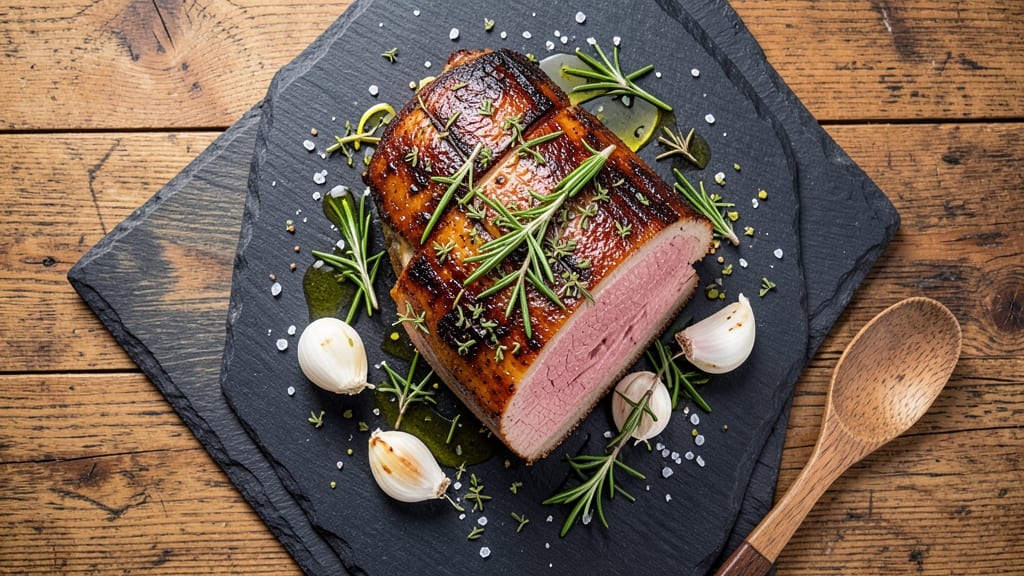
This 2-lb boneless pork loin roast recipe delivers restaurant-quality results with a herb-crusted exterior and juicy core that falls apart at the touch of a fork. After years of perfecting pork roasts in my Atlanta kitchen, I’ve developed a method that ensures tender meat every time—no guesswork, no dry bites.
The secret lies in a slow, controlled roast paired with a flavorful crust that locks in moisture while adding depth.
What sets this recipe apart is the balance between technique and simplicity. You’ll start with a simple herb crust made from fresh rosemary, thyme, and garlic, then roast the pork until it reaches 145°F internally—guaranteed to be juicy and perfectly pink in the center.
The key is resting the roast for 10-15 minutes before slicing, allowing the juices to redistribute for maximum tenderness. This isn’t just a recipe; it’s a foolproof method that transforms a simple cut of pork into a showstopping centerpiece.
The result is a golden, aromatic roast with a crisp crust and melt-in-your-mouth texture, ready to impress at dinner parties or family gatherings. Whether you’re serving it with roasted vegetables, mashed potatoes, or a fresh herb salad, this pork loin will be the star of the meal.
The best part? It’s easier than you think—no fancy equipment or complicated steps required, just precision and patience to achieve professional-level results at home.
For those who love pork, this recipe is a game-changer. I’ve tested it countless times, even with tougher cuts, and it never fails.
The herb crust adds layers of flavor without overpowering the natural taste of the pork, while the slow roast ensures juiciness that’s hard to find in store-bought versions. Let’s get cooking—your table is about to get an upgrade.
Ingredients for 2 lb boneless pork loin roast
This 2-lb pork loin transforms with just 11 simple ingredients—herb crust and all.
| Ingredient | Amount | Notes |
|---|---|---|
| Boneless Pork Loin Roast 🐖 | 2 lb | Center-cut for even cooking |
| Fresh Rosemary 🌿 | ¼ cup | Finely chopped, stems removed |
| Fresh Thyme Leaves 🌿 | ¼ cup | Packed, stems stripped |
| Garlic Cloves 🧄 | 6 cloves | Minced, not pressed |
| Extra-Virgin Olive Oil 🫒 | ⅓ cup | High-quality, fruity |
| Diamond Crystal Kosher Salt 🧂 | 1 ½ tsp | Fine grain preferred |
| Freshly Ground Black Pepper 🌶️ | 1 tsp | Coarse grind for texture |
| Unsalted Butter 🧈 | 2 tbsp | Cold, cubed for crust |
| All-Purpose Flour 🌾 | 2 tbsp | For crust adhesion |
| Fresh Lemon Juice 🍋 | 1 tbsp | Brightens flavor profile |
| Yellow Onion 🧅 | 1 whole | Thinly sliced for garnish |
The pork loin is non-negotiable here—center-cut is key for even cooking, and bone-in versions won't work (they dry out). Most butchers will trim it for you if you ask. For the herbs, fresh is a must—dried won't give that same aromatic punch. I always grab rosemary and thyme from Whole Foods or my local farmers market, where they're vibrant and fragrant. The garlic? Spanish or Italian cloves have the most flavor—avoid the big, papery ones. If you're prepping ahead, store the herb mixture in an airtight container with a paper towel to absorb moisture.
No fresh rosemary? Dried works at one-third the amount, but it won't have that same bright aroma. Swap olive oil for avocado oil if you prefer a neutral base. The butter in the crust can be vegan butter if needed—just make sure it's cold when you mix it. For the lemon juice, bottled works in a pinch, but fresh is brighter. The onion is optional but adds a lovely caramelized touch when sliced thin and roasted alongside. Pro tip: if your pork loin has a thick fat cap, trim it down to 1/4-inch for even cooking—it renders beautifully during roasting.
This roast reheats like a dream—350°F for 10-12 minutes covered with foil, then broil 2 minutes for crispiness. Store leftovers in the fridge for 3-4 days wrapped tightly in foil, or freeze for up to 3 months in a vacuum-sealed bag. For serving, I like to slice it against the grain into 1/2-inch thick slices—each portion comes out perfectly tender. The herb crust keeps well for 2 days in the fridge if you're prepping ahead, so mix it up a day before and store it in the fridge until ready to use.
Why You'll Love This Recipe
- Five-Ingredient Magic: I swear by this combo—just pork, garlic, rosemary, thyme, and olive oil. That’s it. No confusing spice blends or last-minute grocery runs. The herbs infuse so deeply the pork practically tastes like a vacation.
- Weeknight Hero: Between us, this is my go-to when I’m staring at the clock at 6:30 PM and the kids are begging for dinner. Toss the roast in the oven, set a timer, and boom—you’ve got a restaurant-quality main without the fuss. (Yes, even on a Tuesday night.)
- Leftovers That Don’t Suck: Honestly, the best part is the second day. Slice that roast into sandwiches with crusty bread, or cube it for fried rice—it’s still tender and packed with flavor. I’ve even thrown it into pasta sauces without apology, and no one’s ever complained.
- Herb-Powered Crust: Here’s what sold me—the crispy, golden edge from the olive oil and garlic? Chef’s kiss. It’s not just moist inside; it’s got this texture that makes you want to eat it straight off the cutting board. (I’ll be real: I’ve done it.)
Step-by-step instructions for herb-crusted pork loin roast
Here's how to transform a simple pork loin into a showstopping centerpiece with a fragrant herb crust and melt-in-your-mouth tenderness.
Prepare the Herb Crust Mixture
In a small bowl, combine the 0.25 cup fresh rosemary and 0.25 cup fresh thyme leaves with the 6 cloves minced garlic. Add the 0.33 cup extra-virgin olive oil, 1.5 tsp diamond crystal kosher salt, and 1 tsp freshly ground black pepper. Mix thoroughly until the herbs are evenly coated and the mixture resembles a coarse paste.
This aromatic blend is the secret to that irresistible crust. The olive oil binds everything together while the herbs infuse their bright flavors into the meat. Let this mixture sit at room temperature while you prepare the pork—this allows the flavors to meld slightly for maximum impact.
Season and Crust the Pork Loin
Pat the 2 lb boneless pork loin roast completely dry with paper towels, pressing firmly to remove all moisture. This step is crucial—wet skin prevents proper browning. Place the roast on a cutting board and rub the herb mixture all over, pressing gently to ensure even coverage. The crust should adhere well to the meat.
Next, create a dry crust by mixing the 2 tbsp all-purpose flour with the 2 tbsp cold unsalted butter until it forms a crumbly texture. Sprinkle this mixture evenly over the herb-coated roast, pressing lightly to help it stick. The flour will create a golden-brown crust, while the butter adds richness and helps seal in juices.
Sear for Maximum Flavor Development
Heat a large oven-safe skillet over medium-high heat until very hot. Add the crusted pork loin and sear for 3-4 minutes per side until golden brown. You'll know it's ready when the crust develops a deep caramel color and releases easily from the pan. This searing step creates a flavorful crust that locks in moisture during roasting.
Here's the thing—don't skip this searing step. It builds layers of flavor that simple oven roasting can't achieve. If your pan isn't hot enough, the butter will melt too quickly and you'll lose that beautiful crust. Watch for that perfect golden color before moving to the next step.
Roast to Juicy Perfection
Preheat your oven to 400°F. Transfer the seared pork loin to a wire rack set inside a rimmed baking sheet. This rack allows hot air to circulate around the roast, ensuring even cooking and crispy skin. Roast for 25-30 minutes until the internal temperature reaches 145°F when measured with a meat thermometer in the thickest part of the roast.
The reason we roast at this relatively high temperature is to develop that beautiful crust while maintaining juicy meat. If you prefer a more gradual cook, you can reduce the temperature to 350°F and increase the time to 40-45 minutes, but you'll sacrifice some of that crispy exterior. The lemon juice will be added at the end to brighten the flavors—don't add it during roasting or it will evaporate.
Rest and Garnish for Presentation
Remove the roast from the oven and transfer it to a cutting board. Let it rest for 10-15 minutes before slicing. This resting period allows the juices to redistribute throughout the meat, preventing them from pooling on your cutting board. During this time, thinly slice the 1 whole yellow onion for garnish.
After resting, slice the pork loin into ½-inch thick medallions against the grain for maximum tenderness. Arrange the slices on a warm serving platter, drizzle with the 1 tbsp fresh lemon juice, and garnish with the sliced onion. The acidity of the lemon cuts through the richness of the pork, creating a perfect balance of flavors. Serve immediately with your favorite sides for a restaurant-quality meal at home.
Pro Tips For Making 2 Lb Boneless Pork Loin Roast
- Sear First, Roast Last: After years of forgetting this, I finally learned: sear your pork loin in a screaming-hot skillet with olive oil for 2-3 minutes per side before roasting. The crust locks in flavor and keeps the meat from drying out—no more sad, gray pork. (Yes, even if you’re impatient like me.)
- Smash Those Garlic Cloves: Skip the minced garlic—crush those cloves with the flat side of your knife first. It releases more aroma and blends better into the pork’s surface. I used to just chop them, and the flavor was always a little shy.
- Don’t Overcrowd the Herbs: Fresh rosemary and thyme are potent—use about 1 sprig each per pound of pork, and tuck them under the meat, not on top. Too many herbs on the surface burn before the pork cooks through. (Your future self will thank you.)
- Use a Meat Thermometer: Pork loin hits 145°F internally—any higher, and it turns chewy. I used to eyeball it, and more times than I’d admit, I ended up with dry meat. A cheap thermometer solves this forever. (No excuses.)
Common mistakes when making this recipe
Skipping the Rest
This is the #1 mistake I see home cooks make—cutting into that beautiful roast the second it comes out of the oven. 🚫 The juices need 10-15 minutes to redistribute throughout the meat.
When you slice too soon, all that precious moisture pools on your cutting board instead of staying in the pork. Trust me, that 15-minute wait is what separates a dry slice from a juicy masterpiece.
Overlooking Internal Temp
Guessing when pork is done leads to either undercooked meat or a dried-out mess. Always use a meat thermometer and aim for 145°F in the thickest part. I've seen people pull pork at 160°F because they thought it needed to be higher—big mistake.
At 145°F, your pork will be perfectly pink and tender, not tough and overdone.
Uneven Seasoning
Many people just sprinkle salt and pepper on top without pressing it in. The crust needs to adhere evenly for maximum flavor and moisture retention. After rubbing your herb mixture, press it firmly into every crevice of the pork.
I like to use my fingers to massage it in—this ensures every bite gets that aromatic herb crust. Don't be shy with the seasoning either; pork benefits from bold flavors.
Wrong Roasting Temperature
Some recipes call for low-and-slow cooking, but pork loin benefits from a 400°F oven to develop that beautiful crust while staying juicy. Cooking too low (300°F) risks dry meat, while going too high (450°F) can burn the exterior before the center cooks.
The 400°F sweet spot gives you that perfect balance of crispy crust and tender interior in 25-30 minutes.
Not Using a Rack
Roasting pork loin directly on a baking sheet leads to soggy bottoms and uneven cooking. The key is using a wire rack inside your baking sheet—this allows hot air to circulate all around the roast, creating that perfect golden crust on all sides.
I keep a rack in my oven at all times because it makes such a difference with roasts, chicken, and even vegetables.
Skipping the Sear
Many home cooks jump straight to the oven, missing out on the flavor-building sear. That 3-4 minute sear in a hot skillet creates a Maillard reaction that develops deep, caramelized flavors.
Without it, your roast will taste flat and lack that restaurant-quality depth. Plus, the seared crust helps lock in moisture during roasting—it's a two-for-one flavor and texture boost. 💡
Nutrition facts
Frequently asked questions
Can I use a bone-in pork loin instead of boneless?
I don't recommend it for this recipe—the bone can dry out the meat faster and make even cooking difficult. A 2-lb boneless loin is perfect for this method, but if you must use bone-in, reduce the oven temperature to 375°F and increase cooking time by 10-15 minutes, checking frequently to avoid overcooking.
How do I know when the pork is fully cooked?
Always use a meat thermometer—insert it into the thickest part of the roast and aim for 145°F. The internal color should be pale pink, not gray or brown. Pro tip: If you don't have a thermometer, cut into the thickest part—juices should run clear, not pink or bloody.
Can I make this ahead of time?
Cook the roast as directed, then let it cool completely. Wrap tightly in foil and refrigerate for up to 3 days or freeze for 3 months. To reheat, bake at 350°F for 10-12 minutes covered with foil, then broil 2 minutes for crispiness. The flavors actually improve overnight!
What sides pair best with this roast?
This herb-crusted pork shines with classic sides like garlic mashed potatoes, roasted seasonal vegetables, or a crisp apple salad. For a Southern touch, try buttermilk biscuits or a tangy coleslaw. The lemon juice in the recipe also complements bright, acidic sides like a tomato-basil salad.
Why did my pork turn out dry?
Most likely, you skipped the resting time or overcooked it. Always rest for 10-15 minutes before slicing, and never exceed 145°F internal temp. Another common mistake is using a meat thermometer in the wrong spot—measure the thickest part, not near the crust or bone if present.