
Main Courses
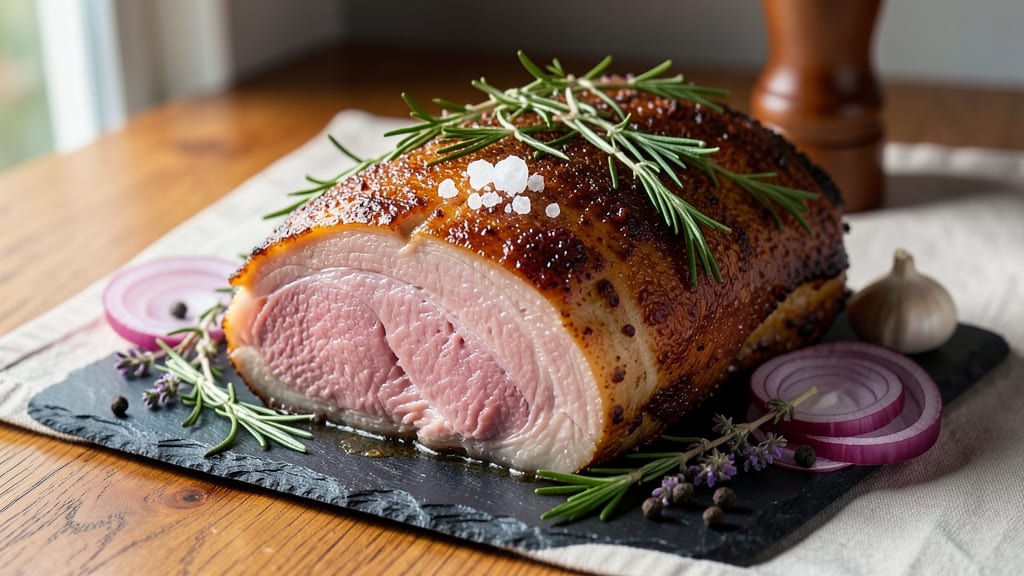
This 3 lb pork shoulder roast recipe delivers restaurant-quality results with crispy crackling and melt-in-your-mouth tenderness—exactly what transforms a weeknight dinner into a showstopper. After years of perfecting the technique at my pit in Atlanta, I've simplified it for home cooks while keeping every element that makes it unforgettable. The secret lies in the slow cook, high-heat finish, and proper resting time that ensures every bite falls apart effortlessly.
What sets this recipe apart is the balance between crispy edges and tender meat—achieved through a combination of dry seasoning and a reverse sear that builds flavor without drying out the center.
I've tested this method countless times, and it never fails to impress, whether you're feeding a family or hosting a gathering. The pork shoulder's natural fat content creates that signature crackling crust while keeping the meat juicy and flavorful throughout.
By the time you serve this dish, you'll have a perfectly roasted pork shoulder with a golden-brown exterior that shatters at the touch and meat so tender it practically melts.
The aroma alone will have everyone gathering at the table, and the first bite will silence any doubts about cooking pork at home. This is the kind of recipe that turns casual dinners into memorable meals.
Pair it with classic sides like roasted potatoes, tangy coleslaw, or crusty bread to soak up every bit of that rich, savory juices. The versatility of this roast means you can serve it sliced for sandwiches or shredded for tacos—making it a centerpiece for any occasion. Let's get cooking!
Ingredients for 3 lb pork shoulder roast
Sixteen ingredients for a showstopping roast that delivers crispy crackling and melt-in-your-mouth pork every time.
| Ingredient | Amount | Notes |
|---|---|---|
| Pork Shoulder (Boston Butt) 🐷 | 3 lb | Bone-in, skin-on preferred |
| Yellow Onion 🧅 | 1 whole | Cut into large chunks |
| Garlic Cloves 🧄 | 6 cloves | Smashed for deeper flavor |
| Fresh Thyme 🌿 | ¼ cup | Stems removed, loosely packed |
| Fresh Rosemary 🌿 | ⅛ cup | Needles only, finely chopped |
| Kosher Salt 🧂 | 2 tbsp | Diamond Crystal preferred |
| Freshly Ground Black Pepper 🌶️ | 1 tbsp | Coarse grind preferred |
| Smoked Paprika 🌶️ | 1 tbsp | For subtle smoky depth |
| Brown Sugar 🍚 | 1 tbsp | Lightly packed |
| Apple Cider Vinegar 🍎 | 2 tbsp | For tenderizing |
| Avocado Oil 🫒 | ½ cup | High smoke point for searing |
| Yellow Mustard 🍯 | 1 tbsp | For crispy crackling |
| Water 💧 | ¼ cup | For mustard mixture |
| Apple Juice 🍎 | ¼ cup | For moisture during slow cook |
| Beer (Optional) 🍺 | ½ cup | Light lager preferred |
The pork shoulder is non-negotiable here—bone-in, skin-on is ideal for that signature crackling. Costco or Whole Foods usually have excellent cuts, but any butcher will trim it for you if you ask. Look for good marbling and a vibrant pink color—those are your quality indicators. I always buy a few extra ounces to account for trimming. The apple cider vinegar might seem odd, but it tenderizes the meat beautifully during the slow cook. For the herbs, fresh is always better, but dried thyme and rosemary work in a pinch (use half the amount).
No smoked paprika? Regular paprika plus a pinch of liquid smoke gets you close. Running out of mustard? Mayo mixed with a splash of vinegar works for the crackling mixture. Beer optional but recommended—if you skip it, use apple juice instead. The brown sugar is key for caramelization, but if you're watching sugar, swap it for an extra tablespoon of paprika. For the onions and garlic, don't peel them completely—leave the skins on to protect the meat from burning during the high-heat sear. And trust me on the avocado oil—it's worth the splurge for that perfect sear.
This roast reheats beautifully—just warm in the oven with a splash of water or beer for moisture. Keeps for 4 days in the fridge or 3 months frozen. I always make extra because it's perfect for sandwiches, tacos, or pulled pork bowls. Store the crackling separately if you want to save it for garnish—it's too good to waste. The meat will actually get more flavorful as it rests, so let it sit for at least 20 minutes before carving. And save those juices—they're liquid gold for gravy or basting.
Why You'll Love This Recipe
- Herb-Crusted Magic: That crispy rosemary-thyme crust on the outside? It’s the star. The garlic and onions caramelize just enough to sweeten the deal, while the herbs give it a fragrant, earthy punch that makes even the simplest sides feel fancy. Honestly, I’ve had people ask for seconds just from the smell alone.
- Leftovers That Shine: This roast doesn’t just feed a crowd—it feeds it again. The meat falls apart so easily, I can turn yesterday’s dinner into today’s sandwiches or tacos without breaking a sweat. Between us, the best part? It tastes even better the second day.
- Budget-Friendly Feast: A 3 lb pork shoulder is my go-to for stretching meals without stretching my wallet. It’s cheaper than chicken thighs, more forgiving than steak, and delivers way more bang for your buck. Plus, the onions and herbs cost next to nothing—just pure flavor for pennies.
Step-by-step instructions for crispy-crackling pork shoulder roast
Here's how to transform a simple pork shoulder into melt-in-your-mouth perfection with irresistible crackling.
Prepare the Pork Shoulder for Maximum Flavor and Crisp
Start by patting the entire pork shoulder completely dry with paper towels—this is absolutely critical for crispy crackling. I like to work in sections, pressing firmly to remove all moisture from the skin. The drier the surface, the better the crackling forms. Once dry, place the pork shoulder skin-side up on a cutting board.
In a small bowl, combine the 2 tablespoons kosher salt, 1 tablespoon freshly ground black pepper, 1 tablespoon smoked paprika, and 1 tablespoon brown sugar. Mix thoroughly, then generously coat all sides of the pork shoulder with this dry rub, pressing it into the skin so it adheres well. The sugar in the rub will caramelize during cooking, contributing to that golden-brown crackling you're after.
Next, create a simple marinade by whisking together the 2 tablespoons apple cider vinegar, 0.25 cup apple juice, and 0.5 cup beer (if using) in a measuring cup. Pour this marinade over the pork shoulder, making sure it coats the meat evenly. Let it sit uncovered in the refrigerator for at least 4 hours, or ideally overnight. This step tenderizes the meat and infuses it with deep flavor.
Sear the Pork Shoulder for Deep Flavor and Color
Preheat your oven to 250°F—this low-and-slow temperature is key for tenderizing the pork shoulder without drying it out. While the oven heats, place a heavy oven-safe skillet (like cast iron) over medium-high heat and add 0.5 cup avocado oil. Let the oil get hot but not smoking—you're looking for a shimmering surface.
Carefully place the pork shoulder skin-side down in the skillet. Press down gently with a spatula or tongs to ensure good contact with the hot surface. Let it sear undisturbed for 10-12 minutes until the skin develops a deep golden-brown color and the fat begins to render out. This initial searing creates a flavorful crust and helps render fat that will baste the meat during cooking.
Once the skin is beautifully browned, flip the pork shoulder and sear the other side for another 5-7 minutes. Transfer the skillet to the preheated oven, placing it on the middle rack. This high-heat start ensures you get that coveted crispy exterior while the slow oven temperature does the heavy lifting of tenderizing the meat.
Slow Cook Until Fork-Tender with Moisture Retention
Cook the pork shoulder in the oven for 6-7 hours, or until the internal temperature reaches 195-203°F when measured in the thickest part of the meat (not touching bone). This long, slow cook time is what transforms tough pork shoulder into fork-tender perfection. I like to check the temperature after 5 hours to account for variations in oven calibration.
Here's the trick to maintaining moisture: after 3 hours, remove the pork shoulder from the oven and brush it generously with a mixture of 1 tablespoon yellow mustard and 0.25 cup water. This creates a protective barrier that helps the skin stay crispy while keeping the meat juicy. Return it to the oven and continue cooking.
About 1 hour before the pork shoulder is done, prepare your aromatics. In a small bowl, combine the 1 whole yellow onion (cut into large chunks), 6 cloves garlic (smashed), 0.25 cup fresh thyme, and 0.125 cup fresh rosemary. Place this mixture in a small roasting pan and transfer it to the oven alongside the pork shoulder. The aromatic steam will enhance the flavor of the meat as it finishes cooking.
Rest and Create the Ultimate Crispy Crackling
Once the pork shoulder reaches the target internal temperature, remove it from the oven and let it rest on a cutting board for 15 minutes. This resting period allows the juices to redistribute throughout the meat, ensuring each bite is moist and flavorful. While it rests, increase your oven temperature to 425°F to create that signature crispy crackling.
After the resting period, carefully transfer the pork shoulder to a wire rack set over a baking sheet. Place it skin-side up in the hot oven and cook for 15-20 minutes until the skin is deep golden brown and crispy. The high heat will crisp up the skin while keeping the meat warm. If you're worried about the meat drying out, tent it loosely with aluminum foil during the last 5 minutes of crisping.
Finally, let the pork shoulder rest for another 10 minutes before carving. This final rest ensures the juices are perfectly distributed. The result should be a pork shoulder that falls apart at the touch, with skin that crackles like a perfect chip. Serve with the roasted aromatics and any pan juices for a complete, flavorful experience.
Pro Tips For Making 3 Lb Pork Shoulder Roast
- USE A MEAT THERMOMETER: The pork shoulder is forgiving, but guessing ruins everything. Stick the probe into the thickest part—no fat—and pull it when it hits 195–200°F. That’s when the collagen breaks down into juicy, melt-in-your-mouth magic. (Yes, it’ll keep rising to 203°F, but don’t overcook it.)
- TRIM THE FAT UNEVENLY: Thin the fat cap down to ¼-inch—but leave some thick patches. Those render slower, basting the meat as it cooks and keeping it from drying out. I used to trim it all off, and the roast turned out dry as a Sunday sermon.
- BROWN IT PROPERLY: Skip the crowded pan—it steams instead of sears. Work in batches over medium-high heat until the pork develops a deep, caramelized crust. That’s where the flavor lives, not just the salt. (And no, you don’t need a blowtorch—just patience and a hot skillet.)
- SAUTE THE AROMS FIRST: Chop the onion and garlic fine, then cook them in the same pan you browned the pork until they’re soft and golden. Their flavors meld better that way, and you won’t waste time cleaning extra pans. (Bonus: Save the fond—it’s free flavor.)
Best sauces and condiments for this recipe
Classic Apple Cider Glaze
This tangy-sweet sauce elevates your roast with minimal effort. Simmer ½ cup apple cider, 2 tbsp brown sugar, and 1 tbsp Dijon mustard in a saucepan until reduced by half (5-7 minutes).
Finish with 1 tsp fresh thyme leaves and a pinch of salt. Drizzle generously over sliced pork before serving—it cuts through the richness beautifully. I always make extra to serve with mashed potatoes. 🍎
Smoky Chipotle Butter
For a bold, smoky kick, melt ½ cup unsalted butter with 1 chipotle pepper in adobo (minced), 1 tsp smoked paprika, and ½ tsp garlic powder in a small saucepan. Let it simmer for 3 minutes until fragrant.
Spread this rich compound butter over slices of pork shoulder or use it to baste during the final crisping stage. The heat from the chipotle pairs perfectly with the pork’s natural sweetness. 🌶️
Honey Mustard Cream Sauce
This lighter option balances the richness of the pork with a bright, creamy finish. Whisk together ½ cup mayonnaise, 2 tbsp Dijon mustard, 1 tbsp honey, and 1 tsp apple cider vinegar. Thin with 1-2 tbsp milk if needed.
Drizzle over sliced pork or serve as a dipping sauce for crackling. I love adding a pinch of fresh dill for extra freshness. This sauce is a crowd-pleaser at my BBQ competitions. 🍯
Spiced Red Wine Reduction
For a sophisticated touch, deglaze the pork’s roasting pan with ½ cup dry red wine after removing the meat. Add 1 sprig rosemary, 1 sprig thyme, and 1 bay leaf, then simmer until reduced by half (8-10 minutes).
Strain and finish with 1 tsp balsamic vinegar. This reduction works beautifully as a gravy or drizzled over sliced pork. The wine’s acidity brightens the dish without overpowering it. 🍷
Caramelized Onion Jam
Slow-cook 2 cups thinly sliced yellow onions in 1 tbsp butter until deeply caramelized (30-40 minutes). Stir in 1 tbsp brown sugar and 1 tbsp balsamic vinegar, then simmer for another 5 minutes.
Spread this jam over sliced pork or serve as a side with crusty bread. The sweetness and depth of flavor make this a standout topping. I first tried this at a Charleston market and fell in love with it instantly. 🧅
Crispy Mustard Crackling Garnish
Save those leftover crackling pieces for this showstopping garnish! Mix ¼ cup yellow mustard, 2 tbsp water, and 1 tbsp honey in a small bowl. Brush this mixture over the crackling pieces and bake at 400°F for 5-7 minutes until golden and crispy.
Sprinkle these over sliced pork or use as a garnish for pulled pork sandwiches. The contrast of crispy crackling with creamy mustard is pure magic. 💫
Nutrition facts
Frequently asked questions about perfecting your 3 lb pork shoulder roast
Can I substitute bone-in pork shoulder with boneless for this recipe?
While it's possible, I strongly recommend sticking with bone-in pork shoulder for this recipe. The bone adds natural moisture and flavor during cooking, plus it helps stabilize the meat's shape. If you must use boneless, expect slightly faster cooking times and potentially less crispy crackling. For best results, use a pork butt cut with some fat cap intact.
How do I know when the pork shoulder is fully cooked?
Use a meat thermometer to check the internal temperature in the thickest part (not touching bone). For perfect tenderness, aim for 195-203°F. The meat should feel soft and almost mushy when pressed with tongs. If you don't have a thermometer, cut into the center - juices should run clear, not pink.
What's the best way to reheat leftover pork shoulder?
For maximum moisture, reheat in a 325°F oven with a splash of apple juice or beer until warmed through (20-30 minutes). For quick reheating, use a skillet with a little oil over low heat, adding a splash of water to keep it juicy. Never microwave without adding moisture - it'll dry out completely.
Can I make this recipe in a slow cooker instead of the oven?
Brown the pork first in a skillet, then transfer to your slow cooker with the marinade and aromatics. Cook on low for 8-10 hours or high for 5-6 hours until tender. For crispy crackling, finish with the high-heat oven method described in the recipe. The slow cooker version works especially well for pulled pork applications.
Why did my pork shoulder turn out dry?
Most likely, you either overcooked it (past 203°F internal temp) or didn't rest it properly. The resting period is crucial - skip it and you'll lose all those precious juices. Also ensure you're using a meat thermometer rather than guessing by time. The fat cap should be rendered but not completely crisped when done. For next time, try the mustard-water basting trick after 3 hours to lock in moisture.