
Main Courses
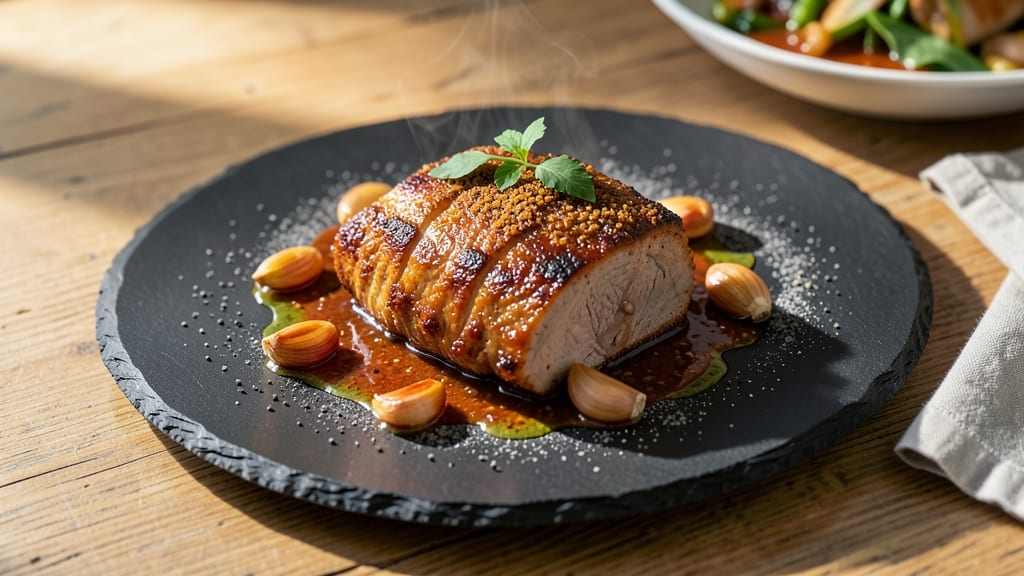
This adobo pork tenderloin recipe transforms simple ingredients into a dish that balances crispy edges with tender meat—just like my grandmother used to make back in Georgia. The secret lies in the vinegar-braising technique, where pork tenderloin develops a caramelized crust while staying juicy inside.
I've perfected this method over years of cooking for crowds, ensuring every bite delivers that perfect harmony of tangy, savory, and slightly sweet flavors.
The beauty of this recipe is its simplicity: just a few pantry staples—soy sauce, vinegar, garlic, and spices—work together to create a dish that's restaurant-quality but easy to replicate at home.
The tenderloin cooks in 30 minutes, making it ideal for weeknight dinners or special occasions when you want to impress without spending hours in the kitchen.
What you'll end up with is a golden-brown pork tenderloin that's crispy on the outside and fall-apart tender on the inside, all coated in a glossy, aromatic adobo sauce.
The sauce is rich enough to drizzle over rice or serve as a dipping sauce, and it pairs beautifully with steamed jasmine rice or pickled vegetables like atchara.
Serve with a sprinkle of fresh green onions or cilantro for brightness, and you've got a complete meal that's as satisfying as it is flavorful. Let's get started!
Ingredients for adobo pork tenderloin
Simple yet transformative ingredients create a restaurant-worthy adobo pork tenderloin with perfect crispy edges.
| Ingredient | Amount | Notes |
|---|---|---|
| Pork Tenderloin 🐖 | 1 ½ lb | Center-cut, trimmed of silver skin |
| Cane Vinegar 💧 | ½ cup | White vinegar substitute if unavailable |
| Soy Sauce 🍶 | ⅓ cup | Light or all-purpose variety |
| Brown Sugar 🍚 | ¼ cup | Packed firmly |
| Garlic Cloves 🧄 | 6 cloves | Minced finely for depth |
| Ground Black Pepper 🌶️ | 1 tsp | Freshly cracked for bold flavor |
| Ground Cinnamon 🌿 | ½ tsp | Warmth without overpowering |
| Ground Cloves 🌶️ | ¼ tsp | Lightly toasted for aroma |
| Olive Oil 🫒 | 2 tbsp | Extra-virgin for high smoke point |
| Green Onions 🧅 | 2 whole | Sliced thin for garnish |
| Salt 🧂 | 1 ½ tsp | Diamond Crystal preferred |
| Bay Leaves 🍃 | 2 whole | Dried, for subtle earthiness |
| Fresh Cilantro 🌿 | ¼ cup | Chopped, for brightness |
The pork tenderloin is the star—center-cut pieces stay juicy while developing that coveted caramelized crust. Look for uniformly sized tenderloins at Whole Foods or your local butcher shop, as even thickness ensures consistent cooking. If you can't find cane vinegar, white vinegar works just as well—just reduce the amount slightly to avoid over-acidity. For the spices, Penzeys or bulk bins at natural markets offer the freshest ground cinnamon and cloves, which make all the difference in this dish. The garlic? Freshly minced is non-negotiable—pre-minced loses its punch quickly.
No cane vinegar? White vinegar or apple cider vinegar both work, though cane vinegar's slight sweetness is ideal. Swap brown sugar for white sugar if needed, but the molasses notes in brown sugar help balance the vinegar's tang. The soy sauce can be light or dark—just avoid reduced versions with added sugar. For a deeper flavor, toast the ground cinnamon and cloves in a dry pan for 30 seconds before adding to the marinade. Fresh cilantro is a must for garnish, but if you're out, dried cilantro at half the amount will do in a pinch. The bay leaves add subtle depth—don't skip them, but remove before serving.
This dish reheats beautifully—golden-brown edges crisp up again when warmed in a skillet for 2-3 minutes. Store leftovers in an airtight container for up to 4 days, though I find it's best enjoyed within 2 days for peak texture. For meal prep, slice the pork against the grain and serve over rice or noodles. The sauce keeps for 1 week in the fridge, making it perfect for drizzling on future meals. Freeze portions of the sauce separately for up to 3 months if you're planning ahead.
Why You'll Love This Recipe
- One-Pan Magic: I swear by this—just sear the tenderloin, dump in the vinegar-soy-brownie mix (yes, brown sugar’s the secret), and let it glaze. No chopping, no fuss, no extra pots. The garlic cloves get crushed right in the pan, and that’s where the flavor happens.
- Tangy-Sweet Fix: The cane vinegar cuts through the richness while the brown sugar melts into a glossy, caramelized crust. It’s got that bright, almost umami punch—like a cross between a braise and a glaze, but without the hours. My husband licks the plate.
- Weeknight to Potluck: Make it for Tuesday dinner or double it for a holiday spread. The leftovers reheat like a dream (or eat cold in sandwiches, no judgment). Honestly, I’ve served this to picky in-laws and foodies—everyone’s happy.
- Budget-Friendly Protein: Pork tenderloin’s lean but packs flavor, and this recipe stretches it further with the vinegar-soy glaze. A single tenderloin feeds four, and the ingredients? Most are pantry staples. I’ve made this on a $15 grocery run.
Step-by-step instructions for adobo pork tenderloin
This method delivers perfectly tender pork with crispy edges and a rich, balanced adobo sauce.
Sear the Pork Tenderloin for Crispy Edges
Heat a heavy skillet over medium-high heat until it's smoking hot. Add the 2 tablespoons olive oil and swirl to coat the pan. Place the 1.5 lb pork tenderloin in the skillet and sear on all sides for 3-4 minutes per side until the exterior develops a deep golden-brown crust.
Press down gently on the pork with a spatula during the first minute of searing—this prevents curling and ensures even contact with the pan. The internal temperature should reach 145°F at this stage. Remove the pork and set it aside on a plate, leaving the rendered juices in the pan. This initial sear locks in moisture while creating the crispy edges you're aiming for.
Build the Adobo Sauce Base
In the same skillet, reduce heat to medium and add the 6 cloves minced garlic, cooking for 30 seconds until fragrant. Add the 0.5 cup cane vinegar and 0.33 cup soy sauce, scraping up any browned bits from the bottom of the pan with a wooden spoon. This deglazing step captures all the flavorful fond.
Bring the mixture to a gentle simmer and let it reduce by half, which should take about 5-6 minutes. The sauce should thicken slightly and develop a rich, tangy aroma. Add the 0.25 cup packed brown sugar, 1.5 teaspoons salt, 1 teaspoon ground black pepper, 0.5 teaspoon ground cinnamon, and 0.25 teaspoon ground cloves, stirring until the sugar dissolves completely. This is where the signature balance of sweet, salty, and aromatic spices comes together.
Braise the Pork Until Tender
Return the seared pork to the skillet, nestling it into the sauce. Add 2 whole bay leaves and enough water to barely cover the pork—about ½ cup. Bring to a gentle simmer, then reduce heat to low and cover the skillet with a lid. Let it cook for 30-35 minutes, turning the pork occasionally, until it reaches an internal temperature of 203°F and is fork-tender.
Here's the thing—don't rush this step. The slow braising breaks down the collagen in the pork, transforming it into tender, melt-in-your-mouth texture. You'll know it's ready when the meat easily pulls apart with minimal resistance and the sauce has thickened into a glossy, flavorful coating. The bay leaves add subtle earthiness that complements the other spices beautifully.
Finish and Garnish
Remove the pork from the skillet and transfer it to a serving platter. Tent loosely with aluminum foil and let it rest for 10 minutes. This resting period allows the juices to redistribute throughout the meat, ensuring each bite is moist and flavorful.
While the pork rests, skim any excess fat from the sauce in the skillet and return it to medium heat. Add the 2 whole sliced green onions and cook for 1 minute to soften slightly. Pour the sauce over the pork and garnish with 0.25 cup chopped fresh cilantro. The bright herb notes cut through the richness of the braised pork, adding a refreshing finish. Serve immediately with steamed rice or crusty bread to soak up every last bit of that delicious sauce.
Pro Tips For Making Adobo Pork Tenderloin
- SEAR FIRST, THEN SWEAT: Get that pan screaming hot before adding the pork—cast iron or stainless steel works best. I learned this the hard way by starting slow, and my first batch turned out bland instead of caramelized. Once the meat’s browned, toss in minced garlic and let it sizzle for 30 seconds before deglazing with vinegar.
- MINCE GARLIC FINE: No, "chopped" isn’t good enough—you want it almost paste-like. I used to leave chunks, and they’d stay tough while the rest of the sauce melted into perfection. A quick pulse in a food processor or a sharp knife works; just don’t skip this if you want that deep, garlicky flavor in every bite.
- REDUCE THE SAUCE LONG: Don’t rush the simmer—let that vinegar and soy sauce reduce until it’s syrupy enough to coat the back of a spoon. I’ve seen people walk away after 10 minutes, and the sauce ends up watery. Give it 15-20 minutes, stirring occasionally, or you’ll miss out on that sticky, glossy finish.
- REST THE PORK PROPERLY: Cutting into it right after cooking? Big mistake. Tent it with foil and let it sit for 5-10 minutes—this keeps it juicy and makes slicing clean. I skipped this once and ended up with dry, stringy meat that tasted like overcooked disappointment. Trust me, the wait is worth it.
Serving suggestions for adobo pork tenderloin
Rice Pairing Perfection
Jasmine rice is my go-to for this dish—its delicate floral aroma complements the bold adobo flavors beautifully. Cook 1 cup jasmine rice with 1.5 cups water and a pinch of salt, then steam until tender.
The rice soaks up the rich sauce perfectly, creating each bite's harmony. For extra flair, stir 1 tablespoon coconut milk into the rice before serving. 🍚
Pickled Vegetable Contrast
Filipino atchara (pickled papaya) adds a tangy crunch that balances the dish's richness. I slice 1 cup thinly sliced papaya and marinate it in ½ cup vinegar, 2 tbsp sugar, and ½ tsp salt for at least 2 hours.
The bright acidity cuts through the pork's savory depth. For variety, try pickled carrots or radishes with a similar vinegar-sugar brine.
Crusty Bread for Sauce
Serve with warm baguette slices or sourdough bread to soak up the leftover sauce. Toast the bread until golden, then rub with a garlic clove and drizzle with olive oil. The crispy texture contrasts perfectly with the tender pork.
I often make a quick garlic butter by mixing 2 tbsp softened butter with 1 minced garlic clove and ½ tsp parsley for extra flavor. 🥖
Fresh Herb Garnish
Brighten the dish with chopped cilantro and thinly sliced green onions—both add freshness that elevates the adobo's complexity. For a Southern twist, I sometimes sprinkle micro cilantro (if available) or thinly sliced Thai basil for an aromatic punch.
The herbs should be added just before serving to preserve their vibrant color and flavor.
Spicy Kick Option
For those who love heat, serve with sliced jalapeños marinated in lime juice and salt. The spicy contrast makes each bite more dynamic. I also keep chili crisp (store-bought or homemade) on hand for dipping. The heat wakes up your palate between rich, savory bites of pork. 🌶️
Dessert Pairing
End the meal with a light, refreshing dessert like mango sorbet or coconut rice pudding. The tropical sweetness cleanses your palate after the bold adobo flavors.
For a traditional touch, serve halo-halo (Filipino shaved ice dessert) with sweetened fruits and leche flan. The contrast between savory and sweet is pure comfort food magic.
Nutrition facts
Frequently asked questions
Can I substitute regular pork loin for tenderloin?
Regular pork loin works, but tenderloin is the ideal cut for this recipe because it's leaner and cooks faster. If using loin, trim excess fat and reduce cooking time by 5-7 minutes to avoid drying out. The tenderloin's size also makes it perfect for individual servings or small gatherings. For larger crowds, you can double the recipe using two 1-lb tenderloins.
What if I don't have cane vinegar?
White vinegar or apple cider vinegar are great substitutes—just use ¼ cup less since they're more acidic. The flavor will be slightly sharper, but the dish will still turn out delicious. For a milder taste, you can also mix ½ cup vinegar with 1 tablespoon lemon juice. The key is balancing the acidity with the sweetness from the brown sugar.
How do I know when the pork is fully cooked?
Use a meat thermometer to check for doneness—pork tenderloin is safe at 145°F internal temperature. For this braised method, it should reach 203°F to become fork-tender. The meat should pull apart easily with minimal resistance, and the juices should run clear when pierced. If it's still slightly pink, cook for another 5 minutes covered.
Can I make this recipe in a slow cooker?
Sear the pork first, then transfer it to your slow cooker with the sauce and ½ cup water. Cook on low for 4-5 hours or high for 2-3 hours, until the pork is tender. The slow cooking enhances the flavors, but you may need to reduce the sauce further on the stovetop before serving to achieve the same glossy consistency.
What's the best way to reheat leftovers?
Reheat in a skillet over medium heat for 2-3 minutes per side to restore crispy edges. Add a splash of water or broth if the sauce seems too thick. Microwaving works in a pinch, but it can make the pork rubbery. For extra flavor, add a pinch of soy sauce or vinegar while reheating. Leftovers keep well in an airtight container for up to 4 days.