
Main Courses
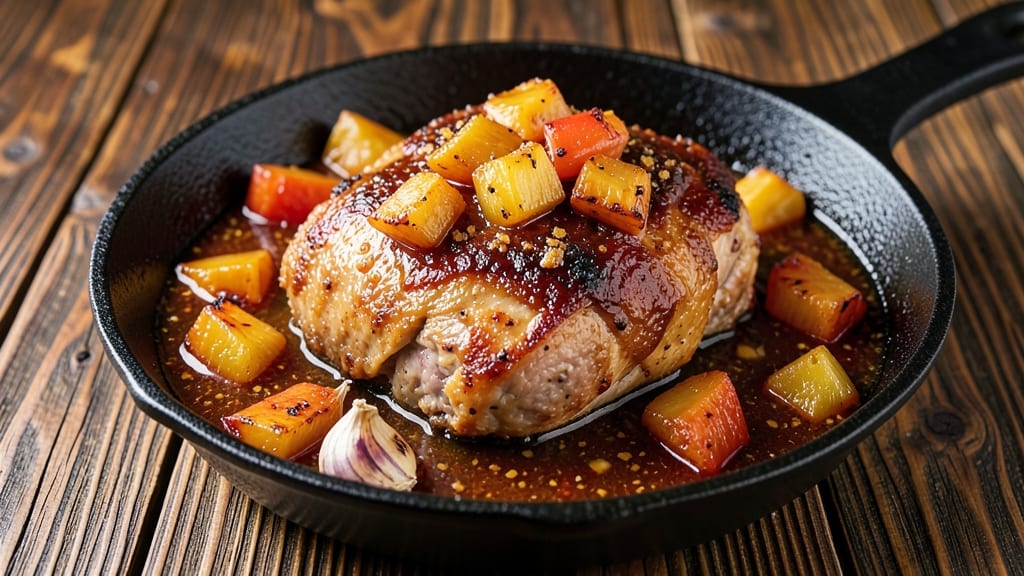
This Filipino-style adobo recipe with pork and pineapple delivers the perfect harmony of tangy, savory, and sweet flavors in one aromatic pot. 🌟 The secret lies in the classic soy-vinegar marinade, which tenderizes the pork while creating that signature caramelized crust.
I've perfected this version to include juicy pineapple chunks that melt into the sauce, adding natural sweetness that balances the adobo's bold flavors.
The beauty of this dish is its simplicity—just a few pantry staples transform tough pork cuts into melt-in-your-mouth perfection. The marinating process (at least 4 hours, overnight ideal) ensures deep flavor penetration, while the slow braising method creates a rich, glossy sauce that clings to every bite.
This is comfort food at its finest, with a depth of flavor that makes it worth every minute of preparation.
By the time you serve this dish, your kitchen will smell like a Filipino home kitchen, and your taste buds will be transported to a bustling street food stall.
The tender pork falls apart easily, the pineapple adds a refreshing contrast, and the sauce—thick, glossy, and packed with umami—makes every spoonful worth savoring. Serve it over steamed rice to soak up every last drop of that incredible sauce.
This recipe isn't just about the flavors—it's about the experience. The combination of traditional adobo techniques with the tropical sweetness of pineapple creates something truly special. Whether you're cooking for family gatherings or a weeknight dinner, this dish delivers restaurant-quality results with minimal fuss. Let's get cooking!
Ingredients for adobo recipe pork with pineapple
Pork shoulder, pineapple, and soy-vinegar magic—just eight ingredients transform into restaurant-quality adobo.
| Ingredient | Amount | Notes |
|---|---|---|
| Pork Shoulder 🥩 | 2 lb | Cut into 2-inch cubes, bone-in preferred |
| Canned Pineapple Chunks 🍍 | 1 cup | With juice, drained for sauce |
| Soy Sauce 🥄 | ½ cup | High-quality, preferably Japanese |
| White Vinegar 💧 | ½ cup | White or cane vinegar preferred |
| Brown Sugar 🍯 | ¼ cup | Packed, light or dark variety |
| Garlic Cloves 🧄 | 6 cloves | Minced, fresh preferred |
| Black Peppercorns 🌶️ | 1 tsp | Crushed, freshly ground |
| Bay Leaves 🌿 | 2 whole | Dried, standard size |
| Olive Oil 🫒 | 2 tbsp | Extra-virgin for richness |
| Onion 🧅 | 1 whole | Yellow or red, sliced |
| Salt 🧂 | 1 ½ tsp | Diamond Crystal preferred |
| Ground Black Pepper 🌶️ | ½ tsp | Freshly ground for best flavor |
The pork shoulder is non-negotiable here—it stays tender through the long braise while developing that signature caramelized crust. Costco or your local butcher shop usually have the best cuts at reasonable prices. Look for good marbling, which means juicier meat. If you're short on time, pre-cut pork shoulder from the grocery store's meat counter works too. The pineapple? Dole cans are reliable, but if you want extra juice, grab a fresh pineapple and chop it yourself—just make sure it's fully ripe. The garlic should smell pungent, not stale, and the bay leaves should be whole and fragrant.
No soy sauce? Coconut aminos or even extra Worcestershire sauce (check for fish-free versions) can stand in, though the flavor won't be identical. Running out of vinegar? Lemon juice works in a pinch, but the tang won't be as sharp. Brown sugar substitutes? Coconut sugar or even maple syrup add depth, though the color will differ. The onion can be swapped for shallots if you're feeling fancy—just double the amount. Fresh garlic is ideal, but if you're using dried, reduce to half the amount. And if you're worried about the pork being too fatty, pat it dry before browning to get that perfect crust.
This dish tastes even better the next day, so make extra if you can. Store it in an airtight container in the fridge for up to 5 days, or freeze portions for 3 months. The sauce thickens as it cools, so a splash of water or pineapple juice revives it when reheating. For serving, I always keep a bowl of steamed jasmine rice ready—it soaks up the sauce like a dream. And if you've got leftover pineapple juice from draining the chunks, save it—it's perfect for cocktails or marinades later.
Why You'll Love This Recipe
- No-Chop Night: I swear by this one—just cube the pork shoulder (no fancy knife skills needed) and toss it in the pot. The pineapple chunks? Straight from the can, juice and all. That’s it. My lazy-but-proudest dinner ever.
- Sweet-Savory Magic: Between us, the combo of soy, vinegar, and brown sugar on pork is chef’s kiss, but add pineapple? It’s like someone handed me a flavor upgrade. The tangy bite cuts through the richness—simple, but somehow better than takeout.
- Leftovers That Don’t Suck: This dish actually improves the next day. The pork gets even more tender, and the sauce thickens into a glossy glaze. I pack it for lunches or reheat it for a lazy Sunday—no one complains, and my wallet stays happy.
- Budget Crowd-Pleaser: Pork shoulder is cheap, and a single can of pineapple stretches across meals. Serve it over rice for a full dinner, or dump it on toast for breakfast (yes, really). Feeds four for under $15, and my picky-eating teen still asks for seconds.
Step-by-step instructions for adobo recipe pork with pineapple
Here's how to create a perfectly balanced adobo with tender pork and sweet pineapple in one pot.
🍳 Step 1: Sear the Pork for Maximum Flavor
Heat the 2 tablespoons olive oil in a large Dutch oven over medium-high heat. Add the 2-pound pork shoulder, cut into 2-inch cubes, and sear undisturbed for 3-4 minutes per side until deeply golden brown. This step builds the foundation of flavor through the Maillard reaction—don't rush it.
Once browned, remove the pork and set it aside. You'll notice the pork releases some juices and fat into the pot—this is good! Don't wipe out the pan; those browned bits will form the rich base of your sauce. The pork should be golden with crisp edges, not pale or gray.
👨🍳 Step 2: Build the Aromatic Base
In the same Dutch oven, add the 1 whole onion, sliced into ¼-inch rounds, and cook for 5 minutes until softened and beginning to caramelize. Add the 6 cloves minced garlic and cook for 30 seconds until fragrant—you'll smell that wonderful garlic aroma that signals it's ready.
Stir in the 1 teaspoon crushed black peppercorns and 2 whole bay leaves, cooking for another 30 seconds until the spices release their oils. Here's where the magic happens: the spices infuse into the onions and garlic, creating layers of flavor that will carry through the entire dish.
🥘 Step 3: Simmer the Adobo Sauce
Pour in the ½ cup soy sauce, ½ cup white vinegar, and ¼ cup packed brown sugar, stirring to combine. Return the pork to the pot, making sure it's mostly submerged in the liquid. Bring everything to a gentle boil over medium-high heat, then reduce to a low simmer and cover partially with a lid.
Simmer for 1 hour, stirring occasionally, until the pork is tender and easily pulls apart with a fork. You'll notice the sauce gradually reduces and thickens—this is when the flavors meld together beautifully. If the sauce looks too thin, uncover and simmer for an additional 10-15 minutes to concentrate the flavors.
🍍 Step 4: Add Pineapple and Finish Cooking
Stir in the 1 cup canned pineapple chunks (with juice) and the 1½ teaspoons salt, bringing the mixture back to a gentle simmer. Cook uncovered for an additional 20-25 minutes, stirring occasionally, until the pineapple is heated through and the sauce has thickened slightly. The pineapple should be warm but still hold its shape—overcooking will make it mushy.
Taste and adjust seasoning with the ½ teaspoon ground black pepper if needed. The sauce should be a perfect balance of sweet, tangy, and savory. If it's too acidic, add a pinch more brown sugar; if it's too sweet, add a splash more vinegar. This is your chance to fine-tune the flavors to your liking.
⏰ Step 5: Rest and Serve
Remove the 2 bay leaves and transfer the pork and sauce to a serving dish. Let it rest for 10 minutes before serving—this allows the juices to redistribute throughout the pork, ensuring each bite is moist and flavorful. The pork should be fork-tender with a rich, caramelized sauce that coats every piece.
Serve the adobo pork with pineapple hot, over steamed rice or with crusty bread to soak up the delicious sauce. The contrast of tender pork, sweet pineapple, and tangy adobo sauce makes this dish unforgettable. Enjoy immediately while everything is at its peak flavor and texture!
Pro Tips For Making Adobo Recipe Pork With Pineapple
- Sear the Pork First: High heat. Seriously, crank it up to medium-high and sear the pork shoulder in a dry pan for 5-7 minutes per side before adding any liquid. I learned this the hard way—skipping the sear means the sauce just sits there instead of building flavor. The crust locks in juices and makes the final dish taste like it simmered for hours, not 30 minutes.
- Drain and Pat Dry: Open that can of pineapple, drain the syrup completely—don’t just shake it out—and pat the chunks dry with paper towels. The extra moisture in the syrup dilutes the adobo sauce and makes the pork soggy. Sounds tedious, but it’s the thing that matters most for that caramelized, tender texture.
- Simmer, Don’t Boil: Once everything’s in the pot, keep the heat low enough that you see tiny bubbles at the edges, not a rolling boil. After burning three batches, I finally figured out that boiling turns the pork tough and makes the sauce watery. A gentle simmer builds depth—let it work its magic.
- Add Sugar Last: Toss the brown sugar in only during the final 10 minutes of cooking. I was skeptical until I tried it—adding it early burns it into oblivion, leaving a bitter aftertaste. Sprinkle it in when the sauce is already reduced, and it’ll caramelize just enough to balance the tangy vinegar and soy.
Best sauces and condiments for this recipe
Creamy Coconut Twist
Swap out half the vinegar for ½ cup coconut milk to create a richer, creamier sauce that pairs beautifully with the pineapple. I like using full-fat coconut milk for maximum richness, but light coconut milk works too.
Simmer the sauce uncovered for an extra 5 minutes to reduce slightly and thicken. The result is a velvety texture that balances the tangy adobo perfectly, almost like a cross between traditional adobo and Filipino-style coconut curry. 🥥
Spicy Chili-Lime Kick
Add 1-2 tablespoons of lime juice and 1 teaspoon of chili powder when you add the pineapple for a bright, zesty finish. I recommend using Penzeys brand chili powder for its balanced heat.
The lime juice brightens the dish, while the chili powder adds a subtle warmth that complements the sweetness of the pineapple. For extra heat, add ½ teaspoon of cayenne pepper—just be warned, it packs a punch! 🌶️
Sweet and Tangy Glaze
Create a quick glaze by mixing 2 tablespoons of pineapple juice with 1 tablespoon of honey or agave syrup. Brush this mixture over the pork during the last 10 minutes of cooking.
The glaze caramelizes beautifully, adding a glossy finish and extra sweetness that contrasts with the tangy adobo sauce. This works especially well if you're using fresh pineapple instead of canned—just reserve some of the juice for the glaze. 🍯
Garlic Butter Sauce
For a decadent finish, stir in 2 tablespoons of melted butter and 2 extra minced garlic cloves during the final 5 minutes of cooking. The butter adds richness, while the garlic deepens the flavor profile.
This sauce is perfect for serving over rice or even as a topping for roasted potatoes. I like to use European-style butter for its higher fat content, which creates a more luxurious mouthfeel. 🧈
Umami Mushroom Boost
Add ½ cup sliced mushrooms (cremini or shiitake work best) when you add the onions to the Dutch oven. The mushrooms absorb the adobo flavors beautifully and add an earthy depth that pairs wonderfully with the pork and pineapple.
For extra umami, stir in 1 teaspoon of soy sauce when you add the mushrooms. This variation feels heartier and more complex, perfect for a cozy family dinner. 🍄
Sweet Potato Mash
While the adobo simmers, prepare a side of mashed sweet potatoes by boiling 2 cups of peeled and cubed sweet potatoes until tender, then mashing with 2 tablespoons of butter and a pinch of salt.
The natural sweetness of the sweet potatoes complements the tangy adobo sauce, creating a balanced, comforting meal. Serve the adobo over the mash for a unique twist on traditional rice pairings. 🍠
Nutrition facts
Frequently asked questions
Can I use fresh pineapple instead of canned?
Fresh pineapple adds a brighter flavor, but you'll need to adjust the cooking time. Use 1½ cups of fresh pineapple chunks (peeled, cored, and diced) instead of canned, and reduce the simmering time by 5-10 minutes after adding it. Fresh pineapple releases more juice, so you may need to reduce the sauce longer to thicken it properly.
What cut of pork works best for this recipe?
The recipe calls for pork shoulder because it stays tender during the long braise and develops rich flavor. For quicker cooking (1 hour total), use pork tenderloin or boneless pork chops, but reduce the simmering time to 20-30 minutes. If using bone-in cuts, add 5-10 extra minutes to account for the bone's insulating effect.
How do I fix stringy or tough pork?
Stringy pork usually means it wasn't cooked long enough. Increase simmering time by 15-20 minutes and check tenderness with a fork—it should pull apart easily. If the sauce is too thin, uncover and simmer uncovered for 10 minutes to thicken. For extra tenderness, marinate the pork overnight before cooking.
Can I make this recipe in a slow cooker?
Yes! Sear the pork first, then transfer everything to a slow cooker and cook on low for 6-7 hours or high for 3-4 hours. Add the pineapple in the last 20 minutes to prevent it from turning mushy. The slow cooker method yields even more tender pork with a deeper flavor.
What's the best way to store leftovers?
Transfer leftovers to an airtight container and refrigerate for up to 5 days. The flavors actually improve overnight! To reheat, warm in a saucepan over medium-low heat until bubbly, or microwave for 1-2 minutes. If the sauce thickens too much, add a splash of water or pineapple juice to loosen it.