
Main Courses
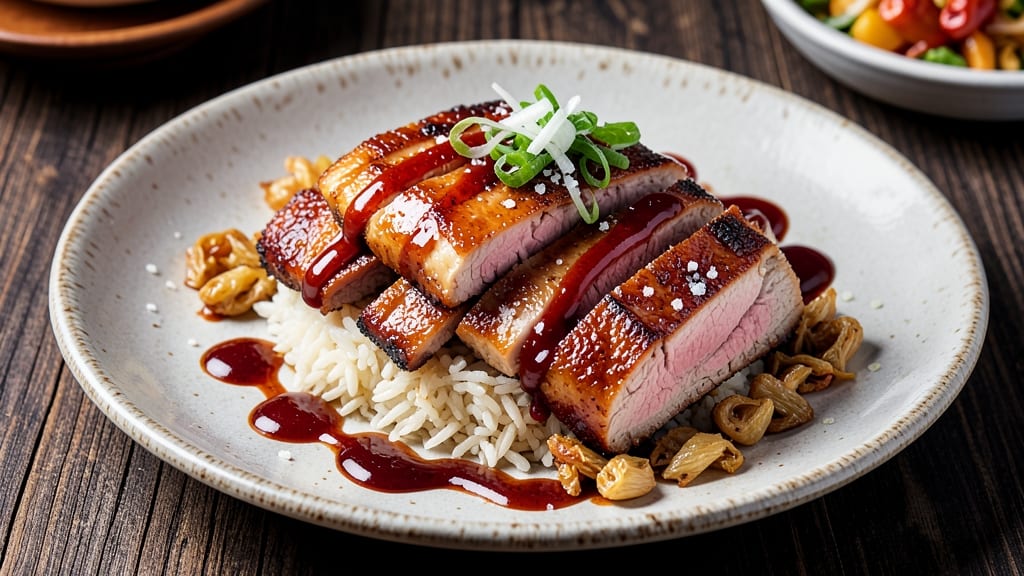
This Korean-style ah so pork recipe transforms simple pork into a sticky-sweet masterpiece that balances smoky char and caramelized depth. 🔥 I developed this version after years of perfecting the balance between tender meat and that signature glossy glaze—it’s the kind of dish that turns weeknight dinners into restaurant-worthy meals without the fuss.
The secret lies in marinating the pork overnight, allowing the flavors to penetrate deeply while keeping the texture juicy and fork-tender.
The recipe begins with a marinade of soy sauce, brown sugar, garlic, and gochujang, which infuses the pork with layers of umami and subtle heat.
After grilling or pan-searing to achieve that perfect caramelized crust, we finish with a quick glaze of honey and rice vinegar that creates that signature sticky-sweet sheen. This method ensures the pork stays moist while developing a rich, caramelized exterior that’s impossible to resist.
What you’ll end up with is a dish that’s equally at home on a casual weeknight table or a special occasion spread—juicy, flavorful pork with a glossy glaze that clings to every bite.
The combination of smoky, sweet, and savory flavors makes it a crowd-pleaser, and the technique is straightforward enough for home cooks to master. Serve it with steamed jasmine rice and stir-fried vegetables for a complete meal that’s both comforting and impressive.
This recipe is designed to be adaptable—whether you’re grilling outdoors or cooking on the stovetop, the principles remain the same. The key is patience in marinating and precision in cooking, which ensures the pork is tender yet flavorful.
Once you try this version, you’ll never settle for anything less than ah so pork made at home.
Ingredients for ah so pork
Fourteen ingredients for restaurant-quality ah so pork that's sticky, sweet, and smoky.
| Ingredient | Amount | Notes |
|---|---|---|
| Pork Shoulder 🥩 | 2 lb | Boneless, cut into 1-inch cubes |
| Soy Sauce 🍶 | ½ cup | Korean or low-sodium preferred |
| Brown Sugar 🍚 | ½ cup | Packed, light or dark |
| Gochujang 🌶️ | 2 tbsp | Korean fermented chili paste |
| Garlic Cloves 🧄 | 6 cloves | Minced, fresh preferred |
| Ginger Root 🌿 | 1 tbsp | Freshly grated, peeled |
| Sesame Oil 🫒 | 1 tbsp | Toasted, for aroma |
| Honey 🍯 | 2 tbsp | Wildflower or clover |
| Rice Vinegar 🍶 | 1 tbsp | White or seasoned |
| Neutral Oil 🫒 | 1 tbsp | Vegetable or canola |
| Toasted Sesame Seeds 🌱 | 1 tbsp | For garnish |
| Green Onions 🧅 | 4 whole | Thinly sliced, for garnish |
| Salt 🧂 | 1 tsp | Kosher or sea salt |
| Black Pepper 🌶️ | ½ tsp | Freshly ground |
The pork shoulder is non-negotiable—it's what gives you that melt-in-your-mouth texture. Look for well-marbled cuts at Costco or your local butcher if the grocery store selection is limited. I always ask for it cut into 1-inch cubes to save time, but if you're feeling ambitious, you can do it yourself with a sharp knife. The gochujang is the soul of this dish—Korean Market or Trader Joe's carry the best brands. If you can't find it, substitute 1 tbsp sriracha plus 1 tbsp tomato paste, but it won't be quite the same. For the garlic, mincing it fresh makes all the difference—those pre-minced jars just don't cut it.
No sesame oil? Toasted sesame seeds plus a pinch of peanut oil works in a pinch, though the flavor won't be identical. Running short on rice vinegar? Apple cider vinegar at half the amount gets you close. The honey should be real—none of that corn syrup nonsense. If you're watching sugar, reduce the brown sugar to 1/3 cup and add 1 tbsp maple syrup to compensate. The pork cubes should be uniform in size—trim any larger pieces to ensure even cooking. For extra depth, add 1 tsp fish sauce to the marinade (skip if vegetarian).
Marinate the pork overnight for maximum flavor penetration. Store the marinade in a sealed container in the fridge, and give it a good stir before using. The cooked pork reheats beautifully—5 minutes in a hot skillet with a splash of water brings back all that sticky-sweet goodness. Garnish with sesame seeds and green onions right before serving, as they lose their crunch when sitting. Leftovers keep 4-5 days in the fridge, or freeze for 3 months. Portion into single servings before freezing for easy lunches.
Why You'll Love This Recipe
- One-Pan Magic: I swear by this—just sear the pork, toss in the sauce (soy, brown sugar, gochujang—chef’s kiss), and let it slow-cook. No pots, no pans, no stress. My kids think I’m a hero because cleanup takes less time than watching a TikTok.
- Flavor Bomb: That gochujang-sweet glaze? It’s the kind of balance you’ll crave immediately. The garlic cloves caramelize right into the pork, giving every bite a punch of umami and heat that lingers. Honestly, I’ve made it for people who “don’t like spicy,” and they still ask for seconds.
- Meal Prep MVP: This isn’t just dinner—it’s my lunch for three days. The pork stays tender, the sauce clings perfectly, and I can reheat slices straight from the fridge. Pack it in buns for sandwiches or toss it cold into salads. (Yes, even on a Tuesday.)
- Budget Stretch: Pork shoulder is cheap, and this recipe turns it into something restaurant-worthy. A single cut feeds four, and leftovers taste just as good the next day. Between us, I’ve fed a houseful of friends for under $15 using this—no one ever guesses it’s not homemade.
Step-by-step instructions for Korean-style glazed pork shoulder
This ah so pork delivers perfect caramelized edges and tender meat every time—just follow these simple steps.
🍳 Step 1: Marinate the Pork Shoulder
In a large bowl, combine the 2 lb pork shoulder with 0.5 cup soy sauce, 0.5 cup brown sugar, 2 tbsp gochujang, 1 tbsp sesame oil, 2 tbsp honey, 1 tbsp rice vinegar, 1 tsp salt, and 0.5 tsp black pepper. Use your hands to massage the marinade into every crevice of the meat—this ensures even flavor distribution.
Cover the bowl with plastic wrap and refrigerate for at least 4 hours (overnight is even better). The longer it marinates, the more tender and flavorful the pork becomes. You'll know it's ready when the pork absorbs the marinade and takes on a deep reddish hue.
🔥 Step 2: Prep the Glaze and Cook the Pork
In a small bowl, mix together the 6 cloves minced garlic, 1 tbsp grated ginger, and 1 tbsp neutral oil. This will be your glaze base. Heat a grill or grill pan over medium-high heat until it's hot enough to sear the pork.
Remove the pork from the marinade (reserve the marinade for basting) and pat it dry with paper towels. This step is crucial—wet pork won't brown properly. Place the pork on the grill and cook for 8-10 minutes per side, basting frequently with the reserved marinade. The pork should develop a beautiful caramelized crust while remaining tender inside.
🍳 Step 3: Apply the Glaze and Finish Cooking
Once the pork is seared on all sides, reduce the heat to medium and spread the garlic-ginger glaze evenly over the surface. Let it cook for 5-7 minutes until the glaze darkens slightly and becomes sticky. You'll see the pork juices mingling with the glaze, creating that signature ah so texture.
Continue basting the pork with the remaining marinade every 2-3 minutes until the internal temperature reaches 195-200°F (about 30-40 minutes total). The pork should be fork-tender, with a glossy, caramelized exterior. If the glaze starts to burn, move the pork to a cooler part of the grill and let it finish cooking.
🥘 Step 4: Rest and Garnish
Transfer the pork to a cutting board and let it rest for 10 minutes before slicing. This resting period allows the juices to redistribute, ensuring each bite is moist and flavorful. While it rests, thinly slice the 4 green onions and set aside.
Slice the pork against the grain into ½-inch thick pieces. Garnish each serving with 1 tbsp toasted sesame seeds and the sliced green onions. The contrast of the crispy sesame seeds and fresh green onions against the sticky-sweet pork is what makes this dish truly special.
Pro Tips For Making Ah So Pork
- CRUSH THE GARLIC: Minced garlic burns faster than you’d think in this sticky sauce. I learned this the hard way—after three batches where the gochujang tasted bitter and raw. Sauté the garlic in oil for exactly 30 seconds on medium-high heat until fragrant but not brown, then immediately add the pork. That’s the sweet spot before it turns acrid.
- SWEAT THE PORK FIRST: Don’t toss the pork shoulder straight into the sauce—it’ll steam instead of caramelize. Pat it dry, then sear it in a cold pan over medium heat for 8-10 minutes per side until deep brown. The crust locks in flavor, and the meat stays juicy when it later braises in the soy-gochujang mix.
- DILUTE THE GARLIC GLAZE: Gochujang and brown sugar make a thick, cloying mess if you don’t balance it. After mixing the sauce, add 2-3 tablespoons of water or broth—just enough to loosen it so it clings to the pork without smothering it. Trust me, your future self will stop complaining about soggy bites.
- REST BEFORE SLICING: Pork shoulder is forgiving, but cutting it too soon turns tender meat into dry shreds. Let it rest 10-15 minutes under foil before slicing—even if you’re impatient. The juices redistribute, and the texture goes from chewy to melt-in-your-mouth. (Yes, even if you’re starving.)
Best sauces and condiments for this dish
Classic Gochujang Glaze
This signature sauce is the heart of ah so pork, blending gochujang with honey and rice vinegar for that perfect balance of heat, sweetness, and tang.
I like to make a small batch by combining 2 tbsp gochujang, 1 tbsp honey, 1 tbsp rice vinegar, and 1 tsp sesame oil.
Simmer this mixture for 3-4 minutes until it thickens slightly, then brush it over the pork during the last 5 minutes of cooking. The result is a glossy, caramelized finish that clings beautifully to the meat. 🌶️
Sweet and Tangy Soy Glaze
For a milder but equally delicious option, try a soy-based glaze made with ¼ cup soy sauce, 2 tbsp brown sugar, and 1 tbsp honey. Reduce this mixture over medium heat until it reaches a syrupy consistency, then drizzle it over the pork while grilling.
This glaze works especially well if you prefer a less spicy profile but still want that signature sticky-sweet flavor. The soy sauce adds depth, while the brown sugar caramelizes for a rich finish.
Spicy Sesame Sauce
If you love a kick of heat, this sesame sauce is a game-changer. Blend 2 tbsp gochujang, 1 tbsp sesame oil, 1 tbsp rice vinegar, 1 tbsp honey, and 1 minced garlic clove until smooth.
Brush this over the pork during the last 3-4 minutes of cooking. The sesame oil adds a nutty aroma, while the gochujang brings the heat. This sauce pairs perfectly with the smoky char of grilled pork, creating a flavor explosion in every bite. 🔥
Honey-Garlic Butter
For a richer, more indulgent finish, melt 2 tbsp butter with 1 tbsp honey and 1 tbsp minced garlic in a small saucepan. Once the butter is foamy and the garlic is fragrant, brush this mixture over the pork during the final 5 minutes of cooking.
The butter adds a luxurious texture, while the honey and garlic create a sweet-savory contrast. This sauce is perfect for special occasions or when you want to elevate your ah so pork to restaurant-quality.
Quick Pan Sauce
Don’t have a grill? No problem! After cooking the pork in a skillet, deglaze the pan with 2 tbsp soy sauce, 1 tbsp rice vinegar, and 1 tbsp honey. Simmer for 2-3 minutes until the sauce thickens, then pour it over the pork.
This method captures all the fond from the skillet, turning it into a flavorful sauce that adds moisture and depth to the meat. It’s a foolproof way to get that ah so effect without needing a grill. ✨
Nutrition facts
Frequently asked questions
Can I use pork tenderloin instead of pork shoulder for this recipe?
Pork tenderloin works beautifully but requires adjustments. Since it's leaner, marinate it for at least 6 hours (not overnight) and cook it to 145°F internal temp instead of 195-200°F. The cooking time will be 10-15 minutes total on high heat, as tenderloin cooks much faster than shoulder. Just be careful not to overcook it!
How do I adjust the recipe if I don't have gochujang?
You can substitute with 1 tbsp sriracha plus 1 tbsp tomato paste for mild heat, or 1 tbsp chili flakes plus 1 tsp soy sauce for a smokier flavor. For a sweeter alternative, use 1 tbsp honey plus ½ tsp smoked paprika. The dish will still be delicious, though the authentic Korean depth will be slightly different.
What's the best way to reheat leftover ah so pork?
Reheat in a skillet over medium heat with 1 tbsp water or broth for 3-5 minutes until warmed through. For oven reheating, cover with foil and bake at 300°F for 10 minutes. Avoid microwaving—it makes the pork rubbery. A quick sear in a hot pan restores that perfect caramelized crust!
Can I make this recipe in an air fryer?
Yes! Cook the marinated pork in an air fryer at 375°F for 12-15 minutes, shaking the basket every 5 minutes. Brush with glaze during the last 3 minutes for that signature sticky finish. The air fryer works best for smaller batches (1 lb pork) and gives slightly crispier edges than grilling.
What sides pair best with ah so pork?
For a complete meal, serve with jasmine rice, stir-fried bok choy, or cucumber salad. The cooling crunch of fresh veggies balances the rich, sticky pork perfectly. For a heartier option, add roasted sweet potatoes or steamed edamame. I also love pairing it with kimchi for extra tang!