
Main Courses
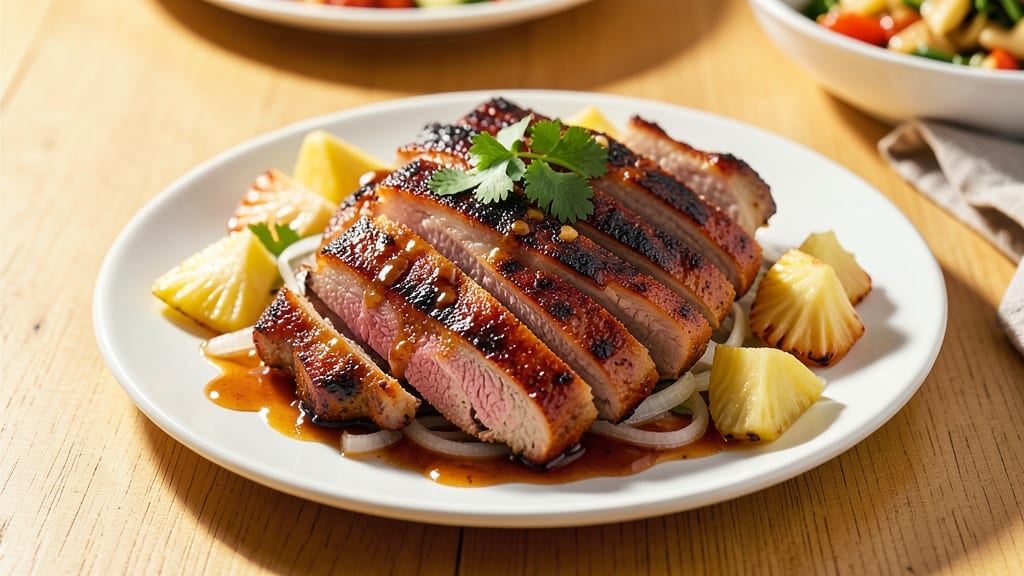
This al pastor marinated pork recipe transforms tough pork shoulder into tender carnitas with smoky, citrusy depth—just like the legendary street tacos of Mexico City. 🔥 The secret lies in achiote paste and pineapple juice, which tenderize while infusing that signature sweet-spicy flavor.
I developed this version after years of perfecting my own asado technique, balancing traditional methods with home-kitchen practicality.
The marinade works its magic overnight, breaking down fibers while building complex layers of flavor. You'll start with guajillo and ancho chiles, toasted and blended into a vibrant paste, then balanced with garlic, cumin, and a touch of cinnamon.
The pineapple isn't just for sweetness—its acidity helps tenderize the meat while adding brightness that cuts through the richness.
By the time it's done, you'll have fall-apart tender pork with crispy edges, ready to be sliced thin and served on warm corn tortillas with pineapple, onion, and cilantro.
The aroma alone will bring your kitchen to life, while the texture delivers that perfect contrast of juicy meat and crispy bits. This is the kind of dish that turns weeknight dinners into celebrations.
Whether you're grilling, roasting, or even air-frying, the technique adapts while keeping that authentic al pastor soul. Serve with all the fixings for tacos, or shred it for burrito bowls—every bite will taste like you've traveled to Mexico City. Let's get cooking!
Ingredients for al pastor marinated pork
Pineapple juice, achiote paste, and smoky chiles—this trio transforms tough pork into carnitas magic.
| Ingredient | Amount | Notes |
|---|---|---|
| Pork Shoulder 🥩 | 3 lb | Bone-in, cut into 2-inch chunks |
| Dried Guajillo Chiles 🌶️ | 4 whole | Stems and seeds removed |
| Dried Ancho Chiles 🌶️ | 2 whole | Stems and seeds removed |
| Fresh Pineapple Juice 🍍 | 1 cup | Freshly squeezed, no pulp |
| White Vinegar 💧 | ¼ cup | For tangy brightness |
| Garlic Cloves 🧄 | 8 cloves | Peeled, smashed |
| Ground Cumin 🌿 | 2 tbsp | Toasted for depth |
| Ground Coriander 🌿 | 1 tbsp | Freshly ground preferred |
| Ground Cinnamon 🌿 | ½ tsp | Sweet, not cassia |
| Achiote Powder 🌶️ | 1 tbsp | For vibrant color and flavor |
| Olive Oil 🫒 | ½ cup | Extra-virgin for richness |
| Salt 🧂 | 2 tsp | Kosher or sea salt |
| Black Peppercorns 🌶️ | 1 tsp | Freshly cracked |
| Fresh Cilantro 🌿 | ¼ cup | Chopped, for garnish |
| Fresh Pineapple 🍍 | 1 whole | Diced, for serving |
The chiles are the heart of this marinade, so look for dried guajillo and ancho at Latin markets or specialty stores—they should be pliable but not brittle, with no signs of moisture. La Tienda or H Mart carry good-quality dried chiles if you can't find them fresh. Toast them in a dry skillet for 30 seconds per side until fragrant—this deepens their flavor. The pineapple juice is non-negotiable; freshly squeezed from a ripe pineapple gives the best acidity and sweetness. If you're using canned juice, pick one with no added sugar. For the pork shoulder, bone-in is ideal—it adds flavor and stays juicier during cooking. Trim excess fat if it's particularly marbled, but leave some for moisture.
No guajillo chiles? Substitute with 2 dried arbol chiles for heat, or use 1 tablespoon of chipotle powder in a pinch. The pineapple juice can be swapped for orange juice plus 1 tablespoon lime juice if absolutely necessary, but you'll lose some of that signature tang. Fresh cilantro is best for garnish, but dried works at one-third the amount if you're in a bind. The achiote powder can be tricky to find—Mexican markets or online retailers like Mexico City Spice carry it, or make your own by toasting achiote seeds and grinding them. If you're missing the cinnamon, allspice or a pinch of clove can mimic its warmth. For the garlic, roasted cloves add a sweeter depth that pairs perfectly with the smoky marinade.
This marinade is best made a day ahead—the flavors meld overnight in the fridge, breaking down the pork beautifully. Store the marinade in an airtight container with the pork, turning it once or twice for even coating. The pork will keep 3 days in the marinade before cooking, but don’t marinate longer than that—it’ll get mushy. If you’re not using it all at once, freeze the extra in portions for up to 3 months. The cooked carnitas reheats well—oven at 300°F for 20 minutes keeps it moist and crispy. Garnish with fresh cilantro and diced pineapple right before serving to keep everything vibrant.
Why You'll Love This Recipe
- Marinates While You Nap: The secret’s in the wait—just toss the pork shoulder with those dried chiles, pineapple juice, and vinegar, then let it sit overnight. Honestly? That’s the hardest part, because the rest is pure hands-off magic while the flavors meld into something deeply satisfying.
- Sweet Heat Magic: Between us, the combo of smoky ancho chiles, fruity pineapple, and that tangy vinegar bite is ridiculously good. It’s the kind of flavor that makes you want to close your eyes and savor every bite—no fancy plating needed.
- Taco Night, Every Night: This marinated pork transforms into tacos, burritos, or even a quick stir-fry. I’ll be real: I’ve pulled it out for lazy Mondays, game-day snacks, and even a last-minute dinner when the kids had friends over. It’s my go-to for effortless crowd-pleasing.
- Budget-Friendly Workhorse: Pork shoulder is cheap, and this marinade stretches it into multiple meals. Freeze half the cooked pork for later—it reheats like a dream, and the leftovers? Even better the next day when the flavors deepen. Solid. No waste. No stress.
Step-by-step instructions for al pastor marinated pork
Here's how to transform tough pork shoulder into melt-in-your-mouth carnitas with vibrant color and smoky-sweet flavor.
👨🍳 Step 1: Toast and Blend the Chiles for Deep Flavor
Heat a dry skillet over medium heat and toast the 4 whole dried guajillo chiles and 2 whole dried ancho chiles for 30 seconds per side until they darken slightly and smell fragrant. This step removes their raw heat and intensifies their smoky sweetness.
Transfer the toasted chiles to a bowl and cover with 1 cup hot water from the kettle. Let them soak for 15 minutes until pliable. Drain, then transfer to a blender along with 1 cup fresh pineapple juice, 0.25 cup white vinegar, 8 smashed garlic cloves, 2 tbsp ground cumin, 1 tbsp ground coriander, 0.5 tsp ground cinnamon, 1 tbsp achiote powder, 0.5 cup olive oil, 2 tsp salt, and 1 tsp cracked black peppercorns. Blend until completely smooth.
🥘 Step 2: Marinate the Pork for Maximum Tenderness
Cut the 3 lb pork shoulder into 2-inch chunks and place in a large bowl. Pour the blended marinade over the pork, making sure each piece is thoroughly coated. Cover and refrigerate for at least 8 hours (overnight is best)—this long marinating time breaks down tough fibers and infuses the meat with vibrant color and complex flavors.
Here's the thing—don't skip this step. The acidity from the vinegar and pineapple juice tenderizes the meat while the achiote and spices create that signature al pastor color. I like to turn the pork occasionally during marinating to ensure even coating.
🔥 Step 3: Cook the Pork Until Fork-Tender
Preheat your oven to 300°F. Transfer the marinated pork to a baking dish and bake for 3-4 hours until the meat is fork-tender and easily pulls apart. I check doneness by inserting a knife into the thickest piece—it should slide in easily with just slight resistance.
About 30 minutes before the pork is done, add the 1 whole fresh pineapple (diced) to the baking dish. The pineapple's natural juices will mingle with the pork juices, creating a delicious glaze. Don't skip this—it adds that authentic al pastor brightness.
🍳 Step 4: Shred and Finish with Fresh Cilantro
Remove the pork from the oven and transfer it to a clean cutting board. Using two forks, shred the meat into 1-inch pieces, discarding any large fat chunks. Mix the shredded pork back into the pan juices and diced pineapple, stirring well to combine. The mixture should be moist and glossy.
Taste and adjust seasoning if needed—you might want to add a pinch more salt or a splash of the reserved pineapple juice to loosen the sauce. Stir in the 0.25 cup chopped fresh cilantro just before serving. This final step adds freshness that cuts through the richness of the pork.
🍽️ Step 5: Serve with Authentic Accompaniments
Serve the al pastor immediately with warm corn tortillas, diced onion, fresh cilantro, and a squeeze of lime. The tender pork should pull apart easily, revealing juicy, flavorful pieces with beautiful red-orange coloring from the achiote marinade.
For the full experience, assemble tacos with the shredded pork, pineapple, and toppings. The combination of smoky, spiced pork with sweet pineapple creates that perfect balance of flavors that makes al pastor so irresistible. Leftovers? Store in an airtight container for up to 3 days—they reheat beautifully.
Pro Tips For Making Al Pastor Marinated Pork
- Blister Chiles First: Toss those dried guajillo and ancho chiles in a hot, dry skillet for 30 seconds per side—just until they darken and smell smoky. I used to skip this, and my marinade always tasted flat. The quick char deepens the flavor without burning them to ash.
- Cut Pork Thinly: Slice the pork shoulder against the grain into ¼-inch thick strips, not the usual ½-inch. Thinner pieces cook faster, soak up the marinade better, and caramelize more evenly on the comal or grill. (Yes, it takes longer to cut, but your tacos will thank you.)
- Strain the Pineapple: Don’t just dump pineapple chunks into the marinade—blend them with a splash of water, then strain out the pulp. The juice carries the bright acidity and natural sweetness the pork craves, while the fiber clogs up your blender and makes the marinade watery.
- Marinate Overnight: Let the pork sit in the chile-vinegar-pineapple mix for at least 12 hours, ideally 24. The vinegar and chiles need time to tenderize the meat and break down the fibers. I tried rushing it once—big mistake. The pork stayed tough and the flavors didn’t meld.
Essential equipment for great al pastor marinated pork
Essential Grilling Tools
For authentic al pastor flavor, you’ll want a charcoal grill or gas grill with a trompo-style spit if you’re going traditional. My go-to is a Weber Smoky Mountain charcoal grill—it holds heat beautifully and gives that smoky depth.
For home cooks without a spit, a cast iron skillet or grill pan works perfectly for searing the pork after baking. 🔥
If you’re using a spit, invest in a stainless steel meat hook and a slow cooker or electric rotisserie motor (like the Cuisinart TRC-100) for even rotation. I’ve also used a vertical rotisserie on my Lodge cast iron Dutch oven for smaller batches—it’s a game-changer for crispy edges.
For the marinade prep, a high-powered blender (like the Vitamix) ensures a silky-smooth paste without seeds.
Oven & Baking Gear
Since I bake the pork at 300°F, a heavy-duty baking dish (I use All-Clad Stainless Steel) keeps the meat moist and prevents burning. Line the dish with parchment paper for easy cleanup, especially when adding the diced pineapple later.
A meat thermometer (I swear by the Thermoworks Smoke) is non-negotiable—aim for 203°F internal temp for fall-apart tenderness.
For the pineapple glaze, a sharp chef’s knife (like the Wüsthof Classic) makes quick work of dicing. If you’re short on time, a mandoline speeds up the process, but be careful with the slippery pineapple.
A fine-mesh strainer helps remove any pulp from the pineapple juice if you prefer a smoother marinade.
Marinade Must-Haves
The heart of al pastor is the marinade, so achiote paste is your secret weapon. I buy mine from Mexico City Spice or make my own by toasting achiote seeds in a dry skillet until fragrant, then grinding them with cornmeal.
For the chiles, a small cast iron skillet toasts them perfectly—never microwave them, or they’ll lose their depth.
A glass measuring cup ensures precise measurements for the pineapple juice and vinegar, while a wooden spoon helps blend the marinade smoothly. Store leftovers in glass airtight containers (like Le Parfait) to preserve flavors.
Pro tip: Label your marinade with the date—it’s best used within 3 days for peak freshness.
Serving & Garnish Tools
Warm corn tortillas are essential, so I keep a comal or cast iron skillet heated over medium heat to toast them just before serving. A mandoline slices onions paper-thin for quick toppings, and tweezers help place fresh cilantro leaves neatly on tacos.
For pineapple, a small cutting board with a serrated knife prevents squishing.
Don’t forget a lime wedge—its acidity brightens every bite. I also keep a small bowl of hot sauce (like Valentina or Cholula) on hand for guests who want extra heat.
For presentation, a slate board or wooden serving platter elevates the dish, making it look like you spent hours in the kitchen (even if you didn’t!).
Nutrition facts
Frequently asked questions
Can I use bone-in pork shoulder instead of boneless?
Bone-in pork shoulder actually works better for al pastor—it stays juicier and adds rich flavor as it cooks. Just cut it into 2-inch chunks with the bone intact, and don't worry about trimming excess fat (it renders beautifully). The bone helps regulate cooking temperature naturally, resulting in more tender meat.
What if I can't find guajillo or ancho chiles?
No problem! For heat, substitute with 2 dried arbol chiles (toasted) plus 1 teaspoon smoked paprika for depth. For milder flavor, use 1 tablespoon chipotle powder or 1 teaspoon cayenne—just reduce the salt slightly since these are saltier. The key is toasting them first to develop their smoky notes.
How do I get crispy edges without a traditional trompo spit?
For that authentic crunch, try this: After baking, transfer the pork to a hot cast iron skillet for 3-4 minutes per side on high heat. The high heat will caramelize the marinade and create crispy edges while keeping the inside tender. Alternatively, broil for 2-3 minutes at the end of baking, watching closely to avoid burning.
Can I make this in an air fryer instead of oven?
Yes! For air fryer al pastor, marinate the pork as directed, then cook at 375°F for 20-25 minutes, shaking the basket every 5 minutes. Finish with 3 minutes at 400°F for crispy edges. The air fryer works best for smaller batches (1.5 lbs max) and gives excellent browning without drying out the meat.
Why does my al pastor taste bland after marinating?
This usually happens when the marinade isn't acidic enough or the pork isn't cooked long enough. Double-check your acid balance—add 1 extra tablespoon of white vinegar to the marinade if needed. Also ensure you're cooking until the internal temp reaches 203°F** (use a meat thermometer!). The pork should pull apart easily—if it's still tough, it needs more time.