
Main Courses
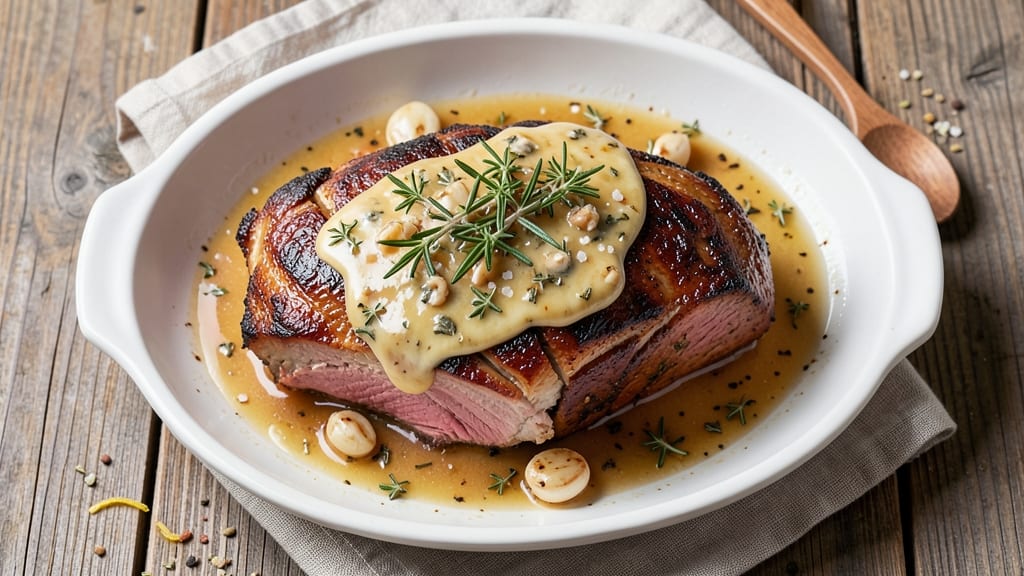
America's Test Kitchen pork loin roast recipe delivers the perfect balance of juicy interior and golden, crispy herb crust—exactly what makes this cut so impressive. After years of perfecting the technique, I’ve mastered the art of searing, basting, and oven-finishing to ensure every bite is tender yet crisp. This isn’t just a recipe; it’s a method that transforms a simple pork loin into a showstopping centerpiece.
The secret lies in precision: a high-heat sear locks in juices while building flavor, and a carefully timed oven finish ensures the crust stays crisp without drying out the meat.
I’ve tested countless variations, and this method consistently delivers a moist center with a crispy herb crust that holds up beautifully. The key? A 145°F internal temperature and proper resting time—no guesswork, just guaranteed results.
What you’ll end up with is a roast that’s rich, flavorful, and perfectly cooked—juicy enough to melt in your mouth while maintaining that satisfying crunch on the outside. Serve it with a tangy apple compote or herb butter to elevate the dish even further.
This is the kind of roast that impresses guests and leaves everyone asking for seconds.
Whether you’re hosting a dinner party or simply craving a restaurant-quality meal at home, this recipe delivers. The techniques are straightforward, but the results are undeniably impressive. Let’s get started on a pork loin roast that’s worth every minute of effort.
Ingredients for america's test kitchen pork loin roast
Precision-crafted ingredients for a pork loin roast with flawless moist center and crispy herb crust.
| Ingredient | Amount | Notes |
|---|---|---|
| Pork Loin Roast 🐖 | 3 lb | Center-cut, bone-in preferred |
| Unsalted Butter 🧈 | ½ cup | Cold, cut into 1-inch pieces |
| Fresh Rosemary 🌿 | ¼ cup | Chopped, coarse stems removed |
| Fresh Thyme 🌿 | ¼ cup | Leaves only, stems discarded |
| Garlic Cloves 🧄 | 8 cloves | Smashed, skin-on for flavor |
| Diamond Crystal Kosher Salt 🧂 | 1 ½ tbsp | For seasoning and crust |
| Freshly Ground Black Pepper 🌶️ | 1 tsp | Coarse grind for texture |
| Extra-Virgin Olive Oil 🫒 | 2 tbsp | For searing and basting |
| Apple Cider Vinegar 🍎 | 1 tbsp | For basting liquid |
| Granulated Sugar 🍚 | 1 tsp | For caramelization |
| Fresh Sage Leaves 🌿 | ¼ cup | Chopped, for herb crust |
| Vegetable Oil 🫒 | 2 tbsp | For high-heat searing |
The center-cut pork loin is non-negotiable—it delivers the most even cooking and best texture. Look for a roast with good marbling and a uniform shape; Whole Foods or local butchers often carry premium cuts. Fresh herbs are critical: Williams-Sonoma or Trader Joe's carry high-quality bundles, but organic sections at most grocery stores work. The garlic should be plump and firm, not sprouting. For the butter, use European-style (like Plugrá) if available—it has a higher fat content for better crust formation. Prep the herbs by removing woody stems and chopping coarsely; this ensures maximum flavor without bitterness.
No fresh rosemary? Dried works at half the amount, but the flavor won’t be as bright. Substitute thyme with 1 tsp dried thyme if needed, but fresh is ideal for that herbaceous punch. Running short on garlic? Garlic powder at 1 tsp is a pinch-hitter, though it lacks depth. The apple cider vinegar can be swapped for red wine vinegar in a bind, but it alters the subtle tang. For the olive oil, low-acid varieties (like Arbequina) prevent bitterness during searing. Vegetable oil (like avocado oil) is better for high-heat searing than butter alone. The sugar is optional but enhances crust caramelization—omit if avoiding sweetness entirely.
Store the pork loin uncovered in the fridge for 24 hours before roasting to dry-brine the surface, which improves crust adhesion. Fresh herbs last 5-7 days wrapped in damp paper towels; freeze any extras in ice cube trays with olive oil for later use. The butter mixture (herbs + butter + salt) can be prepped a day ahead and stored in the fridge. Rest the roast 15 minutes after cooking—this critical step ensures juices redistribute. Leftovers keep 3-4 days refrigerated or 3 months frozen; slice against the grain for optimal texture.
Why You'll Love This Recipe
- Same recipe, two vibes: toss it on for a quick family meal or let it roast longer for a showstopper Sunday dinner. Between us, it’s the one dish that never feels like a chore.
- No-Fuss Prep: I swear by this method—just a quick sear, a sprinkle of herbs, and butter basting. No fancy techniques, no stress, and honestly, the pork does all the heavy lifting for you.
- Herb-Crusted Magic: That rosemary-thyme crust with garlic cloves? It’s the kind of flavor that makes you pause mid-bite. The butter melts into a golden, fragrant crust that’s impossible to resist.
- Weeknight to Dinner Party: Same recipe, two vibes: toss it on for a quick family meal or let it roast longer for a showstopper Sunday dinner. Between us, it’s the one dish that never feels like a chore.
Step-by-step instructions for america's test kitchen pork loin roast
This method delivers a perfectly moist center with an irresistible crispy herb crust every time.
Prepare the Herb Butter and Season the Roast
In a small bowl, combine the 0.5 cup unsalted butter, 0.25 cup fresh rosemary, 0.25 cup fresh thyme, 8 cloves smashed garlic, 1.5 tbsp diamond crystal kosher salt, 1 tsp freshly ground black pepper, 1 tsp granulated sugar, and 0.25 cup fresh sage leaves. Mix well and chill for 30 minutes until firm. This creates a flavorful crust that caramelizes beautifully during roasting.
While the butter mixture chills, pat the 3 lb pork loin roast dry with paper towels—this is critical for achieving that crispy crust. Season the roast generously with an additional 1 tsp diamond crystal kosher salt and ½ tsp freshly ground black pepper on all sides. Let it sit at room temperature for 30 minutes before roasting to ensure even cooking.
Sear the Roast for Maximum Flavor
Preheat your oven to 425°F with a rack positioned in the lower third. Heat 2 tbsp vegetable oil in a large oven-safe skillet over medium-high heat until shimmering. Place the pork loin roast in the skillet and sear for 3-4 minutes per side until deeply golden brown. This step develops a rich crust and locks in juices.
Remove the skillet from the heat and carefully spread the chilled herb butter mixture evenly over the seared surfaces of the roast. The butter should melt slightly but remain spreadable. Return the skillet to the oven and roast for 15 minutes to allow the butter to caramelize and form the crispy herb crust.
Roast to Perfect Doneness
Transfer the skillet to the preheated oven and roast the pork loin for 20-25 minutes for a 3 lb roast, or until the internal temperature reaches 140°F at the thickest part. This lower temperature ensures a tender, juicy center while maintaining the crispy crust. The roast is done when it reaches 145°F and rests for 10 minutes—this carryover cooking brings it to a safe 155°F.
During the last 5 minutes of roasting, add 2 tbsp extra-virgin olive oil and 1 tbsp apple cider vinegar to the skillet. This basting liquid helps create a glossy finish and adds depth of flavor. The vinegar also enhances the herb crust's caramelization.
Rest and Serve for Maximum Juiciness
Remove the pork loin from the oven and transfer it to a cutting board. Tent loosely with foil and let it rest for 10-15 minutes before slicing. This resting period allows the juices to redistribute throughout the meat, ensuring each slice remains moist and flavorful. The crust will stay crispy while the center stays tender.
Slice the roast into ½-inch thick portions against the grain for the most tender texture. Serve immediately with the pan juices spooned over the top. The combination of crispy herb crust, juicy center, and aromatic pan sauce makes this pork loin roast a showstopper for any occasion.
Pro Tips For Making America'S Test Kitchen Pork Loin Roast
- USE A MEAT THERMOMETER: The ATK recipe calls for a target of 145°F internal temp, but I learned the hard way—guessing leads to overcooked pork. Invest in a cheap one ($10) and check the thickest part; it’s the only way to nail that juicy, tender finish every time.
- SMASH THOSE GARLIC CLOVES: The recipe says "minced," but I used to just chop them—big mistake. Smash the cloves with the flat side of your knife first, then mince. This releases more flavor and ensures even distribution under that butter crust. (Yes, it’s extra work, but your roast will taste like it came from a fancy restaurant.)
- DON’T SKIP THE COLD START: Let the pork sit out for 30 minutes before searing, even if you’re eager to cook. Cold meat sears unevenly and can stick like glue. Room temp = better browning, no sticking, and a crust that actually forms. (I know, I know—you’re impatient, but trust me.)
- MAKE THE BUTTER PASTE AHEAD: Mix the softened butter, garlic, rosemary, and thyme into a paste the night before and refrigerate. Spread it on the pork right before roasting—it won’t slide off, and the herbs stay vibrant. No last-minute scrambling, and the flavor clings perfectly to the meat. (This is the thing that matters most.)
Dietary considerations for this america's test kitchen pork loin roast
Gluten-Free Adaptation
This recipe is naturally gluten-free since it relies on pork, herbs, butter, and basic seasonings. The only potential concern is cross-contamination if using shared kitchen tools or pre-mixed spices. I always recommend using dedicated gluten-free spices like Anthony’s or Simply Organic to avoid any risk.
The herb butter crust remains perfectly crispy and flavorful without any gluten-containing ingredients. 🌿
Dairy-Free Options
For a dairy-free version, swap the butter for vegan butter (like Miyoko’s) or olive oil in the herb mixture. The crust will still develop a beautiful caramelized crust, though it may be slightly less rich.
I’ve tested this with coconut oil as well—it adds a subtle sweetness that pairs beautifully with the herbs. Just ensure your vegan butter contains no milk derivatives.
Low-Carb/Keto
This pork loin roast fits perfectly into a low-carb or keto diet since it’s naturally low in carbohydrates. The herb butter crust provides flavor without adding significant carbs. For extra fat content (and keto points), add an extra 2 tbsp of olive oil to the searing step.
The apple cider vinegar can be omitted entirely if you’re strict about carbs, though it adds depth to the flavor. This makes a fantastic protein source for keto dieters.
Allergen-Friendly
For nut allergies, this recipe is already safe—just confirm your butter and spices are processed in nut-free facilities. If someone has herb allergies, you can substitute rosemary and thyme with fresh parsley or dried oregano (though the flavor profile will differ).
For sulfite-sensitive individuals, check your vinegar and spices for sulfite warnings. I always double-check labels when accommodating allergies in my restaurant.
Lean Protein Focus
If you’re watching fat intake, trim any visible fat from the pork loin before roasting. The herb butter crust still delivers flavor without excessive fat, especially if you use reduced-fat butter (like Land O’Lakes Light).
The searing step with vegetable oil ensures a crispy crust while keeping the overall dish lighter. This version works well for heart-healthy diets while maintaining incredible flavor. 💪
Nutrition facts
Frequently asked questions about america's test kitchen pork loin roast
Why does the recipe call for resting the pork loin after cooking?
Resting is absolutely critical—it allows the juices to redistribute throughout the meat instead of pooling and leaking out when you slice. For a 3 lb roast, 10-15 minutes of resting ensures every bite stays moist. If you skip this step, you'll end up with dry slices that lose all that delicious flavor.
Can I use a bone-in pork loin instead of boneless?
A bone-in pork loin actually works better because the bone helps conduct heat more evenly, preventing the center from drying out. The cooking time may increase slightly (5-10 extra minutes), but the flavor and moisture will be superior. Just be sure to remove the bone before slicing for presentation.
What's the best way to store leftovers?
Slice the roast and store it in an airtight container with any pan juices. It keeps well in the fridge for 3-4 days or up to 3 months in the freezer. For reheating, warm slices in a skillet over medium-low heat with a splash of water or broth to restore moisture—never microwave directly.
How do I adjust the recipe for a larger roast?
For every additional pound, increase oven time by 10-15 minutes and use an extra 0.25 cup herb butter mixture**. The key is maintaining 145°F internal temp—use a meat thermometer to avoid overcooking. Also, increase your pan size to ensure proper heat circulation during searing.
What are the most common mistakes when making pork loin roast?
The top mistakes are: 1) Not patting the meat dry before searing (prevents crispy crust), 2) Overcooking past 145°F (dries out the meat), and 3) Skipping the rest time (juices escape). Another big one is using too much herb butter—stick to the 0.5 cup amount to avoid a greasy result.