
Main Courses
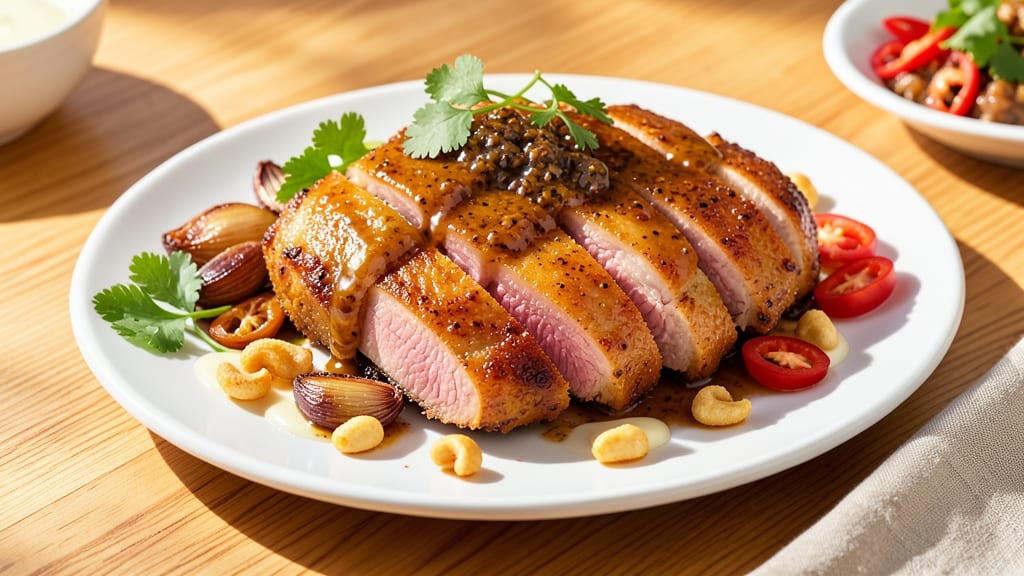
This bagoong pork recipe brings Filipino comfort food to your table with bold umami flavors and irresistible crispy edges. 🔥 After perfecting it in my kitchen, I can confidently say this dish delivers restaurant-quality results at home.
The secret lies in balancing the salty, funky shrimp paste with sweet and savory elements that create a perfect harmony.
The recipe starts with tender pork belly or shoulder, marinated in a blend of soy sauce, garlic, and just enough sugar to balance the bagoong's intensity. We'll achieve that signature crispy exterior through careful pan-frying, while the interior stays juicy and flavorful.
The bagoong glaze, simmered to perfection, adds a complex depth that makes every bite unforgettable.
What you'll end up with is a dish that's rich, savory, and perfectly balanced—crispy pork pieces with tender centers, all coated in a glossy, umami-packed glaze. The aroma alone will have everyone gathering around your table, and the first bite will have them asking for seconds.
This recipe serves as both a satisfying main course and a showstopper for special occasions.
Pair it with steamed jasmine rice to soak up every last bit of that flavorful sauce, or serve with a simple side of sautéed greens for a complete meal.
The beauty of this dish is in its versatility—it works as a weeknight dinner or a centerpiece for your next gathering. Let's get cooking!
Ingredients for bagoong pork
Pork belly cubes, shrimp paste, and garlic—these bold flavors create crispy edges with tender centers.
| Ingredient | Amount | Notes |
|---|---|---|
| Pork Belly or Shoulder 🐖 | 1 ½ lb | Cut into 1-inch cubes |
| Bagoong (Shrimp Paste) 🦐 | ¼ cup | Filipino shrimp paste (not substitute) |
| Soy Sauce 🍶 | ½ cup | Dark soy preferred |
| Garlic Cloves 🧄 | 6 cloves | Minced finely |
| Brown Sugar 🍚 | ¼ cup | Packed tightly |
| White Vinegar 🍶 | 2 tbsp | For marinade balance |
| Vegetable Oil 🫒 | ½ cup | For frying |
| Green Onion 🧅 | 3 whole | Sliced thin, for garnish |
| Salt 🧂 | 1 tsp | Adjust to taste |
| Black Pepper 🌶️ | ½ tsp | Freshly ground |
| Kalamansi or Lemon Juice 🍋 | 1 tbsp | Brightens flavors |
| Jasmine Rice 🍚 | 2 cups | Uncooked, for serving |
| Coconut Milk 🥥 | ¼ cup | Optional for richness |
The bagoong is non-negotiable here—Filipino shrimp paste (not the Vietnamese kind) gives that funky, salty umami punch. Grab it at Asian markets or online stores like Manila Market if your local grocery doesn't carry it. For the pork, belly delivers more fat and crispiness than shoulder, but shoulder works if you prefer leaner meat. Look for cuts with good marbling—they'll stay juicier. If using belly, score the fat cap in a crosshatch pattern before cooking for extra crunch.
No bagoong? Shrimp paste from Thailand is a close second, but it's stronger—start with half the amount. Short on brown sugar? White sugar works in a pinch, but the molasses notes in brown sugar help balance the saltiness. The garlic should be minced so fine it's almost paste—a food processor does this in seconds. For the marinade, let the pork soak for at least 30 minutes (or overnight for deeper flavor). If you're feeling fancy, add a splash of coconut aminos to the marinade for extra depth.
Marinated pork keeps 2 days in the fridge, covered tightly. For best results, cook it fresh, but you can freeze the uncooked cubes for up to 3 months. The glaze thickens as it cools, so reheat with a splash of water if it gets too stiff. This dish reheats beautifully—oven at 350°F for 10 minutes keeps the edges crispy. Serve with jasmine rice to soak up every last bit of that glossy, umami-packed sauce.
Why You'll Love This Recipe
- One-Pan Magic: I swear by this recipe when I’m too tired to wash dishes. Toss the pork belly in a single pan with bagoong, garlic, and soy sauce, and let it caramelize—no flipping, no fuss. The brown sugar sticks to the edges like a sweet, salty hug, and the pork practically falls apart on its own.
- Umami Bomb: That first whiff of bagoong frying in the pan? Instant craving. The shrimp paste isn’t just flavor—it’s the secret weapon, deepening every bite with a funky, savory punch. Between us, I’ve tried store-bought versions, but nothing beats the real deal. (Yes, even on a Tuesday night.)
- Leftovers That Win: This dish tastes better the next day. The pork gets more tender, the sauce thickens just right, and suddenly you’ve got a weeknight meal that feels like a treat. I portion it into containers with rice, and my kids fight over who gets the last bite—no sad leftovers here.
- Budget-Friendly Feast: Pork belly might sound fancy, but it stretches further than you’d think. A single slab feeds four, and the bagoong adds depth without costing a fortune. Honestly, it’s my go-to when I’m trying to impress guests but don’t want to break the bank. The brown sugar even cuts the richness just enough to keep it balanced.
Step-by-step instructions for bagoong pork with crispy edges
Here's how to transform simple ingredients into restaurant-worthy bagoong pork.
🍳 Step 1: Marinate the Pork for Maximum Flavor
In a large bowl, combine the 1.5 lb pork belly or shoulder cut into 1-inch cubes with the 0.5 cup soy sauce, 0.25 cup brown sugar, 2 tbsp white vinegar, 1 tbsp kalamansi or lemon juice, 1 tsp salt, and 0.5 tsp black pepper. Mix well until every piece is evenly coated. I like to use my hands for this—it helps the marinade penetrate those tough pork cubes.
Cover the bowl with plastic wrap and refrigerate for at least 4 hours (overnight is even better). This marinating time is crucial—it tenderizes the meat and infuses it with that signature umami-sweet flavor. You'll notice the pork starts to soften slightly and the marinade becomes syrupy. Don't skip this step, even if you're eager to cook!
🔥 Step 2: Fry the Pork Until Crispy and Golden
Heat 0.25 cup vegetable oil in a large skillet over medium-high heat until shimmering. Working in batches (don't overcrowd the pan), add the marinated pork cubes and fry for 3-4 minutes per side until deep golden brown and crispy. The pork should release easily from the pan—if it sticks, your oil isn't hot enough.
As you fry, you'll smell that incredible aroma of caramelizing pork and marinade. That's your signal that the crispy exterior is forming. Transfer the fried pork to a paper towel-lined plate to drain excess oil, but leave the rendered fat in the pan—it's packed with flavor. This frying step creates the signature crispy edges that make this dish special.
🍳 Step 3: Create the Signature Bagoong Glaze
Reduce the heat to medium-low and add the 0.25 cup bagoong (shrimp paste) to the pan with the rendered pork fat. Stir constantly for 1-2 minutes until the bagoong melts and darkens—this is where the magic happens. You'll see the oil turn a beautiful mahogany color and smell that unmistakable umami aroma.
Add the 6 cloves minced garlic and cook for 30 seconds until fragrant (don't let it burn!). Then pour in 0.25 cup coconut milk (if using) and simmer for 2 minutes until slightly thickened. The glaze should coat the back of a spoon. Here's where it gets fun—taste and adjust seasoning with more soy sauce or brown sugar if needed.
🥘 Step 4: Combine and Finish with Green Onions
Return the crispy pork to the pan and toss gently to coat in the bagoong glaze. Simmer for 3-4 minutes until everything is well combined and heated through. The pork should be fork-tender with a glossy, sticky coating. If the glaze is too thick, add 1-2 tablespoons of water to loosen it.
Remove from heat and stir in the 3 whole green onions sliced thin. The green onions add a fresh contrast to the rich, savory pork. Serve immediately over 2 cups cooked jasmine rice—the aroma alone will make your mouth water. Each bite should deliver that perfect balance of crispy pork, sweet-savory glaze, and fresh green onion.
Pro Tips For Making Bagoong Pork
- CRUSH THE GARLIC: Use a garlic press instead of mincing—it releases more oil and flavor instantly. I learned this the hard way after burning my first batch from uneven garlic distribution.
- SIMMER THE BAGOONG: Add the shrimp paste to the pan when the pork is already searing, then immediately pour in a splash of water or broth. This prevents it from burning and lets the aroma infuse properly.
- DON’T RUSH THE SOY: Let the pork simmer uncovered for at least 10 minutes after adding soy sauce. Skipping this step leaves the dish flat—caramelization is where the depth happens.
- SWEAT THE PORK FIRST: Pat the meat dry and sear it skin-side down for 5 minutes before flipping. This locks in moisture and builds a crust that keeps it from turning mushy when braised.
Best sauces and condiments for these flavors
Bagoong Glaze Mastery
The star of this dish is that bagoong glaze—a perfect balance of funky shrimp paste and sweet-savory depth. Start by melting ¼ cup bagoong in the pork fat until it darkens to a rich mahogany color.
This step unlocks the umami bomb that makes every bite unforgettable. I recommend using Filipino bagoong (like Manila Market brand) for that authentic funk—it's stronger than Vietnamese shrimp paste. 🔥
For extra richness, stir in ¼ cup coconut milk at the end to smooth out the texture while keeping the glaze glossy. If you're feeling adventurous, add 1 tsp fish sauce for an extra layer of depth.
The glaze should coat the back of a spoon—if it's too thick, loosen with 1 tbsp water or white vinegar. Trust me, this glaze elevates everything from simple pork to a showstopper.
Sweet-Savory Balance
Brown sugar isn't just for sweetness—it's the secret to balancing the saltiness of bagoong and sourness of vinegar. Use ½ cup dark soy sauce for color and depth, then adjust with 1-2 tbsp more if your glaze needs more umami.
For a smoky twist, add ½ tsp smoked paprika to the marinade. I often finish with a squeeze of kalamansi (Filipino lime) for brightness, but lemon works in a pinch.
The key is tasting as you go—Filipino flavors are bold, so don't be afraid to adjust. If your glaze tastes too salty, a splash of coconut milk or water dilutes it without losing flavor.
For extra complexity, add 1 minced shallot with the garlic—it adds a subtle sweetness that rounds out the dish.
Crispy Pork Techniques
Achieving those crispy edges is all about heat control. Fry the pork in vegetable oil over medium-high heat until golden brown—3-4 minutes per side. If your oil isn't hot enough, the pork will steam instead of crisp.
I use a cast-iron skillet because it retains heat perfectly, but a heavy stainless steel pan works too. Don't overcrowd the pan, or the pork will steam instead of sear.
For even crispier results, broil the pork for 1-2 minutes after frying—just watch it like a hawk to avoid burning. The residual fat in the pan becomes your glaze base, so don't drain it completely. This technique gives you that restaurant-quality texture without deep-frying.
Garnish Game-Changers
Fresh green onions are a must—they cut through the richness and add a pop of color. Slice them thinly and stir them in at the very end so they stay bright. For extra flair, add crushed roasted peanuts or toasted sesame seeds for texture.
If you're serving this at a gathering, garnish each plate with a sprig of cilantro or Thai basil for a fresh contrast.
For a smoky finish, drizzle with chili oil or sprinkle crushed red pepper flakes on top. The heat balances the richness perfectly. I also like to serve this with pickled vegetables on the side—the tangy crunch cleanses the palate between bites. The presentation matters just as much as the flavor!
Nutrition facts
Frequently asked questions about bagoong pork
What makes Filipino bagoong different from shrimp paste?
Filipino bagoong is fermented shrimp paste with a distinct funky, salty-sweet profile that's stronger than Vietnamese shrimp paste. The fermentation process creates complex umami flavors that can't be replicated with substitutes. For authentic results, look for brands like Manila Market or Bagoong Isda at Asian markets.
Can I use pork shoulder instead of pork belly?
Yes, but expect slightly leaner results. Pork belly delivers extra crispiness thanks to its fat content, while shoulder will be more tender. For belly, score the fat in a crosshatch pattern before cooking to maximize crunch. If using shoulder, marinate 1-2 hours longer to ensure tenderness.
How do I fix if my bagoong glaze is too salty?
Add 1-2 tablespoons of coconut milk or water to dilute the saltiness without losing flavor. For extra balance, stir in ½ teaspoon brown sugar or a splash of kalamansi juice. Taste as you go—Filipino flavors are bold, so adjustments are normal!
Can I make this dish ahead of time?
Marinated pork keeps 2 days in the fridge or 3 months frozen. For best texture, cook fresh, but reheat in the oven at 350°F for 10 minutes to maintain crispiness. The glaze thickens when chilled—reheat with 1 tablespoon water to restore its glossy consistency.
What are the best sides to serve with bagoong pork?
Steamed jasmine rice is traditional, but try garlic fried rice or sautéed bok choy for extra flavor. For contrast, add pickled vegetables (like cucumbers or carrots) to cut through the richness. A simple green salad with vinegar dressing also works beautifully!