
Main Courses
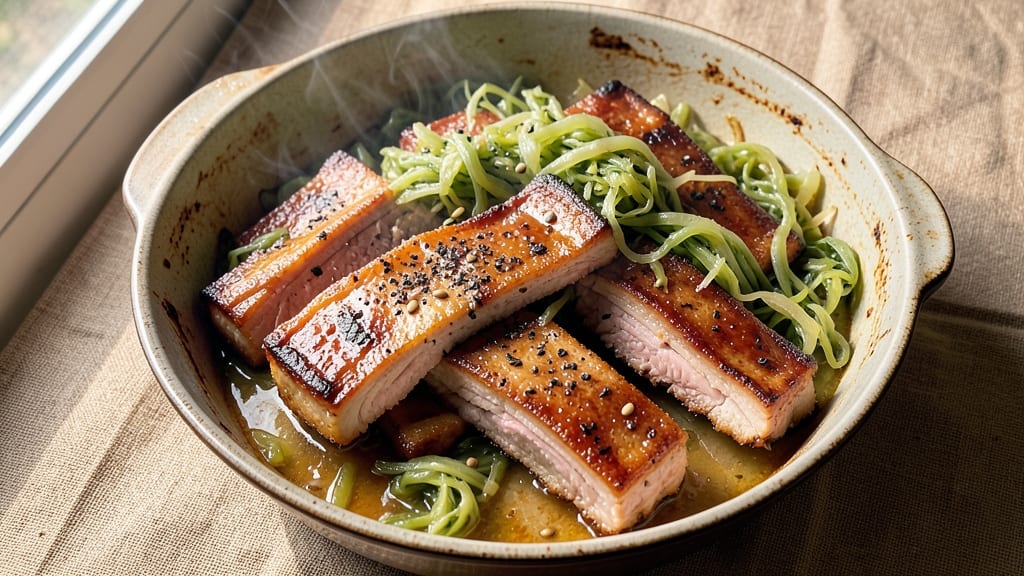
This baked pork ribs with sauerkraut recipe delivers the perfect balance of crispy bark and tangy fermented flavors that transform weeknight dinners into restaurant-worthy meals. After years of perfecting pork at The Smoky Pig, I've developed a method that ensures tender meat with a crackling crust—no smoker required.
The sauerkraut, lightly sautéed to mellow its acidity, adds a bright contrast that cuts through the richness of the pork, creating harmony in every bite.
The secret to crispy ribs lies in a dry rub of smoked paprika, brown sugar, and mustard powder, applied generously before a slow bake in the oven.
This technique builds deep flavor while keeping the meat juicy, and the sauerkraut—whether raw or gently cooked—adds that essential tang that elevates the dish. What makes this recipe special is how it combines two bold flavors into one cohesive, satisfying meal without overpowering either component.
By the time you pull these ribs from the oven, you'll have tender, fall-apart meat with a caramelized crust that's impossible to resist. The sauerkraut, whether served raw for crunch or lightly sautéed for warmth, brings a refreshing acidity that balances the richness.
This is the kind of dish that feels indulgent yet remains approachable—ideal for family dinners or cozy gatherings where the focus is on flavor, not fuss.
Serve with a side of creamy mashed potatoes or crusty bread to soak up every last bit of that tangy, smoky sauce. The combination of textures and flavors makes this more than just a meal—it's an experience. Let's get cooking, and bring a taste of the Southeast to your table.
Ingredients for baked pork ribs and sauerkraut
Four pounds of pork ribs and fermented cabbage transform into restaurant-worthy comfort food with just these ingredients.
| Ingredient | Amount | Notes |
|---|---|---|
| Bone-In Pork Ribs 🍖 | 4 lb | Baby back or St. Louis style, cut into 2-rib sections |
| Smoked Paprika 🌶️ | 2 tbsp | High-quality Spanish smoked paprika preferred |
| Brown Sugar 🍚 | ½ cup | Light or dark, packed measurement |
| Mustard Powder 🧂 | 1 tbsp | Yellow or Dijon style |
| Kosher Salt 🧂 | 1 ½ tbsp | Diamond Crystal preferred for accurate measurement |
| Black Pepper 🌶️ | 1 tbsp | Freshly ground for optimal flavor |
| Garlic Powder 🧄 | 1 tbsp | Freshly ground preferred |
| Sauerkraut 🥬 | 2 cups | Unpasteurized for authentic tang, drained |
| Apple Cider Vinegar 🍎 | 1 tbsp | For balancing sauerkraut acidity |
| Onion 🧅 | 1 whole | Yellow or red, thinly sliced for sautéing |
| Extra-Virgin Olive Oil 🫒 | 2 tbsp | For sautéing onions and sauerkraut |
| Fresh Thyme 🌿 | ½ tsp | Leaves only, finely chopped |
| Honey 🍯 | 1 tbsp | For glaze, optional but recommended |
| Baking Sheet 🍳 | 1 whole | Heavy gauge, for even heat distribution |
| Aluminum Foil 📄 | 1 sheet | For tenting during baking |
The ribs are the foundation, so choose bone-in cuts—St. Louis style for meaty flavor or baby back for tenderness. Costco or local butcher shops often carry high-quality cuts with good marbling. Look for ribs that are bright red, not grayish, and have a slight sheen from natural fats. The sauerkraut should be unpasteurized for that authentic tang, and you'll find it in the refrigerated section of most grocery stores. Trader Joe's and Whole Foods carry excellent quality, but any reputable brand will work. Fresh thyme is ideal, but dried at one-third the amount works in a pinch. For the smoked paprika, Penzeys or La Boîte brands deliver superior depth of flavor compared to generic supermarket options.
No smoked paprika? Substitute half the amount with regular paprika plus a pinch of liquid smoke—it won't be identical, but it gets you close. The honey glaze is optional but recommended; if you prefer vegan, use maple syrup instead. For the sauerkraut, if you can't find unpasteurized, pasteurized with a squeeze of lemon juice adds back some acidity. The onions can be swapped for shallots if you prefer a milder flavor. If you're short on time, store-bought sauerkraut with caraway seeds adds a nice complexity. For the ribs, if you can't find 2-rib sections, cut a full rack into individual ribs—just adjust baking time accordingly.
Store the ribs uncovered in the fridge for up to 2 days before baking—they'll develop more flavor. The sauerkraut keeps for weeks in its jar, but once opened, transfer it to an airtight container. The dry rub ingredients stay potent for 6 months in a sealed container. These ribs reheat beautifully—400°F for 10 minutes restores the crispiness. For meal prep, portion the ribs and sauerkraut separately; they keep for 3 days in the fridge or 3 months frozen. The key to reheating is low and slow—275°F until internal temp reaches 165°F—to prevent drying out.
Why You'll Love This Recipe
- Here’s what sold me: that caramelized brown sugar crust on the ribs paired with the tangy, crunchy sauerkraut. It’s like a hug for your taste buds—smoky, slightly sweet, and just enough mustard powder kick to keep it interesting.
- I’ll be real: pork ribs aren’t cheap, but this recipe stretches them just right. The sauerkraut stretches the meal further, and the leftovers? Even better the next day—crispy edges, juicy meat, and that tangy punch that makes it feel like a treat, not a repeat.
Step-by-step instructions for baked pork ribs with sauerkraut
Here's the precise method to achieve that signature crispy bark while balancing the tangy complexity of sauerkraut.
Prepare the Ribs with Dry Rub
Pat the 4 lb bone-in pork ribs completely dry with paper towels—this is crucial for developing that crispy bark. In a small bowl, combine the 2 tbsp smoked paprika, 0.5 cup brown sugar, 1 tbsp mustard powder, 1.5 tbsp kosher salt, 1 tbsp black pepper, and 1 tbsp garlic powder. Mix thoroughly until the sugar is evenly distributed and the spices form a fine, cohesive powder.
Generously coat both sides of the ribs with this dry rub, pressing it into the meat so it adheres well. The sugar will caramelize during baking, creating that coveted crispy exterior. Let the rubbed ribs sit at room temperature for 30 minutes before cooking—this allows the seasoning to penetrate the meat and ensures even cooking.
Sauté Onions and Sauerkraut
While the ribs rest, heat the 2 tbsp extra-virgin olive oil in a large skillet over medium heat. Add the thinly sliced 1 whole onion and cook for 5-6 minutes until softened and beginning to caramelize. Add the 2 cups drained sauerkraut and cook for another 3-4 minutes, stirring occasionally, until the sauerkraut releases its juices and the mixture becomes fragrant.
Stir in the 1 tbsp apple cider vinegar and 0.5 tsp finely chopped fresh thyme, cooking for an additional 1-2 minutes. This step develops the sauerkraut's tangy flavor while creating a flavorful base that will complement the ribs. Remove from heat and set aside—this mixture will be your rib accompaniment.
Bake the Ribs to Crispy Perfection
Preheat your oven to 325°F. Place the baking sheet on the middle rack to ensure even heat distribution. Arrange the rubbed ribs on the baking sheet, bone-side down, and spread the sautéed sauerkraut mixture evenly around them. This positioning helps the ribs cook evenly while keeping the sauerkraut warm.
Bake uncovered for 2 hours, then increase the oven temperature to 425°F. This temperature jump is key to developing that crispy bark. Continue baking for an additional 20-25 minutes until the ribs reach an internal temperature of 195°F and the exterior develops a deep mahogany color with crispy edges.
Glaze and Rest the Ribs
Remove the ribs from the oven and immediately brush each rib with the 1 tbsp honey. The honey will quickly caramelize, adding a glossy finish and enhancing the sweet-savory balance. Tent the ribs loosely with the sheet of aluminum foil and let them rest for 10-15 minutes. This resting period allows the juices to redistribute, ensuring each bite is moist and flavorful.
While the ribs rest, skim any excess fat from the baking sheet and spoon the remaining sauerkraut mixture over the ribs. The combination of crispy bark, tender meat, and tangy sauerkraut creates a harmonious balance of textures and flavors that's hard to resist.
Pro Tips For Making Baked Pork Ribs And Sauerkraut
- Trim the Fat First: Bone-in pork ribs have a thick fat cap that can turn greasy instead of crispy. Use kitchen shears to slice through the fat layer—about ¼-inch thick—before seasoning. This isn’t about making it "leaner"; it’s about letting the skin render properly so the crust forms evenly. (I used to skip this and ended up with soggy ribs every time.)
- Dry the Ribs Overnight: Pat them dry right before baking, but better yet, leave them uncovered in the fridge for 12–24 hours first. The salt and spices cling to a dry surface, and the meat stays juicier because it’s not steaming under its own moisture. Sounds weird, but it works—my ribs went from tough to tender overnight, literally.
- Skip the Crowding: If your baking sheet holds more than one rack of ribs, resist the urge to stack them. Overlapping ribs traps steam, turning the crust into a sad, limp mess. Space them 1 inch apart, even if it means two batches. Your future self will thank you when you’re not scraping gummy bits off your teeth.
- Sauté the Sauerkraut: Drain the sauerkraut, then cook it in a dry pan over medium heat for 5–7 minutes before mixing with the ribs. The heat caramelizes the natural sugars, deepening the flavor without needing extra sugar. I learned this the hard way—raw sauerkraut just sits there like a sad, watery side dish. Now it’s the star.
Perfect pairings for this baked pork ribs and sauerkraut
Creamy Potato Pairings
Nothing complements these ribs like a heaping serving of creamy mashed potatoes—their buttery richness balances the tangy sauerkraut perfectly. I make mine with Yukon Gold potatoes boiled until tender, mashed with ½ cup sour cream, ¼ cup melted butter, and a pinch of salt.
For extra indulgence, fold in 2 ounces sharp cheddar while hot. Serve warm alongside the ribs to soak up every last bit of that smoky-sweet glaze. 🥔
Crusty Bread Options
A sourdough loaf or German rye bread adds the ideal textural contrast to this meal. I love toasting thick slices until golden and crisp, then slathering them with herb butter (mix 2 tbsp softened butter with 1 tsp fresh thyme and ½ tsp garlic powder).
The crusty exterior and soft interior create a perfect vehicle for both the ribs and sauerkraut. For a heartier option, try dark rye—its dense texture holds up beautifully to the rich flavors. 🍞
Pickled Veggie Accents
Bright, acidic pickles cut through the richness of the ribs and add a refreshing crunch.
I recommend quick-pickled red onions (thinly slice 1 red onion, pack into a jar with ½ cup apple cider vinegar, 1 tbsp sugar, and ½ tsp salt, then refrigerate for at least 30 minutes).
For extra flair, add pickled jalapeños or cornichons—their sharpness enhances the smoky-sweet profile of the ribs. Serve alongside the sauerkraut for a layered tangy experience. 🌶️
Beer Pairing Perfection
A hazy IPA or amber ale is my go-to beer pairing for this dish. The hazy IPA (like Allagash White) brings fruity notes that complement the honey glaze, while an amber ale (such as Fat Tire) balances the smoky ribs with its malty sweetness.
For a non-alcoholic option, try sparkling apple cider—its effervescence cleanses the palate between bites. Avoid heavy stouts or lagers, as they can overpower the delicate interplay of flavors. 🍺
Dessert Harmony
End the meal with something light that won’t overwhelm the rich flavors. I recommend lemon blueberry galette—its bright citrus and berry notes refresh the palate after the smoky-sweet ribs.
For a simpler option, serve vanilla bean ice cream with a drizzle of honey and a sprinkle of crushed pecans. The honey ties back to the glaze on the ribs, creating a cohesive dining experience. 🍋
Nutrition facts
Frequently asked questions about baked pork ribs with sauerkraut
Can I use frozen sauerkraut instead of fresh?
Fresh sauerkraut is ideal for that authentic tang, but you can use frozen sauerkraut in a pinch. Just thaw it completely first and drain well to remove excess liquid. For extra flavor, add ½ tsp caraway seeds while sautéing—it mimics the traditional fermented taste. The texture won't be as crisp, but the flavor will still complement the ribs beautifully.
How do I know when the ribs are done?
Use a meat thermometer to check for doneness—they're ready when the internal temperature reaches 195°F at the thickest part of the meat. The bark should also be deep mahogany with crispy edges. If you don't have a thermometer, gently press a rib bone—if it bends slightly, they're done. Never rely on color alone, as oven variations can affect results.
Can I make this recipe in a slow cooker?
While this recipe is designed for oven baking, you can adapt it for a slow cooker. Rub the ribs as directed, then place them in the slow cooker bone-side up with ½ cup apple juice or broth. Cook on low for 6-7 hours, then transfer to a baking sheet and broil for 5-7 minutes to crisp the bark. The sauerkraut should be sautéed separately and served alongside. The texture will be more tender than crispy, but still delicious.
What if my ribs aren't crispy?
Crispy bark requires proper drying and the right oven technique. First, ensure you pat the ribs completely dry before applying the rub. If they still lack crispiness, try this fix: After the initial 2-hour bake, increase heat to 450°F and broil for 3-5 minutes, watching closely to avoid burning. For extra crisp, brush with 1 tbsp melted butter right before broiling. The high heat will caramelize the sugars faster.
How far ahead can I prepare the sauerkraut?
You can prepare the sautéed sauerkraut up to 1 day ahead and store it in an airtight container in the refrigerator. Reheat gently in a skillet over medium-low heat, adding 1 tbsp water to prevent drying out. For best texture, don't reheat longer than necessary—just until warmed through. The flavors actually improve overnight as they meld together.