
Main Courses
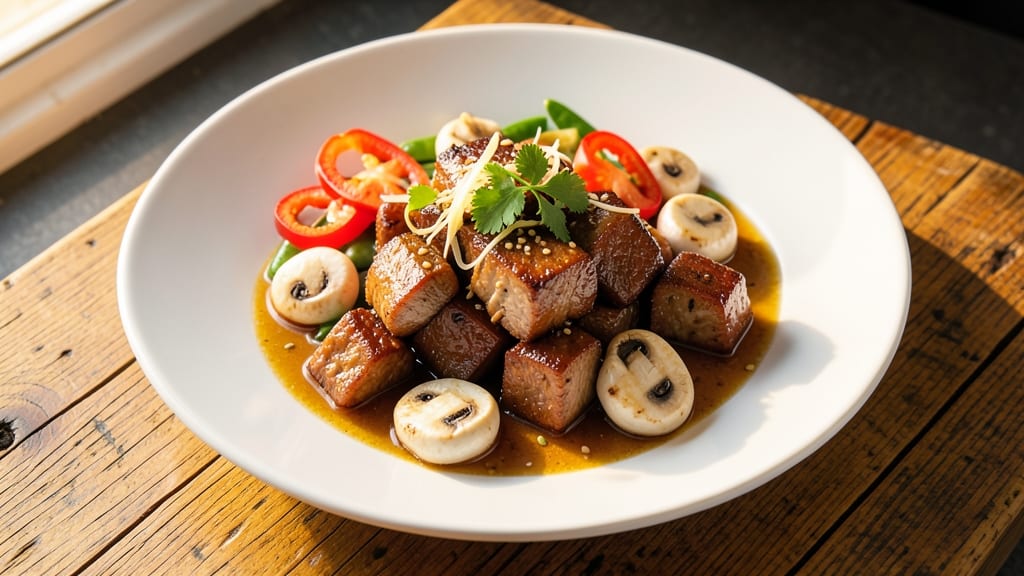
This best ever pork stir fry recipe delivers restaurant-quality results with velvet-soft pork and perfectly balanced flavors—no wok required. After perfecting this dish in my Atlanta kitchen, I've refined the technique to ensure tender, juicy pork that stays moist even after stir-frying.
The secret lies in a foolproof marinade and high-heat searing that locks in flavor while keeping the meat tender.
What sets this recipe apart is the harmony between the pork and crunchy vegetables, all coated in a savory-sweet sauce that's quick to make but packed with depth.
We'll use a simple 30-minute marinade with soy sauce, honey, and garlic to tenderize the pork, followed by a quick sear in a hot skillet to achieve that coveted wok hei flavor. The vegetables add texture contrast while absorbing the rich sauce.
The result is a dish that's restaurant-quality at home—tender pork with slightly charred edges, crisp-tender vegetables, and a sauce that's perfectly balanced between sweet, salty, and umami. This recipe serves four and comes together in under 30 minutes, making it ideal for weeknight dinners or weekend gatherings.
The best part? It's versatile enough to accommodate dietary preferences with minimal adjustments.
Serve over steamed jasmine rice for the full experience, or pair with noodles for a heartier meal. The sauce can be made ahead and reheated, giving you one less thing to worry about on busy nights.
Whether you're feeding a family or treating yourself to a special meal, this pork stir fry delivers consistent, impressive results every time.
Ingredients for best ever pork stir fry
Restaurant-quality pork stir fry starts with these 15 ingredients—velvet pork, crisp veggies, and a sauce packed with depth.
| Ingredient | Amount | Notes |
|---|---|---|
| Boneless Pork Loin 🥩 | 1 ½ lb | Cut into 1-inch cubes |
| Low-Sodium Soy Sauce 🍶 | ½ cup | For marinade and sauce |
| Honey 🍯 | ¼ cup | Wildflower preferred |
| Garlic Cloves 🧄 | 6 cloves | Minced for marinade |
| Fresh Ginger 🌿 | 2 tbsp | Grated, for marinade |
| Sesame Oil 🫒 | 1 tbsp | Toasted for aroma |
| Neutral Oil 🫒 | 2 tbsp | Avocado or vegetable oil |
| Bell Peppers 🍅 | 2 whole | Red and green, sliced |
| Broccoli Florets 🥦 | 2 cups | Cut into bite-sized pieces |
| Snap Peas 🌱 | 1 cup | Trimmed, for crunch |
| Carrots 🥕 | 2 whole | Julienned, for texture |
| Cornstarch 🌾 | 1 tbsp | For velveting pork |
| Jasmine Rice 🍚 | 1 ½ cups | Uncooked, for serving |
| Green Onions 🧅 | 4 whole | Sliced, for garnish |
| Sesame Seeds 🌾 | 1 tbsp | Toasted, for garnish |
The pork is everything here. Pork loin stays tender when cubed uniformly—skip the bone-in cuts for faster cooking. Costco sells pre-cut pork loin at great prices, or ask your butcher to cube it for you. For the marinade, I swear by Kikkoman low-sodium soy sauce—the balance of salt and umami is perfect. Fresh ginger? Trader Joe's sells pre-grated in a jar, saving you time. Toast your sesame oil in the pan for 10 seconds before adding pork—this unlocks the nutty aroma that makes the dish sing. And don't skip the cornstarch velveting step: toss those pork cubes in it before marinating for that signature restaurant texture.
No sesame oil? Toasted peanut oil works in a pinch, though it'll have a different flavor profile. Subbing bell peppers? Zucchini or snap peas add similar crunch. The broccoli should be bright green—Trader Joe's frozen florets are my secret weapon when fresh isn't an option. For the sauce, if you're watching sugar, reduce the honey to 2 tablespoons and add 1 teaspoon of rice vinegar for brightness. The veggies can be prepped while the pork marinates—slice the peppers and carrots, then store them in separate containers to keep them crisp. Pro tip: Don't overcrowd the pan when stir-frying, or the veggies will steam instead of crisp up.
Marinated pork keeps 24 hours in the fridge, but I recommend using it within 12 for maximum tenderness. The sauce can be made ahead and reheated—store it in a jar in the fridge for up to 5 days. For the veggies, prep them last minute to maintain crunch, or blanch them in boiling water for 30 seconds, then shock in ice water if you're prepping ahead. Leftovers reheat beautifully—just add a splash of water or broth to deglaze the pan and keep everything moist. This dish tastes even better the next day as flavors meld. Portion into containers with rice for easy lunches all week.
Why You'll Love This Recipe
- One-Pan Magic: I swear by this—no chopping boards, no extra pans. Just slice the pork, toss it with the soy-ginger-honey mix, and let the skillet do the work. The pork stays juicy while the sauce caramelizes right there. (Yes, even on a Tuesday night.)
- Sweet-Savory Balance: That honey-soy glaze? It’s the star. The garlic and ginger hit first—sharp and bright—then the honey melts in, giving it this addictive, sticky-sweet finish that makes my whole family ask for seconds. (Not the prettiest, but the taste makes up for it.)
- Lunchbox Hero: Between us, this is my go-to for meal prep. Cook a big batch, portion it out, and it reheats like a dream—no soggy veggies, no dry pork. Pack it in containers with rice, and you’ve got a lunch that’ll actually get eaten. (My daughter picks out the ginger, but still asks for seconds.)
- Budget Win: Pork loin is affordable, and you’re not drowning in expensive ingredients. A single jar of low-sodium soy sauce and a head of garlic stretch across multiple meals. Honestly, it’s the kind of recipe that makes me feel like I’m feeding my family well without breaking the bank.
Step-by-step instructions for velvet-soft pork stir fry
This method delivers restaurant-quality tenderness in the pork while keeping the vegetables vibrant and crisp. Every technique here is designed to maximize flavor and texture—no shortcuts, just results.
Velvet the Pork for Unmatched Tenderness
In a medium bowl, combine the 1.5 lb boneless pork loin cut into 1-inch cubes, 1 tbsp cornstarch, 0.5 cup low-sodium soy sauce, 0.25 cup honey, 6 minced garlic cloves, and 2 tbsp grated fresh ginger. Mix thoroughly until the pork is evenly coated. Let it marinate for 15 minutes at room temperature—this ensures even cooking and maximum flavor absorption.
Here's the secret: velveting the pork with cornstarch creates a silky texture that stays juicy even after high-heat stir-frying. The marinade also infuses the meat with aromatic depth. Don't skip the room-temperature step—cold pork releases less moisture and can turn tough.
Cook the Jasmine Rice to Perfection
Rinse the 1.5 cups jasmine rice under cold water until the water runs clear, then drain. In a pot, combine the rice with 2 cups water and bring to a boil over high heat. Once boiling, reduce to low heat, cover, and simmer for 15 minutes. Turn off the heat and let it steam for another 10 minutes—this resting period develops the rice's signature floral aroma and prevents mushiness.
The rice should be fluffy with no liquid remaining. If it's still slightly undercooked, return it to low heat for 2-3 minutes covered. This step is non-negotiable—properly cooked rice is the foundation of any stir-fry. I like to keep the rice warm in a covered pot while I finish the stir-fry.
Stir-Fry the Vegetables for Maximum Crunch
Heat 1 tbsp neutral oil in a wok or large skillet over high heat until shimmering. Add the 2 cups broccoli florets, 1 cup snap peas, and 2 julienned carrots, stirring constantly for 2-3 minutes until the broccoli brightens to a vibrant green and the carrots develop a slight blister. Remove the vegetables to a plate and set aside.
In the same pan, add the remaining 1 tbsp neutral oil and the 2 sliced bell peppers. Stir-fry for 2 minutes until the edges just begin to soften but still maintain their crisp texture. The key here is high heat and constant movement—this prevents the vegetables from steaming and losing their crunch. Real talk: overcooked veggies ruin a stir-fry faster than anything else.
Cook the Pork to Golden Perfection
Working in batches if needed, add the marinated pork to the hot pan in a single layer. Cook undisturbed for 1-2 minutes until the bottoms develop a deep golden crust. Flip the pieces and cook another 1-2 minutes until the pork reaches 145°F internally. The cornstarch coating will create a glossy sheen—this is your visual cue that the pork is nearly done.
Return the cooked vegetables to the pan along with the pork. Drizzle in 1 tbsp toasted sesame oil and toss everything together for 30 seconds to combine. The residual heat will finish cooking the pork while keeping the vegetables crisp. If the sauce seems too thick, add 1-2 tablespoons water to loosen it slightly.
Finish with Garnishes and Serve Immediately
Transfer the stir-fry to serving plates and garnish each portion with 4 sliced green onions and 1 tbsp toasted sesame seeds. Serve the stir-fry directly over the jasmine rice for an authentic presentation. The contrast between the velvety pork, crisp vegetables, and fluffy rice creates the perfect bite every time.
This dish shines when served immediately, but if you need to hold it, keep it covered at low heat for no more than 10 minutes. The flavors continue to meld as it rests, but the vegetables will lose some of their crispness. For best results, serve family-style and let everyone dig in right away—this is the moment this recipe truly excels.
Pro Tips For Making Best Ever Pork Stir Fry
- Slice Thin, Slice Even: I learned this the hard way—uneven slices mean some pork stays raw while others dry out. Use a sharp knife and cut against the grain into ¼-inch strips (about the thickness of a nickel). If your knife skills are rusty, freeze the pork for 20 minutes first—it’ll hold its shape better.
- Salt Pork First, Then Wait: Tossing the pork in soy sauce and honey before cooking is tempting, but season it first with 1 teaspoon salt per pound and let it sit 15 minutes. This guarantees the meat absorbs the marinade instead of just sitting in it. (Yes, even if you’re impatient like me.)
- Start Hot, Then Tame the Heat: Crank your pan to medium-high and let it scream for 30 seconds before adding oil. This sears the pork’s edges instantly, locking in juices. Once it’s browned (2-3 minutes), drop the heat to medium—high heat after that turns the stir-fry into a sad, greasy mess.
- Grate Ginger, Don’t Mince: Sounds weird, but it works: Use a box grater for the ginger instead of chopping it. The fine, wet shreds dissolve into the sauce smoothly, adding depth without clumping. (Bonus: No one will ever guess you took a shortcut.)
Regional styles of this recipe
Southern BBQ-Inspired Twist
Growing up in Georgia, I learned pork deserves bold flavors—so I adapted this stir-fry with a Southern BBQ-inspired glaze.
After cooking the pork, I toss it with ½ cup BBQ sauce (I use Sweet Baby Ray's Original) and 1 tbsp apple cider vinegar, then finish with a quick sear. The smoky-sweet balance transforms it into a cross between stir-fry and Carolina-style pork.
Serve with crispy fried onions on top for that Southern crunch. 🔥
Charleston Lowcountry Style
In Charleston, seafood dominates, but pork takes center stage in dishes like shrimp and grits. For a Lowcountry twist, swap the bell peppers for sautéed okra and diced tomatoes, then finish with ½ cup shrimp stock in the sauce.
The briny depth mirrors coastal flavors, while hot sauce (like Crystal or Tabasco) adds the signature Carolina heat. Garnish with chopped parsley instead of green onions for a fresh, coastal touch. 🌊
Atlanta Soul Food Fusion
Atlanta’s food scene blends global flavors with Southern roots. For a soul food-inspired version, marinate the pork in ½ cup peanut butter (creamy, not crunchy) along with the original marinade ingredients. Stir-fry with roasted sweet potatoes and collard greens (blanched and chopped) for a hearty, one-pan meal.
Top with crushed peanuts and scallions for texture. This fusion keeps the dish vibrant while nodding to Atlanta’s love of bold, comforting flavors. 💛
Southeast Asian-Inspired Crispy Pork
To channel Thai or Vietnamese flavors, replace the honey with 1 tbsp fish sauce and 1 tsp palm sugar, then add 1 tbsp lime juice to the marinade. Stir-fry the pork with Thai basil leaves and bean sprouts for a fresh, aromatic finish.
For extra crunch, toss the pork in 1 tbsp cornstarch before cooking—this creates a crispy exterior while keeping the inside tender. Serve with steamed rice noodles for a lighter, Asian-inspired twist. 🌶️
Texas-Style BBQ Stir-Fry
For a Texas-inspired adaptation, swap the honey for ½ cup Texas-style BBQ sauce (like Stubb’s) and add 1 tbsp smoked paprika to the marinade. Stir-fry with diced onions and jalapeños for heat, then finish with pickled red onions on top.
The smoky, tangy flavors pay homage to Texas BBQ, while the quick stir-fry keeps it lighter than traditional brisket. Serve with cornbread on the side for the full Texan experience. 🥓
Classic Cantonese Wok Hei
To achieve authentic Cantonese wok hei (breath of the wok), use a carbon steel wok and preheat it over high heat until it’s smoking. Cook the pork in small batches to avoid crowding, then finish with 1 tsp Shaoxing wine and 1 clove minced garlic.
The high heat creates that signature smoky aroma. Serve with steamed white rice and chili oil on the side for a true dim sum-inspired dish. This version is all about technique over ingredients—the wok does the magic. ✨
Nutrition facts
Frequently asked questions
Can I use pork shoulder instead of pork loin for this stir fry?
Pork shoulder works but requires adjustments! First, cut it into 1-inch cubes and marinate for 2-3 hours (overnight works best) to break down the tougher fibers. After stir-frying, let it rest 10 minutes before serving to redistribute juices. The meat will be more flavorful but slightly chewier than tender pork loin.
How do I prevent the vegetables from getting soggy?
High heat and proper timing are key! Start with dry vegetables and cook them in batches if needed. Use a wok or large skillet and keep the heat at high—stir constantly for 2-3 minutes max until just tender-crisp. Remove them immediately when done and store separately until ready to combine with pork.
What's the best way to reheat leftovers?
Reheat gently to preserve texture! Spread leftovers on a baking sheet and warm in a 350°F oven for 10 minutes (covered loosely). For stovetop, use low heat with a splash of water or broth to loosen the sauce. Avoid microwaving—it makes pork rubbery and veggies limp.
Can I make this gluten-free?
Swap soy sauce for tamari or coconut aminos (1:1 ratio). Use gluten-free cornstarch for velveting, and check all labels (like sesame oil) for cross-contamination warnings. The flavor stays rich and balanced—just watch for salt adjustments if using low-sodium alternatives.
Why does my pork turn out tough?
Three common mistakes: Overcrowding the pan (lowers heat), skipping the cornstarch velveting, or using cold pork straight from the fridge. Always marinate at room temp for 15+ minutes, cook in batches, and use high heat. For extra tenderness, add 1 tbsp baking soda to the marinade (rinse before cooking).