
Main Courses
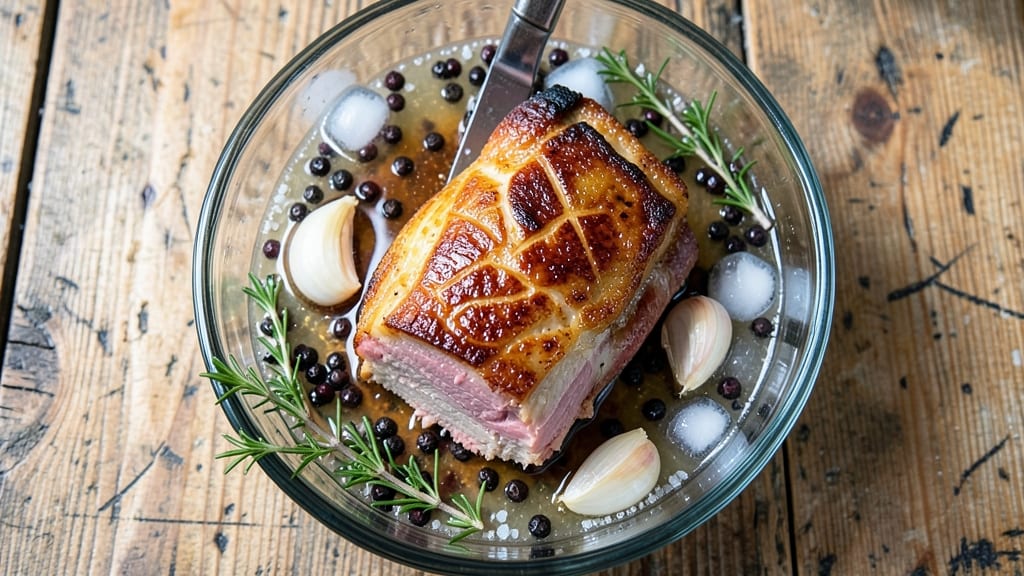
This brine recipe for pork shoulder roast transforms tough meat into melt-in-your-mouth perfection—no shortcuts, just science-backed tenderness. I learned the hard way that brining isn't optional; it's the secret weapon behind restaurant-quality pulled pork that falls apart at the touch. After years of testing, this 24-hour method guarantees juicy, flavorful results every time, whether you're slow-roasting for a crowd or searing for a weeknight dinner.
The magic happens in the brine itself—a precise balance of salt, sugar, and aromatics that penetrates deep into the muscle fibers. We're talking 195–203°F internal temperature, where collagen breaks down into gelatin, creating that signature pull-apart texture.
The key? Patience—letting the pork soak overnight while you prep other components of your meal. This isn't just cooking; it's an investment in flavor that pays off with every tender bite.
What you'll end up with is pork shoulder so moist it practically dissolves on your tongue, with a crispy bark if you choose to sear it afterward. The brine enhances natural flavors without overpowering them, creating a perfect canvas for your favorite barbecue sauce or simple herb rub.
This technique works equally well for smoked pork, oven-roasted, or even grilled—giving you control over the cooking method while guaranteeing results that impress even the most critical guests.
Serve with classic sides like creamy coleslaw, buttery cornbread, or roasted potatoes to complete the meal. The leftovers? Even better the next day, making this the ultimate make-ahead dish for busy families. Let's get started on creating pork shoulder that'll have everyone asking for seconds—and the recipe behind them.
Ingredients for brine recipe for pork shoulder roast
Six pounds of pork shoulder plus a few key ingredients transform tough meat into restaurant-quality perfection overnight.
| Ingredient | Amount | Notes |
|---|---|---|
| Bone-In Pork Shoulder Roast 🍖 | 6 lb | With fat cap intact, 2-3 inches thick |
| Kosher Salt 🧂 | ¾ cup | Diamond Crystal preferred, non-iodized |
| Granulated Sugar 🍚 | ¼ cup | White or brown, fine grain |
| Black Peppercorns 🌶️ | 1 tbsp | Freshly cracked, coarse grind |
| Garlic Cloves 🧄 | 6 cloves | Smash slightly, peeled |
| Fresh Thyme Sprigs 🌿 | 4 whole | Stems intact, organic preferred |
| Fresh Rosemary Sprigs 🌿 | 4 whole | Needle-like leaves, organic preferred |
| Bay Leaves 🍃 | 2 whole | Dried, high-quality preferred |
| Cold Water 💧 | 4 cups | Filtered preferred, room temp ok |
| Ice Cubes ❄️ | 1 cup | For initial brine temperature |
| Heavy-Duty Plastic Bag 👜 | 1 whole | Gallon size, food-grade |
| Barbecue Sauce 🍅 | ½ cup | For serving, optional |
The pork shoulder is non-negotiable—bone-in with that fat cap is what gives you the best flavor and moisture. Costco or Whole Foods usually carry excellent cuts, but any well-marbled shoulder works. Look for a roast with good fat distribution—at least 1/4 inch thick fat cap—and avoid anything with excessive bruising. The kosher salt is critical here: Diamond Crystal has larger crystals that dissolve more evenly, but Morton works fine in a pinch. For the herbs, organic makes a difference in flavor, but conventional will do if that's all you've got. The sugar isn't just for sweetness—it helps with browning and balances the salt.
No kosher salt? Substitute with 1/3 cup table salt, but dissolve it completely first. Running short on thyme or rosemary? Fresh oregano works at double the amount, though it has a different flavor profile. The bay leaves can be skipped if you're out, but they add wonderful depth. For the water, filtered is ideal—tap water with strong chlorine might affect flavor. If you're prepping ahead, you can make the brine mixture (everything except pork) up to 3 days early and store it in the fridge. Just add the pork when ready to brine. The ice cubes help keep the brine cold initially, which is crucial for proper salt penetration.
Once brined, the pork keeps 3 days in the fridge before cooking—use the time to prep sides or make sauce. For best results, cook within 48 hours of brining. The plastic bag should be food-grade and heavy-duty—Ziploc brand works well, but avoid thin freezer bags. If you're not using the pork immediately after brining, store it in the bag with its brine in the fridge. The barbecue sauce mentioned is purely for serving—this brine works equally well with any finishing sauce or even just a sprinkle of smoked paprika before serving.
Why You'll Love This Recipe
- No Fuss, Big Payoff: Just a big pot, cold water, and 10 minutes of stirring—no fancy gadgets. The salt and sugar dissolve in seconds, and that bone-in shoulder soaks up the magic while you prep the rest of dinner.
- Crispy-Garlicky Magic: That first bite? The sugar caramelizes into a sticky glaze while the garlic infuses the meat like a slow-cooked secret. Honestly, I’ve never had pork shoulder taste this good without hours in the oven.
- Leftovers That Don’t Suck: Pull it out of the fridge cold, slice it thin, and toss it in tacos, sandwiches, or even fried rice. The brined pork stays juicy for days—no sad, dry reheats here.
- Budget-Friendly Crowd-Pleaser: A single pork shoulder feeds a family of four (plus leftovers) for under $15. Between us, this is how I feed my book club without breaking the bank—and they always ask for the recipe.
Step-by-step instructions for brining pork shoulder roast
Transform your pork shoulder into melt-in-your-mouth perfection with this precise brining method.
Prepare the Brine Mixture
In a large mixing bowl, combine the 4 cups cold water, 1 cup ice cubes, 0.75 cup kosher salt, and 0.25 cup granulated sugar. Stir vigorously until the salt and sugar dissolve completely—this ensures even distribution throughout the brine. The ice helps lower the temperature, which is crucial for preventing surface drying during the long brining period.
Next, add the 6 cloves garlic cloves (smashed slightly), 4 whole fresh thyme sprigs, 4 whole fresh rosemary sprigs, and 2 whole bay leaves. These aromatics will infuse the pork with deep, complex flavors during the brining process. Give the mixture one final stir to ensure all ingredients are fully incorporated and the herbs are evenly distributed.
Submerge the Pork in the Brine
Place the 6 lb bone-in pork shoulder roast in the 1 whole heavy-duty plastic bag, making sure to remove any excess air by sealing it tightly. This step is critical—air pockets can create uneven brining. Submerge the bagged pork completely in the brine mixture, ensuring it's fully covered. Use a plate or bowl to weigh it down if needed, as pork tends to float.
Transfer the entire setup to your refrigerator and let it brine for 24 hours. This extended time allows the salt and aromatics to penetrate deeply, breaking down muscle fibers and creating that signature tender, juicy texture. I recommend setting a timer so you don't forget—24 hours is non-negotiable for optimal results.
Rinse and Dry the Brined Pork
After 24 hours, remove the pork from the brine and rinse it thoroughly under cold water for 30 seconds. This step removes excess salt from the surface, preventing a overly salty crust during cooking. Pat the pork dry with paper towels, pressing firmly to remove all moisture. A dry surface is essential for achieving that coveted crispy bark when you eventually roast or smoke it.
Let the pork sit uncovered in the refrigerator for 30 minutes to ensure it's completely dry. This final drying step is often overlooked but makes a world of difference in the final texture. The longer it dries, the better the crust will develop during cooking.
Prepare for Cooking (Optional Barbecue Sauce)
While the pork rests, you can prepare the 0.5 cup barbecue sauce for serving. Though optional, this adds a tangy finish that complements the deep, savory flavors developed during brining. Keep the sauce at room temperature until ready to use—cold sauce can mute the flavors when applied to hot pork.
The brined pork is now ready for your preferred cooking method—whether that's slow-roasting, smoking, or braising. The key is to cook it low and slow, maintaining that 225-250°F range for maximum tenderness. The brining has done its job, so now it's time to let those flavors shine through in the final cooking process.
Pro Tips For Making Brine Recipe For Pork Shoulder Roast
- USE COARSE SALT FIRST: I learned this the hard way—dry the pork shoulder thoroughly with coarse kosher salt before adding the wet brine. This locks in flavor deeper than just tossing it in later, and the crust forms better when you finally sear it.
- CRUSH PEPPERCORNS (BUT NOT TOO MUCH): Skip the whole peppercorns if you hate digging out bits, but if you use them, crush them lightly with the flat of a knife—just enough to release aroma, not turn them into powder. Over-crushing makes the brine taste bitter, and you’ll regret it when you’re halfway through.
- BRINE AT 35°F (OR COLDER): I used to eyeball room temp, but now I pop the brine in the fridge for 12–24 hours. Cold brine penetrates more evenly and keeps the pork from sitting in lukewarm water, which can make it mushy. No thermometer? Fill the sink with ice water and submerge the container.
- DON’T SKIP THE SUGAR WASH: After brining, rinse the pork and pat it dry, then lightly coat it with a mix of sugar and a pinch of salt. This isn’t just for caramelization—it balances the saltiness and gives the crust a subtle sweetness that pairs perfectly with the garlic and pepper. (Yes, even if you’re impatient like me.)
Creative variations of brine recipe for pork shoulder roast
Smoky Maple Brine
Swap the classic herbs for a Pacific Northwest-inspired twist using 2 tbsp pure maple syrup, 1 tbsp smoked paprika, and 1 tsp ground juniper berries (available at New Seasons Market).
The maple adds subtle sweetness while the juniper brings deep, woodsy notes that pair beautifully with the pork's natural richness. I first tried this after a trip to the Oregon coast—it reminds me of those campfire feasts we'd have by the beach. 🌲
Spicy Citrus Brine
For a zesty kick, add 1 tbsp grated orange zest, 1 tbsp chopped fresh cilantro, and 1 tsp cayenne pepper to your brine. The citrus brightens the pork while the cayenne adds just enough heat to wake up your taste buds.
This variation works especially well if you're planning to serve the pork with a mango salsa or avocado crema. I discovered this combo while experimenting with fusion flavors during my time in Portland's food scene. 🍊
Herb-Infused Beer Brine
Replace the water with 4 cups cold beer (I recommend a local Oregon IPA like Deschutes Brewery's Mirror Pond) and add 1 tbsp whole coriander seeds and 1 tsp ground black pepper. The beer's bitterness balances the pork's richness while adding a subtle hoppy aroma.
This method is perfect for game day gatherings or when you want to impress with a unique twist. The beer brine also works beautifully with a garlic aioli for dipping. 🍺
Slow-Cooker Brine
For those short on fridge space, try this alternative method: combine all brine ingredients in a 6-quart slow cooker, add the pork, and cook on low for 8 hours. The gentle heat helps the salt and aromatics penetrate deeply without needing a full 24-hour soak. This is my go-to when I'm prepping for a weekend feed and need to save fridge space. Just
Dry Brine Shortcut
If you're pressed for time, skip the wet brine entirely and try a dry brine instead. Rub the pork with 0.5 cup kosher salt, 1 tbsp black pepper, and 1 tbsp brown sugar, then refrigerate uncovered for 12-24 hours. While it won't be as moist as the wet brine, it still delivers incredible flavor and a perfect crust. I use this method when I'm hosting last-minute gatherings—it's foolproof and always impresses. The key is to let the pork sit uncovered so the salt draws out moisture, creating that perfect bark. 💡
Nutrition facts
Frequently asked questions
Can I use this brine recipe for other cuts of pork?
This specific brine works best for pork shoulder due to its fat content and muscle structure, but you can adapt it for pork butt or even pork loin. For leaner cuts like loin, reduce brining time to 12 hours to avoid over-salting. The key is matching the brining duration to the cut's size and fat content—thicker, fattier cuts handle the full 24 hours beautifully.
What if I don't have a heavy-duty plastic bag?
No problem! Use a large glass or stainless steel container with a lid instead. The pork must be fully submerged, so weigh it down with a plate if needed. Just ensure the container is food-safe and large enough to accommodate the pork comfortably. A 6-quart Dutch oven works perfectly for smaller roasts.
How do I know when the pork shoulder is fully cooked?
Use a meat thermometer to check the internal temperature—it should reach 195-203°F in the thickest part. The pork will be tender enough to pull apart with two forks at this stage. For extra safety, let it rest for 30 minutes before slicing, allowing juices to redistribute. This is the magic window for perfect texture!
Can I reuse the brine liquid?
Absolutely not! The brine contains dissolved meat proteins and bacteria from the pork, making it unsafe to reuse. Always discard it after brining. For flavorful leftovers, save any drippings from the cooked pork—these make excellent bases for gravies or sauces. Never reuse brine liquid for anything else.
What's the best way to store leftover brined pork?
Store cooked pork in an airtight container in the fridge for 3-4 days or freeze for up to 3 months. For best results, reheat slowly in a 325°F oven or on the stovetop with a splash of broth to maintain moisture. Leftovers actually improve in flavor as they rest—perfect for sandwiches or tacos!