
Main Courses
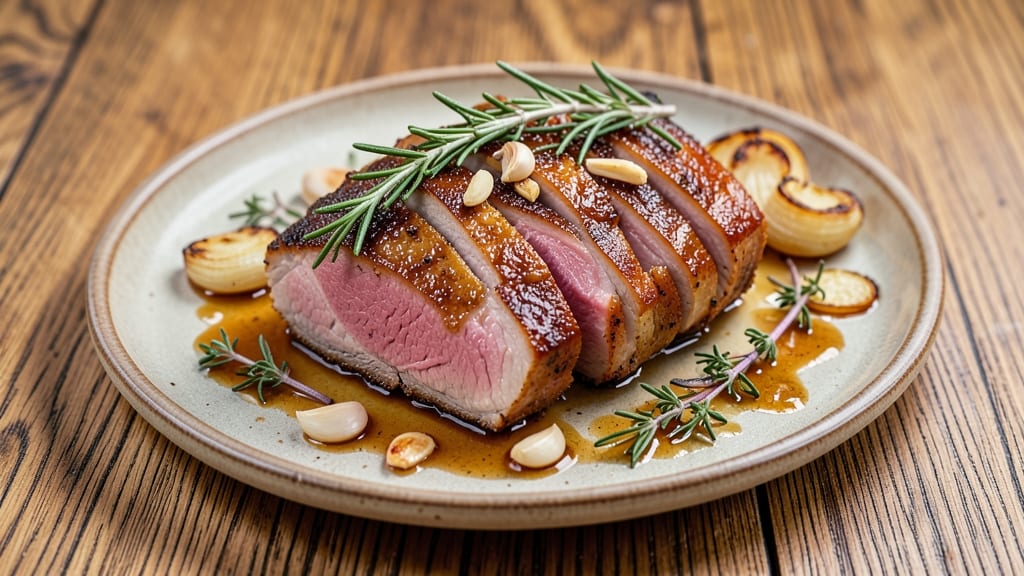
This center pork roast recipe delivers melt-in-your-mouth tenderness that transforms a simple Sunday dinner into a showstopping centerpiece. 🔥 As someone who's cooked thousands of pounds of pork weekly, I know the secret lies in slow roasting and proper seasoning—techniques that elevate humble pork into something extraordinary.
The key is patience: letting the meat cook low and slow until it's so tender it practically falls apart at the touch.
What makes this recipe work is the combination of dry-brining overnight and a simple yet flavorful herb crust that locks in moisture while creating a beautiful golden-brown exterior. I developed this method after years of perfecting roasts for my restaurant, where we serve hundreds of pounds weekly.
The result? Juicy, flavorful pork that's perfect for feeding a crowd or enjoying as a special family meal.
By the time you pull this roast from the oven, you'll have perfectly tender meat with an internal temperature of 145°F—no guessing, no dryness. The crust will be crisp enough to hold its shape when sliced, while the interior remains moist and rich.
This is the kind of pork roast that makes people ask for seconds before they even taste it.
The best part? This technique works equally well for holiday dinners or weeknight meals. Serve with classic sides like mashed potatoes, roasted vegetables, or a fresh green salad to complete the meal. Let's get started on creating your most impressive pork roast yet.
Ingredients for center pork roast
Six ingredients transform ordinary pork into restaurant-quality centerpiece roast.
| Ingredient | Amount | Notes |
|---|---|---|
| Center Cut Pork Loin Roast 🥩 | 4 lb | Bone-in for best flavor |
| Kosher Salt 🧂 | 1 ½ tbsp | Diamond Crystal preferred |
| Freshly Ground Black Pepper 🌶️ | 1 tbsp | Freshly cracked for best flavor |
| Fresh Rosemary 🌿 | ¼ cup | Finely chopped, stems removed |
| Fresh Thyme 🌿 | ¼ cup | Leaves only, finely chopped |
| Garlic Cloves 🧄 | 6 cloves | Smashed, not minced |
| Extra-Virgin Olive Oil 🫒 | ¼ cup | For crust and basting |
| All-Purpose Flour 🌾 | ½ cup | For herb crust |
| Unsalted Butter 🧈 | ½ cup | Cold, cubed for crust |
| Fresh Sage Leaves 🌿 | ¼ cup | Finely chopped, for crust |
| Apple Cider Vinegar 🍎 | ¼ cup | For dry brine |
| Brown Sugar 🍚 | 1 tbsp | Lightly packed |
The pork cut matters most—center-cut loin delivers the perfect balance of tenderness and fat distribution. Costco and Whole Foods carry excellent bone-in options, but any butcher can trim it to your preference. Look for good marbling (white flecks of fat) and avoid cuts with excessive silver skin. I always ask for a 4-pound roast—big enough for leftovers but not so large it dries out. The bone-in version stays juicier during roasting, and you get extra flavor from the rendered fat. If you can't find bone-in, use a boneless loin but increase the roasting time by 15-20 minutes.
No fresh rosemary? Dried works at one-third the amount—just crush it between your palms first to release the oils. Short on thyme? Oregano is a decent swap, though it'll change the flavor profile slightly. The apple cider vinegar in the brine might seem odd, but it tenderizes the meat and adds subtle depth. For the crust, Panko breadcrumbs can replace flour if you prefer extra crunch. Want to skip the butter in the crust? Use olive oil instead—just reduce it to 0.25 cup. The brown sugar caramelizes beautifully during roasting, giving that perfect golden crust without being overly sweet.
Prep the roast the night before—pat it dry, apply the dry brine, and refrigerate uncovered on a wire rack. This keeps the surface dry for better crust adhesion. The herb crust can be prepped ahead and stored in the fridge for 2 days—just press it gently onto the roast right before roasting. Leftovers reheat beautifully: slice against the grain and warm in a 350°F oven for 15-20 minutes with a splash of broth. For make-ahead meals, portion and freeze raw roasts (unbrined) for up to 3 months—just add 30 minutes to the roasting time.
Why You'll Love This Recipe
- Minimal Prep Required: I swear by this one—just salt, pepper, and herbs. No marinades, no fuss. You can have it ready while you’re still deciding what to watch on TV.
- Herb-Packed Perfection: That rosemary and thyme? They cling to the pork like it’s their job. The crust gets fragrant and slightly crispy, while the inside stays juicy—no dryness in sight.
- Leftovers That Don’t Suffer: Between us, this roast tastes even better the next day. Slice it thin for sandwiches or toss it into salads—every bite still feels special, not sad.
- Budget-Friendly Crowd Pleaser: A single roast feeds four (or two hungry teens). The center cut stays tender without breaking the bank, and the flavors make it feel like a restaurant meal for half the price.
Step-by-step instructions for center pork roast
Here's how to transform a simple pork roast into melt-in-your-mouth perfection.
👨🍳 Step 1: Dry Brine the Pork for Maximum Flavor
Pat the 4 lb Center Cut Pork Loin Roast completely dry with paper towels—this is critical for crispy skin. In a small bowl, whisk together the 1.5 tbsp Kosher Salt, 1 tbsp Freshly Ground Black Pepper, 0.25 cup Apple Cider Vinegar, and 1 tbsp Brown Sugar. Rub this mixture all over the pork, including the cavity if your roast has one.
Place the roast on a wire rack set over a baking sheet (no need to cover) and refrigerate for 12-24 hours. This dry brine process seasons deeply and helps create that irresistible crust. I like to set a timer so I don't forget about it—this step makes all the difference in the final texture and flavor.
👨🍳 Step 2: Prepare the Herb Butter Crust
While the pork brines, make the herb butter crust. In a food processor, pulse together the 0.5 cup All-Purpose Flour, 0.25 cup Fresh Rosemary, 0.25 cup Fresh Thyme, 0.25 cup Fresh Sage Leaves, and the 6 cloves Garlic Cloves until finely ground. Add the 0.5 cup Unsalted Butter (cold and cubed) and pulse until the mixture resembles coarse crumbs.
Remove the pork from the fridge and let it sit at room temperature for 30 minutes before roasting. Pat it dry again, then spoon the herb butter mixture all over the roast, pressing it gently into the surface. Drizzle with the 0.25 cup Extra-Virgin Olive Oil to help the crust adhere. This crust will give you that beautiful golden-brown exterior while keeping the meat juicy inside.
🔥 Step 3: Roast to Perfect Doneness
Preheat your oven to 325°F. Place the roast on a rack in a roasting pan (fat-side up if possible) and roast for 2 hours. Here's where the magic happens: after 2 hours, increase the heat to 425°F and continue roasting for another 20-30 minutes until the internal temperature reaches 145°F and the crust is deep golden brown.
I check the temperature using a meat thermometer inserted into the thickest part of the roast—don't rely on time alone. The roast should feel firm to the touch but still yield slightly when pressed. The high heat at the end creates that beautiful crust while keeping the interior juicy. If the crust starts to brown too quickly, tent it loosely with foil to prevent burning.
⏰ Step 4: Rest for Juicy Slices
Transfer the roast to a cutting board and let it rest for 15-20 minutes before slicing. This resting period is absolutely crucial—it allows the juices to redistribute throughout the meat so every slice stays moist and flavorful. I know it's tempting to cut into it immediately, but trust me on this step.
While it rests, tent it loosely with foil to keep it warm. The temperature will rise about 5°F during resting, so don't worry if it's not quite at 145°F when you take it out. Use this time to gather your serving dishes and prepare any sides—you'll want to serve this roast immediately while it's at its peak tenderness.
Pro Tips For Making Center Pork Roast
- USE A MEAT THERMOMETER: The pork loin’s done when it hits 145°F internally—not when it looks cooked. I learned this the hard way after slicing into a roast that was still gray inside. No one wants rubbery pork, so don’t guess.
- SALT THE ROAST 24 HOURS EARLY: Generously coat the pork with salt (about 1 tsp per pound) and let it sit uncovered in the fridge. This seasons deeper and keeps the surface dry for that perfect crust. I used to salt right before cooking, and the flavor never stuck the same way.
- DON’T OVERCROWD THE PAN: If you’re searing the roast, give it space—no more than 2 inches between pieces—or the pan will steam instead of brown. I’ve seen home cooks jam roasts in like they’re cooking burgers, and the result is sad, pale pork. A hot pan and patience make all the difference.
- REST IT UNDER FOIL: After roasting, tent the pork with foil and let it sit for 10-15 minutes before slicing. This keeps it juicy and makes carving easier. I used to cut into it too soon, and the juices would pool on the plate instead of staying in the meat. (Yes, even if you’re impatient like me.)
Creative variations of this center pork roast
Southern BBQ Style
For a true Southern twist, swap the herb crust for a spiced brown sugar rub. Mix ½ cup brown sugar, 2 tbsp smoked paprika, 1 tbsp onion powder, 1 tbsp garlic powder, 1 tsp cayenne pepper, and 1 tsp black pepper.
Apply this generously before roasting, then baste with apple cider vinegar every 30 minutes during the low-and-slow cook. This method mimics the slow-smoked flavors of the Southeast, perfect for a weekend family feast. 🔥
Italian Herb & White Wine
Transform your roast into a rustic Italian-inspired dish by infusing the herb crust with white wine and Parmesan. After mixing the flour and herbs, stir in ¼ cup dry white wine and ½ cup grated Parmesan cheese before adding the butter.
The wine adds brightness while the cheese creates a rich, savory crust. Pair with a rosemary-infused white wine sauce for an authentic touch.
Honey-Glazed Asian Fusion
Create a sweet-savory fusion by brushing the roast with a honey-soy glaze during the final 20 minutes of roasting. Mix ¼ cup honey, 2 tbsp soy sauce, 1 tbsp rice vinegar, and 1 tsp grated ginger.
This glaze caramelizes beautifully, creating a sticky, glossy finish that balances the pork's richness. Garnish with sliced scallions and sesame seeds for a modern twist.
Breakfast-Style Pork Roast
Turn your center pork roast into a morning centerpiece by adding a maple-mustard crust. Replace the herb butter with a mix of ½ cup Dijon mustard, ¼ cup maple syrup, and 2 tbsp chopped fresh thyme.
Roast as directed, then slice and serve with scrambled eggs and crispy hash browns for a brunch-worthy meal. The sweet and tangy flavors make this perfect for weekend gatherings.
Herb & Mustard with Crispy Onions
Elevate the classic herb crust with caramelized onions for extra depth. Sauté 2 cups thinly sliced yellow onions in 2 tbsp butter until golden brown, then mix into the herb butter crust before applying to the roast.
The onions add a sweet, jammy texture that pairs beautifully with the pork. Top with extra onions before serving for a restaurant-quality presentation.
Spicy Chipotle & Lime
Add a smoky kick by incorporating chipotle peppers into the dry brine. Mix 1 tbsp adobo sauce (from canned chipotles) with the apple cider vinegar and brown sugar. After roasting, squeeze fresh lime juice over the slices and garnish with chopped cilantro.
This variation delivers a perfect balance of heat, tang, and smokiness—ideal for those who love bold flavors. 🌶️
Nutrition facts
Frequently asked questions
What's the best cut of pork for this roast?
A center-cut pork loin roast (bone-in preferred) is ideal for this recipe. It delivers the perfect balance of tenderness and fat distribution. Look for good marbling and avoid cuts with excessive silver skin. If you can't find bone-in, use boneless loin but increase roasting time by 15-20 minutes. The bone helps keep the meat moist during roasting.
Why do I need to dry brine the pork overnight?
The dry brine process (salting and vinegar mixture) works magic by seasoning deeply and creating that irresistible crust. It also helps tenderize the meat while keeping it juicy. Skipping this step can result in bland flavor and less crispy skin. The 12-24 hour window ensures perfect penetration of seasonings.
Can I cook this roast without a meat thermometer?
While challenging, you can use the "finger test" as a backup. After the initial 2-hour roast at 325°F, increase to 425°F and check doneness by pressing the roast gently. It should feel firm but still yield slightly when pressed. The crust should be deep golden brown. For best results, invest in a meat thermometer—it ensures perfect doneness every time.
How do I prevent the roast from drying out?
Start with a properly brined roast and avoid overcooking. Use a meat thermometer to pull it at 145°F internal temperature. The two-stage roasting method (low and slow, then high heat) keeps the meat juicy while creating a crispy crust. Also, let it rest for 15-20 minutes before slicing—this redistributes juices for maximum moisture.
What are the best sides to serve with this roast?
Classic pairings include creamy mashed potatoes, roasted seasonal vegetables, or a fresh green salad. For a Southern twist, try buttermilk biscuits or apple sauce. The herb crust works beautifully with rosemary potatoes or caramelized onions. The key is balancing rich and light flavors to complement the pork's depth.