
Main Courses
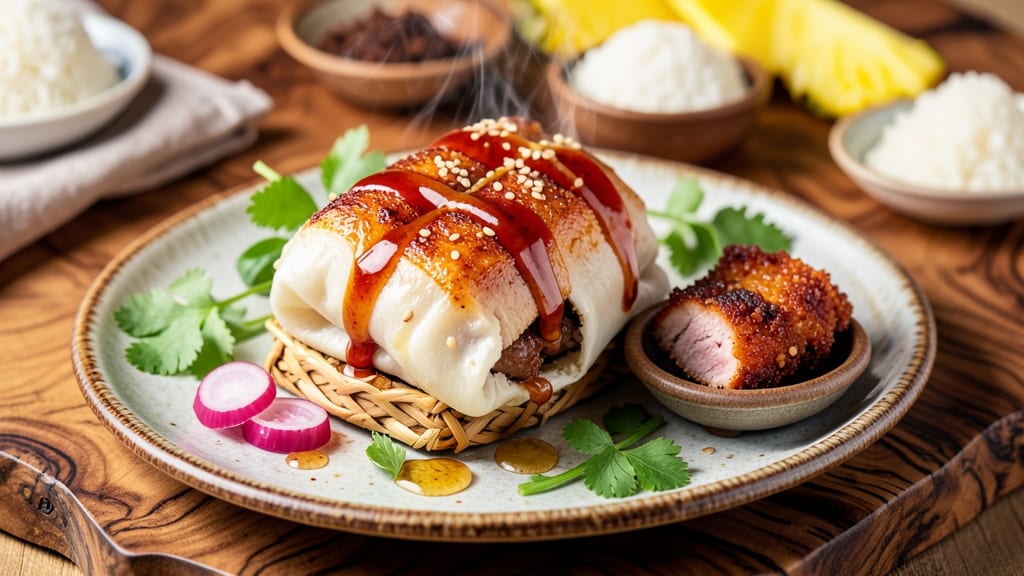
This Char Siu pork bun recipe delivers the perfect balance of tender, sweet-savory pork wrapped in pillowy buns—just like Hong Kong's legendary street stalls. 🔥 The secret lies in the five-spice marinade and sticky glaze that transforms simple pork shoulder into something unforgettable.
I've perfected this Cantonese classic through years of testing, ensuring the pork stays juicy while developing that signature caramelized crust.
The process begins with marinating pork shoulder in a fragrant blend of five-spice powder, honey, and hoisin, then roasting it until the glaze becomes irresistibly sticky. Meanwhile, the buns get their signature texture—soft, slightly chewy dough that steams to perfection.
What makes this recipe special is how the flavors come together: the aromatic pork, the fluffy buns, and the contrast of sweet-savory glaze in every bite.
By the time you're done, you'll have restaurant-quality pork buns that transport you straight to Hong Kong's bustling streets. The pork remains tender and flavorful, while the buns stay soft and pillowy.
This is comfort food at its finest—perfect for brunch, lunch, or even a special dinner when you want to impress.
Whether you're making these for a family gathering or a weekend treat, they're worth every minute. Serve with hoisin sauce and chili oil for dipping, and watch them disappear. Let's get started on creating this Cantonese masterpiece!
Ingredients for char siu pork bun
Twelve ingredients transform simple pork into restaurant-worthy Cantonese masterpieces.
| Ingredient | Amount | Notes |
|---|---|---|
| Pork Shoulder (Bone-In) 🥩 | 3 lb | Thinly sliced against grain for tenderness |
| Five-Spice Powder 🌶️ | 2 tbsp | Authentic Chinese blend preferred |
| Hoisin Sauce 🍶 | ½ cup | Store-bought or homemade for depth |
| Honey 🍯 | ½ cup | Wildflower or clover for floral notes |
| Soy Sauce 🍶 | ½ cup | Dark soy for color enhancement |
| Brown Sugar 🍚 | ½ cup | Packed firmly for accuracy |
| Garlic Cloves 🧄 | 8 cloves | Minced for aromatic punch |
| Fresh Ginger 🌿 | ½ cup | Julienned for zesty brightness |
| Sesame Oil 🫒 | 1 tbsp | Toasted for nutty aroma |
| Baking Soda 🧪 | ½ tsp | For tenderizing pork |
| Pork Buns Dough 🍞 | 1 package | Store-bought or homemade |
| Hoisin Sauce (for dipping) 🍶 | ¼ cup | Extra for serving |
| Chili Oil 🌶️ | ¼ cup | For spicy dipping contrast |
The pork shoulder is non-negotiable—bone-in stays juicier. Look for well-marbled cuts at Asian markets or butcher shops; Costco or Whole Foods often carry excellent options. Five-spice powder is the soul of Char Siu—Penzeys or King's Supermarket carry authentic blends. For hoisin sauce, Lee Kum Kee is the gold standard, but any quality brand works. Thinly slice the pork against the grain—this is your secret to melt-in-your-mouth texture. The baking soda might seem odd, but it tenderizes beautifully (don't skip it!).
No five-spice powder? Mix 1 tsp cinnamon, 1 tsp fennel seeds, 1 tsp cloves, 1 tsp star anise, and 1 tsp black pepper—toast the spices first for deeper flavor. Substitute dark soy sauce with regular soy plus a pinch of molasses for color. Honey too expensive? Maple syrup works in a pinch, though it has a different finish. For the buns, store-bought dough (like from Trader Joe's) saves time, but homemade yields superior texture. The chili oil can be homemade (chili flakes + oil) or store-bought—Lao Gan Ma is my go-to for that signature heat.
Marinate the pork overnight for maximum flavor infusion. The glaze develops best when roasted uncovered in the last 10 minutes—watch closely for that caramelized crust. Buns should steam for exactly 10 minutes post-stuffing to maintain their pillowy perfection. Store leftover pork in the fridge for 3 days or freeze for 3 months—it reheats beautifully. Buns freeze well too, but steam from frozen for slightly longer. Serve with extra hoisin and chili oil for that authentic street-food experience.
Why You'll Love This Recipe
- Five-Spice Magic: The moment that five-spice powder hits the pork shoulder, you’ll know you’re onto something special. That warm, aromatic punch—star anise, cinnamon, cloves—lingers like a hug, and the honey-soy glaze caramelizes into sticky perfection. It’s the kind of flavor that makes you want to eat it straight off the bone (yes, I’ve been there).
- One-Pan Miracle: Between us, this recipe is my lazy-day hero. You marinate the pork overnight, then roast it on a single sheet pan—no flipping, no fuss. The bone-in shoulder stays juicy while the edges crisp, and cleanup? Just one pan, one spatula, and you’re done. Honestly, I’ve made it three times in a row when my kids had soccer practice.
- Leftover Goldmine: Let’s talk about the leftovers. That char siu pork? It’s better the next day. Slice it thin for buns, toss it into fried rice, or pile it onto noodles—it’s the ultimate pantry player. I keep a jar in my fridge just for emergencies (read: when I’m too tired to cook). It’s my secret weapon for busy nights.
- Budget-Friendly Feast: Pork shoulder is cheap, and this recipe stretches it far. You get tender, flavorful meat that feeds a crowd without breaking the bank. Plus, the marinade costs pennies—just five-spice, hoisin, honey, and soy. I’ll be real: it’s the kind of dish that makes me feel like I’m serving restaurant-quality food while still keeping my wallet happy.
Step-by-step instructions for char siu pork bun filling
Here's how to transform that 3 lb pork shoulder into sticky, aromatic char siu that melts in your mouth.
🔥 Step 1: Marinate the Pork Shoulder Overnight
In a large mixing bowl, combine the 3 lb pork shoulder (bone-in), 2 tbsp five-spice powder, 0.5 cup hoisin sauce, 0.5 cup honey, 0.5 cup soy sauce, 0.5 cup brown sugar, 8 minced garlic cloves, 0.5 cup julienned fresh ginger, 1 tbsp sesame oil, and 0.5 tsp baking soda. Use your hands to work the marinade deep into the meat, coating every surface. The baking soda helps tenderize the pork while the five-spice creates that signature aromatic profile.
Transfer the marinated pork to a resealable plastic bag, pressing out as much air as possible. Refrigerate for at least 12 hours (I prefer 24 hours) to let the flavors penetrate deeply. This long marinade is what gives char siu its signature tenderness and complex flavor. Don't skip this step—it's what makes the difference between good and restaurant-quality char siu.
🔥 Step 2: Roast the Pork Shoulder Low and Slow
Preheat your oven to 300°F. Remove the pork from the fridge and let it sit at room temperature for 30 minutes before cooking. Place the marinated pork on a wire rack set inside a rimmed baking sheet to allow air circulation on all sides. Roast for 3 hours, then increase the temperature to 375°F and continue roasting for another 1-2 hours until the internal temperature reaches 203°F and the meat is fork-tender.
Here's the thing—you want the pork to be fall-apart tender. The low-and-slow method ensures the connective tissue breaks down completely while the marinade caramelizes into a sticky glaze. Baste the pork with its own juices every 30 minutes to build that glossy exterior. If the glaze starts to dry out, add a splash of water to the baking sheet to create steam and keep the meat moist.
🔪 Step 3: Slice the Pork Against the Grain
Once the pork reaches 203°F, remove it from the oven and let it rest for 15 minutes. This resting period allows the juices to redistribute throughout the meat. Locate the grain direction—you'll see lines running through the meat—and slice the pork against the grain into ¼-inch thick slices. This cutting technique ensures each bite is tender and easy to chew.
As you slice, you'll notice the pork has developed a beautiful mahogany color with a glossy, sticky glaze that clings to every piece. This is the signature char siu finish we're after. The slices should be moist but not falling apart—just tender enough to pull easily with your fingers. If the pork seems too dry, brush it lightly with a bit of the reserved marinade to restore moisture.
🥘 Step 4: Prepare the Pork Buns and Assemble
While the pork rests, prepare the pork buns dough according to the package instructions. Most store-bought doughs require a 30-minute rise at room temperature before shaping. Once risen, roll out the dough and cut into 12 equal circles (about 4 inches in diameter). Place a slice of char siu in the center of each bun and gently fold the dough over, sealing the edges tightly to create a half-moon shape.
Place the assembled buns on a parchment-lined baking sheet and let them rise again for 20-30 minutes until puffy. Bake at 375°F for 12-15 minutes until golden brown. The buns should have a crispy bottom and a soft, pillowy top. As they bake, the heat will transform the char siu slices into something even more flavorful, with the steam from the buns infusing the pork with an extra layer of aroma.
🍽️ Step 5: Serve with Dipping Sauces
Remove the buns from the oven and let them cool for 5 minutes before serving. Arrange them on a platter, brushing each with a light coat of hoisin sauce for extra shine. Serve immediately with small bowls of 0.25 cup hoisin sauce and 0.25 cup chili oil for dipping. The contrast of sweet, sticky char siu with the tangy heat of chili oil is what makes this dish truly unforgettable.
Each bite should deliver a perfect balance of tender pork, aromatic five-spice, and that signature sticky glaze. The buns should be soft and slightly crispy at the edges, with the char siu filling peeking out just enough to tempt your next bite. This is the kind of dish that gets better as you share it—everyone will want seconds.
Pro Tips For Making Char Siu Pork Bun
- Marinate Bone-In Pork Overnight: I learned this the hard way—skipping the overnight soak means the meat stays tough and dry. Five-spice powder needs time to penetrate, and the bone-in shoulder benefits from extra hydration, especially if you’re grilling or roasting it later. Cover it tightly and let it sit in the fridge for at least 12 hours.
- Use a Mix of Wet and Dry Heat: High heat for the crust, low heat for the center—this is non-negotiable. Start with a screaming-hot grill or oven (450°F/230°C) to caramelize the hoisin-honey glaze, then drop the temp to 325°F (160°C) to finish cooking the meat. The glaze burns fast; keep an eye on it.
- Skip the Crowding in the Pan: I was skeptical until I tried it—char siu pork needs space to crisp, not steam. If you’re searing chunks in a pan, work in batches and don’t overfill it. Overcrowding turns your pork into soggy, flavorless logs instead of sticky, caramelized perfection.
- Save Time with a Glaze Shortcut: Mix hoisin, honey, and soy sauce in a 2:1:1 ratio (hoisin is the base) and thin it with a splash of water if needed. Store it in the fridge for up to a week—it’s way better than store-bought char siu sauce, and you’ll always have it ready for the next batch. (Yes, even if you’re impatient like me.)
Best sauces and condiments for this dish
Hoisin Sauce Magic
Hoisin sauce is the soul of char siu pork buns—it's the sweet, tangy glue that binds all the flavors together. I use Lee Kum Kee brand for its perfect balance of fermented soybean paste, garlic, and chili, but any quality hoisin will work.
For extra depth, I like to reduce ¼ cup hoisin with 1 tbsp honey in a small saucepan until it thickens slightly before brushing it on the finished buns. This creates a glossy finish that makes them look restaurant-worthy. 🍶
Chili Oil Contrast
The right chili oil transforms char siu pork buns from good to unforgettable. I reach for Lao Gan Ma brand for its perfect balance of heat and smokiness, but homemade versions work too.
For a quick homemade version, simmer 2 tbsp chili flakes with 1 cup neutral oil for 5 minutes, then strain. The heat cuts through the sweetness of the pork while adding a smoky depth that complements the five-spice marinade.
Serve it warm in small bowls for dipping—it's the perfect finishing touch. 🌶️
Five-Spice Glaze Boost
To elevate your char siu, make a quick five-spice glaze by combining 1 tbsp five-spice powder, 1 tbsp honey, and 1 tsp soy sauce in a small bowl. Brush this glaze over the pork slices just before serving—it intensifies the aromatic flavors and adds a beautiful caramelized sheen.
I also like to sprinkle toasted sesame seeds on top right before serving for an extra crunch that contrasts beautifully with the soft buns. This glaze is especially effective if your pork lost some moisture during cooking. ✨
Sweet Plum Sauce
For a fruity contrast, try a homemade plum sauce made with ½ cup plum jam, 1 tbsp rice vinegar, and ½ tsp ginger. Simmer for 5 minutes until smooth, then strain. This sauce adds a bright, slightly tart element that balances the richness of the pork.
It's particularly good if you prefer something lighter than hoisin. I keep a small jar of this sauce in my fridge for quick char siu sessions—it's a game-changer for those who love fruity-savory combinations. 🍑
Scallion Oil Garnish
For a fresh, aromatic touch, make scallion oil by sautéing 4 green onions in ¼ cup neutral oil until fragrant, then straining. Drizzle this lightly over the finished buns just before serving. The mild onion flavor adds brightness without overpowering the char siu.
I also like to sprinkle toasted black sesame seeds on top for extra texture. This garnish is especially effective when serving to guests who prefer milder flavors. 💛
Spicy Mustard Dip
For a Western twist, mix ¼ cup Dijon mustard with 1 tbsp honey and 1 tsp sriracha to create a tangy, slightly spicy dip. This unexpected pairing adds a creamy contrast to the sticky, sweet pork.
I serve it on the side for those who want something different from traditional hoisin. It's a crowd-pleaser at my dinner parties—especially when paired with the char siu's rich, smoky flavors. 🔥
Nutrition facts
Frequently asked questions
Can I use pork tenderloin instead of pork shoulder?
Pork tenderloin works but won't develop the same rich, fall-apart texture as pork shoulder. If you must substitute, use a 2 lb tenderloin and reduce the marinating time to 6-8 hours (not overnight). The cooking time will also be shorter—1.5 hours at 300°F followed by 30 minutes at 375°F—but you'll lose that signature deep flavor from the connective tissue breakdown.
How do I make the buns extra fluffy?
For restaurant-style fluffiness, add ½ tsp instant yeast to your dough (if making from scratch) or use store-bought puff pastry instead of regular bun dough. Steam the buns in a bamboo basket lined with parchment paper for 12 minutes (instead of baking) to create that signature Cantonese texture. For extra rise, let the assembled buns proof in a warm oven with the light on for 20 minutes before final baking.
What's the best way to reheat leftover char siu pork buns?
Steam is your friend! Place buns in a bamboo steamer basket lined with parchment and steam for 5-7 minutes over boiling water. For extra crispiness, broil for 2 minutes at the end. Never microwave—it makes the buns rubbery. If reheating just the pork, wrap slices in foil and warm in a 350°F oven for 10 minutes to restore moisture without drying them out.
Can I make this recipe without five-spice powder?
Mix 1 tsp cinnamon, ½ tsp fennel seeds, ½ tsp cloves, ½ tsp star anise, and ½ tsp black pepper for a DIY version. Toast the spices in a dry pan for 1 minute until fragrant, then grind into a powder. For deeper flavor, add ½ tsp coriander and ¼ tsp cardamom. The blend will be slightly different but still delicious—just more complex than store-bought five-spice.
How do I fix char siu pork that's too dry?
Revive dry char siu by brushing with a mix of 2 tbsp hoisin sauce, 1 tbsp honey, and 1 tsp soy sauce, then warming in a 350°F oven for 10 minutes. For extra moisture, place slices in a bowl with 2 tbsp water and cover with foil for 5 minutes to steam. The pork should regain tenderness without losing its flavor. This trick works especially well if you've overcooked the pork or stored it too long.