
Main Courses
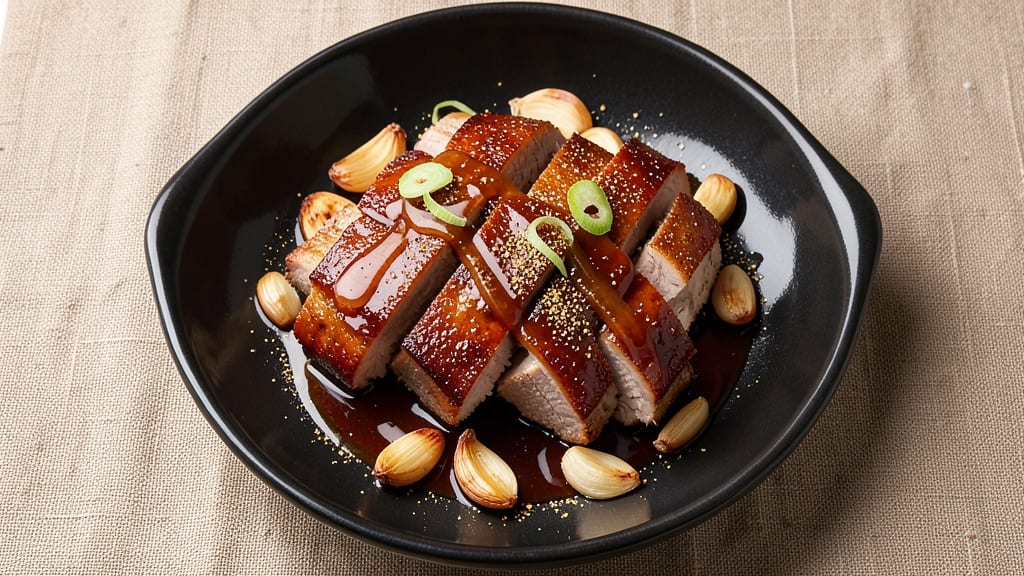
This Chinese oven-baked pork roast delivers the perfect balance of crispy bark and juicy core—a technique my grandmother perfected with just a few simple ingredients.
The secret lies in marinating the pork overnight, then roasting it at high heat to create that signature caramelized crust while keeping the inside tender. I've adapted this recipe to work in any home oven, making it accessible without sacrificing restaurant-quality results.
What sets this dish apart is the combination of soy sauce, honey, and five-spice powder in the marinade, which infuses the meat with deep, aromatic flavors. The roasting process transforms the exterior into a golden, crackling bark while the interior remains succulent and flavorful.
This method is foolproof—no complicated techniques, just patience and attention to timing.
By the time you pull this pork from the oven, you'll have a dish that's rich with savory-sweet notes and a texture that's impossible to resist. The aroma alone will have everyone gathering around the table.
Serve it with steamed jasmine rice and quick-pickled vegetables for a complete meal that feels special yet simple to prepare.
This recipe transforms a simple cut of pork into a showstopper that's perfect for family dinners or special occasions. The beauty of it is that once you master the technique, you can adapt it to other cuts of meat or adjust the seasoning to suit your taste.
Here's how to make it—step by step, just like my grandmother taught me.
Ingredients for chinese pork roast recipe oven
Nine essential ingredients transform simple pork into restaurant-worthy crispy bark and juicy perfection.
| Ingredient | Amount | Notes |
|---|---|---|
| Pork Shoulder Roast 🐖 | 3 lb | Bone-in preferred for juiciness |
| Soy Sauce 🍶 | ½ cup | High-quality, low-sodium preferred |
| Honey 🍯 | ¼ cup | Wildflower for floral notes |
| Five-Spice Powder 🌶️ | 2 tbsp | Authentic Chinese blend |
| Garlic Cloves 🧄 | 6 cloves | Minced for marinade |
| Fresh Ginger 🌿 | 1 tbsp | Grated, aromatic |
| Sesame Oil 🫒 | 1 tbsp | Toasted, for depth |
| Brown Sugar 🍬 | ¼ cup | Dark variety for caramelization |
| Cornstarch 🌾 | 2 tbsp | For crispy coating |
| Neutral Oil 🫒 | 2 tbsp | Avocado or vegetable |
| Diamond Crystal Kosher Salt 🧂 | 1 ½ tsp | For seasoning |
| Fresh Star Anise 🌟 | 2 pieces | Optional aromatic touch |
| Black Peppercorns 🌶️ | 1 tsp | Freshly cracked |
| Rice Vinegar 🍶 | 1 tbsp | Balances sweetness |
The pork shoulder is non-negotiable—bone-in stays juicier, and Costco or Whole Foods have great cuts. Look for good marbling and vibrant color. Five-spice powder is the soul of this dish, so buy it from an Asian market if you can—Penzeys has a good blend too. Fresh ginger and star anise add layers of warmth; grate the ginger yourself for maximum aroma. For the soy sauce, Kikkoman is reliable, but Lee Kum Kee adds extra depth. If you're feeling fancy, add a splash of Shaoxing wine to the marinade—it’s worth the splurge.
No five-spice powder? Mix cinnamon, cloves, fennel, star anise, and Szechuan peppercorn in equal parts. Honey too expensive? Maple syrup works 1:1. Short on time? Overnight marinade is ideal, but 4 hours minimum still works. The cornstarch coating is what creates that signature crispy bark—don’t skip it. For extra shine, brush the pork with a little egg white before roasting. And if you’re worried about the pork being too fatty, pat it dry thoroughly before marinating to help the crust form better.
Marinate the pork in the fridge for at least 4 hours, up to 24 hours—the longer it sits, the deeper the flavor. Once roasted, let it rest 15-20 minutes before slicing; this keeps it juicy. The leftovers reheat beautifully—just cover with foil and warm in a 300°F oven for 20 minutes. Store in an airtight container for up to 5 days or freeze for 3 months. The crispy bark softens when reheated, so plan to serve it fresh if you can. Pair with steamed jasmine rice and quick-pickled veggies for the full experience.
Why You'll Love This Recipe
- One-Pan Magic: I swear by this recipe—just toss the pork, garlic, and spices on a sheet pan, and let the oven do the work. No chopping boards, no extra pots, just hands-off perfection.
- Sweet-Savory Balance: That honey-soy glaze? It’s where this dish gets its soul—sticky, caramelized edges with a hint of five-spice warmth. The garlic cloves roast right into the meat, so every bite packs flavor.
- Weeknight Hero: Between us, this is my go-to when I’m too tired to think. The leftovers reheat like a dream (yes, even the next day), and it’s the kind of dish that makes dinner feel special without the fuss.
- Budget-Friendly Feast: Pork shoulder stretches farther than you’d think, and the ingredients cost next to nothing. I’ve fed six people for under $15—plus, the sauce makes it feel fancy without breaking the bank.
Step-by-step instructions for Chinese oven-baked pork roast
Let's create a showstopping pork roast with irresistible crispy bark and melt-in-your-mouth tenderness.
Prepare the Signature Marinade
In a medium bowl, whisk together the 0.5 cup soy sauce, 0.25 cup honey, 2 tbsp five-spice powder, 1 tbsp toasted sesame oil, 1 tbsp rice vinegar, 0.25 cup brown sugar, 2 pieces fresh star anise, and 1 tsp freshly cracked black peppercorns. The star anise will infuse subtle licorice notes while the five-spice blend creates that signature aromatic complexity.
Add the 6 minced garlic cloves and 1 tbsp freshly grated ginger to the marinade. The ginger should be finely grated to release its essential oils fully. Stir until everything is completely dissolved - you want a thick, syrupy marinade that will cling beautifully to the pork. Let this mixture sit at room temperature for 10 minutes to allow the spices to bloom and develop their full flavor potential.
Coat and Rest the Pork
Pat the 3 lb pork shoulder roast completely dry with paper towels - this is absolutely critical for developing that perfect crispy bark. Place the pork in a large resealable plastic bag and pour the marinade over it, making sure it coats all sides thoroughly. Seal the bag and massage the pork gently to ensure even distribution of the marinade.
Refrigerate the pork for at least 4 hours, or ideally overnight. This long marinating time allows the flavors to deeply penetrate the meat while the cornstarch in the marinade begins to create that signature crispy exterior. After marinating, remove the pork from the refrigerator and let it sit at room temperature for 30 minutes before roasting to ensure even cooking throughout.
Build the Crispy Coating
In a small bowl, combine the 2 tbsp cornstarch with 1.5 tsp diamond crystal kosher salt. This mixture will create the crispy, caramelized bark that's the hallmark of this dish. Pat the pork dry once more with paper towels to remove any excess marinade, then rub the cornstarch-salt mixture all over the surface, pressing it into the meat so it adheres well.
Heat 2 tbsp neutral oil in a large oven-safe skillet over medium-high heat until shimmering. Carefully place the pork in the skillet, fat-side up, and sear for 3-4 minutes until the bottom develops a deep golden-brown crust. Flip the pork and sear the other side for another 3-4 minutes. This initial searing locks in juices and creates the foundation for that incredible bark.
Roast to Perfection
Preheat your oven to 325°F. Transfer the skillet with the pork to the oven and roast for 2 hours, or until the internal temperature reaches 195-200°F when measured with a meat thermometer. The pork should be fork-tender at this stage, with the internal temperature continuing to rise as it rests.
Here's the secret: about 30 minutes before the pork is done, increase the oven temperature to 425°F. This final high-heat burst creates that signature crispy bark while keeping the interior beautifully juicy. The pork is done when it reaches 205°F internally - this probe-tender stage ensures every bite is melt-in-your-mouth delicious.
Rest and Slice
Remove the pork from the oven and transfer it to a cutting board. Tent loosely with aluminum foil and let it rest for 20-30 minutes. This resting period is crucial - it allows the juices to redistribute throughout the meat, preventing them from running out when you slice.
Slice the pork against the grain into ½-inch thick slices. The meat should be so tender it practically falls apart with gentle pressure, while the exterior boasts that irresistible crispy bark. Serve immediately with steamed jasmine rice and your favorite stir-fried vegetables to complete this authentic Chinese feast.
Pro Tips For Making Chinese Pork Roast Recipe Oven
- CRANK THE HEAT FIRST: Start your pork shoulder roast in a screaming-hot oven (450°F/230°C) for the first 20 minutes—yes, even if your oven takes forever to preheat. That initial blast caramelizes the honey and soy sauce into a sticky, flavor-packed crust before the meat ever hits the slow-cook phase. I learned this the hard way after serving dry-edged pork because I played it safe with medium heat.
- SLASH THE FAT CAP: Trim the thickest fat layer off the pork shoulder before seasoning—about ¼-inch thick. Too much fat renders unevenly in the oven, leaving you with greasy drippings that dilute the five-spice and soy flavors. Use that trimmed fat for basting later, though. Waste not, just less soggy crust.
- DON’T DROWN THE GARLIC: Minced garlic burns faster than you’d think, so smash those cloves flat with the side of your knife instead of chopping them. Tuck them under the skin of the pork shoulder where they’ll cook gently in their own juices, infusing flavor without turning bitter. I used to toss them on top and ended up with a bitter, charred mess—don’t make my mistake.
- BASTE WITH THE DRIPPINGS: Every 30 minutes after the initial sear, pull the roast out and spoon that honey-soy glaze back onto the meat—no need to add extra sauce. The reduced drippings in the pan are already packed with flavor, and this keeps the exterior sticky and caramelized. Lazy? Set a timer and let the oven do the work, but the results won’t be as rich.
Perfect pairings for this chinese pork roast recipe oven
Rice Pairings
Jasmine rice is the classic choice—its delicate floral aroma complements the pork's rich, caramelized flavors beautifully. I cook 1 cup jasmine rice with 1.5 cups water and ½ tsp salt, steaming until tender and fluffy.
The grains should be separate but still hold their shape, soaking up the pork's juices like a sponge. For extra authenticity, add a pinch of pandan leaf to the cooking water—it adds a subtle, fragrant note that pairs perfectly with the five-spice marinade. 🌾
Quick-Pickled Veggies
Bright, tangy pickles cut through the richness of the pork and add a refreshing crunch. My go-to mix uses ½ cup rice vinegar, 1 tbsp sugar, 1 tsp salt, and 1 tsp red pepper flakes, tossed with 2 cups thinly sliced cucumbers and carrots.
Let it sit for at least 30 minutes before serving—this gives the veggies time to absorb the flavors. For a quicker version, use store-bought pickles from an Asian market, like Kikkoman Quick Pickles, which are already perfectly balanced. 🥒
Stir-Fried Greens
Garlicky greens add a vibrant contrast to the pork's deep flavors. I love using bok choy or gai lan (Chinese broccoli), stir-fried with 2 minced garlic cloves, 1 tsp soy sauce, and a splash of sesame oil.
Cook them just until tender-crisp—about 2-3 minutes—so they retain their bright color and satisfying bite. For extra depth, add a dash of oyster sauce at the end, which enhances the umami notes in the pork. 🥬
Cucumber Salad
A light, cooling cucumber salad balances the meal's richness. Thinly slice 2 Persian cucumbers and toss with 1 tbsp rice vinegar, 1 tsp sugar, ½ tsp salt, and 1 tsp toasted sesame seeds.
Let it chill for 15 minutes before serving—this allows the flavors to meld and the cucumbers to soften slightly, creating a refreshing counterpoint to the pork's bold taste. For a smoky twist, add a crushed red pepper flake to the mix. 🥒
Dipping Sauces
No Chinese meal is complete without a dipping sauce! My favorite is a simple blend of 2 tbsp soy sauce, 1 tbsp honey, 1 tsp rice vinegar, and a dash of sesame oil.
For extra heat, add ½ tsp chili crisp or a few drops of Sriracha. This sauce enhances the pork's flavors while adding a sweet-tangy kick. Store it in a small bowl at the table so everyone can dip their slices—it’s always the first thing to disappear! 🍶
Dessert Pairings
End the meal with something light and sweet, like lychee sorbet or mango sticky rice. The fruity, refreshing notes cleanse the palate after the savory pork.
For a no-fuss option, serve coconut milk pudding with toasted sesame seeds sprinkled on top—it’s creamy, comforting, and pairs beautifully with the meal's bold flavors. If you want to keep it simple, even a bowl of fresh fruit like mandarins or dragon fruit** works perfectly. 🍍
Nutrition facts
Frequently asked questions
Can I use a different cut of pork instead of pork shoulder?
Pork shoulder is ideal because of its fat content and collagen, which create that signature crispy bark and tender texture. However, you can use pork butt (they're essentially the same cut) or pork loin in a pinch. Just note that loin will be leaner and may not develop as much crispiness—pat it extra dry and increase the cornstarch coating to 3 tbsp to compensate. Never use tenderloin as it lacks the fat and connective tissue needed for this dish.
How do I know when the pork is fully cooked?
Use a meat thermometer to check the internal temperature—it should reach 205°F in the thickest part. The pork will continue rising to 210°F as it rests, giving you that perfect probe-tender texture. If you don't have a thermometer, cut into the thickest part: the juices should run clear, and the meat should pull apart easily with two forks. Never guess with pork safety!
Can I make this recipe without five-spice powder?
Mix 1 tsp cinnamon, ½ tsp cloves, ½ tsp fennel seeds, ¼ tsp star anise, and ¼ tsp Szechuan peppercorn to mimic the blend. For warmth, add ½ tsp ground ginger as well. The key is balancing sweet, spicy, and aromatic notes—taste as you go! This homemade version will still give you that signature depth, just with slightly different complexity.
Why does my pork turn out dry even after resting?
This usually happens from overcooking or not resting properly. First, check your internal temperature—205°F is the sweet spot. If you cooked it too long, try this fix: slice the pork thinly against the grain, then quickly pan-sear the slices in 1 tbsp oil for 1-2 minutes per side to revive the exterior. Also, always rest the pork 20-30 minutes before slicing—this lets juices redistribute. For extra moisture, baste the pork with its own pan juices every 30 minutes during roasting.
Can I prepare this pork roast ahead of time?
Yes! Cook the pork as directed, then let it cool completely. Store in an airtight container in the fridge for up to 5 days or freeze for 3 months. To reheat, cover with foil and warm in a 300°F oven for 20-30 minutes until heated through. The crispy bark will soften slightly, so plan to serve it fresh if possible. For leftovers, slice and pan-fry to restore some crispiness before serving.