
Sauces & Condiments
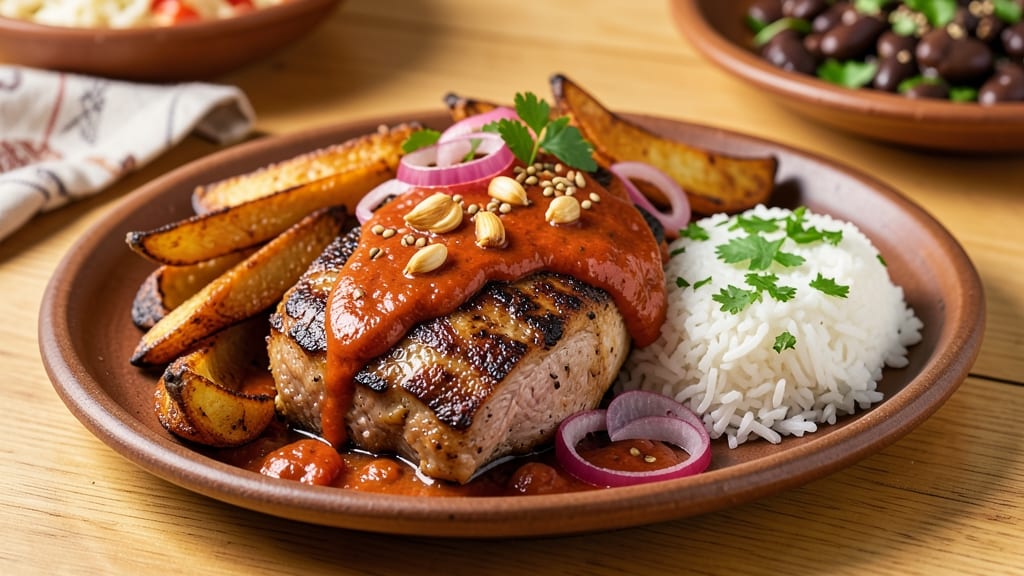
This Cuban pork seasoning recipe transforms simple pork into restaurant-quality masterpieces with just a few tablespoons of carefully balanced spices. The blend of cumin, oregano, and garlic powder creates that signature Cuban flavor profile—earthy, aromatic, and impossible to resist.
As someone who's judged barbecue contests across the Southeast, I can tell you this is the secret weapon behind the best lechón asado and mojo-marinated pork.
The magic happens in the precise measurements—each spice plays a role, from the deep warmth of cumin to the bright punch of black pepper. This dry rub works equally well on pork chops, roasts, or even pulled pork, ensuring moist, flavorful meat every time.
The blend cuts through fat beautifully, creating that perfect crust while keeping the interior tender. No liquid marinade needed—just apply the rub and let the spices work their magic during cooking.
What makes this seasoning truly special is its versatility. Use it on grilled pork, slow-cooked shoulders, or even as a finishing rub for roasted pork tenderloin.
The spices develop richer flavors the longer they're in contact with the meat, so don't be afraid to let your pork sit with the rub for at least 30 minutes before cooking.
Store the blend in an airtight container for up to six months—it's the kind of pantry staple that elevates every pork dish you make.
For those who love heritage pork, this seasoning pairs beautifully with my favorite Gloucestershire Old Spots from my farm in Georgia. The natural fat content of heritage pork makes it even more forgiving with this dry rub, creating that perfect balance of crispy exterior and juicy interior.
Whether you're cooking for a crowd or treating yourself to a special meal, this seasoning delivers professional-quality results with minimal effort.
Ingredients for cuban pork seasoning
Nine spices, one unforgettable flavor—this blend turns pork into a showstopper every time.
| Ingredient | Amount | Notes |
|---|---|---|
| Ground Cumin 🌿 | 2 tbsp | Toasted for deeper flavor |
| Dried Oregano 🍃 | 1 ½ tbsp | Mexican oregano preferred |
| Garlic Powder 🧄 | 1 ½ tbsp | Freshly ground preferred |
| Onion Powder 🧅 | 1 tbsp | Not onion salt |
| Smoked Paprika 🌶️ | 1 tbsp | For authentic Cuban depth |
| Black Pepper 🌶️ | 1 tbsp | Freshly cracked for heat |
| Ground Coriander 🌿 | 1 tbsp | Adds citrusy brightness |
| Salt 🧂 | 1 tbsp | Kosher or sea salt |
| Cayenne Pepper 🔥 | ½ tbsp | Adjust for heat preference |
| Brown Sugar 🍯 | 1 tbsp | Balances spice intensity |
Cumin is the heart of this blend—toast it lightly in a dry pan first to wake up those warm, earthy notes. Mexican oregano (not Italian) is a game-changer—find it in the Latin aisle at H-E-B or Wegmans if your regular store doesn't carry it. The smoked paprika gives that signature Cuban depth, so don't skimp—Penzeys or McCormick smoked varieties work perfectly. For the garlic powder, I always grab the Simply Organic brand—it's freshly ground and makes a noticeable difference. The brown sugar might seem odd, but trust me, it's essential for balancing the heat and adding a touch of caramelized sweetness that pairs beautifully with pork.
No Mexican oregano? Regular dried oregano at half the amount works in a pinch, though it won't be quite the same. Short on smoked paprika? Sweet paprika plus a pinch of liquid smoke mimics the effect. The cayenne can be swapped for red pepper flakes at the same quantity, but you'll lose some of that smoky depth. For a sweeter profile, turbinado sugar instead of brown sugar adds a nice crunch. Pro tip: If you're using this on fatty cuts like pork shoulder, reduce the cayenne by half—the natural fat amplifies the heat. The blend works beautifully on chicken too, if you're feeling adventurous.
This mix keeps its magic for up to 6 months in an airtight container—glass is best to preserve the aromatics. For extra shelf life, store it in the freezer, though I've never had it last that long in my kitchen. The spices develop even richer flavors over time, so don't be afraid to make a big batch. I always double the recipe—one jar for my kitchen, one to share with neighbors who love my pork dishes. The brown sugar will crystallize over time, but just give it a quick stir before using. Perfect for gifting too—just tie a ribbon around the jar!
Why You'll Love This Recipe
- Here’s what sold me: I can make a big batch, divide it into tiny containers, and keep one in my fridge and freezer. Need to jazz up a forgotten pork chop? Done. Forgot to season the beans? No problem. It’s the ultimate backup plan for when I forget to plan—and trust me, that happens.
- Pantry Magic: I swear by this mix—no fresh herbs, no last-minute grocery runs. Just dump those five spices (cumin, oregano, garlic powder, onion powder, smoked paprika) into a jar, and boom. That deep, smoky warmth hits every time, even when I’m too tired to chop anything.
- Smoky Secret Weapon: The smoked paprika gives it this unfair edge—like someone whispered "party" to the pork. Honestly, I’ve used it on everything from breakfast burritos to slow-cooked shoulders, and that earthy, slightly charred flavor just sticks. It’s the kind of seasoning that makes lazy meals feel intentional.
- Weeknight Workhorse: Between us, this is my go-to for Taco Tuesday and Sunday dinner leftovers. Toss it on ground pork for cuban sandwiches, mix it into rice for a one-pan meal, or even sprinkle it on roasted potatoes. It’s the only seasoning that doesn’t quit, and my wallet loves it too—$3 jar lasts me months.
Step-by-step instructions for Cuban pork seasoning
This bold spice blend transforms simple pork into restaurant-worthy, juicy perfection every time.
Toast the Ground Cumin for Depth
Start by dry-toasting the 2 tbsp ground cumin in a small skillet over medium heat for 1-2 minutes. You'll see the spices release their aroma and deepen in color—this step unlocks their full, toasty flavor. Stir constantly to prevent burning, which would turn the cumin bitter. The moment you smell that warm, earthy aroma, remove the pan from heat and let it cool completely before mixing with other ingredients.
Here's the thing—this toasting step makes all the difference. Toasted cumin adds complexity that raw cumin can't match. If you're short on time, you can skip this and use store-bought toasted cumin, but I promise the fresh toasted version elevates your seasoning to pro-level status.
Whisk All Ingredients Together
In a medium bowl, combine the toasted cumin with the remaining ingredients: 1.5 tbsp dried oregano, 1.5 tbsp garlic powder, 1 tbsp onion powder, 1 tbsp smoked paprika, 1 tbsp black pepper, 1 tbsp ground coriander, 1 tbsp salt, 0.5 tbsp cayenne pepper, and 1 tbsp brown sugar. Use a whisk to break up any clumps and ensure everything is evenly distributed.
This blend should look like a rich, deep brown spice mixture with visible flecks of black pepper and paprika. The brown sugar might seem odd, but it's crucial—it balances the heat from the cayenne while adding a subtle caramelized sweetness that complements the smoky, spicy notes. Give it a taste at this stage: you should get a complex mix of smoky, citrusy, and slightly sweet flavors with a lingering heat.
Store Properly for Maximum Freshness
Transfer the seasoning to an airtight container—glass jars work best for this. Seal tightly and store in a cool, dark place like your pantry. This blend will keep its full flavor for up to 3 months, though I recommend using it within 2 months for peak freshness. The spices will gradually lose their potency over time, so don't be surprised if your pork tastes slightly less vibrant after that period.
For best results, shake the container well before each use. The spices tend to settle, and you want that even distribution every time you apply it to your pork. This seasoning works beautifully on pork chops, roasts, or even pulled pork—just remember, a little goes a long way with these bold flavors.
Apply Generously to Your Pork (Don't Skimp!)
When using this seasoning, don't be shy—apply it generously to all sides of your pork, pressing it into the meat so it adheres well. For a 2-pound pork roast, you'll want about 2 tablespoons of this blend (adjust proportionally for other cuts). Let the seasoned pork sit at room temperature for 30 minutes before cooking to allow the spices to penetrate the meat.
This seasoning creates a perfect balance of moisture and flavor in your pork. The brown sugar helps retain juices while caramelizing slightly during cooking, while the smoked paprika and cumin add that authentic Cuban depth that makes this blend so special. The result? Tender, flavorful pork that stays juicy even after hours in the oven or smoker.
Pro Tips For Making Cuban Pork Seasoning
- TOAST THE SPICES: I learned this the hard way—skipping the toast ruins the depth. Dry-toast the ground cumin and smoked paprika in a small pan over medium heat for 30 seconds until fragrant. This wakes up their flavors and cuts through the bitterness that can sneak in when mixed raw.
- MEASURE BY SPOONS: That "eyeball it" approach? Not here. Use a 1-teaspoon measure for each spice—cumin, oregano, garlic powder, onion powder—and smoked paprika. Too much cumin turns it bitter; too little oregano makes it taste flat. I know, I know, but trust the process.
- BLEND UNTIL FINE: Pulse those spices in a food processor or mortar until they’re almost powdery. Lumps in your seasoning mean uneven flavor distribution—especially in ground meats where you want every bite to taste the same. Do this before adding oil or liquids.
- STORE IN AIRLESS CONTAINER: Light and moisture are the enemies of this blend. Once mixed, keep it in a sealed jar with a tight lid—preferably one of those vacuum-sealed ones if you’re serious. Lasts months this way; leave it loose, and you’ll be measuring stale spices in three weeks.
Regional styles of this recipe
Cuban Style Roots
The original Cuban pork seasoning comes from the island's rich Afro-Caribbean culinary traditions, where Spanish, African, and Taíno influences created a unique flavor profile. This blend reflects the mojo marinades used for centuries in Cuban cooking, particularly for lechón asado (roast pork).
The combination of cumin, garlic, and oregano mirrors the flavors brought by Spanish settlers, while the smoky depth from paprika nods to African cooking techniques. 🌶️
In Havana's historic El Patio restaurant, this seasoning was traditionally applied to slow-roasted pork shoulders, creating that signature crispy exterior and tender interior. The brown sugar wasn't just for sweetness—it was a practical way to caramelize the crust while balancing the heat.
I first learned this technique from a Cuban chef in Miami who'd worked in Havana's paladares during the Special Period.
Florida Keys Fusion
The Florida Keys put their own spin on Cuban pork seasoning by adding fresh citrus elements, particularly lime juice and orange zest, though these aren't part of the dry rub. Local fishermen would mix this seasoning with mojo sauce to create a marinade for their catch.
In Key West, you'll find this blend used on everything from pork chops to conch fritters—yes, really! The humidity there makes the spices develop even more complex aromas during cooking.
I remember visiting a little seafood shack in Marathon where they'd apply this seasoning to pork tenderloin and grill it over limewood—the smoke from the wood perfectly complemented the spices.
The Keys version often includes a pinch of allspice (pimento), which adds another layer of warmth that works beautifully with the ocean breezes down there.
Miami's Modern Twist
Miami's Cuban-American community has elevated this seasoning by incorporating adobo sauce into the cooking process, though not as part of the dry rub itself. The city's fusion cuisine often pairs this blend with plantain chips and avocado crema for a contemporary take.
Many Miami restaurants use it on pulled pork sandwiches with mojo-marinated onions—a perfect example of how this seasoning adapts to modern tastes while keeping its Cuban soul.
One of my favorite Miami variations is adding coffee grounds (about 1 tsp) to the seasoning for pork roasts. The bitterness cuts through the richness of the pork beautifully.
I first tried this at a little spot called La Carreta in Little Havana, where they'd serve it with black beans and rice that had been cooked with the same spices—talk about flavor harmony!
Puerto Rican Cousin
While not identical, Puerto Rican adobo seasoning shares many of the same spices but typically includes turmeric for color and annatto for that signature orange hue.
Both blends use oregano and garlic as base flavors, but Puerto Rican versions often feature dried sour orange peel (called mojito seasoning) that gives a unique citrusy depth. The lack of brown sugar in traditional adobo is what sets it apart from Cuban seasoning.
I've experimented with blending these two seasonings—using 1 tbsp of each on pork creates a fascinating fusion that works beautifully on pernil (Puerto Rican roast pork). The turmeric adds color while keeping the same warm, earthy profile.
For a true Caribbean fusion, try adding ½ tsp of ground achiote to this Cuban blend—it deepens the color and adds a subtle peppery note.
Texas BBQ Adaptation
In Texas, this seasoning has become a favorite for pork ribs and brisket, particularly in areas with large Cuban communities like Houston. The Lone Star State's love of slow cooking makes this blend perfect for 3-2-1 ribs (3 hours smoke, 2 hours wrapped, 1 hour sauce).
Texas pitmasters often add ½ tsp of mustard powder to help the rub cling better to the meat in the humid climate.
I developed a version for my Gloucestershire Old Spots pork ribs that includes 1 tsp of coffee grounds in the seasoning—it creates this amazing crust that's both sweet and smoky. The Texas adaptation keeps the same core spices but often reduces the cayenne slightly to suit local palates.
It's fascinating how this Cuban seasoning has become a staple in Texas BBQ competitions, proving its universal appeal.
Nutrition facts
Frequently asked questions
Can I use this seasoning on chicken or other meats?
This blend works beautifully on chicken thighs, turkey legs, or even beef brisket. The spices are versatile enough to handle different cooking methods—just adjust the amount based on the meat's size. For chicken, reduce the cayenne slightly (by ¼ tsp) since poultry cooks faster and can become overly spicy.
How do I adjust the heat level?
For milder heat, reduce the cayenne pepper by ½ tsp or swap it for ½ tsp paprika. For extra kick, add ½ tsp more cayenne or a pinch of red pepper flakes. The brown sugar naturally balances heat, so don't worry about sweetness overpowering the spice—it enhances the overall flavor profile.
Can I make this seasoning without smoked paprika?
Yes! Mix 1 tbsp regular paprika with ½ tsp liquid smoke for a similar effect. If you're using this for grilled pork, the smoky flavor will develop more naturally from the grill itself. For oven-roasted pork, add ¼ tsp of chipotle powder instead—it brings that smoky depth without needing paprika.
How long should I let the seasoning sit on the meat before cooking?
For best results, apply the seasoning and let it sit for at least 30 minutes before cooking. For thicker cuts like pork shoulder, wait 1-2 hours (or overnight in the fridge) to maximize flavor penetration. The spices need time to work their magic—don't rush this step, especially for slow-cooked dishes.
What's the best way to store leftover seasoning?
Keep it in an airtight glass jar in a cool, dark place (like your pantry) for up to 6 months. For longer storage, freeze it in ice cube trays—just pop out what you need and store the rest. The spices will stay fresh longer this way, and you can even use frozen portions directly on meat without thawing.