
Main Courses
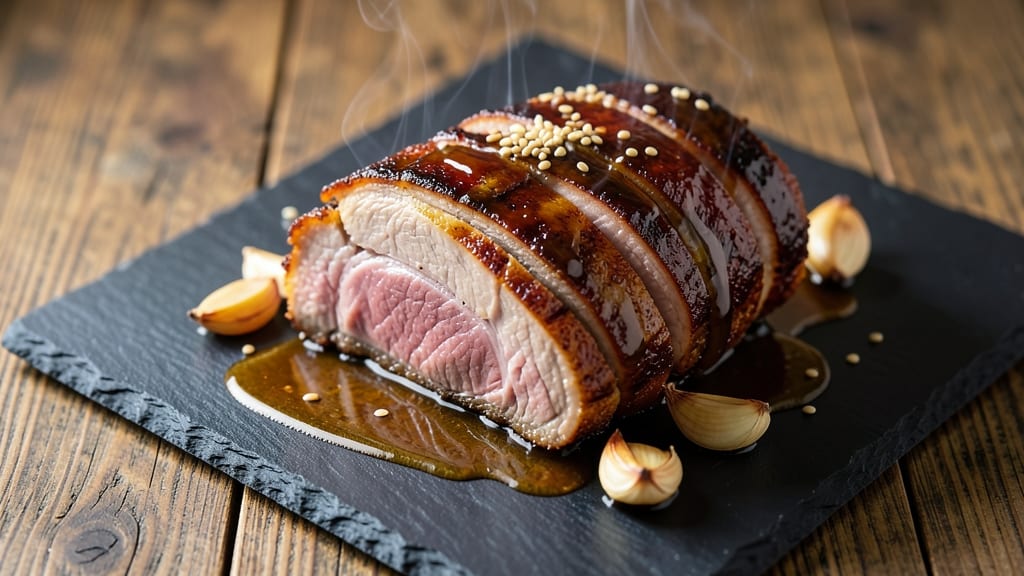
This miso marinated pork roast recipe transforms simple pork into a restaurant-worthy centerpiece with deep umami flavor and a perfect crispy bark. 🔥 After years of perfecting pork roasts in my Atlanta kitchen, I've developed a marinade that tenderizes the meat while creating that coveted caramelized crust—no fancy equipment required. The secret lies in balancing sweet and salty miso with a touch of honey, creating a crust that's both addictive and foolproof.
The beauty of this recipe is its versatility—whether you're hosting a dinner party or feeding your family on a weeknight.
I use a 3-pound pork shoulder (bone-in for maximum flavor), which roasts at 325°F until it reaches 203°F internal temperature, resulting in meat that falls apart at the touch of a fork.
The miso marinade infuses the pork with layers of complexity, while the roasting process develops that prized crispy bark that everyone will want seconds of.
What makes this pork roast truly special is how it pairs with sides. I recommend serving it with garlic mashed potatoes and roasted Brussels sprouts for a complete meal, or alongside steamed jasmine rice and quick-pickled vegetables for a lighter option.
The miso marinade's umami depth carries through every bite, making this roast the star of any table.
For those who love leftovers (and trust me, you will), this roast reheats beautifully—simply warm in the oven with a splash of broth to restore moisture. The crispy bark might soften slightly, but the tender, flavorful meat remains just as delicious.
This is the kind of recipe that earns repeat requests, and once you try it, you'll never go back to plain roasted pork again.
Ingredients for miso marinated pork roast
Six ingredients transform ordinary pork into a restaurant-worthy centerpiece with crispy bark and umami depth.
| Ingredient | Amount | Notes |
|---|---|---|
| Pork Shoulder (Bone-In) 🐖 | 3 lb | Cut into 2-inch thick slices |
| White Miso Paste 🍶 | ½ cup | High-quality, non-GMO preferred |
| Honey 🍯 | ¼ cup | Wildflower or clover preferred |
| Soy Sauce 🥢 | ¼ cup | Kikkoman or similar brand |
| Sesame Oil 🫒 | 1 tbsp | Toasted sesame oil for aroma |
| Garlic Cloves 🧄 | 8 cloves | Freshly minced, not pre-minced |
| Fresh Ginger 🌿 | ½ cup | Finely grated, organic preferred |
| Olive Oil 🫒 | ¼ cup | Extra-virgin for roasting |
| Brown Sugar 🍚 | ¼ cup | Light or dark, packed |
| Diamond Crystal Kosher Salt 🧂 | 1 ½ tsp | For seasoning and marinade |
| Ground Black Pepper 🌶️ | 1 tsp | Freshly cracked for best flavor |
| Vegetable Oil 🫒 | 2 tbsp | High smoke point for roasting |
| Fresh Thyme Leaves 🌿 | ¼ cup | Or 1 tbsp dried thyme |
The pork shoulder is the star here—bone-in for maximum flavor, but bone-out works too if you prefer. Costco or local butchers usually have the best cuts at reasonable prices. Look for good marbling and avoid anything with grayish spots. I've made this with both pork shoulder and pork butt, and honestly, the shoulder gives you that perfect balance of fat and lean. If you're using a different cut, adjust the roasting time accordingly—pork butt might need an extra 30 minutes. The miso paste is non-negotiable here; White miso gives you that sweet-salty balance, but you could use red miso for a deeper, earthier flavor if you're feeling adventurous.
No white miso? Substitute soy sauce plus a pinch of sugar—it won't be identical, but it'll get you close. Fresh ginger is ideal, but dried ginger at half the amount works in a pinch. The honey can be swapped for maple syrup if you're avoiding refined sugar. For the sesame oil, toasted sesame oil adds the most aroma, but regular sesame oil will work if that's what you've got. If you're short on time, you can skip the fresh thyme and just use the dried version—one-third the amount of fresh. The olive oil is for roasting, so make sure it's extra-virgin—the better quality, the better the flavor infusion.
This roast reheats beautifully—just warm it in the oven with a splash of broth to restore moisture. Keeps for 4-5 days in the fridge or 3 months in the freezer. I always make a double batch because leftovers are even better the next day. The crispy bark softens slightly when reheated, but the meat stays incredibly tender. Store any extra marinade in an airtight container in the fridge for up to 1 week—it makes a fantastic glaze for grilled pork or stir-fries.
Why You'll Love This Recipe
- One-Bowl Magic: I swear by this marinade—just mix miso, honey, soy, and sesame oil right in the same bowl I’ll roast the pork in. No extra dishes, no fuss, and the sticky glaze caramelizes into something ridiculously good with zero effort.
- Umami Bomb: That white miso paste? It’s the secret weapon—deep, salty-sweet, with a funk that sticks to every bite. The honey balances it perfectly, and the sesame oil adds this nutty finish that makes it taste like a restaurant dish, not a weeknight meal.
- Budget Hero: Pork shoulder is cheap, but it feels special. The miso and honey elevate it without breaking the bank, and a single roast feeds four for under $15. Honestly, it’s the kind of meal that makes grocery day feel like a win.
Step-by-step instructions for miso marinated pork roast
Here's how to transform tough pork into melt-in-your-mouth perfection with that coveted crispy bark.
👨🍳 Step 1: Create the Umami-Packed Marinade
In a medium bowl, whisk together the 0.5 cup white miso paste, 0.25 cup honey, 0.25 cup soy sauce, and 1 tbsp sesame oil until completely smooth. This is your flavor foundation - the miso brings deep umami while the honey adds natural sweetness that caramelizes beautifully during roasting.
Next, add the 8 minced garlic cloves, 0.5 cup finely grated fresh ginger, 0.25 cup olive oil, 0.25 cup packed brown sugar, 1.5 tsp Diamond Crystal kosher salt, and 1 tsp freshly cracked black pepper. Stir vigorously until all ingredients are fully incorporated. The marinade should be thick but pourable - if it's too stiff, add 1-2 tablespoons warm water to loosen it.
Here's the thing - let this marinade sit at room temperature for 15 minutes before using. This allows the flavors to meld together more thoroughly, creating a more cohesive taste profile. The miso will develop its full depth of flavor during this short rest.
🍳 Step 2: Marinate and Prep the Pork
Cut the 3 lb bone-in pork shoulder into 2-inch thick slices (about 6 pieces total). Pat each piece dry with paper towels - this is crucial for developing that crispy bark later. The drier the surface, the better the crust will form.
Place the pork slices in a single layer in a shallow dish just large enough to hold them without crowding. Pour the marinade over the pork, making sure each piece is thoroughly coated on all sides. Here's where it gets fun - use your hands to gently massage the marinade into the meat, especially focusing on the thickest parts. This ensures even flavor penetration.
Cover the dish with plastic wrap and refrigerate for at least 4 hours, but I recommend marinating overnight if possible. The longer it marinates, the more tender the meat becomes. Real talk: the pork will absorb about half the marinade, so don't be surprised if it looks like too much at first.
🔥 Step 3: Sear for Maximum Flavor and Crisp
Remove the pork from the refrigerator and let it sit at room temperature for 30 minutes before cooking. This crucial step prevents temperature shock when it hits the hot pan. Heat 2 tablespoons vegetable oil in a large oven-safe skillet over medium-high heat until it shimmers.
Working in batches if needed, sear the pork slices for 3-4 minutes per side until they develop deep golden-brown crusts. Don't walk away - you want those surfaces to get properly browned before transferring to the oven. The searing creates the foundation for that incredible crispy bark we're after.
Once all pieces are seared, transfer the skillet to a 400°F preheated oven. Roast for 25-30 minutes until the internal temperature reaches 145°F (measured with a meat thermometer in the thickest part). The pork should be tender enough to pull apart with a fork but still hold its shape when sliced.
🥘 Step 4: Finish with Thyme and Rest
Remove the pork from the oven and sprinkle 0.25 cup fresh thyme leaves evenly over the top. The thyme adds a bright, herbal note that cuts through the richness of the miso and balances all the other flavors. Return to the oven for 2-3 minutes just to let the thyme release its aroma.
Transfer the pork to a cutting board and tent loosely with foil. Let it rest for 10 minutes before slicing. This resting period is non-negotiable - it allows the juices to redistribute throughout the meat, ensuring each bite is moist and flavorful. If you cut into it too soon, all those precious juices will run out onto your cutting board.
Slice the pork against the grain for maximum tenderness. Each piece should have that beautiful crispy bark on the outside and melt-in-your-mouth tenderness on the inside. The marinade should have caramelized into a sticky glaze, adding another layer of flavor to every bite.
Pro Tips For Making Miso Marinated Pork Roast
- SCORE THE FAT: Run your knife through the thick white fat cap on the pork shoulder before marinating—it renders faster and crisps up beautifully. I learned this the hard way after serving a roast where the fat stayed soft and greasy. Use a sharp knife and slice in a crosshatch pattern, about ¼-inch deep.
- MARINATE COLD: Let the pork shoulder sit in the miso-honey mix overnight in the fridge, uncovered. The acid and salt need time to work, and exposing it to air helps develop that deep, caramelized flavor. I used to rush it—big mistake. Two days max, or the miso can turn bitter.
- SEAR HOT AND FAST: Get the pork shoulder screaming hot in a dry skillet or cast iron for 3-4 minutes per side before roasting—this locks in the marinade and builds a crust. After burning two batches trying to "cook it evenly," I realized high heat first, then slow roasting is non-negotiable. Use medium-high, not medium.
- BASTE WITH SESAME OIL: Mix 1 tablespoon sesame oil into the roasting pan’s rendered fat every 30 minutes—it adds aroma and prevents the crust from drying out. Sounds weird, but it works: the oil clings to the meat and keeps it glossy. Skip this, and you’ll end up with a dry exterior.
Storing and reheating this miso marinated pork roast
Refrigerator Storage
Your miso-marinated pork roast will keep beautifully in the fridge for 4-5 days when stored properly. I always wrap leftovers tightly in plastic wrap followed by foil—this double layer prevents drying.
Store in an airtight container with any pan juices to maintain moisture. The flavors actually deepen overnight as the miso continues to meld with the pork's natural sweetness. 💫
Freezer Prep Tips
For longer storage, freeze the roast for up to 3 months using heavy-duty freezer bags. Remove as much air as possible to prevent freezer burn, and label with the date.
I recommend portioning into individual servings before freezing—this makes reheating easier later. The crispy bark will soften slightly but the meat remains incredibly tender.
Oven Reheating Method
My preferred reheating technique is in the oven at 325°F for 20-25 minutes. Cover the roast with foil and add 2-3 tablespoons chicken broth to the pan to restore moisture. This gentle heat preserves the texture better than microwave methods. Check internal temperature—it should reach 165°F before serving.
Microwave Shortcut
For quick meals, use the microwave on 50% power for 3-4 minute intervals, stirring between each. Add 1 tablespoon water or broth to prevent drying.
The bark will soften more than with oven reheating, but the meat stays juicy. This works best for smaller portions rather than the whole roast.
Leftover Marinade Uses
Save any leftover marinade in an airtight container in the fridge for up to 1 week. It makes an incredible glaze for grilled pork chops or stir-fry sauce. I've even used it as a dipping sauce for spring rolls—just simmer it with a splash of water to reduce slightly.
The umami depth remains intense even after storage. 🍶
Serving Leftovers Creatively
Transform leftover pork into pork fried rice by chopping and frying with day-old rice, peas, and scrambled eggs. Or make pork banh mi sandwiches with pickled carrots, daikon, and cilantro.
The miso-marinated meat holds up perfectly in these dishes, adding that signature umami punch. My favorite? Pork tacos with quick-pickled onions and avocado crema.
Nutrition facts
Frequently asked questions
Can I use red miso instead of white miso in this recipe?
Yes, but expect a deeper, earthier flavor profile. Red miso has a stronger umami punch and slightly fermented taste, which works beautifully with pork. For best results, reduce the amount by 10% since it's more concentrated. This version pairs especially well with heartier sides like roasted root vegetables or hearty breads that can stand up to its boldness.
How do I adjust this recipe for a larger crowd?
Double or triple the marinade ingredients while keeping the same ratios. For a 6-pound pork shoulder, increase marinade by 50% (about 0.75 cup miso, 0.375 cup honey, etc.). Use two oven-safe roasting pans or a large Dutch oven. The key is maintaining the same marinade-to-meat ratio—about 1/3 cup marinade per pound of pork—to ensure even flavor penetration and proper bark development.
What's the best way to make this pork extra crispy?
For maximum crispiness, pat the pork extra dry before searing, and use a mix of vegetable oil and butter (replace 1 tbsp oil with 1 tbsp melted butter) for searing. After roasting, broil for 2-3 minutes at the end to intensify the bark. Also, let the pork rest uncovered for 5 minutes before slicing—this helps the crust set while keeping the interior juicy.
Can I make this with boneless pork loin instead?
but adjust cooking times and methods. Pork loin is leaner and cooks faster—roast at 375°F instead of 400°F and aim for 140°F internal temp. For best results, cut into 1.5-inch thick slices and marinate for 6-8 hours (not overnight). The miso marinade still works wonderfully, but the texture will be more tender than the shoulder's melt-in-your-mouth quality.
What's the best way to use up leftover marinade?
Simmer leftover marinade with 1/4 cup water for 5 minutes to reduce slightly, then use as a glaze for grilled pork chops or stir-fry sauce. For extra richness, whisk in 1 tbsp honey and 1 tsp rice vinegar. I also love using it as a dipping sauce for spring rolls or dumplings—just thin with a splash of water if needed. The umami depth makes it perfect for Asian-inspired dishes!