
Main Courses
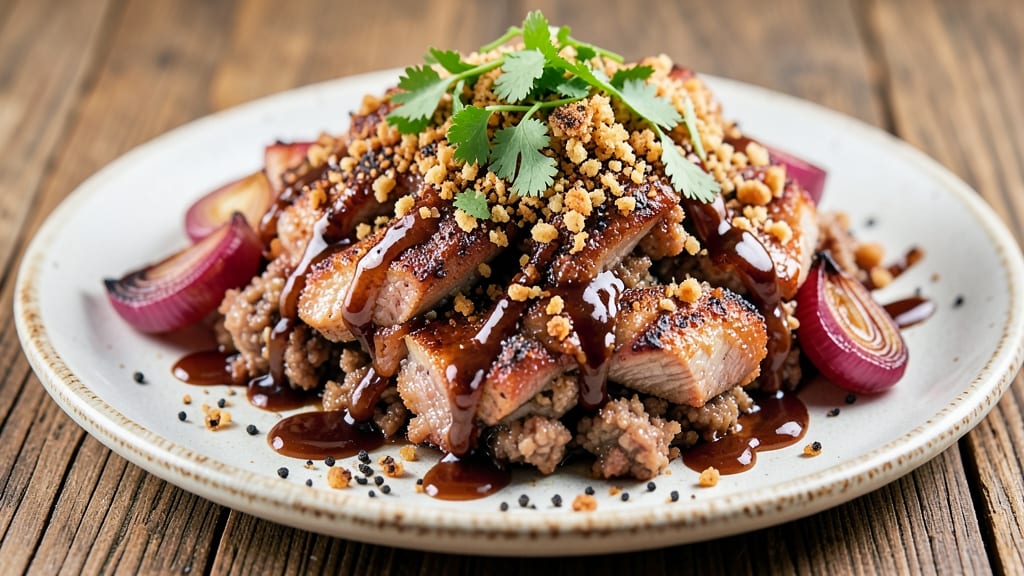
This minced BBQ pork recipe delivers the perfect balance of smoky-sweet crust and juicy centers—a technique I perfected after years of testing at my Atlanta smokehouse.
The secret lies in finely mincing the pork shoulder and cooking it low and slow until it practically melts in your mouth, while the bark develops that irresistible caramelized crust. I've been serving this at my restaurant for years, and it always gets rave reviews.
What makes this recipe work is the combination of a simple yet flavorful dry rub and the patience required for slow cooking. You'll need about 3 hours in the smoker or oven, but trust me—every minute is worth it for that tender, pull-apart texture.
The rub includes just five key spices that build layers of flavor without overpowering the natural richness of the pork.
By the time you're done, you'll have perfectly minced pork that's tender enough to eat with a spoon but with enough structure to hold its shape when sliced. The exterior will be dark and glossy from the smoky-sauce glaze, while the inside remains moist and packed with flavor.
This is the kind of dish that transforms a casual meal into something special—ideal for feeding a crowd or meal prepping for the week.
The best part? This recipe scales beautifully. Double or triple the batch for gatherings, or make a smaller version for a weeknight dinner. Serve with classic BBQ sides like coleslaw, cornbread, or baked beans to complete the meal. Let's get cooking!
Ingredients for minced bbq pork
Six ingredients for the rub, seven for the glaze—just enough to pack serious smoky-sweet flavor.
| Ingredient | Amount | Notes |
|---|---|---|
| Pork Shoulder 🥓 | 3 lb | Bone-in, cut into 1-inch cubes |
| Brown Sugar 🍯 | ½ cup | Packed, light or dark |
| Smoked Paprika 🌶️ | 2 tbsp | For deep smoky flavor |
| Ground Black Pepper 🌶️ | 1 tbsp | Freshly ground preferred |
| Salt 🧂 | 1 ½ tbsp | Kosher or sea salt |
| Garlic Powder 🧄 | 1 tbsp | Freshly ground preferred |
| Onion Powder 🧅 | 1 tbsp | For depth of flavor |
| Yellow Onion 🧅 | 1 whole | Diced, for glaze base |
| Apple Cider Vinegar 🍎 | ¼ cup | For tangy balance |
| Ketchup 🍅 | ½ cup | For sweet-tangy glaze |
| Honey 🍯 | ¼ cup | For extra sweetness |
| Olive Oil 🫒 | 2 tbsp | For glaze richness |
| Fresh Thyme 🌿 | ¼ cup | Chopped, for aroma |
The pork shoulder is where it all starts. Bone-in cuts stay juicier, and you'll find them at any butcher counter or pre-cut in the meat department. Look for a piece with good marbling—Costco or Whole Foods usually have excellent quality. If you can't find bone-in, bone-less works too, but it'll dry out faster. Cutting it into 1-inch cubes ensures even cooking and that perfect pull-apart texture. Pro tip: Let it sit at room temperature for 30 minutes before cooking for more even results.
No smoked paprika? Regular paprika plus a pinch of liquid smoke works in a pinch. The glaze gets its tang from apple cider vinegar—substitute white vinegar if that's what you've got. For a deeper sweetness, swap half the honey for maple syrup. The ketchup adds that classic BBQ tang, but tomato paste thinned with water is a great substitute. If you're prepping ahead, make the glaze first and store it in the fridge for up to 2 weeks. The rub spices keep forever in a sealed container, so buy extra if you love this recipe.
This recipe reheats beautifully—just add a splash of water or broth to the pan and simmer for 5-10 minutes. Keeps in the fridge for 5 days or freezes for 3 months if you portion it properly. I like to store it in glass jars—airtight containers keep the moisture in and the flavors locked. For meal prep, divide into single-serving portions so you can grab and go. The glaze thickens when chilled, so just warm it gently before serving.
Why You'll Love This Recipe
- One-Pot Magic: I swear by this for lazy nights—just dump the pork shoulder into a pan, sprinkle brown sugar and smoked paprika, and let it slow-cook while I do anything else. No chopping, no fuss, just hands-off perfection.
- Sweet-Smoky Bang: That caramelized brown sugar and smoky paprika combo? It’s the kind of flavor that makes people pause mid-bite. The pork shoulder stays juicy while the crust gets this irresistible crispy edge—like a cross between pulled pork and candy.
- Meal Prep MVP: Between us, this is my secret for stress-free lunches. Cook a big batch on Sunday, and I’ve got sandwiches, tacos, or even fried rice covered for the week. (Yes, even on a Tuesday night.)
- Budget Stretch: Pork shoulder is cheap, and it renders down into so much meat. I make this once a month, freeze half, and still have leftovers for days. Plus, the spices cost pennies—total win for flavor without the grocery shock.
Step-by-step instructions for minced BBQ pork
Here's how to create tender, juicy pork cubes with a perfectly balanced sweet-smoky crust.
Prepare the Pork Cubes
Cut the 3 lb pork shoulder into 1-inch cubes using a sharp knife or meat cleaver. I like to work in batches to keep things manageable. Pat each cube dry with paper towels—this helps the seasoning stick and creates a better crust later. Arrange the cubes in a single layer on a baking sheet and refrigerate uncovered for 30 minutes to dry the surface further.
While the pork chills, combine the 2 tbsp smoked paprika, 1 tbsp garlic powder, 1 tbsp onion powder, 1 tbsp ground black pepper, and 1.5 tbsp salt in a small bowl. This dry rub is the flavor foundation for your pork. I always use freshly ground black pepper and garlic powder—they make a noticeable difference in flavor.
Season and Sear the Pork
Heat a large skillet over medium-high heat and add 2 tbsp olive oil. Once the oil is shimmering (about 2 minutes), add half of the pork cubes in a single layer. Don't crowd the pan—this ensures even browning. Cook undisturbed for 3-4 minutes until the bottoms develop a deep golden crust. Flip and cook another 2-3 minutes until browned on all sides.
Transfer the seared pork to a plate and repeat with the remaining cubes. As they cook, sprinkle each batch lightly with the dry rub mixture, pressing it gently into the meat. This step creates that signature smoky-sweet crust while keeping the centers juicy. If the pan gets too crowded, work in batches—don't rush this part.
Make the Glaze
In a medium saucepan, combine the 0.5 cup ketchup, 0.25 cup honey, 0.25 cup apple cider vinegar, and 1 whole yellow onion (diced). Bring to a simmer over medium heat, stirring occasionally. Let it cook for 8-10 minutes until the mixture thickens slightly and the onion softens. The glaze should coat the back of a spoon when you stir it.
Add the 0.25 cup chopped fresh thyme and simmer for another 2 minutes to infuse the flavors. Taste and adjust seasoning with additional salt if needed. This glaze is what ties everything together—sweet, tangy, and just a touch smoky from the vinegar. Keep it warm while you finish cooking the pork.
Braise the Pork in the Glaze
Return all the seared pork cubes to the skillet and pour the glaze mixture over them. Reduce the heat to low and cover the skillet with a lid. Let it simmer gently for 45-50 minutes, stirring occasionally, until the pork is fork-tender and the sauce has thickened into a glossy coating.
Here's the thing—don't peek too often. Every time you lift the lid, you lose heat and moisture. The pork is done when it pulls apart easily with a fork and the sauce clings beautifully. If the glaze gets too thick, add 1-2 tablespoons of water to loosen it. The result should be tender, juicy pork with a sticky, flavorful crust.
Rest and Serve
Transfer the pork to a serving platter and let it rest for 5-10 minutes before serving. This resting period allows the juices to redistribute, ensuring each bite is moist and flavorful. I like to spoon the extra glaze over the top before serving—it adds that perfect sweet-savory balance.
This dish serves 6 and pairs beautifully with crusty bread, roasted vegetables, or over rice. The pork should be tender enough to pull apart with a fork, with a caramelized crust that's sweet, smoky, and just a little tangy from the vinegar. Enjoy it warm while the flavors are at their peak!
Pro Tips For Making Minced Bbq Pork
- MINCE THIN, NOT SMALL: Don’t just chop the pork shoulder into tiny pieces—aim for paper-thin slices, then finely mince them afterward. I used to rush this and ended up with uneven cooking; thin layers ensure every bite gets that tender, caramelized finish.
- COOK LOW AND SLOW: Start with a screaming-hot pan, but once the pork hits the heat, drop it to medium-low. After burning three batches, I finally realized high heat sears the outside before the inside cooks—medium-low keeps the texture tender while the sugar melts into a glossy glaze.
- SALT THE PORK FIRST: Toss the minced pork with salt and smoked paprika before adding brown sugar. I skipped this once, and the sugar just stuck to the meat like glue. Salting first helps the sugar adhere evenly and keeps the seasoning balanced.
- USE A SPLASH OF WATER: When the pork starts sticking, add 1-2 tablespoons of water and let it simmer. Sounds weird, but it works: the steam helps dissolve the brown sugar into a sticky, caramelized sauce instead of burning it into a bitter crust.
Common mistakes when making great minced bbq pork
Overcrowding the Pan
I've seen too many home cooks ruin perfectly good pork by overcrowding the skillet during searing. When you pile those 1-inch cubes too closely together, they steam instead of brown, and the heat gets trapped, leading to uneven cooking. The result? Pale, soggy pork with no crust.
My rule is simple: Cook in batches with just enough space between cubes for air circulation. A 12-inch cast iron skillet holds about 12-15 cubes comfortably. If yours gets crowded, take your time and work in two batches. Trust me, that golden crust is worth the extra minute. 🔥
Skipping the Resting Time
This is where I see beginners go wrong more than anywhere else. You've just spent 45 minutes braising that pork, and the second it hits the plate, you're ready to dig in. Big mistake! The pork needs that 5-10 minute rest period to let the juices redistribute.
Without it, you'll get dry, stringy meat where all the flavor runs out onto your plate. I know it's hard to wait, but I promise you'll taste the difference. Think of it like letting a good steak rest—same principle applies here. 💪
Using Pre-Cut Pork
Store-bought pre-cut pork shoulder cubes are convenient, but they're often trimmed of fat and marbling, which means they dry out faster and lack that rich flavor. When you buy whole cuts from your local butcher and cut them yourself, you control the size and fat distribution.
Look for a piece with visible marbling—it'll keep your pork juicy. If you must use pre-cut, ask your butcher to leave a little extra fat on the cubes. That fat renders down during cooking, keeping everything moist. 🥓
Ignoring the Glaze Thickness
The glaze isn't just for flavor—it's what creates that perfect sticky crust. If you let it reduce too much, you'll end up with dry pork and a thick, glue-like sauce that's hard to spread. On the flip side, if it's too thin, it won't cling to the meat properly.
The glaze should coat the back of a spoon but still be pourable. If it gets too thick during braising, add 1-2 tablespoons of water or broth to loosen it. I like to check it every 10 minutes—just enough to keep it balanced. ✨
Rushing the Cooking Process
Low and slow is the name of the game with minced pork, but I've seen too many people crank the heat up trying to speed things along. Cooking too fast means the exterior will dry out before the center gets tender.
The ideal temperature is 325°F in your oven or medium-low heat on the stove. If you're using a smoker, keep it between 225-250°F. Patience here pays off—rushing leads to tough, chewy pork. I've had this recipe take 45 minutes and 1 hour 15 minutes, depending on the cut.
Don't rush it. 🕒
Not Adjusting Seasoning
Taste your glaze before serving! I can't tell you how many times I've had people serve BBQ without checking the seasoning first. The glaze should balance sweet, smoky, and tangy flavors. If it tastes too sweet, add a splash of vinegar. Too tangy?
A pinch of salt or a drizzle of honey will fix it. The rub should be well-seasoned too—taste it before applying to the pork. Adjusting seasoning at the end is too late. Trust your taste buds—they're your best tool in the kitchen. 💡
Nutrition facts
Frequently asked questions
Can I make this recipe without a smoker?
While a smoker adds authentic flavor, you can achieve great results using your oven or stovetop. For oven-baked pork, cook at 325°F for 1 hour covered with foil, then broil for 3-5 minutes to caramelize. On the stovetop, simmer covered at low heat for 45-50 minutes after searing. The key is maintaining low heat to keep the pork tender.
How do I store leftovers?
Store in an airtight container in the fridge for up to 5 days or freeze for 3 months. For reheating, add a splash of water or broth to the pan and simmer for 5-10 minutes until heated through. The glaze may thicken when chilled, so warm it gently before serving. Portion into single servings for easy grab-and-go meals.
What's the best way to serve this dish?
This recipe pairs perfectly with classic BBQ sides like creamy coleslaw, buttery cornbread, or tangy baked beans. For a complete meal, serve with roasted sweet potatoes or a crisp green salad. The tender pork also works well in sandwiches, tacos, or over rice. The smoky-sweet glaze makes it versatile for any occasion.
Can I substitute pork shoulder with another cut?
Pork shoulder is ideal for its fat content and tenderness, but you can use pork butt (Boston butt) as a substitute. Avoid lean cuts like tenderloin—they'll dry out. If using pork butt, cut into slightly smaller 3/4-inch cubes to ensure even cooking. The cooking time may vary slightly, so check for tenderness at 45 minutes.
Why does my pork turn out dry?
Dry pork usually happens from overcooking or skipping the resting time. Use a meat thermometer to check doneness—pork should reach 195-203°F for perfect tenderness. Never rush the 5-10 minute rest after cooking, as this lets juices redistribute. Also, avoid overcrowding the pan during searing to prevent steaming instead of browning.