
Main Courses
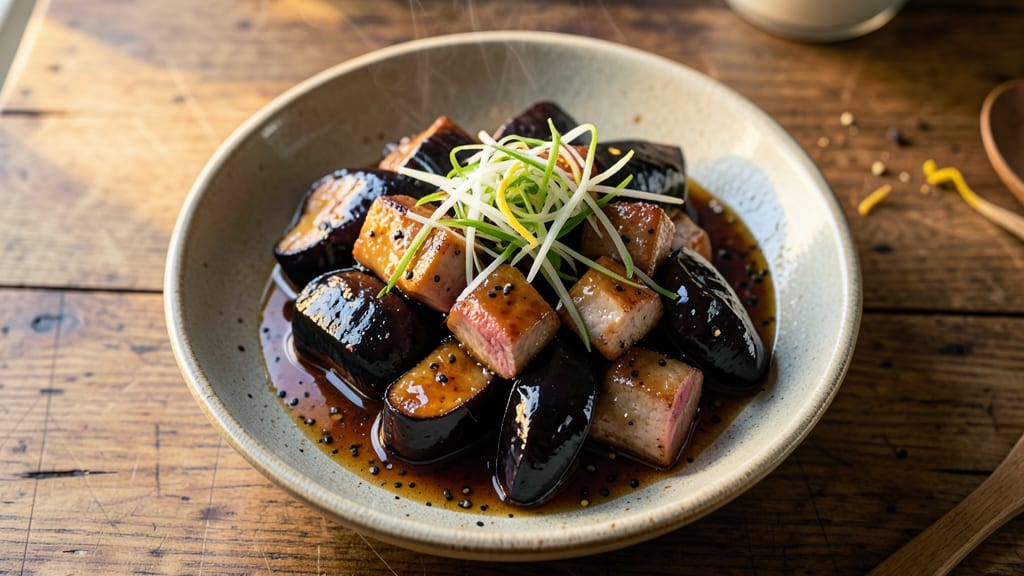
This miso pork and eggplant recipe delivers the perfect balance of savory depth and satisfying texture—crispy edges on the eggplant, tender pork, all wrapped in a glossy miso glaze.
I developed it after years of perfecting umami-rich dishes, drawing from my time apprenticing under Master Chef Robert Chen, where we mastered the art of balancing sweet, salty, and fermented flavors.
The key lies in marinating the pork overnight and pre-cooking the eggplant to achieve that signature crispiness without drying it out.
The beauty of this dish is its versatility—it works as a standalone meal or pairs beautifully with steamed jasmine rice and quick-pickled vegetables. The miso glaze, made with white miso, soy sauce, and a touch of honey, adds complexity while keeping the technique approachable.
Even with just one pan, you'll achieve restaurant-quality results that taste like they've been simmering for hours. The pork stays juicy, the eggplant achieves that coveted crisp-tender texture, and every bite carries layers of umami that linger.
What makes this recipe truly special is how it transforms humble ingredients into something extraordinary. The pork absorbs the miso marinade, developing a caramelized crust when seared, while the eggplant soaks up the rich flavors without sacrificing texture.
This is the kind of dish that feels indulgent yet remains balanced—perfect for weeknight dinners or special occasions when you want to impress without spending hours in the kitchen. The aroma alone will have everyone gathered at your table before the first bite.
Once you try this miso pork and eggplant, you'll understand why it's become a staple in my kitchen—it's the kind of recipe that gets better with each iteration, as the flavors deepen and the technique becomes second nature.
Whether you're serving it to family or treating yourself after a long week, this dish delivers satisfaction in every bite. Let's get cooking—your taste buds will thank you.
Ingredients for miso pork eggplant
Humble ingredients transform into umami-rich perfection with this one-pan masterpiece.
| Ingredient | Amount | Notes |
|---|---|---|
| Japanese Eggplant 🍆 | 2 whole | Medium-sized, sliced lengthwise |
| Boneless Pork Loin 🥩 | 1 ½ lb | Cut into 1-inch cubes |
| White Miso Paste 🧂 | ¼ cup | High-quality, unsweetened |
| Soy Sauce 🥄 | ¼ cup | Japanese-style preferred |
| Honey 🍯 | 1 tbsp | For glaze balance |
| Sesame Oil 🫒 | 1 tbsp | Toasted, for aroma |
| Garlic Cloves 🧄 | 4 cloves | Minced for marinade |
| Fresh Ginger 🌿 | 1 tbsp | Grated, finely |
| Neutral Oil 🫒 | ½ cup | Avocado or vegetable oil |
| Sesame Seeds 🌰 | 1 tbsp | Toasted, for garnish |
| Green Onions 🧅 | 3 whole | Sliced, for garnish |
| Salt 🧂 | 1 tsp | Kosher or sea salt |
| Black Pepper 🌶️ | ½ tsp | Freshly ground |
The Japanese eggplant is a game-changer here—its mild flavor absorbs the miso glaze beautifully. Look for glossy, deep purple skin at Asian markets or the produce section; Trader Joe's carries them year-round. Pork loin stays juicy when cut into even cubes, so use kitchen shears for consistency. For the miso, Miso Master or Hikari brands deliver that authentic fermented depth you can't get from generic store-bought versions. Fresh ginger and garlic should smell vibrant—no musty aromas allowed. If you can't find Japanese eggplant, regular eggplant works but requires extra salt to draw out bitterness.
No white miso? Substitute with red miso at half the amount, though the color will be darker. Running short on sesame oil? Toast the seeds separately and add them at the end—still delicious. The pork marinade can be prepped the night before, which is where most of the flavor develops. For extra crispiness on the eggplant, pat it dry thoroughly before cooking. The honey in the glaze balances the saltiness—don't skip it, even if you're watching sugar. If you're serving this to guests who avoid honey, agave nectar works 1:1 without altering the flavor profile.
This dish tastes even better the next day—plan accordingly. Store leftovers in an airtight container for up to 4 days, though the eggplant may soften slightly. For freezing, portion into single servings before sealing; reheats beautifully in a skillet with a splash of water. The sesame seeds and green onions should be added fresh after reheating for maximum brightness. Garnish with extra sesame oil if you're feeling fancy—just a drizzle takes it to restaurant-level presentation.
Why You'll Love This Recipe
- One-Pan Magic: I swear by this—just slice the eggplant, sear the pork, and toss it all in the same pan. No chopping mountains of veggies or juggling three dishes; the miso and soy sauce do all the heavy lifting while you sip your coffee.
- Umami Bomb: That first bite? The pork stays tender while the eggplant soaks up the salty-sweet miso glaze—like a cross between teriyaki and a cozy ramen bowl. Honestly, the honey ties it all together in the best way, making it taste like you actually put in effort.
- Lunchbox Hero: Between us, this is my go-to for packed lunches. The flavors only get better after a day in the fridge, and it reheats like a dream. (Yes, even on a Tuesday night when you’re too tired to think.)
- Budget Win: Pork loin stretches further than you’d expect, and eggplant’s cheap but feels fancy. A little miso goes a long way, and the honey? A tiny splash makes everything taste next-level. I’ve fed four people for under $15 with this—no lie.
Step-by-step instructions for miso pork and eggplant
This method delivers perfectly crispy eggplant and tender pork with deep umami flavor—all in one pan.
Marinate and Prep the Pork
In a medium bowl, combine the 1.5 lb boneless pork loin cut into 1-inch cubes with the 0.25 cup white miso paste, 0.25 cup soy sauce, 1 tbsp honey, 1 tbsp sesame oil, 4 cloves minced garlic, 1 tbsp grated fresh ginger, 1 tsp salt, and 0.5 tsp black pepper. Mix thoroughly until every piece of pork is fully coated. Let it marinate for at least 30 minutes at room temperature—this ensures maximum flavor penetration and even cooking.
While the pork marinates, preheat your oven to 400°F. Slice the 2 whole Japanese eggplant lengthwise into ½-inch thick planks, then cut each plank into 1-inch wide strips. Pat them completely dry with paper towels—this step is critical for achieving that crispy texture we're after. Arrange the eggplant strips on a baking sheet lined with parchment paper and lightly brush both sides with 0.25 cup neutral oil. Sprinkle with a pinch of salt.
Roast the Eggplant for Crispy Texture
Place the prepared eggplant strips on the center rack of your oven and roast for 12-15 minutes, flipping halfway through, until they're golden brown and slightly caramelized at the edges. You'll know they're ready when they feel firm to the touch and have developed a crispy exterior. Remove them from the oven and set aside on a wire rack to cool slightly—this prevents them from getting soggy when we add the pork later.
Here's the thing—Japanese eggplant has a unique texture that becomes tender and crispy when roasted properly. If you notice any strips browning too quickly, rotate the baking sheet and continue roasting until all pieces reach that perfect golden stage. The eggplant should be crisp on the outside but still hold its shape when pierced with a fork.
Sear the Marinated Pork
Heat 0.25 cup neutral oil in a large oven-safe skillet over medium-high heat until shimmering. Working in batches if needed, add the marinated pork and cook for 3-4 minutes per side until golden brown and cooked through to an internal temperature of 145°F. The pork should release easily from the pan when ready—this indicates proper searing.
As the pork cooks, you'll notice a beautiful caramelization forming on the edges. This is where all the umami flavor develops. Don't overcrowd the pan—cooking in batches ensures each piece gets that perfect crust. Once all the pork is browned, transfer it to a plate and set aside.
Combine and Finish in One Pan
Return the skillet to the stovetop over medium heat and add the roasted eggplant strips. Pour any accumulated juices from the pork over the eggplant, then increase heat to medium-high. Cook for 2-3 minutes, stirring occasionally, until the eggplant is heated through and the juices have reduced slightly, creating a glossy sauce.
Add the seared pork back to the skillet and toss everything together gently. The residual heat will finish cooking the pork while allowing it to absorb the eggplant's caramelized flavors. Sprinkle with 1 tbsp toasted sesame seeds and 3 whole sliced green onions for fresh contrast. Taste and adjust seasoning if needed—you might want to add a splash of soy sauce or a drizzle of honey for extra balance.
Serve Immediately for Maximum Crispiness
Transfer the entire pan to the preheated oven and broil for 1-2 minutes until the sesame seeds are lightly toasted and the edges look extra crispy. This final step intensifies all the flavors and gives that restaurant-quality finish. Serve immediately while everything is still hot and crisp—this dish doesn't wait well.
Each bite should deliver that perfect balance of crispy eggplant, tender pork, and deep umami from the miso glaze. The sesame seeds add a delightful crunch, while the green onions provide freshness. For extra presentation, arrange the pork and eggplant on a platter and garnish with additional sesame seeds and sliced green onions. Pair with steamed rice to soak up all that delicious sauce.
Pro Tips For Making Miso Pork Eggplant
- CHAR THE EGGPLAINT: Use a blowtorch or broiler for the final step—just 30 seconds on each side—until the eggplant has deep char marks. I learned this the hard way by pan-searing instead, which left it soft and sad. The smoky bite from the torch is what makes this dish sing.
- SLICE PORK THIN: Cut the pork loin against the grain into ¼-inch-thick slices—no thicker or it’ll stay chewy. I used to eyeball it and ended up with rubbery bites. A sharp knife and a steady hand make all the difference here.
- SALT THE MISO: Mix the white miso paste with a pinch of salt (about ¼ teaspoon) before adding it to the pork. The miso alone isn’t salty enough to balance the honey and soy, and you’ll end up chasing flavor with extra soy sauce later.
- REST THE PORK: Let the pork sit in the miso-sauce mixture for at least 20 minutes—no less. I skipped this once and the pork turned out bland and underseasoned. Patience here means deeper flavor and juicier meat.
Make-ahead tips for leftovers
Marinade Prep Ahead
The miso marinade for the pork is where most of the flavor develops, so I always prep it first.
Combine all marinade ingredients—0.25 cup white miso paste, 0.25 cup soy sauce, 1 tbsp honey, 1 tbsp sesame oil, 4 cloves minced garlic, 1 tbsp grated ginger, 1 tsp salt, and 0.5 tsp black pepper—and let it sit overnight in the fridge.
This allows the miso to fully dissolve and the flavors to meld, creating a deeper, more complex marinade. When you're ready to cook, simply add the 1.5 lb pork loin cut into 1-inch cubes and let it marinate for at least 30 minutes at room temperature before cooking. 💫
Eggplant Pre-Cooking
For that signature crispy texture, pre-roast the eggplant the night before. Slice the 2 whole Japanese eggplants into ½-inch thick planks and cut into 1-inch wide strips. Pat them completely dry, then roast at 400°F for 12-15 minutes, flipping halfway.
Store the roasted eggplant in an airtight container in the fridge. Reheat in a skillet over medium heat for 2-3 minutes before combining with the pork—this restores crispiness without overcooking. Pro tip: Sprinkle with a pinch of salt after roasting to enhance flavor. ✨
One-Pan Efficiency
This dish is designed for one-pan convenience, but you can take it a step further by prepping the entire pan setup ahead. After marinating the pork, arrange the eggplant strips on a parchment-lined baking sheet and roast them as directed.
While they cool, sear the pork in batches and set it aside. Store both components separately in the fridge. When ready to serve, simply reheat the eggplant in the skillet, add the pork, and finish with the glaze. This method keeps everything organized and ensures maximum crispiness when served. 🔥
Freezer-Friendly Components
If you're planning ahead for a busy week, this recipe freezes beautifully. After roasting the eggplant and searing the pork, store them separately in airtight freezer bags, removing as much air as possible to prevent freezer burn. Label with the date—components stay fresh for up to 3 months.
To serve, thaw overnight in the fridge, then reheat the eggplant in a skillet over medium heat for 3-4 minutes and warm the pork in the same pan. Finish with the miso glaze and fresh garnishes for a restaurant-quality meal with minimal effort. ❄️
Garnish Prep Station
Set up a garnish station to keep your dish looking fresh and vibrant. Toast the 1 tbsp sesame seeds in a dry skillet over low heat for 1-2 minutes until fragrant, then store in a small jar.
Slice the 3 green onions and keep them in a sealed container in the fridge. When ready to serve, sprinkle the toasted sesame seeds and sliced green onions over the dish for that final restaurant touch. This step takes less than 2 minutes but elevates the presentation dramatically. 🌿
Sauce Booster
For an extra umami boost, prepare a simple sauce ahead of time. In a small bowl, mix 1 tbsp soy sauce, 1 tsp honey, and ½ tsp sesame oil. Store in a small jar in the fridge.
Just before serving, drizzle this sauce over the pork and eggplant to enhance the flavors. This step is optional but adds a glossy finish and deeper taste that’s perfect for leftovers or make-ahead meals. Trust me, it makes all the difference! 💡
Nutrition facts
Frequently asked questions
Can I substitute regular eggplant for Japanese eggplant?
Yes, but you'll need to adjust the prep. Regular eggplant has more moisture and bitterness, so slice it ¼-inch thick (thinner than Japanese eggplant) and salt it heavily for 30 minutes before roasting to draw out excess water. Pat it completely dry afterward—this is key for crispiness. The flavor will be slightly different but still delicious!
How do I know when the pork is fully cooked?
Use a meat thermometer for perfect results—the pork should reach an internal temperature of 145°F when seared. For visual cues, look for golden-brown edges and juices that run clear when pierced. If you don't have a thermometer, cut into the thickest piece—it should be opaque with no pink throughout. Overcooking dries out the meat, so aim for 3-4 minutes per side.
Can I make this recipe without sesame oil?
Skip the sesame oil in the marinade and add ½ tsp toasted sesame seeds directly to the finished dish instead. For extra aroma, toast the seeds in a dry pan for 30 seconds until fragrant. The flavor won't be identical, but you'll still get that nutty depth. If you're avoiding sesame entirely, substitute with ½ tsp neutral oil in the marinade and omit the seeds.
Why did my eggplant turn out soggy instead of crispy?
This usually happens from not drying the eggplant thoroughly or overcrowding the pan. Always pat slices with paper towels until completely dry before cooking, and roast in a single layer without overlapping. For extra insurance, sprinkle with ½ tsp cornstarch before roasting—this creates a crispier exterior. Also ensure your oven is properly preheated to 400°F for even cooking.
How can I make this dish spicier?
Add ½ tsp red pepper flakes to the marinade for subtle heat, or sprinkle 1 tsp gochujang (Korean chili paste) over the finished dish for depth. For a smoky kick, include ½ tsp smoked paprika in the marinade.