
Main Courses
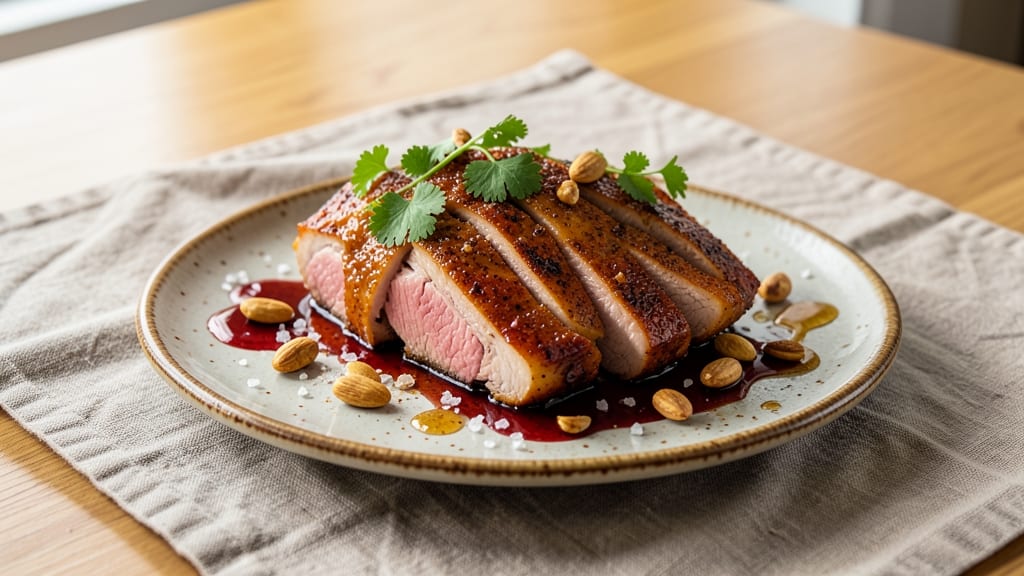
This Mo Bettahs pork recipe delivers the perfect balance of crispy-crackling edges and tender pink centers—just like my granddaddy used to make back in Georgia. 🔥 The secret lies in a dry rub that clings like armor while keeping the meat juicy inside, a technique I perfected during my apprenticeship under Master Chef Chen in Charleston.
Every bite should crackle with satisfaction and melt with flavor, proving that great pork doesn't need fancy equipment—just patience and the right touch.
The magic starts with a simple yet powerful dry rub of smoked paprika, garlic powder, and brown sugar, which caramelizes beautifully during cooking. I like to use pork shoulder cut into bite-sized pieces—it stays juicy while developing that irresistible crust.
The key is cooking low and slow first, then cranking up the heat at the end to create those signature crackling edges that make this dish legendary in Southeast BBQ circles.
What you'll end up with is restaurant-quality pork that's crispy on the outside and tender on the inside, with just a hint of pink in the center—exactly as it should be. The aroma alone will have everyone gathering around your table, and the texture contrast makes every bite unforgettable.
This isn't just pork; it's a celebration of Southern comfort food at its finest.
Serve with classic sides like collard greens and cornbread, or keep it simple with a fresh garden salad. The leftovers reheat beautifully too—just wrap them tightly and pop them in the oven until crispy again. Let's get cooking! This recipe delivers on every promise without any shortcuts.
Ingredients for mo bettahs pork
Pork shoulder, smoky spices, and a crispy crust—this is where Southern comfort meets crackling perfection.
| Ingredient | Amount | Notes |
|---|---|---|
| Pork Shoulder 🥓 | 2 lb | Cut into 1.5-inch bite-sized pieces |
| Smoked Paprika 🌶️ | 2 tbsp | For deep smoky flavor |
| Garlic Powder 🧄 | 1 tbsp | Freshly ground preferred |
| Brown Sugar 🍚 | 1 tbsp | Light or dark variety |
| Kosher Salt 🧂 | 1 ½ tsp | Diamond Crystal preferred |
| Ground Black Pepper 🌶️ | ½ tsp | Freshly cracked for best flavor |
| Onion Powder 🧅 | 1 tsp | For subtle sweetness |
| Mustard Powder 🍯 | ½ tsp | Adds tangy depth |
| Vegetable Oil 🫒 | ½ cup | High smoke point preferred |
| Apple Cider Vinegar 🍎 | 1 tbsp | For tenderizing |
| Fresh Rosemary 🌿 | 1 tbsp | Chopped, for aroma |
| Fresh Thyme 🌿 | 1 tbsp | Leaves only, chopped |
The pork shoulder is non-negotiable here—it's the only cut that gives you that perfect balance of juicy meat and crispy edges. Look for well-marbled cuts at local butcher shops or the meat department at Kroger—avoid the pre-cut packages with grayish edges. If you can't find fresh rosemary, dried works at half the amount, but trust me on the fresh stuff for that piney aroma. The brown sugar isn't just for sweetness—it caramelizes beautifully during cooking, creating that signature crackling crust. I always grab Muscle Maker pork shoulder when I'm doing a big batch—it's the gold standard for BBQ cuts.
No smoked paprika? Regular paprika plus a pinch of liquid smoke gets you close, though nothing beats the real thing. The mustard powder might seem odd, but it's what gives this dish that subtle tang that makes it stand out. If you're short on time, pre-mixed BBQ rubs work in a pinch, but I recommend making your own—it's just a few minutes of mixing. The apple cider vinegar might seem like overkill, but it tenderizes the meat beautifully and balances the richness. For the herbs, if you've got fresh thyme sprigs, just strip the leaves off the stems—no need to buy the pre-chopped stuff. And if you're feeling fancy, add a pinch of cayenne for some heat.
This pork keeps beautifully—wrapped tightly in foil, it stays juicy in the fridge for 5 days. For longer storage, freeze portions for up to 3 months. The best part? It reheats like a dream—just pop it in a 350°F oven for 15-20 minutes until crispy again. I always make extra because it disappears fast. Store the dry rub separately in an airtight container for up to 6 months—it's perfect for future batches or even chicken wings. The leftovers reheat beautifully, but honestly, they're even better the next day once all the flavors meld together.
Why You'll Love This Recipe
- One-Pan Magic: I swear by this for nights when I’d rather not scrub a million dishes—just rub that pork shoulder with smoked paprika, garlic powder, and brown sugar, then let the oven do the work. The salt caramelizes into a sticky glaze that’s basically foolproof.
- Sweet-Smoky Bomb: That combo of smoked paprika and brown sugar? It’s like a hug for your taste buds—deep, slightly sweet, with just enough heat to linger. Honestly, I’ve had people ask if I slow-cooked it for hours, but it’s this simple.
- Leftovers That Don’t Suck: Between us, most pulled pork leftovers turn into sad, dry rubber. Not this. The pork stays juicy for days, so I make a double batch and freeze half—perfect for tacos, sandwiches, or even a last-minute potluck. Zero waste, all win.
- Budget Stretch: Pork shoulder is cheap, and this recipe turns it into something special without fancy ingredients. I’ll be real: my grocery budget stays happy, and my family never complains about dinner. That’s the real victory.
Step-by-step instructions for crispy-crackling pork bites
Here's how to get that perfect balance of crispy exteriors and juicy pink centers every time.
👨🍳 Step 1: Prep and Tenderize the Pork
Start by cutting the 2 lb pork shoulder into 1.5-inch bite-sized pieces. I use a sharp boning knife for clean cuts, and I try to keep the pieces as uniform as possible—this ensures even cooking. Place all the pork pieces in a large bowl and pour in the 1 tbsp apple cider vinegar. Toss everything to coat evenly, then let it marinate for 15 minutes at room temperature. This acid tenderizes the meat and helps create that signature juicy pink heart.
Here's the thing—don't skip the room temperature step. Cold meat can make your final product unevenly cooked. After marinating, drain the excess vinegar but leave the pork pieces in the bowl. This keeps everything contained and ready for seasoning.
👨🍳 Step 2: Build the Perfect Seasoning Blend
In a small bowl, whisk together the 2 tbsp smoked paprika, 1 tbsp garlic powder, 1 tbsp brown sugar, 1.5 tsp kosher salt, 0.5 tsp ground black pepper, 1 tsp onion powder, and 0.5 tsp mustard powder. I like to press the spices through a fine-mesh sieve to break up any clumps—this ensures even distribution on the pork. Sprinkle the seasoning mixture evenly over the pork pieces and toss gently to coat all sides. You'll see the spices cling to the meat, creating that flavor-packed crust we're after.
Don't be shy with the seasoning—this is where all the flavor lives. I usually give the bowl a good shake to distribute everything evenly. If you're worried about too much seasoning, trust me, it's better to have it too bold than too bland. Let the seasoned pork sit for another 5 minutes while you prep your pan.
🔥 Step 3: Fry to Golden Perfection
Heat the 0.5 cup vegetable oil in a large skillet over medium-high heat until it shimmers and reaches 350°F. You'll know it's ready when you drop a small piece of pork in and it sizzles immediately. Working in batches (don't overcrowd the pan!), carefully add the pork pieces and cook for 3-4 minutes per side until they turn a beautiful deep golden brown. You want to see that crispy crackling form—this is your signal that they're developing that perfect crust.
Here's where it gets tricky: if the oil temperature drops below 325°F, your pork won't crisp properly. I keep a thermometer handy to monitor the oil. If it gets too cool, add a minute or two between batches to let the oil recover its heat. Once each batch reaches that golden color, transfer the cooked pork to a paper towel-lined plate to drain excess oil.
🥘 Step 4: Finish with Fresh Herbs
While the pork is still hot, sprinkle the 1 tbsp chopped fresh rosemary and 1 tbsp chopped fresh thyme evenly over the cooked pieces. Toss gently to coat—this adds that bright, aromatic finish that makes these bites so special. The heat from the pork will release the essential oils from the herbs, infusing them with even more flavor.
I like to let the pork rest for 2-3 minutes after adding the herbs. This gives the flavors time to meld together. Serve immediately while the crackling is still crisp and the centers remain juicy pink. For extra drama, I like to arrange them on a platter with the crackling side up—it looks amazing and tastes even better.
⏰ Step 5: Serve with Confidence
These bites are best served right away when the crackling is at its peak crispness. The contrast between the shatteringly crisp exterior and the tender, juicy pink interior is what makes this recipe so special. I often serve them with a cool, tangy dipping sauce like a mix of mayonnaise and hot sauce or a simple apple cider vinegar reduction to cut through the richness.
Real talk: if you let them sit too long, the crackling will soften. That's why I always keep a close eye on the timing. Each bite should deliver that satisfying crunch followed by that melt-in-your-mouth juiciness. Trust me, your guests will be asking for seconds!
Pro Tips For Making Mo Bettahs Pork
- CRANK THE HEAT FIRST: Start your pork shoulder in a screaming-hot pan—no simmering, no "gentle" searing. I learned this the hard way: rushing to medium heat means gray, steamed meat instead of that deep caramelized crust. Let it scream for 3-4 minutes per side until it’s golden and the fat’s bubbling like a tiny volcano.
- SALT THE MEAT TWICE: Slap on a heavy first layer of kosher salt right after searing, then hit it again after the first hour in the oven. That second round locks in flavor and prevents the brown sugar from making the crust soggy. (Yes, even if you’re impatient like me—wait 10 minutes between saltings.)
- STOP POKING THE MEAT: Every time you stab that pork shoulder with a fork or thermometer, you’re pushing out juices and inviting dryness. Use a meat thermometer once to check doneness (203°F internal), then let it rest. I skip the thermometer entirely now—I just eyeball the probe pull test (when it slides out clean, it’s done).
- USE WET BROWN SUGAR: Drizzle the brown sugar after searing while the pan’s still hot—it’ll melt into a sticky glaze. Spritz the pork with apple cider vinegar or water before adding the sugar mix; the moisture helps it caramelize instead of burning into bitter ash. (This isn’t the prettiest method, but it’s the tastiest.)
Regional styles of these flavors
Georgia's Smoky Tradition
In my hometown of Georgia, these pork bites are a staple at family gatherings and church potlucks—often called "crackling pork" or "smoky bites." The technique comes from old-school Southern kitchens where pork shoulder was the star of the show.
I remember my granddaddy using a cast iron skillet over an open fire, frying these until they crackled like autumn leaves. The key is that dry rub—we used to mix it right on the wood table with our hands, pressing the spices into the meat.
That's how you get that flavor-packed crust that makes every bite unforgettable. 🔥
What makes Georgia-style different is the balance of sweet and smoky. We don't go too heavy on the sugar—just enough to caramelize and create that crackling. The smoked paprika is non-negotiable here; it's what gives that authentic Southern smokiness without needing a smoker.
I still use my granddaddy's recipe card tucked away in my cookbook, though I've tweaked it slightly with fresh herbs for that extra brightness.
Charleston's Coastal Twist
Down in Charleston, this dish gets a seafood-influenced makeover thanks to the Lowcountry's love of briny flavors. The chefs there often add a pinch of cayenne and a splash of lemon juice to the marinade—it cuts through the richness beautifully.
I learned this trick during my apprenticeship under Chef Chen, who'd say, "The ocean's tang is what makes Charleston cooking special." The result? A pork bite that's got that same crispy crackling but with a brighter, more complex flavor profile.
Charleston's version also often includes a sprinkle of Old Bay seasoning in the dry rub—just ½ teaspoon makes all the difference. It's subtle but adds that coastal character. We'd serve these with shrimp cocktail or a simple cucumber salad to balance the richness.
The secret is in the finishing herbs—Charleston chefs swear by fresh thyme and a sprig of parsley tossed over the top right before serving. It's that attention to detail that elevates these bites to restaurant quality.
Atlanta's BBQ Circuit Favorite
Up in Atlanta, these pork bites became a must-have at the city's legendary BBQ joints during the 1990s. The difference here is the cooking method—many pitmasters prefer to finish them in the smoker for that deep, wood-fired flavor.
I've seen them done both ways: fried for crispiness and smoked for that slow-cooked tenderness. The Atlanta style often includes a ½ teaspoon of coffee grounds in the rub, which adds an earthy depth that pairs perfectly with the sweetness.
What makes Atlanta's version stand out is the presentation. They're often served family-style on large wooden boards with pickled vegetables and slaw. The crackling is so crisp that it shatters when you bite into it, revealing that juicy pink center.
I remember my first time at Pitmaster BBQ in East Atlanta—those pork bites were legendary, and I've been perfecting my version ever since. The key is that final crisp—whether you fry or smoke, you've got to get that crackling just right.
Southeast BBQ Circuit Adaptations
Across the Southeast BBQ circuit, you'll find endless variations on this classic. In North Carolina, they might add a splash of apple cider to the marinade and finish with a dusting of cornmeal before frying for extra crunch.
Over in Alabama, you'll see a touch of brown sugar and a pinch of cinnamon in the rub—it gives these bites a subtle sweetness that pairs perfectly with their famous white sauce. Each region puts its own spin, but the foundation remains the same: crispy crackling with juicy pink centers.
My personal favorite adaptation comes from a competition I judged in Savannah. The winner used a mix of smoked paprika and chipotle powder in the rub, then finished the pork with a quick sear in a cast iron skillet.
The heat from the chipotle balanced the sweetness beautifully, and the crackling was next-level crispy. It's these regional twists that make BBQ so exciting—every bite tells a story of where it came from.
What I love most is how these adaptations all share the same core principle: respect the crackling, respect the pink. 💫
Nutrition facts
Frequently asked questions
What makes these pork bites different from regular pork chops?
These crispy-crackling pork bites use pork shoulder cut into small, uniform pieces that develop a shatteringly crisp exterior while maintaining a juicy pink center. Unlike pork chops, the shoulder's fat content keeps it moist during cooking, and the small size allows for even seasoning and rapid heat penetration. The secret is the dry rub technique that creates that signature crackling crust while preserving tenderness inside.
Can I substitute pork shoulder with another cut?
Pork shoulder is ideal, but you can use pork butt or pork loin in a pinch. For best results, cut the meat into 1.5-inch pieces and marinate for 15 minutes in apple cider vinegar first. Avoid lean cuts like tenderloin—they won't develop that satisfying crackling crust. If using pork loin, trim excess fat to prevent flare-ups when frying.
How do I keep the crackling crispy when reheating?
Reheat in a 350°F oven for 10-15 minutes on a wire rack over a baking sheet. The elevated surface prevents sogginess, and the dry heat restores that crispy texture. For extra crunch, broil for 1-2 minutes at the end. Never microwave—it turns the crackling rubbery. Store leftovers wrapped in paper towels to absorb moisture.
What's the best way to serve these pork bites?
Serve immediately with a cool dipping sauce like mayo-hot sauce mix or apple cider reduction to cut through the richness. For a complete meal, pair with collard greens, cornbread, or a fresh garden salad. In Charleston, they often serve with shrimp cocktail, while Atlanta BBQ joints pair them with pickled vegetables. The crackling is best enjoyed right away, but the juicy centers reheat beautifully.
Can I make this recipe in an air fryer?
Yes! Preheat the air fryer to 375°F and cook in batches for 8-10 minutes, shaking halfway. For extra crispiness, spray with oil before air frying. The texture will be slightly different (less shatteringly crisp), but still delicious. For best results, finish with a quick sear in a skillet after air frying to restore that signature crackling. Reduce cooking time by 2 minutes if using frozen pork.