
Main Courses
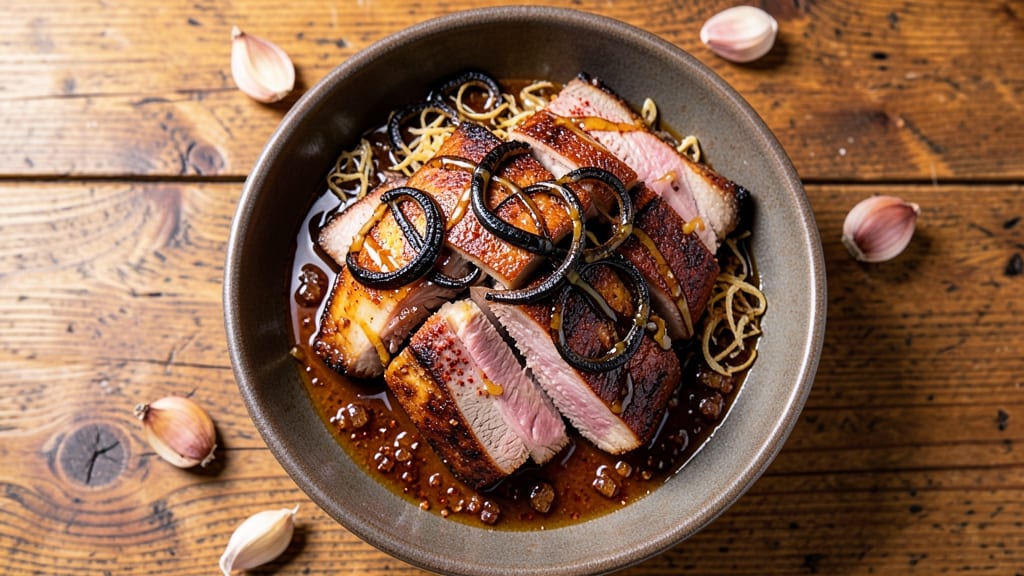
The 321 pork shoulder recipe delivers restaurant-quality tenderness with minimal effort—just 3 hours of active time for a dish that practically falls apart. As someone who's cooked thousands of pounds of pork, I can tell you this method transforms tough cuts into melt-in-your-mouth perfection every time.
The secret lies in precise temperature control and patience, two things that deliver results you can't get with rushed techniques.
This approach starts with a 225°F oven (or smoker) where the pork cooks low and slow for hours, breaking down collagen into rich, flavorful juices.
After that initial cook, we crank the heat to 325°F to finish the process, ensuring a crispy exterior while keeping the interior tender enough to shred with a fork. The final 20 minutes at 425°F create that coveted bark that holds up to sauces and toppings.
What you'll end up with is a pork shoulder so tender it practically dissolves on your tongue, with a crispy exterior that adds satisfying texture. The meat stays juicy and flavorful, making it perfect for sandwiches, tacos, or serving as a centerpiece for any meal.
This isn't just another pulled pork recipe—it's the one that will make you question why you ever bought pre-made versions.
The beauty of this method is its versatility—use it for smoky BBQ, tangy vinegar-based dishes, or even as a base for pork shoulder tacos. The technique works equally well in ovens, smokers, or even slow cookers, giving you flexibility for any kitchen setup.
Let's get started on creating pork that's so tender, it practically melts at the touch.
Ingredients for 321 pork shoulder
Six pounds of pork plus a handful of pantry staples—this is your ticket to melt-in-your-mouth perfection.
| Ingredient | Amount | Notes |
|---|---|---|
| Pork Shoulder (Bone-In) 🐖 | 6 lb | 1.5-2 inch thick cut, well-marbled |
| Yellow Onion 🧅 | 1 whole | Cut into 1-inch chunks |
| Garlic Cloves 🧄 | 8 cloves | Smash slightly before adding |
| Apple Cider Vinegar 🍎 | ¼ cup | For tangy depth |
| Brown Sugar 🍚 | ½ cup | Light or dark preferred |
| Smoked Paprika 🌶️ | 2 tbsp | For smoky flavor |
| Ground Black Pepper 🌶️ | 1 ½ tbsp | Freshly cracked |
| Kosher Salt 🧂 | 1 ½ tbsp | Diamond Crystal preferred |
| Olive Oil 🫒 | ¼ cup | For crispy bark |
| Apple Juice 🍎 | 1 cup | For moisture |
| Fresh Thyme 🌿 | ½ cup | Stems removed, chopped |
| Fresh Rosemary 🌿 | ¼ cup | Needles chopped |
| Beef Broth 🍲 | 1 cup | Low-sodium preferred |
The pork shoulder is non-negotiable here. Look for a bone-in cut with good marbling—Costco or local butchers usually have the best quality. A 6-pound shoulder gives you plenty for leftovers (which you'll want). If you can't find bone-in, go for a thick cut of pork butt—just trim any excess fat to about 1/4-inch. The herbs? Trader Joe's sells pre-chopped thyme and rosemary in little jars—convenient if you're in a rush, but fresh is always better. Smash those garlic cloves before adding them to the rub; it releases more flavor.
No smoked paprika? Substitute 1 tbsp regular paprika plus 1 tsp liquid smoke. Out of apple cider vinegar? White vinegar or lemon juice works in a pinch, but it'll be less complex. The beef broth can be swapped for chicken broth if you're vegetarian-friendly, though the flavor won't be identical. For the sugar, maple syrup adds depth but might make the bark stickier. And if you're short on time, pre-mixed BBQ rubs (like Badia) save steps—just add extra olive oil for crispiness.
This rub keeps for months in an airtight container. Store the pork uncovered in the fridge for 1-2 days before cooking to let the bark form. For leftovers, wrap tightly and refrigerate for up to 5 days—or freeze for 3 months. The meat gets even more tender as it rests, so plan ahead. I always make extra because pulled pork sandwiches for lunch are a no-brainer. And if you're using a smoker, soak the wood chips in water first for consistent smoke.
Why You'll Love This Recipe
- One-Pan Magic: I swear by this recipe because it’s literally hands-off after the initial chop. Slice the onion, smash the garlic, toss everything with the vinegar and brown sugar, and let the oven do the rest—no flipping, no fuss, just fall-apart tender pork.
- Sweet-Savory Magic: That apple cider vinegar and brown sugar combo? It’s the secret weapon. The vinegar cuts through the richness while the caramelized sugar gives it this irresistible glossy sheen—like a cross between pulled pork and a sticky, saucy dream.
- Leftover Heaven: Between us, this is my go-to for meal prep. The pork shreds effortlessly, and the sauce thickens beautifully when reheated—perfect for tacos, sandwiches, or even a quick stir-fry. (Yes, I’ve eaten this cold from the fridge. Don’t judge.)
- Budget-Friendly Feast: Bone-in pork shoulder stretches further than you’d think, and the ingredients? Pantry staples. A big cut feeds six for under $15, and the leftovers? Pure gold for lunches or potlucks. My wallet and my family thank me every time.
Step-by-step instructions for 321 pork shoulder
Here's how to transform a tough cut into melt-in-your-mouth perfection using the 321 method.
Prepare the Pork Shoulder for Maximum Flavor
Start by patting the 6 lb pork shoulder completely dry with paper towels. I can't stress this enough—moisture is the enemy of crispy bark. Then, in a large bowl, combine the 0.25 cup apple cider vinegar, 0.5 cup brown sugar, 2 tbsp smoked paprika, 1.5 tbsp ground black pepper, and 1.5 tbsp kosher salt. Mix until the sugar dissolves completely.
Rub this mixture all over the pork shoulder, including inside the cavity. Let it sit at room temperature for 30 minutes while you prep your oven. This dry rub and resting time create that perfect balance of tender meat and flavorful crust we're after. Don't skip this step—it makes all the difference in the final result.
Sear the Pork for Irresistible Crust
Heat the oven to 325°F. In a large Dutch oven or heavy oven-safe pot, heat the 0.25 cup olive oil over medium-high heat until shimmering. Place the pork shoulder fat-side down and sear for 8-10 minutes until the fat is golden brown and crispy. Flip and sear the other side for another 8-10 minutes.
Here's where it gets good—after searing, add the 1 whole yellow onion cut into 1-inch chunks and the 8 smashed garlic cloves to the pot. Pour in the 1 cup apple juice and bring to a simmer. This creates a flavorful liquid that will baste the pork as it cooks. The onions and garlic will soften, infusing the meat with their aromas.
Braise Low and Slow for Perfect Tenderness
Transfer the Dutch oven to the preheated 325°F oven. Cover tightly with a lid and cook for 2 hours. This initial cooking phase breaks down the tough connective tissue, transforming it into silky tenderness. Resist the urge to peek—every time you lift the lid, you lose valuable heat and moisture.
After 2 hours, remove the pork from the oven and increase the temperature to 325°F. Stir in the 0.5 cup chopped fresh thyme, 0.25 cup chopped fresh rosemary, and 1 cup beef broth. Return the pork to the oven, cover, and cook for another 2 hours. The herbs add aromatic depth while the broth maintains moisture. The pork should now be fork-tender with a beautiful mahogany crust.
Finish with Juicy Perfection
For the final hour, increase the oven temperature to 350°F and uncover the pork. This last step creates that coveted crispy bark while allowing any remaining surface moisture to evaporate. Check the internal temperature using a meat thermometer—it should reach 203°F. If it's not quite there, return to the oven for another 15-30 minutes uncovered.
Once done, remove the pork from the oven and let it rest for 30 minutes before slicing. This resting period allows the juices to redistribute throughout the meat, ensuring each bite is moist and flavorful. The pork should pull apart easily with two forks, signaling perfect tenderness. Serve with the pan juices spooned over the top for maximum flavor.
Pro Tips For Making 321 Pork Shoulder
- USE A MEAT THERMOMETER: I learned this the hard way—guessing pork shoulder doneness leads to either dry, overcooked meat or sad, undercooked slabs. The 321 method relies on precise temps: aim for 195–203°F internal (probe the thickest part, away from bone). Anything lower, and you’re risking toughness; higher, and you’ll regret it.
- PEEL AND CHOP ONIONS IN ADVANCE: This isn’t the prettiest method, but it’s the tastiest. Thinly slice onions and store them in a bowl with a splash of apple cider vinegar (the acid softens them). When you’re ready to sear the pork, they’ll caramelize faster and add depth—no last-minute chopping stress.
- DON’T SKIP THE FAT CAP: That white fat layer on the pork shoulder? Leave it. It renders down into flavor gold during the braise. If you trim it, you’re losing moisture and richness—especially crucial in the 321 method where slow cooking relies on self-basting. Just pat the meat dry first; crispy fat is the reward.
- BRAISE IN THE OVEN—NOT ON THE STOVETOP: I was skeptical until I tried it: a Dutch oven on the stovetop can’t hold heat like an oven. For the 321’s final braise, transfer everything to a 400°F oven for 30 minutes—it ensures even cooking and deeper flavor penetration. The vinegar and sugar won’t burn, and the pork stays juicy. (Yes, even if you’re impatient like me.)
Serving suggestions for this dish
Classic BBQ Sandwiches
Nothing beats a classic pulled pork sandwich when you've put in the work for this tender shoulder. I always serve mine on toasted brioche buns from Panera—they hold up perfectly to the juicy pork.
Layer with crispy coleslaw (shredded cabbage, carrot, mayo, apple cider vinegar, and a pinch of celery seed) and a drizzle of homemade BBQ sauce (I use a mix of ketchup, molasses, apple cider vinegar, and smoked paprika). 🥪
For an extra touch, add pickled jalapeños (quick-pickle with vinegar, sugar, and salt) and a sprinkle of crumbled blue cheese for a tangy contrast. The key is to keep the sandwiches warm in a 200°F oven while you assemble them—this prevents soggy buns.
I like to serve these with sweet potato fries on the side for a complete meal.
Taco Night Fiesta
Transform your pork shoulder into smoky tacos that'll have everyone begging for seconds. Shred the meat and warm it gently in a skillet with 1 tbsp taco seasoning (I use Penzeys for the best blend) and 2 tbsp beer (a light lager works perfectly).
Serve in corn tortillas with toppings like diced avocado, pico de gallo, crumbled queso fresco, and fresh cilantro. 🌮
For a fun twist, add charred corn (grill on the cob or in a skillet) and crumbled chorizo for extra richness. I also make a quick mango-habanero slaw (shredded cabbage, mango, habanero, lime juice, and cilantro) that cuts through the richness beautifully.
Keep the tortillas warm in a cloth-lined basket to maintain flexibility.
Pork Shoulder Bowls
For a modern take, serve the shredded pork over jasmine rice with a ginger-soy glaze (mix 2 tbsp soy sauce, 1 tbsp honey, 1 tbsp rice vinegar, and 1 tsp grated ginger).
Top with steamed broccoli, sliced scallions, and sesame seeds for a balanced bowl. This Asian-inspired version is a crowd-pleaser at my restaurant—it’s light yet packed with flavor. 🍚
For a heartier option, add crispy fried shallots and a soft-boiled egg on top. I also like to include quick-pickled cucumbers (thinly sliced cucumbers, rice vinegar, sugar, and salt) to add a refreshing crunch. These bowls are perfect for meal prep—store components separately and assemble when ready to eat.
Gravy and Mashed Potatoes
Turn your pork shoulder into a Sunday dinner centerpiece with creamy mashed potatoes and rich gravy. After shredding the pork, use the pan juices to make a silky gravy—just whisk in 2 tbsp cornstarch and 1 cup beef broth, then simmer until thickened.
Serve over fluffy mashed potatoes (I use Yukon Golds boiled in their skins for extra creaminess). 🥔
For an elevated touch, fold 2 tbsp sour cream and 1 tbsp chives into the mashed potatoes. The gravy should coat the back of a spoon—if it’s too thin, simmer longer.
This classic combo is comforting and perfect for family gatherings. Don’t forget roasted Brussels sprouts with bacon on the side for a well-rounded meal.
Nutrition facts
Frequently asked questions
Why does the 321 method work better than slow-cooking?
The 321 method creates a perfect balance of tenderness and texture. The initial 2 hours at 325°F breaks down collagen slowly, while the final 1 hour at 350°F develops a crispy bark without drying the meat. Slow cookers often lack this temperature control, resulting in meat that's either too tough or mushy. This method ensures juicy, fork-tender pork with a satisfying crust.
Can I use a smoker instead of an oven?
The 321 method works beautifully on smokers. Start at 225°F for the first 2 hours, then increase to 275°F for the final hour. Use fruitwood like apple or cherry for subtle sweetness. The key is maintaining consistent temperature—smokers excel at this low-and-slow approach.
What if my pork shoulder isn't tender after 3 hours?
Check the internal temperature—it should reach 203°F. If not, return to the oven/smoker uncovered at 350°F for another 30-60 minutes. The meat will continue breaking down. Never rush it—patience is key! If it's still tough, try cooking it another 1-2 hours at 275°F.
How do I store leftovers?
Let the pork cool completely, then wrap tightly in plastic wrap or foil. Refrigerate for up to 5 days or freeze for 3 months. Reheat in a skillet with a splash of broth or water to restore moisture. The meat actually gets more tender as it rests! For sandwiches, store components separately to prevent sogginess.
What's the best way to shred the pork?
Use two forks or meat claws to pull the pork apart against the grain. For easier shredding, let it rest for 15 minutes after cooking. If it's still sticking together, return it to a warm pan with a splash of broth for 5 minutes. Never force it—gentle pulling gives you the best texture.